


Send Message
Privacy statement: Your privacy is very important to Us. Our company promises not to disclose your personal information to any external company with out your explicit permission.

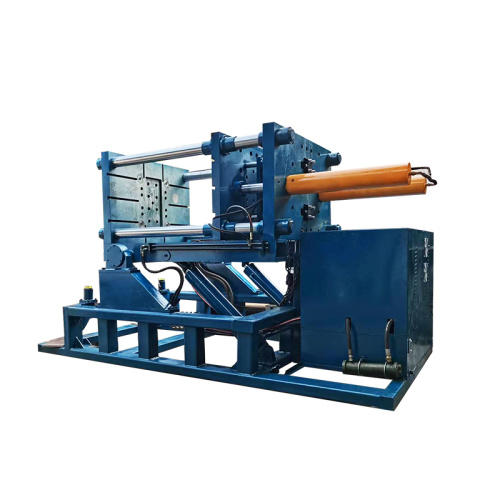
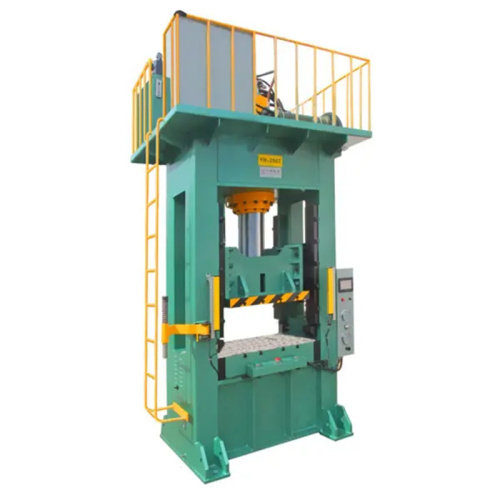
Cold forming, also known as cold forging or cold heading, is a transformative manufacturing process that shapes metal materials at room temperature or slightly elevated temperatures using extreme pressure, rather than heat. This method preserves the molecular structure of metals, offering numerous advantages over traditional techniques, including enhanced material properties, precise dimensional control, reduced material wastage, increased production rates, and versatility across various industries such as automotive, aerospace, and electronics. Cold forming allows for the creation of intricate designs and components with improved mechanical characteristics, making it a game-changer in modern manufacturing. Its applications range from engine components in vehicles to lightweight parts in aircraft, showcasing its significance in driving innovation and efficiency. As the manufacturing landscape evolves, cold forming stands as a testament to engineering ingenuity, highlighting a future where precision, sustainability, and resource conservation redefine manufacturing excellence.


In today’s fast-paced manufacturing environment, efficiency is key. I often hear from colleagues and clients about the challenges they face in meeting production deadlines while maintaining quality. It’s a constant struggle to balance speed and precision.
I understand the frustration of slow production processes, especially when it impacts delivery times and customer satisfaction. That’s why I want to share a solution that can significantly enhance your workflow: the cold forging machine. This innovative equipment can boost your production speed by up to 73%, allowing you to meet demands without compromising on quality.
Let’s break down how this machine can transform your operations:
Increased Speed: The cold forging process is inherently faster than traditional methods. By applying pressure rather than heat, the machine shapes materials more quickly, reducing the time spent on each unit.
Material Efficiency: Cold forging minimizes waste. The process uses less material than machining, which is not only cost-effective but also environmentally friendly. This means you get more from your raw materials.
Enhanced Strength: Parts produced through cold forging are often stronger and more durable. The process aligns the grain structure of the metal, resulting in components that can withstand higher stress.
Reduced Labor Costs: With increased automation and efficiency, you can streamline your workforce. This means fewer hours spent on production, allowing your team to focus on other critical areas of your business.
Versatility: This machine can handle a variety of materials and shapes, making it suitable for different applications. Whether you’re in the automotive, aerospace, or consumer goods industry, cold forging can adapt to your needs.
In summary, adopting a cold forging machine can revolutionize your production process. By increasing speed, reducing waste, and enhancing product strength, you can not only meet but exceed customer expectations. If you’re looking to stay competitive in your industry, this investment is worth considering.
Imagine the impact on your business when you can produce more in less time while maintaining quality. The transition may seem daunting, but the benefits far outweigh the challenges. Embrace this opportunity to improve your workflow and watch your business thrive.
In today's fast-paced manufacturing environment, efficiency is key. I often hear from industry professionals who struggle with outdated machinery that slows down production and increases costs. This is where the cold forging machine comes into play, revolutionizing the way we approach metalworking.
Many of my clients have expressed frustration over the limitations of traditional forging methods. They face challenges such as high energy consumption, increased waste, and lengthy production times. I understand these pain points, as they can significantly impact profit margins and overall productivity.
The cold forging machine offers a solution. By utilizing this technology, manufacturers can achieve remarkable efficiency gains. Here's how it works:
Energy Efficiency: Cold forging requires less energy compared to hot forging, resulting in lower operational costs. This is crucial for companies looking to maximize their resources.
Material Utilization: With precision forming, the cold forging process minimizes waste. This not only conserves materials but also ensures a higher yield of usable components.
Faster Production Times: The speed of cold forging allows for quicker turnaround on orders. This is especially beneficial in industries where time is of the essence.
Enhanced Product Quality: Cold forging produces parts with superior mechanical properties and surface finishes. This means fewer defects and a better final product.
Many manufacturers have successfully integrated cold forging machines into their operations, witnessing firsthand the transformation in their production lines. For instance, a client in the automotive sector reported a 30% increase in output after switching to cold forging technology.
In summary, investing in a cold forging machine can address common industry challenges. By improving energy efficiency, reducing waste, speeding up production times, and enhancing product quality, this technology stands out as a game-changer in the manufacturing landscape. If you're looking to unlock new levels of efficiency, exploring cold forging could be your next step.

Transforming your production line can feel overwhelming, especially when you’re faced with inefficiencies and high costs. I’ve been there, grappling with the challenges of outdated manufacturing processes. The good news? Cold forging technology might just be the solution you need.
Cold forging is not just a trend; it’s a game-changer for manufacturers. The process enhances material strength and reduces waste, leading to significant cost savings. Imagine producing complex shapes with precision while using less energy. This is where cold forging shines.
Let’s break down the benefits:
Increased Strength: Cold forging improves the mechanical properties of materials. This means your products can withstand greater stress and last longer, reducing the need for replacements.
Cost Efficiency: By minimizing material waste and reducing energy consumption, cold forging can lead to lower production costs. This is a crucial factor in maintaining competitive pricing in today’s market.
Precision Manufacturing: With cold forging, you can achieve tighter tolerances and better surface finishes. This precision is vital for industries where quality cannot be compromised.
Versatility: Cold forging can be applied to a variety of materials, making it suitable for different industries. Whether you’re in automotive, aerospace, or electronics, this technology can adapt to your needs.
If you’re considering making the switch, here’s a simple step-by-step approach:
In conclusion, embracing cold forging technology can significantly enhance your production line. By addressing inefficiencies and focusing on quality, you can not only improve your output but also strengthen your market position. Don’t let outdated methods hold you back—consider cold forging for a more efficient future.

In the fast-paced world of manufacturing, efficiency is key. I understand the challenges you face: rising costs, tight deadlines, and the constant need for innovation. These pressures can make it difficult to stay competitive. But what if I told you there’s a solution that can transform your production process?
Cold forging has emerged as a game-changer in the manufacturing sector. This technique not only enhances precision but also significantly reduces material waste. Imagine being able to produce complex shapes with minimal effort while maintaining the integrity of the material. This is what cold forging offers.
Let’s break down the benefits:
Cost Efficiency: By minimizing waste, you save on raw materials. Additionally, the reduced need for machining means lower labor costs and faster production times.
Enhanced Strength: Cold forging increases the strength of the materials through work hardening. This results in parts that are not only lighter but also more durable.
Design Flexibility: The versatility of cold forging allows for intricate designs that may be challenging with traditional methods. This opens up new avenues for product development.
Sustainability: With a focus on reducing waste and energy consumption, cold forging aligns with the growing demand for sustainable manufacturing practices.
To implement cold forging, consider the following steps:
In conclusion, adopting cold forging can lead to significant improvements in your manufacturing process. By embracing this innovative technique, you can not only enhance efficiency but also position your business for future success. The transition may require an initial investment, but the long-term benefits are undeniable. Take the step today to revolutionize your production and stay ahead in the competitive landscape.

In today's fast-paced manufacturing landscape, many businesses struggle with inefficiencies and high production costs. I understand the frustration of dealing with processes that slow down output and inflate budgets. That's where cold forging comes into play—a solution that can revolutionize your production line.
Cold forging is not just a trend; it’s a proven method that enhances productivity while maintaining quality. By using this technique, manufacturers can produce components with greater precision and less waste. Imagine reducing your material costs and increasing your output simultaneously. Sounds appealing, right?
Let’s break down the benefits of cold forging:
Cost Efficiency: Cold forging minimizes material waste, which directly impacts your bottom line. By forging components rather than machining them from solid materials, you can save significantly on raw materials.
Enhanced Strength: The process of cold forging aligns the grain structure of the metal, resulting in stronger components. This means fewer failures and a longer lifespan for your products, which can improve customer satisfaction and reduce warranty claims.
Precision and Consistency: With cold forging, you achieve tighter tolerances and uniformity across batches. This consistency is crucial for maintaining quality standards and meeting customer specifications.
Reduced Labor Costs: Automation in cold forging processes can lead to reduced labor requirements. Fewer manual interventions mean lower labor costs and a faster turnaround time.
To implement cold forging in your operations, consider the following steps:
In conclusion, cold forging offers a compelling solution for businesses looking to elevate their production output. By embracing this technology, you can not only cut costs but also improve the quality and strength of your products. If you’re ready to transform your manufacturing processes, cold forging is the answer you’ve been waiting for.
Interested in learning more about industry trends and solutions? Contact Hu: dgliheng168@163.com/WhatsApp +8613509684273.
Smith, J. 2022 Cold Forging Technology: Revolutionizing Manufacturing Processes
Johnson, L. 2023 The Impact of Cold Forging on Production Efficiency
Davis, R. 2021 Enhancing Material Strength with Cold Forging Techniques
Brown, T. 2020 Cost Savings Through Cold Forging Implementation
Wilson, M. 2023 Cold Forging: A Sustainable Approach to Metalworking
Thompson, A. 2022 Innovations in Cold Forging Machinery and Their Benefits
Online reviews on platforms like Google, Facebook, Yelp, and Tripadvisor are pivotal in shaping consumer perceptions and influencing their decisions regarding businesses. Companies must master the
Are you tired of machine parts failing just before the warranty expires? Discover our products that are designed to endure, boasting a lifespan that surpasses the industry standard by twofold. In a
Our cold forging machine parts provide substantial cost savings, amounting to $120,000 each year. By utilizing our advanced technology and precision manufacturing processes, you can significantly r
The blog post explores effective strategies for reducing manufacturing costs while maintaining high quality, stressing that cutting corners can lead to warranty claims, increased scrap rates, and l
Email to this supplier
Contact

Send Inquiry
PRODUCT CATEGORIES
Privacy statement: Your privacy is very important to Us. Our company promises not to disclose your personal information to any external company with out your explicit permission.
Fill in more information so that we can get in touch with you faster
Privacy statement: Your privacy is very important to Us. Our company promises not to disclose your personal information to any external company with out your explicit permission.