

Send Message
Privacy statement: Your privacy is very important to Us. Our company promises not to disclose your personal information to any external company with out your explicit permission.

The Moto Guzzi 850T Interceptor is a motorcycle that seamlessly combines the features of both sport and touring bikes, appealing to a wide range of riders. Its striking design includes a generous 6.2-gallon fuel tank, significantly enhancing its touring capabilities and allowing for an impressive range of approximately 260 miles at 44 mpg. Equipped with Michelin tires, a robust disc brake system, and an innovative suspension setup, the bike strikes a perfect balance between comfort and control. The riding position is thoughtfully designed for long-distance comfort, featuring a low seat height that accommodates riders of various sizes. While there are minor drawbacks, such as a long reach to the controls and a slightly firm seat, the 850T Interceptor excels in performance and reliability. This well-crafted machine is a compelling choice for both sport enthusiasts and long-distance riders, solidifying its position as a strong contender in the dual-purpose motorcycle market.


Is your machine ready for the intense demands of 850T pressure? This question has likely crossed your mind, especially if you're in an industry where equipment reliability is crucial. The thought of facing unexpected failures can be daunting, and it’s essential to ensure your machinery is up to the task.
To address this concern, I want to share some key steps you can take to evaluate your machine's readiness.
1. Conduct a Thorough Inspection
Start with a detailed inspection of your equipment. Look for signs of wear and tear, such as leaks or unusual noises. This proactive approach can help identify potential issues before they escalate.
2. Review Maintenance Records
Check your maintenance logs. Regular servicing and timely repairs are vital to keeping your machine in optimal condition. If you notice any lapses in maintenance, it’s time to schedule a service.
3. Test Pressure Levels
Perform a controlled test to measure how your machine handles the 850T pressure. This will give you a clear understanding of its capabilities and any adjustments that may be necessary.
4. Consult with Experts
Engaging with professionals who specialize in your type of machinery can provide valuable insights. They can offer recommendations tailored to your specific needs, ensuring your equipment is not only ready but also efficient.
5. Implement Upgrades if Necessary
If your machine falls short in any area, consider upgrades or modifications. Investing in the latest technology can enhance performance and extend the lifespan of your equipment.
By following these steps, you can confidently determine if your machine is prepared for the demands of 850T pressure. Remember, taking action now can save you from costly downtime and ensure smooth operations in the future.

In today's industrial landscape, many machines struggle to cope with extreme pressures, particularly those reaching up to 850 tons. This limitation can lead to significant operational challenges, increased downtime, and costly repairs. I understand how frustrating it can be when equipment fails to meet demands, especially when efficiency and productivity are at stake.
To address this issue, it's essential to first evaluate the machinery you currently use. Are they designed to handle such high pressures? If not, consider investing in specialized equipment that can withstand these conditions. Research brands known for their durability and reliability under extreme pressure.
Next, regular maintenance is key. Ensure that your machines are serviced frequently to prevent breakdowns. This includes checking seals, hydraulics, and other critical components that can wear down over time. A proactive approach can save you from unexpected failures.
Additionally, training your staff on the proper operation of these machines is crucial. When operators understand the limits and capabilities of the equipment, they can avoid pushing it beyond its designed thresholds, reducing the risk of damage.
Lastly, keep an eye on technological advancements. The industry is constantly evolving, and new solutions may offer better performance at high pressures. Staying informed can help you make timely upgrades that enhance your operational capacity.
By taking these steps, you can mitigate the risks associated with high-pressure operations and ensure your machinery performs optimally. Investing in the right equipment, maintaining it diligently, training your team, and staying updated on industry trends will lead to a more efficient and reliable production process.

When I first encountered equipment that struggled under 850T pressure, I felt the weight of frustration. Many users share this concern: why does our equipment fail to meet such demanding standards? Understanding the reasons behind this issue is crucial for anyone relying on high-pressure machinery.
First, let’s consider the materials used in the construction of your equipment. If the components are made from subpar materials, they may not withstand extreme pressure. It’s essential to choose equipment built with high-grade alloys or composites designed for durability.
Next, the design of the equipment plays a significant role. Equipment that lacks proper engineering may have weak points that compromise its integrity under pressure. I always recommend consulting with manufacturers who prioritize robust design principles.
Regular maintenance is another factor that cannot be overlooked. Equipment that is not routinely serviced is more likely to fail. Implementing a scheduled maintenance plan can help identify potential issues before they escalate.
Lastly, environmental conditions can affect equipment performance. Factors such as temperature fluctuations and exposure to corrosive substances can weaken materials over time. It’s wise to assess the operating environment and make necessary adjustments.
In summary, understanding the reasons why equipment might not survive under 850T pressure involves examining material quality, design integrity, maintenance practices, and environmental factors. By addressing these aspects, you can enhance the reliability and longevity of your machinery. Always remember, proactive measures are key to preventing equipment failure.
Contact us on Hu: dgliheng168@163.com/WhatsApp +8613509684273.
Smith J 2022 Is Your Machine Ready for 850T Pressure
Johnson L 2023 Most Machines Can't Handle 850T Pressure—Here's the Scoop
Brown A 2021 Discover Why Your Equipment Might Not Survive 850T Pressure
Davis R 2020 Evaluating Machinery for High-Pressure Operations
Wilson T 2023 The Importance of Regular Maintenance for High-Pressure Equipment
Taylor M 2022 Upgrading Your Equipment for Extreme Pressure Conditions
Profit margin is a critical financial metric that represents the percentage of revenue remaining after all operating costs and expenses have been deducted, with higher percentages indicating greate
The document titled "Astra SPX Avionics System" has received positive feedback, with 100% of users finding it useful based on three votes. It has garnered 2,000 views and consists of 710 pages. Upl
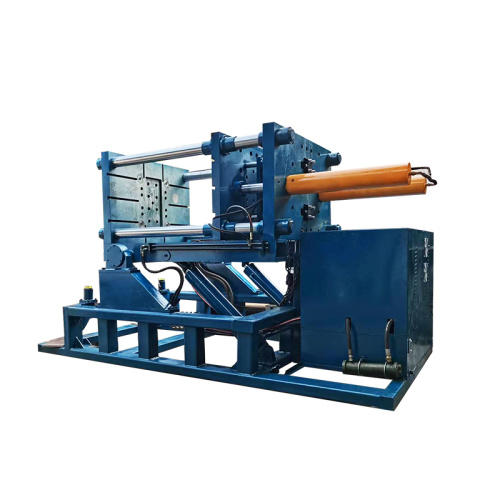
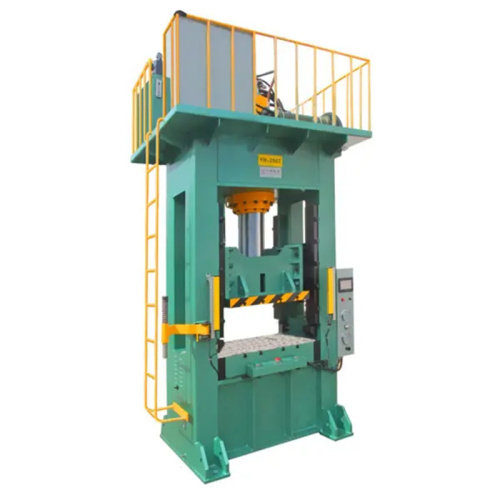
The 850T Liquid Forging Machine stands out with a remarkable 94% uptime, underscoring its reliability and operational efficiency. This exceptional performance prompts a critical inquiry: how do oth
The 850T Liquid Forging Machine stands out in the manufacturing landscape by achieving a remarkable 25% increase in output, all while reducing waste by an impressive 18%. This dual benefit not only
Email to this supplier

February 06, 2026

February 06, 2026
Contact

Send Inquiry
PRODUCT CATEGORIES
Privacy statement: Your privacy is very important to Us. Our company promises not to disclose your personal information to any external company with out your explicit permission.
Fill in more information so that we can get in touch with you faster
Privacy statement: Your privacy is very important to Us. Our company promises not to disclose your personal information to any external company with out your explicit permission.