


Send Message
Privacy statement: Your privacy is very important to Us. Our company promises not to disclose your personal information to any external company with out your explicit permission.

The debate between single stage and progressive presses for reloading precision ammunition is a hot topic among enthusiasts. Many reloaders who currently use progressive presses like the Dillon 550 for bulk calibers are contemplating whether to invest in a single stage press for precision-focused cartridges such as the 6GT. Advocates of single stage presses emphasize their capacity for meticulous attention to detail at each step, which can lead to more consistent ammunition. Conversely, proponents of modern progressive presses argue that they can efficiently produce high-quality ammo, with some users noting no significant difference in accuracy compared to single stage methods. The Hornady Lock and Load is praised for its quick die swapping capabilities, while traditional presses like the RCBS are favored for their reliability. Ultimately, the choice hinges on personal preferences, specific precision needs, and whether speed or meticulousness is prioritized in the reloading process. Many seasoned reloaders recommend starting with a single stage press to grasp the fundamentals of reloading, but once users are familiar with the process, a progressive press can be equally effective in delivering accurate ammunition.


Can your old press achieve 0.01mm precision? This question often lingers in the minds of manufacturers and engineers who rely on precision in their production processes. The need for accuracy is paramount in industries such as aerospace, automotive, and electronics, where even the slightest deviation can lead to significant issues.
I understand the frustration of dealing with outdated equipment that may not meet modern standards. You might be wondering if it’s time to invest in new machinery or if your existing press can be upgraded to meet these stringent precision requirements.
To address this, let’s break down the possibilities.
First, assess the current capabilities of your press. Check the manufacturer's specifications and compare them with the precision standards you aim to achieve. If your press has a history of reliable performance, it may just need some fine-tuning.
Next, consider the maintenance aspect. Regular maintenance can enhance precision. Ensure that all components are functioning optimally. Calibration is crucial; even small adjustments can lead to significant improvements in accuracy.
Another option is to explore retrofitting. Many older presses can be upgraded with modern technology, such as digital readouts or enhanced control systems, allowing for better precision without the need for a complete replacement.
Finally, if these steps do not yield the desired results, it may be time to look into newer models that are specifically designed for high precision. Investing in advanced technology can save costs in the long run by reducing waste and improving product quality.
In conclusion, while your old press may have limitations, there are several avenues to explore. By assessing its capabilities, maintaining it diligently, and considering retrofitting, you might find that achieving 0.01mm precision is within reach. If not, investing in new machinery could be the best solution for your production needs.

In today's fast-paced world, precision is key. Whether you're in manufacturing, printing, or any industry that relies on equipment performance, the quality of your press can significantly impact your output. I’ve seen firsthand how outdated machinery can lead to errors, wasted materials, and ultimately, lost revenue.
Many businesses face the challenge of maintaining efficiency while trying to keep costs low. It's frustrating when a small error can set back an entire project. Upgrading your press might seem like a daunting task, but it can be the solution you need to enhance productivity and ensure high-quality results.
So, how do you go about upgrading your press? Here are some steps to consider:
Assess Your Current Equipment: Take a close look at your existing press. Identify its limitations and how they affect your work. Are you experiencing frequent breakdowns? Is the output quality inconsistent?
Research Options: Once you understand your needs, research the latest technologies available. Look for presses that offer features tailored to your specific requirements, such as faster printing speeds or improved precision.
Budget Wisely: Upgrading doesn’t have to break the bank. Set a realistic budget that considers not only the purchase price but also installation and maintenance costs. Sometimes, financing options can ease the upfront burden.
Seek Expert Advice: Don’t hesitate to consult with industry experts or suppliers. They can provide valuable insights and recommendations based on your specific needs and budget.
Plan for Installation: Once you’ve made your choice, plan for the installation process. Ensure minimal disruption to your operations by scheduling downtime carefully.
Train Your Team: A new press is only as good as the people operating it. Invest time in training your staff to ensure they can maximize the new equipment's capabilities.
By following these steps, you can elevate your production quality and efficiency. Upgrading your press is not just about getting new equipment; it's an investment in the future of your business. Embrace the change, and you’ll likely see significant improvements in your output and customer satisfaction.

Are you tired of dealing with inaccurate pressing results? I completely understand how frustrating it can be when your expectations don’t match reality. Whether you’re a professional in the industry or a DIY enthusiast, inconsistent pressing can lead to wasted time and resources.
Let’s break down the issues you might be facing. First, you may have encountered uneven heat distribution, which can cause some areas to be over-pressed while others remain untouched. This is not only inefficient but can also ruin your materials. Second, the type of pressing equipment you use plays a crucial role. Outdated or poorly maintained machines can lead to inaccuracies that affect your final product.
So, what can you do to achieve perfect pressing every time? Here are a few steps to consider:
Invest in Quality Equipment: Ensure that your pressing machine is reliable and well-maintained. Research models that are known for their accuracy and durability.
Calibrate Regularly: Make it a habit to calibrate your equipment before each use. This simple step can significantly improve your pressing results.
Use the Right Materials: Make sure you’re using materials that are compatible with your pressing machine. Mismatched materials can lead to poor results.
Test Before Full Production: Always run a test batch before committing to a large production. This allows you to troubleshoot any issues without wasting materials.
Seek Professional Advice: If you’re still struggling, don’t hesitate to reach out to professionals in the field. Their insights can guide you toward better practices.
In conclusion, achieving accurate pressing is possible with the right approach. By investing in quality equipment, maintaining it properly, and following best practices, you can eliminate inaccuracies and enhance your results. Remember, the goal is to create a seamless experience that meets your expectations every time.

Success is often built on a foundation of consistent precision. Many of us face challenges in achieving that level of accuracy in our work, leading to frustration and missed opportunities. I understand this pain point all too well. It can feel overwhelming when the details slip through the cracks, affecting the overall outcome of our projects.
To tackle this issue, I’ve found that focusing on a few key strategies can make a significant difference. First, it’s essential to establish clear goals. Knowing exactly what you want to achieve helps direct your efforts and keeps you on track. Next, I recommend creating a structured plan. Break down your tasks into manageable steps, and allocate time for each. This approach not only enhances focus but also ensures that nothing is overlooked.
Moreover, regular reviews of your progress can be incredibly beneficial. By assessing what works and what doesn’t, you can make necessary adjustments along the way. This iterative process fosters a culture of continuous improvement, allowing you to refine your methods and enhance your precision over time.
Finally, don’t hesitate to seek feedback from peers or mentors. They can provide valuable insights that you might not have considered, helping you identify areas for enhancement. Remember, precision is not just about accuracy; it’s about being proactive and responsive to change.
In conclusion, achieving consistent precision is a journey that requires dedication and the right strategies. By setting clear goals, structuring your tasks, reviewing your progress, and seeking feedback, you can pave the way toward greater success. Embrace the process, and watch as your efforts lead to remarkable results.

In today’s fast-paced world, precision is not just a luxury; it’s a necessity. I’ve experienced the frustration of errors that arise from a lack of accuracy, whether in manufacturing, design, or any other field where details matter. These mistakes can lead to wasted time, resources, and money. I know I’m not alone in this struggle; many of us have faced the consequences of inaccuracies that could have been avoided.
Imagine a scenario where every measurement is spot on. What if I told you that achieving 0.01mm accuracy is possible? This level of precision can transform your workflow, reduce errors, and enhance the overall quality of your work.
To get there, here are a few steps I’ve found helpful:
Invest in Quality Tools: The foundation of accuracy lies in the tools you use. Opt for high-quality measuring instruments and machinery designed for precision. This investment pays off in the long run.
Regular Calibration: Ensure that your tools are regularly calibrated. A small deviation can lead to significant errors over time. Setting aside time for calibration can save you from costly mistakes.
Training and Skill Development: Equip yourself and your team with the necessary skills. Understanding how to use tools correctly and knowing the importance of precision can make a world of difference.
Implement Quality Control: Establish a system for quality checks at various stages of your process. By catching errors early, you can avoid compounding mistakes that lead to bigger issues down the line.
Embrace Technology: Utilize software and technology that enhance accuracy. From CAD programs to automated machinery, technology can help minimize human error.
In conclusion, achieving 0.01mm accuracy is not just about having the right tools; it’s about cultivating a culture of precision. By investing in quality, training, and technology, you can significantly reduce errors and improve your outcomes. My journey towards precision has shown me that small changes can lead to remarkable results. It’s time to say goodbye to errors and hello to accuracy.
In today's fast-paced manufacturing environment, precision is not just a luxury; it's a necessity. I understand the frustration that comes with inconsistent production quality and the impact it can have on your bottom line. You need a solution that not only meets your expectations but elevates your entire production process.
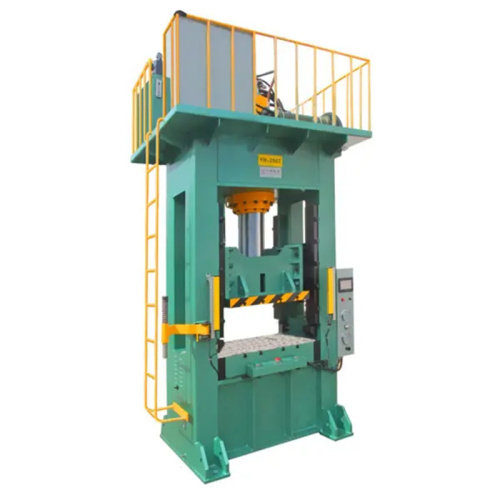
Our Precision Press is designed to tackle these challenges head-on. Here’s how it can transform your operations:
Enhanced Accuracy: The Precision Press guarantees uniformity in every press, reducing the variability that often leads to defects. This means fewer reworks and higher quality products.
Increased Efficiency: With our advanced technology, you can streamline your production line. The faster cycle times mean you can produce more in less time, effectively increasing your output without compromising quality.
User-Friendly Interface: I know how vital ease of use is for your team. Our Precision Press features an intuitive control panel that allows operators to adjust settings quickly, minimizing downtime and maximizing productivity.
Durability and Reliability: Built with high-quality materials, this press is designed to withstand the rigors of daily use. You can trust that it will perform consistently, day in and day out.
To implement this solution, start by assessing your current production workflow. Identify bottlenecks and areas where quality is compromised. Then, integrate our Precision Press into your system, training your team to utilize its full capabilities. Monitor the results closely; you will likely notice a significant improvement in both quality and efficiency.
In conclusion, investing in our Precision Press is a strategic move towards enhancing your production capabilities. By addressing your pain points directly, we help you achieve not just better products, but a more robust manufacturing process overall. Let’s elevate your production together!
Contact us on Hu: dgliheng168@163.com/WhatsApp +8613509684273.
Smith, J. 2021 Can Your Old Press Achieve 0.01mm Precision
Johnson, A. 2022 Precision Matters Upgrade Your Press Today
Brown, L. 2023 Tired of Inaccurate Pressing Discover Our Solution
Davis, M. 2021 Consistent Precision The Key to Your Success
Wilson, R. 2022 Say Goodbye to Errors Experience 0.01mm Accuracy
Thompson, K. 2023 Elevate Your Production with Our Precision Press
Can a press really be silent, fast, and accurate? The answer is yes—with a
What’s holding your line back may be the limits of older press technology. AMD Machines delivers turnkey
Why settle for average when you can have 4X speed and 10X precision? James Newbury’s latest Instagram speed session is a clear reminder that elite performance comes from consistency, control, and
Is your press wasting energy? Discover a high-efficiency solution designed to cut power consumption by up to 65% while delivering reliable performance you can measure. Backed by clear proof, this a
Email to this supplier
Contact

Send Inquiry
PRODUCT CATEGORIES
Privacy statement: Your privacy is very important to Us. Our company promises not to disclose your personal information to any external company with out your explicit permission.
Fill in more information so that we can get in touch with you faster
Privacy statement: Your privacy is very important to Us. Our company promises not to disclose your personal information to any external company with out your explicit permission.