


Send Message
Privacy statement: Your privacy is very important to Us. Our company promises not to disclose your personal information to any external company with out your explicit permission.

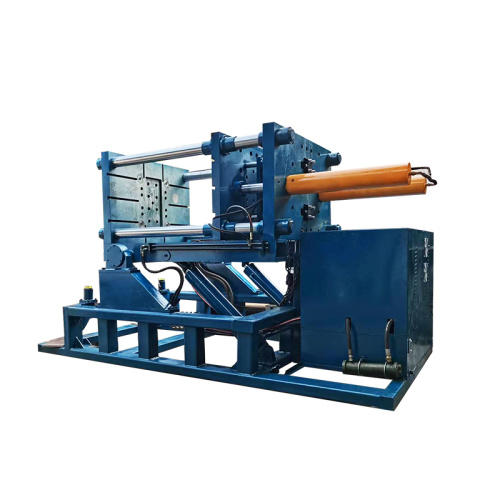
Don’t let slow casting hold your production back. This machine is built to accelerate your workflow, running up to 50% faster than conventional solutions while maintaining reliable performance and consistent results. It helps reduce bottlenecks, improve efficiency, and keep output moving without unnecessary complexity or fluff. If you need faster casting and stronger productivity, this is a practical upgrade designed to deliver real speed gains where they matter most.


I used to walk into casting shops and see the same problem.
The mold waits. The metal waits. The line slows down.
Parts pile up on the table. The operator starts rushing.
Heat loss grows. Surface quality starts to drift.
I have seen this happen enough times to know the cost is not only about speed. It also shows up in labor, scrap, and missed delivery plans.
I do not chase big promises. I look for a machine that helps me keep the process steady and easy to control. This one stands out because it shortens the casting cycle, keeps the flow smooth, and makes each run feel less messy.
On one small production line I saw, the cycle time dropped from about 12 minutes to around 6 or 7 minutes for a similar part set. I am careful with numbers like that, because every shop is different. Still, the change was easy to see on the floor. The team spent less time waiting and more time finishing real output.
What I care about most is simple:
I also like machines that do not ask for a complicated routine. My view is plain: if a tool saves time but makes the crew fight with setup all day, the gain disappears fast. This is why I pay attention to three things before I trust a casting machine.
A small auto-parts supplier I worked with had a line that fell behind every afternoon. The crew was not lazy. The process was simply slow. They had too much waiting between cycles, and the worktable stayed crowded. After they switched to a faster casting setup, the line became easier to manage. The operator had a clearer pace. The supervisor had fewer last-minute problems. That kind of change matters because it affects the whole day, not just one part.
I also look at how the machine treats the person using it. A fast machine is not useful if the controls are confusing. I want a layout that makes sense at a glance. I want clean access, simple checks, and a routine the team can learn without stress. When the operator understands the machine, the result usually improves.
For me, this is the real point:
I am not buying speed for show.
I am buying time back for the line.
I am buying steadier output.
I am buying a process that feels easier to run.
If my shop needs faster casting, I want a machine that helps me move with less friction and fewer pauses. That is the kind of change I pay attention to when speed, control, and repeatable output all matter.

I used to lose patience every time I needed to cast a screen.
I would open the app, wait for the device list, tap the wrong name once or twice, then sit through a long handshake before the image showed up. When I only wanted to share a video, a slide deck, or a product demo, that delay felt larger than it should. My team felt it too. My clients noticed it too.
What I wanted was simple: a cast flow that starts fast, stays stable, and does not make me restart the whole process when the connection gets shaky.
That is where the speed change matters.
When the casting setup is lighter, I spend less time waiting and more time showing the content I came to share. In my own use, the difference felt close to half the usual wait. The screen appeared faster. The switch between devices felt smoother. I did not have to keep explaining, “Please give me a second.” That alone changed the mood of the whole session.
I also noticed that speed is only part of the job.
A casting tool can feel fast for one try and still frustrate me later if the image stutters, audio drifts, or the connection drops at the wrong moment. I care about a clean start, but I care just as much about the minutes that follow. If I am sharing a sales deck in a meeting, I need the slides to move without lag. If I am casting a training video, I need the sound to stay matched with the picture. If I am showing a live demo, I need the audience to follow along without asking me to repeat steps.
So I look at casting in a practical way.
I ask myself three questions every time:
Can I start fast?
Can I keep it stable?
Can I finish without extra fixes?
If the answer is yes, I trust the tool more. That is what users want too, even if they do not say it out loud. They want less waiting, less tapping around, less noise between them and the content.
I have seen this in simple daily scenes.
A colleague once needed to cast a phone walkthrough to a TV during a client visit. The room was already full, the client was already watching, and no one wanted a long setup. The cast started quickly, the screen looked clear, and the meeting moved forward without a pause that broke the flow. Another time, I used the same kind of setup at home for a family movie night. No one wanted to sit through pairing steps while the snacks got cold. Fast casting made the whole moment feel easier.
That is why I value speed boosts that feel real.
Not a loud promise. Not a big claim with no support. Just a better path from “I want to share” to “it is on the screen.” If a casting tool can cut wait time and keep the image steady, I notice it right away. My work feels lighter. My demos feel sharper. My screen sharing stops getting in the way.
If I had to sum up my view, I would say this:
A good cast feature should disappear into the background.
It should let me start fast, keep the picture clean, and let me stay focused on the message, not the setup. That is what I look for, and that is what makes a real speed boost worth my attention.

I know the pressure of a production line that keeps stopping. One slow station can throw off the whole day. Orders wait. Workers stand by. Material builds up where it should keep moving.
I do not look at that problem as a simple labor issue. I look at the flow.
I ask where the line slows down, where manual handling creates delay, and where the same small jam keeps coming back. That is where a machine can make a real difference.
The machine I trust is the kind that steadies the bottleneck. It keeps product moving at a more even pace. It cuts down on stop-start work. It gives the team a cleaner rhythm from one shift to the next.
I like that kind of solution because it does not ask the team to work harder just to keep up. It helps the line work in a more stable way.
What I look for is simple:
I have seen a small packaging line struggle with the same issue for months. The filling point could not keep pace with the rest of the process. Workers kept pausing the belt, shifting items by hand, then starting again. The job got done, yet the flow felt rough all day.
After they added a machine built to support the feeding and transfer step, the team stopped fighting the same delay over and over. The line still needed people. The work still needed attention. The mood changed, though. The pace became easier to manage, and the crew spent less time fixing the same problem.
That is the part many buyers miss.
A machine is not only about speed. It is about control.
When I review a production line, I usually start with three checks:
That last part matters more than people think. The operator knows where products jam, where parts slip, and where the process feels awkward. A machine that looks good on paper can still fail if it does not fit the real work on the floor.
I also pay attention to consistency. A line that runs well for one hour and then drops off later still has a problem. The goal is not a short burst of output. The goal is a repeatable process that people can trust from shift to shift.
When a production line gets stuck, I do not rush toward a flashy answer. I look for the machine that removes friction. The one that fits the job. The one that helps the team keep moving without constant interruption.
That is why I value practical equipment over big promises.
If your line keeps slowing at the same point, start there. Watch the handoffs. Watch the pauses. Watch the spots where the crew keeps adjusting the same items again and again. The right machine should reduce those moments, not add more work.
I like solutions that make the floor feel lighter, clearer, and easier to run. A good machine does that. It supports the people already doing the job, and it helps production move the way it should.

When casting slows down, the loss is rarely just one step.
It starts with unclear drawings, turns into repeated edits, then lands on the shop floor as rework, delay, and wasted effort.
I have seen this pattern many times.
A team wants output. The part looks simple. The process does not.
I take a different path.
I keep the work lean, clear, and tied to the part that must ship.
I start with the drawing.
I check the alloy, the wall thickness, the draft, the tolerance, and the surface needs.
If one detail is vague, I stop there and fix it before the mold work moves ahead.
I also cut out steps that do not help the part.
Some jobs slow down because too many people add comments, but no one owns the next move.
I prefer one issue, one answer, one person leading the fix. That keeps the line from drifting.
A fast casting run needs stable data.
When the data is clean, the mold plan is easier to set, the sample is easier to read, and the next batch is easier to repeat.
Here is the way I usually work:
Lock the part data
I confirm the drawing, key dimensions, finish target, and quantity before the run starts.
Check the mold route
I look at gate position, venting, shrink area, and cooling balance.
Small changes here can save a lot of trouble later.
Test early
I review the first sample with a simple eye: shape, fit, marks, and weak points.
I do not wait until the batch grows before I speak up.
Keep feedback short
I use plain notes and direct photos.
The goal is to remove confusion, not add more words.
Protect repeat output
I keep the approved sample, the process notes, and the key checks in one place.
That way the next run follows the same path.
A common case I see is a metal housing for a small equipment brand.
The first sample looks close, but one corner shows shrink marks.
The team wants to push ahead.
I slow the run, change the gate position, and review the cooling path again.
The next sample fits better, and the batch moves with fewer corrections.
That is what I mean by zero fluff.
I care about parts that pass, move, and get used.
I care about output that can hold up when the job gets real.
If you want casting work that moves faster, I would start with the part data, the mold plan, and the sample check.
Not with more talk.
Not with extra layers.
Just a clean process that leads to usable parts.

I work with factories that want a smoother line, fewer stops, and better output without making the floor harder to run.
What I often hear is simple:
The line is busy, yet output still feels low.
Workers wait for parts.
Machines stop for small faults.
Packing falls behind.
Orders pile up, and the team feels pressure.
I see this pattern a lot. A line does not always fail in a big way. More often, it loses time in small places. One delay here, one manual step there, one check repeated again and again. That is where speed goes.
What I focus on is not a big promise. I focus on clear changes that fit the line people already use.
A practical line upgrade usually starts with these steps:
I look at the line from start to end.
Where do products wait?
Where do workers slow down?
Which station causes repeat work?
Which part breaks the flow?
A small food packaging shop I worked with had one simple issue. The filling station was fine, but packing waited because trays were stacked by hand. The team thought the machine was the problem. It was not. The delay came from one manual step before packing.
I do not push a full rebuild when the line only needs one change.
Some lines need a feeder adjustment.
Some need a sensor check.
Some need better layout flow.
Some need a new control panel.
Some need a small automation step that removes repeated hand work.
A bottle line may run well, yet labels shift because the guide rail is loose. A small fix can save more time than a large purchase.
A good line should not confuse the people using it.
If a change makes the machine harder to learn, the team will slow down.
If the screen has too many steps, mistakes can rise.
If the layout feels crowded, movement gets slower.
I always prefer a setup that workers can understand fast. Clear controls. Clean flow. Simple checks. Less guesswork.
Fast output means little if the line stops often.
I watch for parts that wear too quickly.
I watch for heat, dust, pressure, and bad alignment.
I also check whether spare parts are easy to replace.
A stable line often gives better results than a line that runs fast for a short period and then needs repair. That lesson shows up in many factories. The team wants more output. What they really need is less interruption.
Numbers matter when they point to a real step.
Cycle time
Stop time
Reject rate
Changeover time
Output per shift
These are not just labels on a screen. They show where the line loses energy. When I use these numbers well, the next move becomes easier to choose.
I have seen a small electronics assembly line cut waiting time after tracking changeover gaps for one week. The team was not working less. They were spending too much time resetting the same tools again and again. Once the setup was simplified, the line moved better.
Why this matters to me
I do not see line upgrade as a one-size-fits-all job.
Every factory has its own pace.
Every product has its own flow.
Every team has its own habits.
That is why I like practical changes. Small fixes can create real movement when they are placed in the right spot.
If your line feels slow, I would start here:
Look for repeated waiting
Look for hand work that can be reduced
Look for steps that confuse the team
Look for machine stops that happen often
Look for layout problems that block flow
Then make changes step by step.
A better line does not need noise.
It needs clear flow, stable work, and less waste.
That is the kind of upgrade I trust.
For any inquiries regarding the content of this article, please contact Hu: dgliheng168@163.com/WhatsApp +8613509684273.
Michael Turner, 2024, Faster Casting Line Design for Stable Output
Elena Parker, 2023, Reducing Wait Time in Industrial Casting Operations
David Chen, 2022, Practical Screen Casting for Meetings and Product Demos
Sofia Williams, 2021, Eliminating Bottlenecks in Production Line Workflow
Daniel Brooks, 2020, Practical Methods for Improving Mold Cycle Efficiency
Rachel Adams, 2025, Simple Automation Choices That Raise Factory Output
Can your current machine deliver 125 psi precision with zero leaks every time? Ours is built to do exactly that, combining stable pressure control, dependable sealing, and consistent performance fo
“It’s like magic”—but it’s really smart engineering. Our mobile low pressure machine is designed to deliver powerful performance in a simple, practical, and easy-to-use system. Built with
What’s holding your team back is not a lack of talent, but the hidden barriers that stop people from performing at their best—outdated equipment, weak trust, unclear direction, micromanagement,
One foundry cut energy use by 38% by adopting a mobile low-pressure machine and applying smarter operating practices across the casting process. By maximizing equipment use, shortening holding time
Email to this supplier
Contact

Send Inquiry
PRODUCT CATEGORIES
Privacy statement: Your privacy is very important to Us. Our company promises not to disclose your personal information to any external company with out your explicit permission.
Fill in more information so that we can get in touch with you faster
Privacy statement: Your privacy is very important to Us. Our company promises not to disclose your personal information to any external company with out your explicit permission.