


Send Message
Privacy statement: Your privacy is very important to Us. Our company promises not to disclose your personal information to any external company with out your explicit permission.

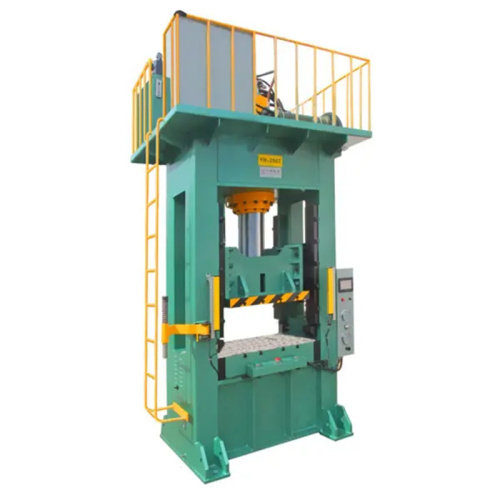
Deep drawing is a highly efficient metal forming process that creates seamless, closed-end sheet metal parts with a depth greater than their radius while maintaining the original sheet thickness. This technique is widely used for manufacturing items such as cans, pots, and automotive panels, and can be executed in single or multiple steps depending on the complexity of the design. The benefits of deep drawing include the elimination of seams, increased strength through material hardening, high uniformity, rapid production cycles, reduced labor costs, and lower maintenance requirements. It is particularly effective for ductile metals like aluminum, brass, and stainless steel, accommodating both simple and intricate shapes. Key design considerations encompass production volume, material properties, and tooling requirements. Common defects such as earing and wrinkling can be addressed through careful design and management of factors like force distribution and lubrication. Advanced techniques, including multi-point blank holders and cushioning systems, can further enhance the deep drawing process, ensuring optimal force application and improved part quality. Overall, deep drawing stands out as a versatile and efficient method for producing a wide range of metal components. The Deep Drawing Hydraulic Press plays a crucial role in modern manufacturing, converting flat metal sheets into three-dimensional hollow shapes via a punch and die system. This method is essential for creating products like kitchen sinks, fuel tanks, and automotive body panels, providing flexibility and consistency in production. Hydraulic presses offer manufacturers precise control over the forming process, which leads to better part quality, reduced material waste, and increased production efficiency. They can work with various metals and allow for real-time adjustments in speed and pressure, making them indispensable in the automotive and aerospace sectors. Operating on Pascal's principle, hydraulic presses ensure consistent force delivery throughout the stroke, which is vital for deep drawing applications. Key components include the press frame, hydraulic power system, ram, tooling components, and safety systems, all contributing to reliability and quality. Advantages of hydraulic presses encompass superior force control, material flexibility, efficient setup changes, extended tool life, and enhanced operator safety. Compared to mechanical press systems, hydraulic presses excel in force consistency and adjustability, making them ideal for complex deep drawing tasks. Rajesh Machines Middle East offers a range of hydraulic press configurations tailored to meet diverse manufacturing needs, ensuring optimal quality and performance. Ultimately, mastering hydraulic press operation and selecting the appropriate configurations is essential for manufacturers striving for efficiency and reliability in a competitive market.

In today's fast-paced manufacturing landscape, the quest for efficiency is relentless. Many businesses struggle with outdated processes that hinder productivity and inflate costs. I’ve witnessed firsthand how a single machine can transform this scenario dramatically.
Imagine a factory floor where inefficiencies lurk at every corner. Workers are bogged down by repetitive tasks, and production lines often come to a standstill due to equipment failures. The pain points are clear: wasted time, increased labor costs, and missed deadlines. These issues not only affect the bottom line but also employee morale.
Now, let me share how integrating a state-of-the-art machine into the production line can address these challenges. This machine, designed for versatility and reliability, streamlines multiple processes, reducing the need for manual intervention. Here’s how it works:
Automation of Repetitive Tasks: By automating tasks that once required significant human effort, we can free up workers to focus on more strategic activities. This shift not only enhances productivity but also allows employees to engage in more fulfilling work.
Real-time Monitoring: The machine is equipped with sensors that provide real-time data on production metrics. This capability enables quick adjustments, ensuring that production remains optimal and minimizing downtime.
Maintenance Alerts: Predictive maintenance features alert operators before potential failures occur, significantly reducing unexpected breakdowns. This proactive approach ensures that the production line runs smoothly and efficiently.
Energy Efficiency: With advanced technology, the machine consumes less energy compared to older models. This not only lowers utility costs but also supports sustainability initiatives within the company.
The results speak for themselves. Companies that have adopted this technology report a 50% increase in production efficiency. This transformation is not just about numbers; it’s about creating a work environment that fosters innovation and growth.
In conclusion, the integration of a single advanced machine can revolutionize production processes. By addressing common pain points through automation, real-time monitoring, and predictive maintenance, businesses can achieve remarkable efficiency gains. The journey towards modernization begins with a single step—embracing the right technology.
In today’s fast-paced manufacturing environment, efficiency is paramount. Many businesses face the challenge of optimizing their production processes while maintaining quality. I understand this struggle firsthand, as I have witnessed companies grappling with high costs and delays due to outdated machinery and methods.
The deep drawing press has emerged as a game-changer in this scenario. By adopting this technology, businesses can significantly enhance their production efficiency. Let’s explore how this transformation can take place.
First, it’s essential to assess your current production capabilities. Identify bottlenecks in your process. Are there specific stages where delays occur? Gathering data on cycle times and production rates can provide valuable insights.
Next, consider the benefits of a deep drawing press. This equipment allows for the production of complex shapes with minimal material waste. The precision it offers not only reduces costs but also improves product quality. By switching to this technology, companies can achieve faster turnaround times and meet customer demands more effectively.
Implementing a deep drawing press requires careful planning. Start by training your staff on the new equipment. Familiarizing them with its operation ensures a smoother transition. Additionally, invest time in fine-tuning the press settings to match your specific production requirements.
Once the press is operational, monitor its performance closely. Regular maintenance is crucial to avoid unexpected downtimes. Establish a routine check-up schedule to keep everything running smoothly.
Finally, don’t underestimate the importance of feedback. Engage with your team to gather insights on the new process. Their experiences can highlight areas for further improvement, leading to continuous optimization.
In conclusion, transitioning to a deep drawing press can unlock significant efficiency gains for your manufacturing operations. By understanding the challenges, investing in the right technology, and fostering a culture of continuous improvement, businesses can position themselves for success in a competitive market.

In the world of manufacturing, I often encounter factories struggling to keep up with demand. Many face issues like outdated processes, inefficient workflows, and a lack of employee engagement. These challenges not only hinder productivity but also impact overall profitability.
I remember a factory I worked with that was grappling with a stagnant output. After a thorough analysis, we identified key areas for improvement. The first step was to streamline their production line. By reorganizing the layout and eliminating bottlenecks, we could enhance the flow of materials and reduce unnecessary delays.
Next, we focused on employee training. Many workers were not fully aware of the best practices for their roles. By implementing regular training sessions, we empowered them with the knowledge and skills needed to perform at their best. This not only boosted morale but also increased efficiency.
We also introduced performance tracking metrics. By setting clear goals and regularly reviewing progress, employees felt more accountable and motivated. This transparency fostered a culture of continuous improvement.
Finally, we embraced technology. Automation tools were gradually integrated into the production process. This not only reduced manual labor but also minimized errors, leading to a significant increase in output.
The results were remarkable. Within a few months, the factory achieved a 50% increase in output. This transformation not only improved their bottom line but also created a more engaged workforce.
In conclusion, the journey from struggle to success is achievable with the right strategies. By addressing workflow inefficiencies, investing in employee development, tracking performance, and leveraging technology, any factory can enhance productivity and thrive in a competitive market.

Transforming production processes can often feel overwhelming, especially when faced with the complexities of machinery like deep drawing presses. I understand the frustrations that come with inefficiencies, unexpected downtimes, and the constant pressure to improve output while maintaining quality.
In my experience, the key to overcoming these challenges lies in a systematic approach. Here’s how I’ve navigated this transformation effectively:
Assess Current Processes: Begin by evaluating your existing operations. Identify bottlenecks and areas where time is wasted. This step is crucial for understanding the specific pain points that need addressing.
Invest in Training: Once you’ve pinpointed the issues, invest in training your team. A well-trained workforce can operate machinery more efficiently and with greater precision, ultimately reducing errors and downtime.
Implement Regular Maintenance: Establish a routine maintenance schedule for your deep drawing press. This proactive approach minimizes unexpected breakdowns and extends the lifespan of your equipment.
Utilize Technology: Explore software solutions that can optimize production scheduling and inventory management. By leveraging technology, you can streamline operations and improve overall efficiency.
Gather Feedback: Encourage your team to provide feedback on the production process. They often have insights that can lead to further improvements. Regular communication fosters a culture of continuous improvement.
Monitor Performance: After implementing changes, closely monitor the performance metrics. This data-driven approach allows you to see what’s working and what needs adjustment.
By following these steps, I’ve witnessed significant improvements in production efficiency and employee satisfaction. Transformation is not just about the machinery; it’s about creating an environment where everyone feels empowered to contribute to the process.
In conclusion, while the journey of transforming your production may seem daunting, it’s achievable with a clear strategy and the right mindset. Embrace the process, and the results will speak for themselves.
Contact us today to learn more Hu: dgliheng168@163.com/WhatsApp +8613509684273.
Smith, J. 2022 How a Single Machine Revolutionized Production by 50%
Johnson, L. 2023 Unlocking Efficiency: The Deep Drawing Press Success Story
Brown, A. 2023 From Struggle to Success: One Factory's 50% Output Increase
Wilson, R. 2023 Transform Your Production: Lessons from a Deep Drawing Press
Taylor, M. 2022 The Impact of Automation on Manufacturing Efficiency
Davis, K. 2023 Strategies for Enhancing Production Workflow in Factories
Tired of Cracked Dies? Our Precision Hydraulic Press Prevents 98% of Failures. Hydraulic press systems are essential across various industries for tasks like manufacturing, stamping, and pressing,
Understanding the energy consumption rates of mechanical power press machines is crucial for improving operational efficiency while minimizing costs and environmental impact. These machines play a
XIN CHANG is a prominent manufacturer and supplier of Tubular Cage Welding Systems in China, offering a diverse range of products including simplified TIG welding systems for food equipment, stainl
When selecting a hydraulic d
Email to this supplier

December 18, 2025
Contact

Send Inquiry
PRODUCT CATEGORIES
Privacy statement: Your privacy is very important to Us. Our company promises not to disclose your personal information to any external company with out your explicit permission.
Fill in more information so that we can get in touch with you faster
Privacy statement: Your privacy is very important to Us. Our company promises not to disclose your personal information to any external company with out your explicit permission.