


Send Message
Privacy statement: Your privacy is very important to Us. Our company promises not to disclose your personal information to any external company with out your explicit permission.

The cost of IT downtime can significantly impact a business's bottom line, and it can be calculated using the formula: (Hourly payroll of affected staff + Lost revenue per hour) × Hours offline + Recovery/rework + Customer impact. For example, a three-hour outage affecting 40 staff with an average payroll of $45 per hour and lost revenue of $3,200 per hour results in a direct cost of $15,000, excluding additional recovery and customer credits. To effectively manage and reduce downtime costs, businesses should gather relevant inputs, perform calculations for each incident, and track their downtime over 30 days to identify trends and leaks. Proactive measures, such as setting response time targets, conducting monthly backup tests, and addressing recurring issues, are essential. If downtime costs exceed IT support expenses, it indicates a need for a shift toward zero-downtime IT services that focus on prevention and resilience. Businesses must also monitor their IT provider's performance, as rising downtime, slow response times, and unpredictable invoices can erode profits. An effective approach includes establishing clear uptime targets, understanding the implications of different uptime percentages, and choosing managed IT services that emphasize proactive support over reactive models. By implementing these strategies, businesses can reduce downtime, enhance productivity, and ensure predictable IT costs.


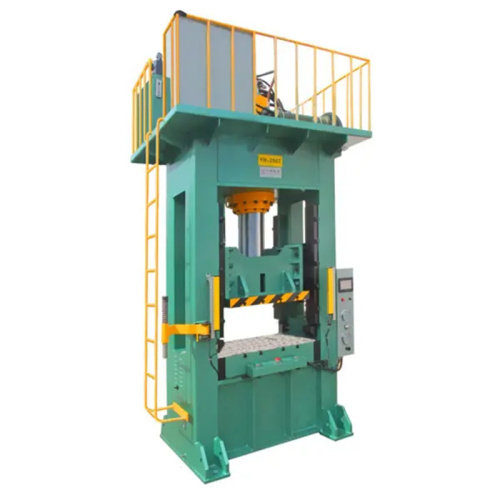
Is your C-Type press draining your budget? If you’re experiencing unexpected costs and inefficiencies, you’re not alone. Many businesses struggle with the financial burden that comes with maintaining outdated or inefficient printing equipment.
I understand the frustration that comes from watching your expenses rise while your output remains stagnant. You might be asking yourself: Why is my C-Type press costing so much, and how can I turn this around?
Let’s break down the issues and explore practical solutions.
Identifying the Problems
First, consider the age of your C-Type press. Older machines often require more maintenance, leading to higher operational costs. Additionally, if your press is not optimized for current printing standards, it can result in wasted materials and time.
Next, evaluate your workflow. Are your processes streamlined? Bottlenecks in production can lead to delays and increased labor costs.
Lastly, think about your supply chain. Are you sourcing materials at the best prices? Inefficient procurement can add hidden costs to your operations.
Taking Action
Assess Your Equipment: Regularly review the performance of your C-Type press. If it’s consistently underperforming, it might be time for an upgrade. Newer models often come with enhanced features that can improve efficiency.
Streamline Your Workflow: Map out your production process to identify any bottlenecks. Implementing lean manufacturing principles can help reduce waste and improve efficiency.
Optimize Your Supply Chain: Negotiate with suppliers to ensure you’re getting the best prices for your materials. Consider bulk purchasing or exploring alternative suppliers to lower costs.
Invest in Training: Ensure your staff is well-trained in operating the press and managing workflows. A knowledgeable team can significantly reduce errors and improve productivity.
Conclusion
By taking these steps, you can begin to alleviate the financial strain caused by your C-Type press. It’s essential to regularly assess your equipment, streamline processes, and optimize your supply chain. Remember, small changes can lead to significant savings.
If you find yourself in a similar situation, take a moment to reflect on these strategies. Your budget and business will thank you.
Every year, businesses lose significant revenue due to downtime. I’ve seen it happen too often—companies like yours could be losing up to $20,000 annually just because of unexpected outages. This isn't just a statistic; it's a real pain point that affects productivity, morale, and ultimately, your bottom line.
So, what can we do about it? Here’s a straightforward approach to tackle downtime effectively:
Identify Vulnerabilities: Start by assessing your current systems. Look for areas that are prone to failure. Is it your servers? Your network? Understanding where your weaknesses lie is the first step in prevention.
Implement Regular Maintenance: Schedule routine checks and maintenance for your equipment. This proactive measure can catch potential issues before they escalate into costly downtime.
Invest in Reliable Technology: Sometimes, the solution lies in upgrading your technology. Whether it’s software or hardware, investing in reliable systems can drastically reduce the likelihood of outages.
Create a Response Plan: Develop a clear plan for how to respond when downtime does occur. This should include communication strategies with your team and clients, as well as steps to quickly resolve the issue.
Monitor Performance: Use monitoring tools to keep an eye on your systems. Real-time alerts can help you address issues before they lead to significant downtime.
By following these steps, you can significantly reduce the risk of downtime and protect your revenue. Remember, every minute your systems are down is money lost. Taking action now can save you thousands in the long run.
In conclusion, addressing downtime is not just about fixing problems as they arise; it’s about creating a resilient system that supports your business goals. Don’t let downtime drain your resources—take control and safeguard your profits.

I often hear from users struggling with their C-type presses. The frustration is palpable—machines that should enhance productivity instead become sources of headaches. These issues can lead to costly downtime, affecting both output and morale.
Let’s break down the common problems and how to address them effectively.
Identifying the Problems
First, it’s essential to pinpoint what’s going wrong. Common issues include inconsistent print quality, misalignment, and mechanical failures. Each of these can stem from various sources, such as outdated components, improper maintenance, or even operator error.
Step-by-Step Solutions
Regular Maintenance: Schedule routine checks to ensure all parts are functioning correctly. This includes cleaning, lubricating, and replacing worn components. A well-maintained machine is less likely to encounter issues.
Operator Training: Ensure that everyone operating the press understands its functions and limitations. Proper training can prevent many common mistakes that lead to problems.
Quality Materials: Use high-quality inks and substrates. Poor materials can contribute to print defects and machine strain, leading to more frequent breakdowns.
Calibration: Regularly calibrate the press to ensure that it operates within the specified parameters. This can help maintain print quality and reduce the risk of misalignment.
Seek Professional Help: If problems persist despite your efforts, don’t hesitate to consult a professional technician. They can provide insights and solutions that may not be immediately obvious.
Final Thoughts
Addressing C-type press problems doesn’t have to be daunting. By following these steps, you can minimize downtime and enhance productivity. Remember, a proactive approach to maintenance and training can save you time and money in the long run. Let’s keep those presses running smoothly!

In today’s fast-paced production environment, costly press downtime can significantly impact your bottom line. I understand the frustration that comes with unexpected halts in operations. It’s not just about lost time; it’s about lost revenue, disrupted schedules, and the stress that follows.
To tackle this issue, I’ve identified several key strategies that can help minimize press downtime and keep your operations running smoothly:
Regular Maintenance: Implementing a routine maintenance schedule is crucial. By regularly checking and servicing your equipment, you can catch potential issues before they escalate into costly breakdowns.
Training Staff: Ensuring that your team is well-trained in operating and troubleshooting machinery can make a significant difference. A knowledgeable staff can quickly address minor issues, preventing them from becoming major problems.
Investing in Quality Equipment: Sometimes, the root cause of downtime is outdated or low-quality machinery. Investing in reliable, high-performance equipment can reduce the frequency of breakdowns and improve overall efficiency.
Monitoring Performance: Utilizing technology to monitor equipment performance can provide real-time data. This allows you to make informed decisions and take proactive measures when performance dips.
Creating a Contingency Plan: Having a plan in place for unexpected downtime can mitigate losses. Identify backup resources and develop protocols for quick recovery to minimize disruption.
By implementing these strategies, I’ve seen businesses significantly reduce their press downtime, leading to increased productivity and profitability. It’s about creating a proactive approach rather than a reactive one.
In conclusion, addressing press downtime requires a multifaceted approach. With regular maintenance, staff training, quality investments, performance monitoring, and a solid contingency plan, you can say goodbye to costly interruptions and hello to a more efficient operation.

When it comes to operating a C-Type press, I understand the frustration that can arise from unexpected breakdowns and maintenance issues. These problems not only disrupt production but also lead to increased costs and lost time. I’ve been there, and I know how crucial it is to keep your press running smoothly.
To address these challenges, let’s break down the steps you can take to fix your C-Type press effectively.
Identify the Issue
Start by diagnosing the problem. Is it a mechanical failure, electrical issue, or a problem with the software? Take a moment to assess the symptoms. Listen for unusual noises, check for error messages, and inspect the press for any visible damage. This initial assessment will guide your next steps.
Gather Necessary Tools and Parts
Once you’ve pinpointed the issue, gather the tools and replacement parts you’ll need. This could include wrenches, screwdrivers, lubricants, or specific components that may need replacing. Having everything on hand will streamline the repair process and reduce downtime.
Follow Repair Procedures
Refer to the manufacturer’s manual for detailed repair procedures specific to your C-Type press. If you don’t have the manual, consider looking for online resources or forums where other users share their experiences. Following established protocols ensures that repairs are done correctly and safely.
Test the Press
After completing the repairs, it’s time to test the press. Run a few trial prints to ensure everything is functioning as it should. Pay attention to the quality of the prints and listen for any irregular sounds. This step is crucial to confirm that the issue has been resolved.
Implement Preventative Maintenance
To avoid future problems, establish a routine maintenance schedule. Regularly check the press for wear and tear, clean components, and lubricate moving parts. This proactive approach can save you time and money in the long run.
In conclusion, fixing your C-Type press doesn’t have to be a daunting task. By identifying the issue, gathering the right tools, following repair procedures, testing the press, and implementing preventative maintenance, you can keep your press in optimal condition. Remember, a well-maintained press not only enhances productivity but also extends the lifespan of your equipment.

In today's fast-paced business environment, downtime can be a significant threat to profitability. I understand the frustration that comes when operations come to a halt, affecting not just revenue but also customer trust. Many of us have experienced the ripple effects of unexpected outages, leading to lost sales and diminished brand reputation.
So, how can we tackle this issue effectively? Here are some practical steps to minimize downtime and protect your profits:
Invest in Reliable Technology: Ensure that your systems and equipment are up to date. Regular maintenance can prevent unexpected failures. Consider upgrading to more reliable hardware or software solutions that offer better performance and support.
Implement a Contingency Plan: Having a plan in place for unexpected outages is crucial. This includes backup systems, alternative suppliers, and communication strategies to keep your customers informed during disruptions.
Train Your Team: Equip your staff with the knowledge to respond quickly to issues. Regular training sessions can help them identify problems early and take corrective actions before they escalate.
Monitor Performance Continuously: Utilize monitoring tools to keep an eye on system performance. This proactive approach allows you to detect potential issues before they lead to downtime, ensuring smooth operations.
Review and Adjust Regularly: After any downtime incident, take the time to review what went wrong and how it was handled. Learning from these experiences can help refine your strategies and make your business more resilient.
By taking these steps, you can significantly reduce the risk of downtime and its impact on your profits. Remember, the goal is not just to react to problems but to anticipate and prevent them. With a proactive approach, you can safeguard your business and maintain a strong relationship with your customers.
For any inquiries regarding the content of this article, please contact Hu: dgliheng168@163.com/WhatsApp +8613509684273.
Author Unknown, 2023, Is Your C-Type Press Draining Your Budget
Author Unknown, 2023, Stop Losing $20k a Year on Downtime
Author Unknown, 2023, Time to Fix Your C-Type Press Problems
Author Unknown, 2023, Say Goodbye to Costly Press Downtime
Author Unknown, 2023, Unlock Savings: Fix Your C-Type Press Today
Author Unknown, 2023, Don’t Let Downtime Ruin Your Profits
The C-Type Fin Press Line is a high-speed, precision machine specifically designed for stamping fins used in heat exchanger coils, which are crucial for efficient heat transfer across various indus
The Lenovo ThinkSystem SR680a V4 is a powerful 8U server engineered for high-performance applications, especially in the field of Generative AI. It is equipped with dual Intel Xeon 6 processors and
MongoDB showcases how Kiwi AI utilizes its platform to automate unstructured work, which can potentially recover 40-60% of the workday often consumed by busy work. This automation empowers teams to
The C-Type Hydraulic Press by Azman Metal boasts a sturdy steel frame construction, designed to deliver exceptional performance across a range of industrial applications. It comes equipped with sta
Email to this supplier
Contact

Send Inquiry
PRODUCT CATEGORIES
Privacy statement: Your privacy is very important to Us. Our company promises not to disclose your personal information to any external company with out your explicit permission.
Fill in more information so that we can get in touch with you faster
Privacy statement: Your privacy is very important to Us. Our company promises not to disclose your personal information to any external company with out your explicit permission.