


Send Message
Privacy statement: Your privacy is very important to Us. Our company promises not to disclose your personal information to any external company with out your explicit permission.

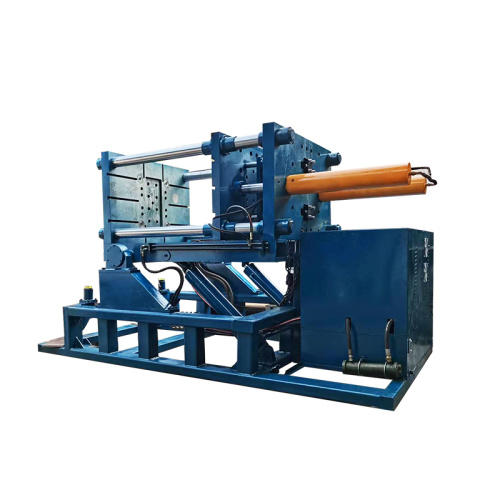
Are you still losing over 30% of your materials due to outdated casting methods? It's time to rethink your process. The innovative rotary table machine is designed to significantly cut waste by up to 65%, helping you maximize efficiency and reduce costs. Imagine the impact on your bottom line when you minimize scrap and enhance productivity. Don’t let outdated techniques hold you back; embrace the future of casting technology. Is your process ready for an upgrade? Make the switch today and start reaping the benefits of improved manufacturing efficiency.


Are you tired of watching your profits dwindle by over 30% due to scrap loss? I understand the frustration that comes with seeing valuable materials go to waste. As someone who has navigated this challenge, I want to share a solution that can help you reclaim those lost resources and boost your bottom line.
First, let’s identify the core issue: inefficient scrap management. Many businesses overlook the importance of tracking and optimizing scrap processes, leading to significant financial losses. By addressing this, you can start turning those losses into gains.
Here’s a step-by-step approach to tackle scrap loss effectively:
Assess Your Current Scrap Management: Take a close look at how scrap is currently handled in your operations. Identify where the most significant losses occur. This might involve reviewing processes, employee training, and equipment used.
Implement Tracking Systems: Utilize technology to monitor scrap generation in real-time. This can include software solutions that provide insights into where and how much scrap is produced, allowing for better decision-making.
Optimize Processes: Once you have data, analyze it to find inefficiencies. Are there specific stages in production that create more scrap? Streamlining these processes can significantly reduce waste.
Train Your Team: Educating your staff on best practices for minimizing scrap can lead to a culture of efficiency. Regular training sessions can help everyone understand the impact of their actions on scrap generation.
Explore Recycling Options: Investigate local recycling facilities or partnerships that can help you recycle scrap materials. Not only does this reduce waste, but it can also provide an additional revenue stream.
Review Regularly: Make scrap management a regular part of your operational reviews. Continuously assess and adapt your strategies to ensure you are minimizing losses effectively.
By implementing these strategies, I have seen businesses reclaim a significant portion of their losses, often exceeding the initial 30% they were losing. It's not just about cutting costs; it's about creating a more sustainable and efficient operation.
In conclusion, tackling scrap loss is not just beneficial—it's essential for maintaining a healthy profit margin. By taking proactive steps and fostering a culture of efficiency, you can turn your scrap challenges into opportunities for growth. Don’t let waste dictate your success; take control today!
In today’s fast-paced industrial environment, waste management has become a pressing concern for many businesses. The challenge of reducing waste while maintaining productivity can be daunting. I understand this struggle, as I have faced similar issues in my own operations. That’s why I want to share how our Rotary Table Machine can help you cut your waste by an impressive 65%.
Imagine the impact of significantly reducing waste on your bottom line. Less waste means lower disposal costs and a more efficient production process. Our Rotary Table Machine is designed to optimize your workflow, allowing you to streamline operations and enhance overall efficiency.
Here’s how it works:
Efficient Design: The Rotary Table Machine features a compact design that maximizes space utilization. This means you can fit it into your existing setup without major modifications.
Precision Processing: It operates with high precision, ensuring that materials are used effectively. This reduces excess waste generated during production.
User-Friendly Interface: The machine is equipped with an intuitive interface, making it easy for your team to operate. This minimizes training time and helps your staff adapt quickly.
Durability and Reliability: Built with robust materials, our machine is designed to withstand the rigors of daily use. This reliability means you spend less time on maintenance and more time on productive tasks.
Cost-Effective Solution: By reducing waste, you not only save on disposal fees but also enhance your material usage, leading to overall cost savings.
As I have seen in various case studies, companies that have implemented our Rotary Table Machine have reported a significant decrease in waste and an increase in operational efficiency. One client, for example, managed to reduce their waste output by 65% within just three months of installation.
In conclusion, if you’re looking to tackle waste management challenges head-on, consider the benefits of our Rotary Table Machine. By investing in this technology, you can transform your operations, cut costs, and contribute to a more sustainable future. Let’s take the first step towards a more efficient and waste-free production process together.
Is your casting process costing you more than it should?
As someone deeply involved in the casting industry, I often encounter businesses that struggle with their casting processes. Many of them are unaware of how inefficiencies can lead to increased costs and wasted resources.
Let’s break down the common pain points:
Lack of Clear Communication: Miscommunication between teams can lead to mistakes in casting specifications. I’ve seen projects delayed because the production team didn’t fully understand the designer’s vision. To address this, establish a clear communication channel. Regular meetings can ensure everyone is on the same page.
Inefficient Resource Allocation: Many companies fail to optimize their resources. For instance, overstaffing during the casting phase can inflate labor costs. I recommend analyzing your workflow to identify peak times and adjusting staffing accordingly. This can help reduce unnecessary expenses.
Inadequate Training: Employees who are not well-trained in the casting process may make costly errors. Investing in training programs can significantly improve the quality of work and reduce mistakes. I’ve seen businesses thrive after implementing comprehensive training sessions for their teams.
Neglecting Technology: Some businesses still rely on outdated methods for casting. Utilizing modern software can streamline the process and enhance accuracy. I suggest exploring tools that can automate certain tasks, saving both time and money.
Ignoring Feedback: Feedback from previous projects can provide valuable insights. I always encourage teams to review past casting experiences and learn from them. This practice not only fosters improvement but also helps in avoiding similar pitfalls in future projects.
In conclusion, examining and refining your casting process can lead to significant cost savings. By focusing on communication, resource allocation, training, technology, and feedback, you can create a more efficient workflow. Remember, small changes can lead to substantial improvements. Take the time to assess your current practices and implement these strategies to ensure your casting process is as cost-effective as possible.

In today’s competitive market, the pressure to optimize production processes is more intense than ever. As I reflect on my experiences, I recognize that many businesses struggle with excessive scrap and inefficiencies, which directly impact their bottom line. This issue not only leads to wasted resources but also diminishes profitability.
To tackle this challenge, I have identified several key strategies that can significantly reduce scrap and enhance profits.
First, it’s essential to conduct a thorough analysis of the current production processes. By examining each step, I can pinpoint where waste occurs. This could involve reviewing machinery settings, material usage, and employee training. For instance, I once worked with a manufacturer who discovered that minor adjustments to machine calibration could cut scrap by 15%.
Next, implementing a robust quality control system is crucial. This ensures that defects are caught early in the production process rather than at the end. I recommend establishing checkpoints where quality is assessed, allowing for immediate corrections. A client of mine improved their product quality and reduced returns by 20% through this method.
Moreover, investing in employee training can yield substantial benefits. When workers are well-informed about best practices and the importance of minimizing waste, they become more engaged in the process. I’ve seen firsthand how a simple workshop can transform a team’s approach to production, leading to a noticeable decline in scrap.
Finally, leveraging technology can streamline operations. Software solutions that monitor production metrics in real time can help identify inefficiencies instantly. For example, a company I consulted for utilized data analytics to optimize their supply chain, resulting in a 30% reduction in material waste.
In summary, by analyzing production processes, enhancing quality control, investing in training, and utilizing technology, businesses can effectively reduce scrap and boost profits. These steps not only lead to financial gains but also foster a culture of continuous improvement. Embracing these changes can transform production and secure a more profitable future.

In today's fast-paced world, sticking to outdated methods can hinder progress and productivity. I understand the frustration that comes with inefficient processes. Many of us have experienced the drag of traditional approaches that consume time and resources without delivering results.
The good news is that embracing efficiency is within reach. Here’s how I tackled this challenge:
Identify the Pain Points: I took a step back to analyze what wasn’t working. Whether it was redundant tasks or communication delays, recognizing these issues was the first step toward improvement.
Research Modern Solutions: I explored various tools and strategies designed to streamline workflows. From project management software to automation tools, these resources can significantly reduce manual effort and enhance collaboration.
Implement Changes Gradually: Instead of overhauling everything at once, I started with small changes. This approach allowed me to test new methods without overwhelming my team. For instance, I introduced a digital task board that improved visibility on project statuses.
Gather Feedback: I made it a point to regularly check in with my team. Their insights were invaluable in refining our processes. Open communication helped us adapt and adjust as needed.
Measure Results: After implementing new strategies, I tracked our progress. This involved comparing productivity levels and assessing team satisfaction. The improvements were evident, and it motivated everyone to continue embracing change.
By shifting away from old methods and adopting efficient practices, I’ve seen tangible benefits in both productivity and morale. The transition may seem daunting, but with careful planning and execution, it is entirely achievable.
Embrace efficiency today and watch your workflows transform for the better!

Are you tired of the inefficiencies in your casting process? I understand how frustrating it can be when delays and complications arise, impacting your overall productivity and profitability. Let’s explore how we can transform your casting operations into a streamlined and effective process.
First, let’s identify the key pain points. Many businesses face challenges such as inconsistent quality, long lead times, and high production costs. These issues not only hinder your output but can also lead to dissatisfied customers.
To tackle these problems, I propose a systematic approach:
Assess Your Current Process: Take a close look at each step of your casting process. Identify bottlenecks and areas where errors frequently occur.
Invest in Technology: Consider integrating advanced casting technologies. Automation can significantly reduce human error and improve precision.
Train Your Team: Ensure that your staff is well-trained in new processes and technologies. A knowledgeable team is crucial for maintaining quality and efficiency.
Monitor and Adjust: Implement a system for continuous monitoring of your casting operations. Regularly analyze performance data to make informed adjustments.
By following these steps, you can revolutionize your casting process, leading to improved quality and reduced costs.
In conclusion, transforming your casting operations is not just about adopting new technologies; it’s about creating a culture of continuous improvement. Embrace these changes, and you’ll see a significant impact on your business outcomes. Let’s take this journey together and elevate your casting process to new heights.
We welcome your inquiries: dgliheng168@163.com/WhatsApp +8613509684273.
Author Unknown, 2023, Tired of Losing 30%+ in Scrap Discover the Solution
Author Unknown, 2023, Cut Your Waste by 65% with Our Rotary Table Machine
Author Unknown, 2023, Is Your Casting Process Costing You More Than It Should
Author Unknown, 2023, Transform Your Production Reduce Scrap and Boost Profits
Author Unknown, 2023, Say Goodbye to Old Methods Embrace Efficiency Today
Author Unknown, 2023, Ready to Revolutionize Your Casting Process Let’s Talk
Recurring dreams often center on feelings of unpreparedness, such as missing Shabbat for observant Jews or forgetting homework. While many attribute these dreams to fear, a deeper look suggests the
Chapter 4 delves into various studies and analyses concerning climate change mitigation and development pathways, particularly in the near- to mid-term context. It underscores the reasons behind mi
The discussion centers on the valuable role of rotary tables in machining applications. Users highlight their effectiveness for various tasks, such as drilling precise bolt patterns, milling cylind
A foundry executive recently shared that their company achieved significant savings of $210,000 per year after implementing a strategic operational switch. This impressive figure prompts an importa
Email to this supplier
Contact

Send Inquiry
PRODUCT CATEGORIES
Privacy statement: Your privacy is very important to Us. Our company promises not to disclose your personal information to any external company with out your explicit permission.
Fill in more information so that we can get in touch with you faster
Privacy statement: Your privacy is very important to Us. Our company promises not to disclose your personal information to any external company with out your explicit permission.