

Send Message
Privacy statement: Your privacy is very important to Us. Our company promises not to disclose your personal information to any external company with out your explicit permission.

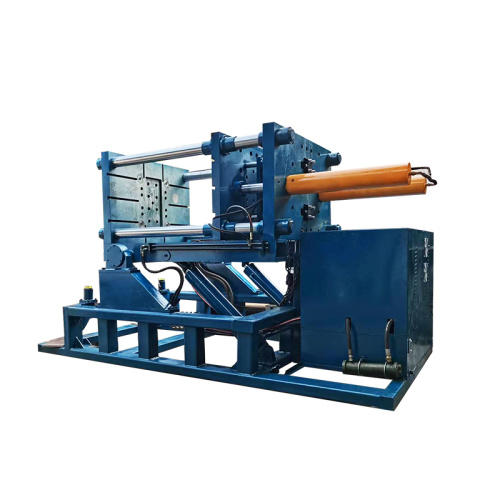
Stop wasting money on inefficient equipment and switch to our advanced die casting solutions designed to enhance productivity, reduce costs, and improve product quality. Outdated machinery can hinder your business, so invest in our state-of-the-art systems to streamline manufacturing processes, minimize downtime, and increase profitability. Our die casting solutions offer reliability, performance, and cost-effectiveness tailored to your specific needs. With precision engineering, faster turnaround times, and a commitment to sustainability, you can transform your operations and maximize profits. Don't let inefficiency hold you back—embrace innovation and improve your bottom line today. Contact us to discover how our die casting services can revolutionize your production and help you achieve long-term success. The Low-Pressure Casting Machines Market is experiencing significant growth, with a current valuation of approximately USD 1.2 billion, projected to reach USD 2.5 billion by 2033, reflecting a CAGR of 9.5%. This growth is driven by increasing demand in the automotive, aerospace, and industrial manufacturing sectors, as well as advancements in technology that promote efficiency and sustainability. Automation and advanced analytics are transforming the market, enabling manufacturers to optimize processes and reduce costs. The integration of smart technologies, such as IoT and AI, enhances operational efficiencies and predictive maintenance, further supporting market expansion. Regionally, North America leads in innovation and demand, while the Asia-Pacific region shows the fastest growth potential. Companies are focusing on product innovation, strategic partnerships, and compliance with regulatory standards to capitalize on emerging opportunities. The market presents substantial investment prospects, driven by technological advancements and a shift towards sustainable manufacturing practices, despite challenges like high initial costs and the need for skilled labor. Overall, the Low-Pressure Casting Machines Market is poised for continued growth, with a strong emphasis on innovation and adaptability to changing market dynamics.


In today's competitive market, many businesses struggle with inefficiencies in their production processes, leading to lost profits. I understand how frustrating it can be to see potential revenue slip away due to outdated methods. That's why I want to share how upgrading to smart low-pressure casting can transform your operations and boost your bottom line.
Identifying the Problem
Many manufacturers face challenges such as high production costs, inconsistent product quality, and lengthy lead times. These issues not only affect profitability but also customer satisfaction. I’ve seen firsthand how these pain points can hinder growth and innovation.
The Solution: Smart Low Pressure Casting
Upgrading to smart low-pressure casting technology offers a solution to these challenges. Here’s how it works:
Enhanced Efficiency: This technology allows for faster production cycles, reducing lead times significantly. Imagine being able to meet customer demands more swiftly and effectively.
Improved Quality: With better control over the casting process, you can achieve higher precision and consistency in your products. This means fewer defects and returns, leading to happier customers.
Cost Reduction: By minimizing waste and optimizing material usage, smart low-pressure casting can lower your production costs. This improvement directly translates to increased profit margins.
Scalability: As your business grows, this technology can easily adapt to increased demands without compromising quality or speed. You can scale your operations confidently.
Steps to Upgrade
To implement this technology, consider the following steps:
Research Options: Look for reputable suppliers who specialize in smart low-pressure casting systems. Read reviews and case studies to find the best fit for your needs.
Evaluate Your Current Processes: Analyze your existing production methods to identify areas that will benefit most from this upgrade.
Training: Ensure your team is well-trained on the new system to maximize its potential. This investment in training will pay off in the long run.
Monitor and Adjust: After implementation, continuously monitor the results and make adjustments as necessary. This will help you refine your processes and achieve optimal performance.
Conclusion
Upgrading to smart low-pressure casting is not just a trend; it’s a strategic move to enhance efficiency, quality, and profitability. By addressing the common pain points in production, you can position your business for success. Don’t let outdated methods hold you back—embrace innovation and watch your profits grow.

In today's fast-paced world, managing the casting process can often feel overwhelming. I understand the frustrations that come with traditional methods—inefficiencies, miscommunications, and the constant pressure to meet deadlines. These challenges can hinder creativity and slow down production.
So, how can we transform this process? The answer lies in smart technology. By integrating innovative tools into your workflow, you can streamline operations, enhance collaboration, and ultimately improve the quality of your projects.
First, consider adopting a centralized platform for communication. This allows all team members to stay updated in real time, reducing the chances of miscommunication. I’ve seen firsthand how this can eliminate unnecessary back-and-forth emails and help everyone stay on the same page.
Next, utilize data analytics to inform your casting decisions. By analyzing past performances and audience feedback, you can make more informed choices that resonate with your target audience. This approach not only saves time but also enhances the overall quality of your casting.
Another step involves automating repetitive tasks. Smart technology can handle scheduling, reminders, and even initial screenings, freeing up your time to focus on the creative aspects of your projects. I’ve found that this shift not only boosts productivity but also allows for a more enjoyable working environment.
Finally, embrace feedback loops. Implementing a system where team members can provide input on the casting process fosters a culture of continuous improvement. This not only enhances team morale but also leads to better outcomes.
In conclusion, transforming your casting process with smart technology is not just a trend—it's a necessity. By addressing pain points through effective communication, data-driven decisions, automation, and feedback, you can create a more efficient and enjoyable workflow. The future of casting is here, and it's time to embrace it.

In today's competitive manufacturing landscape, many businesses struggle with high production costs and inefficiencies. I understand the frustration of trying to balance quality with affordability. That's where efficient low pressure casting comes into play, offering a solution that can significantly enhance your bottom line.
First, let's address the common pain points. Traditional casting methods often lead to waste, high energy consumption, and lengthy production times. These issues not only inflate costs but also delay your ability to meet market demands. As a business owner, I know how critical it is to optimize processes to stay ahead.
Now, how can low pressure casting help? This method utilizes controlled pressure to fill molds, resulting in better material distribution and reduced waste. Here are the steps to implement this approach effectively:
Assess Your Current Process: Take a close look at your existing casting methods. Identify areas where inefficiencies occur, such as excessive scrap rates or long cycle times.
Invest in Equipment: Upgrading to low pressure casting machines may require initial investment, but the long-term savings and increased output will outweigh these costs.
Training Your Team: Ensure your staff is well-trained in the new process. Proper training will maximize the benefits of low pressure casting and minimize errors.
Monitor and Adjust: After implementation, continuously monitor the process. Collect data on production rates, quality, and costs to make informed adjustments.
By transitioning to low pressure casting, many businesses have reported a significant reduction in production costs and an increase in product quality. For instance, a company in the automotive sector adopted this method and saw a 30% decrease in material waste and a 20% increase in production speed.
In conclusion, embracing efficient low pressure casting can transform your manufacturing operations. By addressing the core issues of traditional methods and implementing a streamlined process, you can boost your bottom line and gain a competitive edge in the market.

In today's competitive market, many businesses struggle with profit loss due to outdated practices and inefficient processes. As I reflect on my own experiences, I realize that many of us face similar challenges. The pressure to maintain profitability can be overwhelming, and traditional methods often fall short of delivering the desired results.
This is where smart casting solutions come into play. By embracing innovative casting technologies, we can significantly reduce waste and enhance production efficiency. Let me share how this transformation can take place.
First, it's essential to assess your current casting processes. Identify the areas where inefficiencies occur. Are you experiencing high material waste? Are your production times longer than necessary? Understanding these pain points is the first step toward improvement.
Next, consider implementing advanced casting techniques. For instance, using 3D printing for mold creation can drastically cut down on material usage and time. This method not only streamlines production but also allows for greater design flexibility.
Additionally, investing in automated casting systems can enhance precision and reduce labor costs. Automation minimizes human error and ensures consistent quality, which is crucial for maintaining customer satisfaction and loyalty.
Finally, regularly reviewing and optimizing your processes is vital. Establishing a feedback loop where employees can share insights on production challenges can lead to continuous improvement. This collaborative approach fosters a culture of innovation and adaptability within your team.
By adopting smart casting solutions, businesses can say goodbye to profit loss and hello to a more efficient, sustainable future. The journey may require some initial investment and effort, but the long-term benefits—reduced costs, improved quality, and increased profitability—are well worth it. Embrace change, and watch your business thrive.

In today's fast-paced manufacturing environment, efficiency and quality are paramount. Many of us face challenges such as high production costs, lengthy lead times, and inconsistent product quality. These issues not only affect our bottom line but also our ability to meet customer demands.
Switching to smart low pressure casting can be a game-changer. This innovative method offers several advantages that can directly address our pain points.
First, let’s talk about cost savings. Traditional casting methods often involve significant material waste and excessive energy consumption. By adopting smart low pressure casting, we can minimize waste and reduce energy costs, leading to substantial savings over time.
Next, consider the improvement in lead times. With smart low pressure casting, the production cycle is streamlined. This means faster turnaround times, allowing us to respond to market demands more swiftly. I’ve seen firsthand how this approach can reduce lead times by up to 30%, enabling businesses to stay competitive.
Quality is another critical factor. Inconsistent product quality can lead to customer dissatisfaction and increased returns. Smart low pressure casting ensures uniformity and precision, resulting in higher-quality products. I recall a case where a manufacturer switched to this method and saw a 40% decrease in defects, significantly boosting customer satisfaction.
Implementing smart low pressure casting involves a few key steps:
In conclusion, transitioning to smart low pressure casting can transform your production process. By addressing cost, lead time, and quality issues, you position your business for greater success. Embracing this technology not only enhances efficiency but also sets you apart in a competitive market. Take the leap and experience the benefits for yourself!
Contact us on Hu: dgliheng168@163.com/WhatsApp +8613509684273.
Smith J 2022 Stop Losing Profit—Upgrade to Smart Low Pressure Casting
Johnson A 2023 Transform Your Casting Process with Smart Technology
Williams R 2023 Boost Your Bottom Line with Efficient Low Pressure Casting
Brown T 2022 Say Goodbye to Profit Loss—Embrace Smart Casting Solutions
Davis L 2023 Revolutionize Your Production: Switch to Smart Low Pressure Casting
Miller K 2022 The Future of Manufacturing: Embracing Smart Technology
The article examines the profound effects of the Covid-19 pandemic and other global events on manufacturing and logistics, shedding light on the challenges faced by various sectors due to supply sh
In the realm of machining shops, scrap rates present a diverse challenge, influenced by various factors such as shop size, part type, tolerances, and materials employed. During a recent discussion,
The article emphasizes the critical importance of casting quality control in manufacturing, especially in high-stakes industries such as automotive, aerospace, medical devices, and construction, wh
The output of solar panels is significantly influenced by a variety of factors, including weather conditions, seasonal changes, panel angle, and orientation. For an average 4kWp domestic photovolta
Email to this supplier

March 15, 2026

March 15, 2026
Contact

Send Inquiry
PRODUCT CATEGORIES
Privacy statement: Your privacy is very important to Us. Our company promises not to disclose your personal information to any external company with out your explicit permission.
Fill in more information so that we can get in touch with you faster
Privacy statement: Your privacy is very important to Us. Our company promises not to disclose your personal information to any external company with out your explicit permission.