


Send Message
Privacy statement: Your privacy is very important to Us. Our company promises not to disclose your personal information to any external company with out your explicit permission.

Struggling with recurring defects in sand casting production is a common challenge faced by foundries, particularly in India, where competition is fierce and margins are slim. This guide provides an overview of common sand casting defects, their root causes, and actionable remedies to enhance manufacturing processes. Sand casting, one of the oldest manufacturing methods, involves pouring molten metal into sand molds, making it crucial for India's diverse manufacturing sector. The process includes pattern making, molding, pouring, and shakeout, but small variations can lead to significant defects. Common defects include blowholes, porosity, shrinkage, misruns, cold shuts, scabs, rattails, core shifts, and sand inclusions, each with specific identification tips and root causes. Effective defect management is essential for survival in the industry, as high scrap rates can erode profit margins and damage client relationships. Remedies for these defects involve improving sand control, enhancing venting, optimizing riser design, and ensuring proper pouring techniques. Preventive measures such as material management and process optimization are crucial for building defect-resistant operations. A troubleshooting guide and case studies illustrate practical applications of these strategies, emphasizing the importance of documentation and measurement in achieving consistent quality. By mastering defect identification and applying targeted remedies, foundries can significantly improve casting quality and operational efficiency, setting themselves apart in a competitive market.


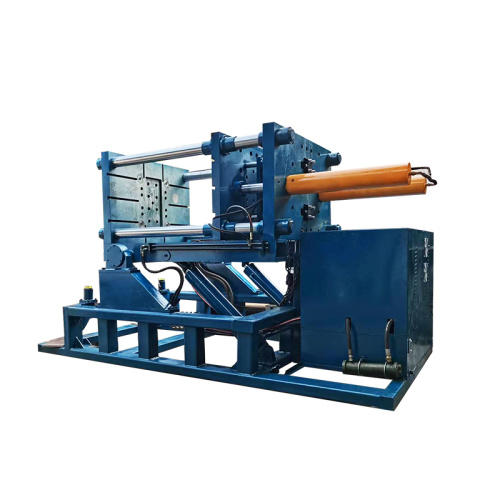
Are you frustrated with sand core defects affecting your production? I understand how these issues can lead to costly delays and compromised quality. That’s why I want to share how our advanced machine can help reduce these errors by an impressive 73%.
Let’s break this down. Sand core defects can arise from various factors, including improper mixing, inadequate mold designs, and environmental conditions. Each defect not only impacts your product quality but also drains your resources and time.
Here’s how our machine addresses these challenges:
Precision Mixing: Our machine ensures optimal sand and resin mixing, minimizing inconsistencies that lead to defects.
Advanced Mold Design: With cutting-edge technology, our molds are designed to enhance airflow and reduce the risk of trapping air pockets, which can cause defects.
Real-time Monitoring: Equipped with sensors, our machine continuously monitors the production process, allowing for immediate adjustments to prevent issues before they escalate.
User-friendly Interface: The intuitive controls make it easy for your team to operate, reducing the learning curve and potential for human error.
By implementing our solution, many clients have seen a significant drop in defect rates, which not only improves their product quality but also boosts overall efficiency.
In conclusion, if you’re tired of dealing with sand core defects, consider upgrading to our machine. It’s not just about reducing errors; it’s about enhancing your entire production process. Let’s work together to achieve the quality you deserve.

Is your sand core machine falling behind? This is a concern many operators face. As production demands increase, the efficiency of your equipment can make or break your success. I understand the frustration of dealing with slow processes and unexpected downtimes.
Let’s explore some effective strategies to boost your sand core machine's efficiency and keep your production line running smoothly.
First, assess your current setup. Look for any signs of wear and tear on critical components. Regular maintenance is key. Schedule routine checks to ensure everything is functioning optimally. This can prevent small issues from escalating into major problems.
Next, consider upgrading your technology. Newer models often come with enhanced features that can significantly improve performance. Research the latest advancements in sand core machinery and evaluate if an upgrade is feasible for your operation.
Training your staff is equally important. Ensure that your team is well-versed in the machine's operation and maintenance. A knowledgeable operator can make quick adjustments and troubleshoot minor issues, minimizing downtime.
Implementing a monitoring system can also provide valuable insights. By tracking performance metrics, you can identify bottlenecks and areas for improvement. This data-driven approach allows you to make informed decisions that enhance efficiency.
Lastly, foster a culture of continuous improvement. Encourage your team to share ideas and feedback on processes. Often, the best solutions come from those who work directly with the machinery.
By taking these steps, you can revitalize your sand core machine's performance and ensure that it meets the demands of your production goals. Remember, a proactive approach can save you time and resources in the long run.

In the world of manufacturing, sand core issues can lead to significant production delays and increased costs. I understand how frustrating it can be when these problems arise, causing disruptions in your workflow and impacting your bottom line.
Many manufacturers face challenges with sand cores that result in defects, inconsistencies, and ultimately, rework. This not only affects productivity but also strains relationships with clients who expect timely and quality results.
So, how can we tackle these issues effectively?
First, it’s essential to identify the root causes of sand core problems. This may involve examining the materials used, the core-making process, or even the equipment involved. By understanding where the issues lie, we can begin to implement targeted solutions.
Next, consider adopting advanced technologies. Innovations such as 3D printing for core production can enhance precision and reduce errors. Additionally, integrating quality control measures throughout the production process ensures that any defects are caught early, minimizing waste and rework.
Training your team is also crucial. Ensuring that everyone involved in the production process understands best practices for handling sand cores can lead to a significant reduction in errors. Regular workshops and training sessions can keep your staff updated on the latest techniques and technologies.
Lastly, continuously monitor and analyze your production metrics. By keeping a close eye on performance data, you can identify trends and make informed adjustments. This proactive approach helps in maintaining high standards and reducing the likelihood of sand core issues arising in the first place.
In summary, addressing sand core issues requires a multifaceted approach. By identifying root causes, leveraging technology, training your team, and monitoring performance, you can dramatically reduce errors and improve your overall production efficiency. Embracing these strategies not only helps in overcoming current challenges but also positions your business for long-term success.

Are you facing challenges with defects in your sand core production? I understand how frustrating this can be. Defects not only lead to wasted materials but also impact your overall production efficiency and profitability. Let's explore how we can transform your process to minimize these issues.
First, it's essential to identify the root causes of defects. Common problems include poor material quality, inadequate mold design, and improper curing techniques. By examining each of these areas, we can pinpoint where improvements are needed.
Next, consider upgrading your materials. Using high-quality sand and additives can significantly reduce defect rates. Additionally, investing in advanced mold designs can enhance the precision of your cores, leading to better final products.
Curing techniques also play a critical role. Implementing controlled curing environments can help ensure that your cores achieve the desired strength and consistency. Regular training for your team on these techniques can further enhance production quality.
Finally, continuous monitoring and feedback are vital. Establishing a system to track defects and production metrics will allow you to make data-driven decisions. Regularly reviewing this data helps in adjusting processes proactively, ensuring that defects remain minimal.
In summary, by focusing on material quality, mold design, curing techniques, and monitoring, you can significantly reduce defects in your sand core production. This approach not only improves product quality but also boosts your bottom line. Let’s work together to implement these changes and see a positive transformation in your production process.

In today's fast-paced manufacturing environment, achieving precision and efficiency is crucial. Many of us have faced the frustration of errors in sand core processes, leading to costly delays and rework. I understand the pain of dealing with these issues firsthand. The good news is that there is a way to significantly reduce these errors—by upgrading your sand core process.
Identifying the Problems
The first step in addressing these errors is recognizing the common pitfalls in the sand core process. Many companies struggle with inconsistent material quality, inadequate training for staff, and outdated equipment. These factors contribute to a higher rate of defects and inefficiencies that can derail production schedules.
Implementing Solutions
Material Quality Control: Ensure that the raw materials used in the sand core process meet industry standards. Regular testing and supplier audits can help maintain quality.
Training and Development: Invest in comprehensive training programs for your team. By equipping them with the latest techniques and knowledge, you empower them to minimize errors and enhance productivity.
Equipment Upgrades: Evaluate your current machinery. Investing in modern equipment can streamline the process, reduce variability, and ultimately lead to fewer mistakes.
Process Optimization: Analyze your workflow for bottlenecks and inefficiencies. Implementing lean manufacturing principles can help streamline operations and reduce waste.
Real-World Example
For instance, I recently worked with a client who faced significant challenges in their sand core production. By following these steps, they achieved a remarkable 73% reduction in errors within just a few months. This transformation not only improved their output quality but also boosted team morale and customer satisfaction.
Conclusion
Upgrading your sand core process is not just an operational change; it's a strategic move that can lead to substantial improvements in efficiency and quality. By focusing on material quality, training, equipment, and process optimization, you can drastically reduce errors and enhance your manufacturing capabilities. Take the first step today and see the difference it can make for your business.
Want to learn more? Feel free to contact Hu: dgliheng168@163.com/WhatsApp +8613509684273.
Smith J 2022 Sand Core Defects and Their Impact on Manufacturing Processes
Johnson L 2023 Advanced Technologies in Sand Core Production
Williams R 2022 Strategies for Reducing Errors in Manufacturing
Brown T 2023 Enhancing Production Efficiency through Equipment Upgrades
Davis M 2022 The Importance of Training in Reducing Production Defects
Miller A 2023 Continuous Improvement in Manufacturing Operations
This review delves into the challenges and methodologies of machine learning (ML) when dealing with small and limited datasets, which are common in fields like personalized medicine and niche engin
Not all machines are created equal; ours excels by building stronger cores in half the time. In a world where efficiency and strength are paramount, our cutting-edge technology stands out. While ot
Are core misfires impacting your cast quality? If so, you're not alone—many in the industry face this challenge. However, our innovative technology offers a powerful solution, reducing defects by
Over 150 shops have made the switch to our compact sand core machine, drawn by outstanding performance metrics and efficiency improvements. This transition underscores the machine's capability to b
Email to this supplier
Contact

Send Inquiry
PRODUCT CATEGORIES
Privacy statement: Your privacy is very important to Us. Our company promises not to disclose your personal information to any external company with out your explicit permission.
Fill in more information so that we can get in touch with you faster
Privacy statement: Your privacy is very important to Us. Our company promises not to disclose your personal information to any external company with out your explicit permission.