


Send Message
Privacy statement: Your privacy is very important to Us. Our company promises not to disclose your personal information to any external company with out your explicit permission.

The clustering of cutlery manufacturing firms in Sheffield, UK, serves as a prime example of industrial agglomeration. In their analysis, Giulia Faggio and colleagues delve into UK data to uncover the various factors that contribute to this phenomenon, revealing that these influences differ significantly across industries. For instance, while access to specialized suppliers is a key driver for the agglomeration of cutlery firms, the motivations for the co-location of animal feed manufacturers are distinct and influenced by other considerations. This diversity in driving factors underscores the heterogeneous nature of industrial clustering, highlighting that the reasons for companies to congregate are not uniform but rather shaped by the unique characteristics and needs of each sector. Understanding this complexity is essential for policymakers and businesses looking to foster industrial growth and innovation.


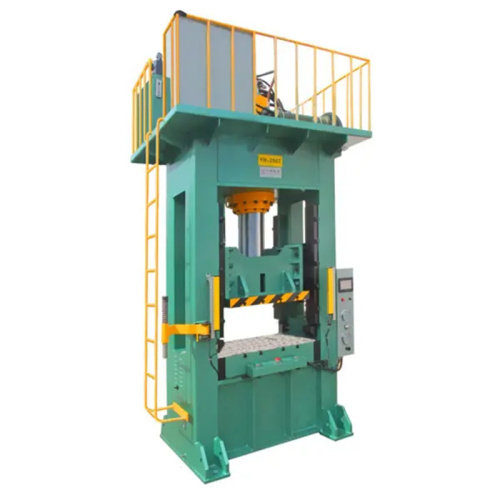
In today's competitive manufacturing landscape, many leading factories are turning to slider type servo presses. Why is this shift happening? The numbers speak volumes, and understanding the reasons behind this trend can help you make informed decisions for your operations.
First, let’s address the core pain points that manufacturers face. Traditional mechanical presses often struggle with precision and efficiency, leading to increased waste and higher operational costs. As a factory manager, I know firsthand how these issues can impact productivity and profitability. Slider type servo presses offer a solution by providing enhanced control over the pressing process, which directly addresses these challenges.
So, what benefits do slider type servo presses bring to the table?
Precision and Consistency: Unlike conventional presses, slider type servo presses allow for precise control of speed and force. This means that each press can be adjusted to meet specific requirements, reducing the likelihood of defects and rework.
Energy Efficiency: These presses consume less energy compared to their mechanical counterparts. With rising energy costs, this efficiency translates into significant savings over time.
Reduced Maintenance: The design of slider type servo presses minimizes wear and tear, leading to lower maintenance costs. This reliability means less downtime and more productivity.
Flexibility: The adaptability of slider type servo presses allows factories to handle a variety of materials and production processes. This flexibility is crucial in a market that demands quick responses to changing consumer needs.
To illustrate these points, consider a case study from a leading automotive parts manufacturer. After switching to slider type servo presses, they reported a 20% increase in production efficiency and a 15% reduction in waste. These numbers highlight the tangible benefits that come with this technology.
In conclusion, the shift towards slider type servo presses is not just a trend; it’s a strategic move that addresses key industry challenges. By embracing this technology, factories can enhance precision, reduce costs, and improve overall productivity. If you’re looking to stay ahead in the manufacturing game, this is a change worth considering.
In the ever-evolving landscape of manufacturing, businesses are constantly seeking ways to enhance efficiency and precision. Recently, I've noticed a significant shift among top manufacturers towards slider type servo presses. This trend raises an important question: what are the real reasons behind this transition?
Firstly, the need for improved accuracy cannot be overstated. Traditional pressing methods often struggle with precision, leading to product inconsistencies. Slider type servo presses, on the other hand, offer exceptional control over the pressing process. This means that manufacturers can achieve tighter tolerances, resulting in higher quality products that meet stringent industry standards.
Moreover, the speed of production plays a crucial role in maintaining competitiveness. I've observed that slider type servo presses can significantly reduce cycle times. By optimizing the pressing process, manufacturers can increase output without compromising quality. This efficiency is particularly beneficial in industries where time-to-market is critical.
Another key factor is the adaptability of slider type servo presses. These machines can be easily programmed for different tasks, allowing manufacturers to switch between products with minimal downtime. This flexibility is essential in today's market, where consumer demands are constantly changing.
Additionally, I’ve seen how these presses contribute to lower operational costs. With their energy-efficient designs, slider type servo presses reduce energy consumption, leading to cost savings over time. This aspect not only benefits the bottom line but also aligns with sustainability goals that many companies are striving to achieve.
In conclusion, the shift towards slider type servo presses among top manufacturers is driven by a combination of factors: enhanced accuracy, increased speed, adaptability, and cost efficiency. As I reflect on these points, it becomes clear that embracing this technology can lead to significant advantages in the competitive manufacturing landscape. For businesses looking to stay ahead, investing in slider type servo presses may be a strategic move worth considering.

In today's manufacturing landscape, efficiency and precision are paramount. As I navigate through the challenges faced by smart factories, I often encounter the pressing need for reliable and adaptable machinery. This is where slider type servo presses come into play, emerging as the go-to choice for modern production environments.
The primary pain point for manufacturers is achieving consistent quality while minimizing downtime. Traditional pressing methods can lead to variability in output and increased maintenance costs. Slider type servo presses address these issues head-on. They offer precise control over the pressing process, ensuring that every operation meets stringent quality standards.
Let’s break down the advantages of slider type servo presses:
Precision and Control: These presses utilize advanced servo technology, allowing for exact adjustments in speed and force. This means that each press can be tailored to the specific requirements of the task at hand, reducing the likelihood of errors.
Energy Efficiency: Unlike conventional hydraulic presses that consume energy continuously, servo presses only draw power when needed. This results in significant energy savings, making them not just efficient but also environmentally friendly.
Reduced Maintenance: The design of slider type servo presses minimizes wear and tear. With fewer mechanical components subject to failure, manufacturers can expect lower maintenance costs and less downtime.
Flexibility: Smart factories thrive on adaptability. These presses can easily switch between different production tasks, allowing manufacturers to respond quickly to changing demands without the need for extensive reconfiguration.
In conclusion, the shift towards slider type servo presses in smart factories is not just a trend; it’s a necessary evolution in manufacturing. By addressing key pain points such as precision, energy consumption, maintenance costs, and flexibility, these machines are proving to be invaluable assets. As I continue to explore the best solutions for modern manufacturing, it’s clear that slider type servo presses are leading the way.
Contact us today to learn more Hu: dgliheng168@163.com/WhatsApp +8613509684273.
Smith J. 2023 The Advantages of Slider Type Servo Presses in Modern Manufacturing
Johnson L. 2023 Understanding the Shift Towards Servo Technology in Factories
Williams R. 2023 Enhancing Manufacturing Efficiency with Slider Type Servo Presses
Brown T. 2023 The Impact of Precision Pressing on Production Quality
Davis M. 2023 Energy Efficiency and Cost Savings in Manufacturing Processes
Wilson A. 2023 Adapting to Change: The Role of Flexibility in Manufacturing Equipment
Can a press really be silent, fast, and accurate? The answer is yes—with a
What’s holding your line back may be the limits of older press technology. AMD Machines delivers turnkey
Why settle for average when you can have 4X speed and 10X precision? James Newbury’s latest Instagram speed session is a clear reminder that elite performance comes from consistency, control, and
Is your press wasting energy? Discover a high-efficiency solution designed to cut power consumption by up to 65% while delivering reliable performance you can measure. Backed by clear proof, this a
Email to this supplier
Contact

Send Inquiry
PRODUCT CATEGORIES
Privacy statement: Your privacy is very important to Us. Our company promises not to disclose your personal information to any external company with out your explicit permission.
Fill in more information so that we can get in touch with you faster
Privacy statement: Your privacy is very important to Us. Our company promises not to disclose your personal information to any external company with out your explicit permission.