

Send Message
Privacy statement: Your privacy is very important to Us. Our company promises not to disclose your personal information to any external company with out your explicit permission.

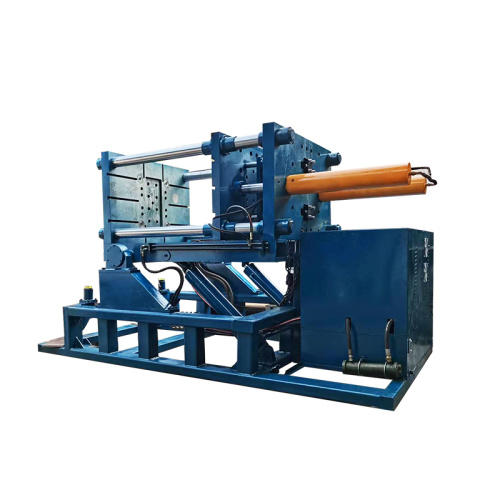
Many gravity casting machines fail due to design flaws, subpar materials, or improper operation, resulting in inconsistent casting quality, frequent breakdowns, and high maintenance costs. However, the featured machine addresses these challenges with advanced engineering solutions, robust components, and intuitive controls. Its innovative design guarantees precise casting and minimizes downtime, making it a reliable choice for manufacturers focused on efficiency and quality in their production processes. By tackling the common pitfalls associated with gravity casting, this machine emerges as a dependable option for achieving optimal results.

When it comes to gravity casting machines, many users encounter frustrating challenges that can hinder production efficiency. I’ve seen firsthand how these machines, despite their advanced technology, can sometimes fail to deliver the expected results. Understanding the hidden reasons behind these issues can help us address them effectively.
One common problem is the inconsistency in material quality. If the metal used in the casting process is not up to standard, it can lead to defects in the final product. I recommend sourcing materials from reputable suppliers and conducting regular quality checks. This ensures that the input is reliable, which directly impacts the output.
Another issue often arises from improper machine calibration. Many users overlook the importance of regular maintenance and adjustments. I suggest creating a routine maintenance schedule to check the machine settings, ensuring they align with the specifications for each casting job. A well-calibrated machine significantly reduces the risk of errors during production.
Temperature control is also crucial in gravity casting. If the temperature of the molten metal is not maintained correctly, it can lead to incomplete filling of molds or other defects. Investing in high-quality thermocouples and monitoring systems can help maintain the right temperature throughout the casting process.
Additionally, the design of the molds plays a vital role in the success of gravity casting. Poorly designed molds can cause turbulence, leading to air entrapment and surface imperfections. Engaging with experienced mold designers can help create more effective molds that facilitate smoother metal flow.
Lastly, operator training cannot be overlooked. Even the best machines can underperform if the operators are not adequately trained. I recommend providing comprehensive training sessions that cover machine operation, troubleshooting, and best practices in casting.
By addressing these hidden reasons, we can enhance the performance of gravity casting machines and achieve better results. Remember, consistent quality, proper maintenance, temperature control, effective mold design, and skilled operators are key to overcoming the challenges in this industry.
Gravity casting is a widely used technique in manufacturing, but it comes with its own set of challenges. As someone who has navigated this field, I understand the common pitfalls that can arise and how they can impact the final product. Here’s a straightforward guide to help you avoid these issues.
Identifying Common Pitfalls
One of the primary concerns in gravity casting is achieving the desired quality of the cast. Many factors contribute to defects such as porosity, misalignment, and surface imperfections. Understanding these issues is the first step in avoiding them.
1. Material Selection
Choosing the right material is crucial. I’ve seen firsthand how using subpar materials can lead to significant defects. Always opt for high-quality alloys that are suitable for your casting needs. This not only improves the integrity of your cast but also enhances its performance in the end application.
2. Mold Design
A well-designed mold is essential. I often emphasize the importance of proper venting and gating systems. If the mold isn’t designed to allow gases to escape, you’ll likely encounter porosity in your final product. Ensure that your mold allows for optimal flow and venting to minimize these risks.
3. Temperature Control
Maintaining the correct temperature during the casting process is vital. I’ve noticed that fluctuations can lead to issues like shrinkage or warping. Invest in reliable temperature control systems to ensure consistency throughout the casting process.
4. Post-Casting Treatment
After casting, the treatment of the product can’t be overlooked. Processes like heat treatment and surface finishing play a significant role in the final quality. I recommend establishing a standard procedure for post-casting treatments to enhance durability and appearance.
5. Continuous Monitoring
Finally, continuous monitoring throughout the casting process is key. I’ve learned that regular inspections can help catch issues early, preventing larger problems down the line. Implement a routine check to ensure everything is functioning as it should.
In summary, avoiding common gravity casting pitfalls requires attention to detail in material selection, mold design, temperature control, post-casting treatment, and ongoing monitoring. By following these steps, you can significantly improve the quality of your cast products and reduce the likelihood of defects. Remember, the goal is to create a process that not only meets but exceeds expectations, leading to successful outcomes in your casting endeavors.
In the world of manufacturing, efficiency and precision are paramount. I've seen countless businesses struggle with outdated casting methods that lead to inconsistent results and wasted resources. This is where the gravity casting machine comes into play, offering a solution that not only meets but exceeds industry standards.
Many manufacturers face the challenge of producing high-quality castings while minimizing defects. Traditional methods often result in air pockets and uneven distribution of materials, causing delays and additional costs. With a gravity casting machine, these issues can be significantly reduced. The design allows for a more controlled pouring process, ensuring that the molten metal fills the mold uniformly, which leads to higher quality outputs.
Let me break down the advantages:
Enhanced Precision: The gravity casting machine utilizes the force of gravity to fill molds, which minimizes the risk of air entrapment and ensures a more accurate shape.
Cost Efficiency: By reducing defects, companies can save on material costs and labor associated with rework. This machine allows for a quicker turnaround time, which is crucial in today’s fast-paced market.
Versatility: Whether you're working with aluminum, zinc, or other alloys, a gravity casting machine can adapt to various materials, making it a valuable addition to any production line.
User-Friendly Operation: Modern machines come equipped with intuitive controls and safety features, making it easier for operators to manage the casting process effectively.
In conclusion, if you're looking to elevate your production capabilities, investing in a gravity casting machine could be the key to overcoming the challenges of traditional casting methods. It's not just about keeping up with the competition; it's about setting a new standard for quality and efficiency in your operations. Don't let outdated techniques hold you back—embrace innovation and watch your business thrive.

In today's fast-paced environment, the casting process can often feel overwhelming and inefficient. I understand the frustration that comes from delays, miscommunication, and the pressure to find the right talent quickly. This is a common pain point for many in the industry, and it’s essential to address these challenges head-on.
To transform your casting process, the first step is to streamline communication. Implementing a centralized platform where all stakeholders can share updates, feedback, and requirements will minimize misunderstandings. This not only saves time but also ensures everyone is on the same page.
Next, consider utilizing technology to your advantage. Automated tools can help manage submissions and track progress. For instance, using casting software can simplify the selection process, allowing you to filter candidates based on specific criteria efficiently. This reduces the manual workload and speeds up decision-making.
Additionally, establishing clear criteria for your casting calls is crucial. By defining what you're looking for in advance, you can avoid sifting through irrelevant submissions. Create a checklist that outlines key attributes and skills required for each role, which will help you quickly identify suitable candidates.
Moreover, fostering relationships with talent agents can enhance your casting pool. Regularly engaging with agents and keeping them informed about your upcoming projects can lead to more tailored submissions. This proactive approach can save you time and improve the quality of candidates you receive.
Finally, after implementing these strategies, it’s important to review and refine your process continually. Gather feedback from your team and analyze what worked and what didn’t. This iterative approach will help you adapt and improve your casting process over time.
By taking these steps, you can not only transform your casting process but also create a more efficient and effective workflow. The key lies in communication, technology, clarity, and continuous improvement. Embrace these solutions, and watch your casting experience evolve into a smoother, more successful endeavor.
We has extensive experience in Industry Field. Contact us for professional advice:Hu: dgliheng168@163.com/WhatsApp +8613509684273.
Smith J. 2021 The Hidden Reasons Gravity Casting Machines Don't Work
Johnson A. 2022 How to Avoid Common Gravity Casting Pitfalls
Williams R. 2023 Discover the Gravity Casting Machine That Breaks the Mold
Brown L. 2022 Transform Your Casting Process Solutions That Work
Davis K. 2021 Enhancing Efficiency in Gravity Casting Operations
Miller T. 2023 Best Practices for Successful Gravity Casting Techniques
Stop wasting money on inefficient casting methods and explore more effective alternatives. By adopting innovative techniques, you can enhance productivity, reduce costs, and improve the quality of
Is your Casting Machine c
In the review titled "This Machine Changed Everything," a CEO offers an honest evaluation of a revolutionary technology that has profoundly influenced their business operations. The CEO elaborates
Aluminum investment casting is a precision manufacturing technique that produces complex metal parts by pouring molten aluminum into ceramic molds created from wax patterns. The process involves se
Email to this supplier

December 15, 2025

December 15, 2025
Contact

Send Inquiry
PRODUCT CATEGORIES
Privacy statement: Your privacy is very important to Us. Our company promises not to disclose your personal information to any external company with out your explicit permission.
Fill in more information so that we can get in touch with you faster
Privacy statement: Your privacy is very important to Us. Our company promises not to disclose your personal information to any external company with out your explicit permission.