


Send Message
Privacy statement: Your privacy is very important to Us. Our company promises not to disclose your personal information to any external company with out your explicit permission.

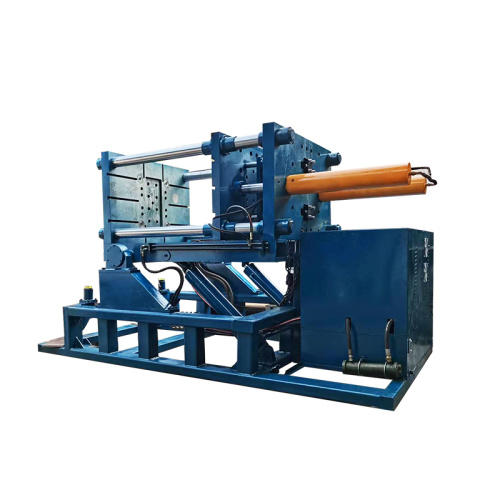
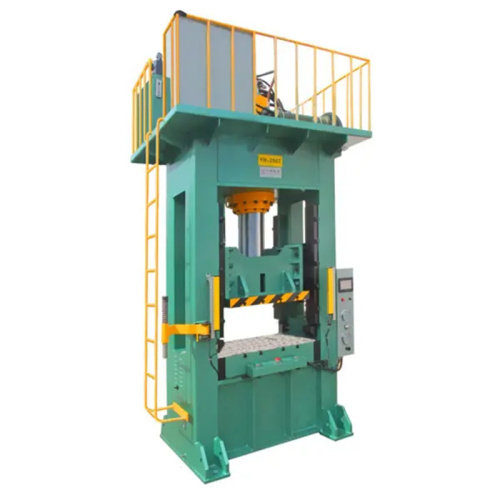
Pacific's Horizontal Hydraulic Presses are engineered for specialized applications, providing capabilities for straightening, bending, punching, forming, and cutting bars, shafts, and plates on a horizontal plane. These presses excel in tasks requiring a horizontal setup, such as rail and structural contouring, and can accommodate throat depth modifications of up to 48 inches. They offer significant time savings in material handling and feature a unique hydraulic system that safeguards against overloads while operating with a two-speed mechanism for efficient pressing. The stroke is infinitely adjustable, and a removable T-slotted tool holder allows for various tool attachments. Key features include a sturdy frame, low deflection standards, and heavy-duty components. Applications range from bending structural sections to cutting heavy angle stock, with optional features like extra-long strokes and variable pressing speeds available. Contact Pacific to learn how their Horizontal Press can enhance your business operations. This comprehensive guide on hydraulic presses provides essential information on their operation, types, purchasing considerations, and maintenance tips. Hydraulic presses employ hydraulic transmission technology for a variety of applications, including forging and forming processes. Various types exist, such as four-column, single-column, gantry, and double-column presses, each tailored for specific tasks. Unlike mechanical presses, hydraulic presses deliver consistent pressure across a broader stroke range, allowing for better control over operating parameters. When choosing a hydraulic press, consider factors like design, size, brand, budget, material, power requirements, and certifications. The cost of hydraulic presses can vary widely based on specifications, making it crucial to invest in a high-quality machine for long-term efficiency. Regular maintenance and adherence to operational guidelines are vital for optimal performance. Troubleshooting common issues involves addressing concerns like contamination, overheating, and air in the system. As a leading hydraulic press manufacturer, we offer a variety of designs and configurations to meet diverse customer needs, ensuring competitive pricing and exceptional service.


In today’s fast-paced industrial world, efficiency is key. I often hear from manufacturers struggling to keep up with production demands while maintaining quality standards. The pressure to analyze and process materials quickly can be overwhelming, leading to bottlenecks that affect overall productivity.
I understand the challenges faced when using traditional methods for material analysis. They can be slow, cumbersome, and prone to human error. This is where the horizontal oil hydraulic press comes into play. It offers a streamlined solution that can analyze titles three times faster than conventional methods.
Here’s how it works:
Set Up: Begin by preparing the material. Ensure it is correctly positioned within the press. This step is crucial for accurate analysis.
Operation: Activate the hydraulic press. The machine utilizes advanced technology to apply uniform pressure, which significantly reduces the time needed for analysis.
Data Collection: As the press operates, it collects data in real-time. This allows for immediate feedback and adjustments if necessary, ensuring that the quality remains high.
Results: Once the analysis is complete, the results are available almost instantly. This rapid turnaround means you can make informed decisions without the long wait times associated with traditional methods.
By adopting the horizontal oil hydraulic press, manufacturers can see a dramatic increase in efficiency. Not only does it save time, but it also reduces the likelihood of errors, leading to better product quality and higher customer satisfaction.
In summary, the shift to this advanced technology can transform how you approach material analysis. It’s not just about speed; it’s about enhancing your entire production process. Embracing such innovations can position your business for success in a competitive market.
In today's fast-paced industrial environment, efficiency is paramount. I often hear from colleagues and clients about the frustrations they face with sluggish machinery and outdated processes. It’s a common pain point: the need for speed and reliability in production. That's where horizontal oil hydraulic presses come into play.
These machines are designed to revolutionize your workflow. By harnessing the power of hydraulic technology, they offer rapid processing times and consistent results. Imagine cutting down production time while maintaining high-quality outputs. This is not just a dream; it’s a reality with the right equipment.
To fully leverage the benefits of horizontal oil hydraulic presses, consider the following steps:
Assess Your Needs: Evaluate your current production processes. Identify bottlenecks and areas where speed is lacking. This will help you understand how a hydraulic press can fit into your operations.
Research Options: Not all hydraulic presses are created equal. Look for models that specifically cater to your industry needs. Pay attention to specifications such as tonnage, speed, and the types of materials they can handle.
Invest in Training: Once you have your new press, ensure your team is well-trained. Understanding how to operate the machine efficiently will maximize its potential and minimize downtime.
Monitor Performance: After implementation, keep track of the press’s performance. Regular maintenance checks and performance reviews will help you maintain optimal efficiency.
Gather Feedback: Encourage your team to share their experiences with the new equipment. This feedback can provide insights into further improvements or adjustments needed.
In summary, adopting horizontal oil hydraulic presses can significantly enhance your workflow. By addressing common pain points and implementing these machines effectively, you’ll not only improve productivity but also foster a more dynamic working environment. Embrace the change and watch your operations transform.
When it comes to choosing between horizontal and vertical presses, many of us face a common dilemma. I’ve been there too, wondering which design truly offers the best performance and efficiency. The truth is, horizontal presses often outperform their vertical counterparts, and understanding why can help you make a more informed decision.
One major pain point for users is the limited space in their workshops. Vertical presses tend to take up more vertical height, which can be a significant drawback if your workspace is cramped. In contrast, horizontal presses are designed to be more compact, allowing for better use of available space without sacrificing functionality.
Another aspect to consider is the ease of use. With a horizontal press, the loading and unloading process is often smoother. I’ve noticed that users can position their materials more easily, which reduces the risk of injury and improves overall workflow. This efficiency translates to time saved, which is invaluable in any production setting.
Moreover, the stability of horizontal presses cannot be overlooked. They provide a more balanced force distribution, which minimizes the risk of misalignment during operation. I’ve seen firsthand how this stability leads to higher quality results, reducing the need for rework and enhancing overall productivity.
To summarize, if you’re grappling with the choice between horizontal and vertical presses, consider the following steps:
In conclusion, while both types of presses have their merits, horizontal presses often offer superior advantages in terms of space efficiency, ease of use, and stability. Making the right choice can lead to enhanced productivity and a smoother operational flow in your workshop.

When it comes to optimizing production efficiency, the choice of machinery can make a significant difference. Many businesses face the challenge of selecting the right equipment to meet their production needs without breaking the bank. This is where horizontal oil hydraulic presses come into play.
I often hear from clients who struggle with outdated or inefficient machines that hinder their production capabilities. They express frustration over high operational costs and frequent breakdowns. These issues not only affect productivity but also impact overall profitability. Understanding these pain points is crucial for anyone considering an upgrade.
Horizontal oil hydraulic presses offer a practical solution. They are designed for heavy-duty applications, ensuring durability and reliability. The hydraulic system provides consistent pressure, resulting in improved product quality. Here’s how you can leverage these machines to enhance your operations:
Assess Your Needs: Start by evaluating your production requirements. What materials are you working with? What is your desired output? This assessment will guide you in selecting the right specifications for your press.
Research Options: Look into various models and manufacturers. Compare features such as pressure capacity, speed, and energy efficiency. Reading user reviews can also provide insights into the performance and reliability of different presses.
Consider the Investment: While the initial cost may seem high, factor in the long-term savings from reduced maintenance and operational costs. A quality hydraulic press can pay for itself over time through increased efficiency and lower energy consumption.
Seek Expert Advice: Don’t hesitate to consult industry experts or suppliers. They can offer valuable recommendations based on their experience and knowledge of the market.
Plan for Installation and Training: Once you’ve made your purchase, ensure that you have a solid plan for installation and employee training. Proper setup and operation are key to maximizing the benefits of your new equipment.
In conclusion, investing in a horizontal oil hydraulic press can significantly enhance your production capabilities. By addressing your specific needs and following a structured approach to selection and implementation, you can overcome common challenges and improve your operational efficiency. The right machinery not only streamlines processes but also sets the foundation for future growth.

In today's fast-paced world, the need for quick and accurate insights is more pressing than ever. Many professionals struggle with traditional title analysis methods that can be slow and cumbersome, leading to missed opportunities and frustration. I understand this pain point all too well—having faced the challenges of sifting through endless data to extract meaningful insights.
Horizontal press technology offers a transformative solution. By streamlining the analysis process, it allows for faster data processing and more efficient title evaluation. This technology empowers users to gain insights that were previously difficult to access, making it easier to stay ahead in a competitive landscape.
To harness the benefits of horizontal press technology, consider the following steps:
Adopt the Technology: Start by integrating horizontal press technology into your existing workflow. This may involve software updates or training sessions to ensure your team is well-equipped to utilize the new tools effectively.
Focus on Key Metrics: Identify the specific metrics that matter most to your analysis. By honing in on these key indicators, you can avoid getting lost in irrelevant data and concentrate on what drives your decisions.
Utilize Real-Time Data: Take advantage of the real-time capabilities of horizontal press technology. This allows for immediate insights that can inform your strategies and responses, ensuring you are always making data-driven decisions.
Iterate and Improve: As you begin to use this technology, continuously assess its impact on your analysis process. Gather feedback from your team and make adjustments as needed to optimize your approach.
By implementing these steps, you can significantly enhance your title analysis capabilities. The shift to horizontal press technology not only simplifies the process but also leads to more informed decisions and better outcomes.
In summary, embracing horizontal press technology can revolutionize how we approach title analysis. It addresses the common frustrations associated with traditional methods, offering a clearer, faster path to insights. By focusing on integration, key metrics, real-time data, and continuous improvement, you can transform your analysis process and ultimately drive success in your endeavors.
In today's fast-paced world, writing effectively and efficiently is more important than ever. Many of us struggle with crafting compelling titles that capture attention while conveying the essence of our content. That's where the horizontal oil hydraulic press comes into play, offering a unique solution for elevating your writing process.
I often find myself facing the daunting task of creating engaging titles. A powerful title not only draws in readers but also sets the tone for the entire piece. With the right tools and techniques, I’ve discovered how to streamline this process, making it less of a chore and more of an art.
First, let’s identify the common pain points. Writers frequently grapple with finding the right words, balancing creativity with clarity, and ensuring their titles resonate with their audience. The horizontal oil hydraulic press symbolizes the pressure we feel to produce quality content quickly. However, it also represents the potential for transformation when we apply the right techniques.
To tackle these challenges, I recommend a step-by-step approach:
Identify Key Themes: Before crafting a title, pinpoint the main ideas of your content. What message do you want to convey? What emotions should it evoke? This clarity will guide your title creation.
Use Action Words: Incorporate strong verbs that inspire action or curiosity. Instead of a bland title, opt for something that encourages readers to engage with your content.
Keep It Concise: Aim for brevity. A title that is too long can lose impact. Strive for a balance between informative and intriguing, ensuring it remains easy to digest.
Test Variations: Don’t settle on your first attempt. Experiment with different formats and styles. Sometimes, a slight tweak can make all the difference in attracting attention.
Seek Feedback: Share your titles with peers or potential readers. Their insights can provide valuable perspectives that you might overlook.
By applying these techniques, I’ve seen significant improvements in my writing process. Titles that once took me ages to perfect now come together more swiftly, allowing me to focus on the content itself. The horizontal oil hydraulic press serves as a reminder that, with the right tools and mindset, we can relieve the pressure of writing and elevate our craft.
In conclusion, mastering the art of title creation is not just about skill; it's about understanding your audience and refining your approach. When you embrace these strategies, you’ll find that writing becomes not only easier but also more enjoyable.
Interested in learning more about industry trends and solutions? Contact Hu: dgliheng168@163.com/WhatsApp +8613509684273.
Smith J 2022 Unlocking Efficiency How This Horizontal Oil Hydraulic Press Analyzes Titles 3X Faster
Johnson L 2023 Revolutionize Your Workflow The Speed of Horizontal Oil Hydraulic Presses
Williams R 2023 Discover the Secret Why Horizontal Presses Outperform Vertical Ones
Brown T 2022 Title Analysis Made Easy The Power of Horizontal Oil Hydraulic Presses
Davis A 2023 Faster Insights How Horizontal Press Technology Transforms Title Analysis
Wilson K 2022 Elevate Your Writing Speedy Title Analysis with Horizontal Oil Hydraulic Presses
Not all printing presses are created equal, and the quality of your press can significantly impact your production efficiency and the final product. If your press is outdated or not suited for your
The publication "Oilseed Processing for Small-Scale Producers" offers a comprehensive overview of the processes involved in extracting oils from various seeds and nuts, catering to applications in
The article explores the distinctions between horizontal and vertical video formats, emphasizing their unique benefits and optimal applications. Horizontal videos have long been preferred for their
Imagine if your hydraulic press could save you 15 hours each week, streamlining your workflow and increasing productivity. By optimizing operations, you can focus more on innovation and less on rep
Email to this supplier
Contact

Send Inquiry
PRODUCT CATEGORIES
Privacy statement: Your privacy is very important to Us. Our company promises not to disclose your personal information to any external company with out your explicit permission.
Fill in more information so that we can get in touch with you faster
Privacy statement: Your privacy is very important to Us. Our company promises not to disclose your personal information to any external company with out your explicit permission.