


Send Message
Privacy statement: Your privacy is very important to Us. Our company promises not to disclose your personal information to any external company with out your explicit permission.

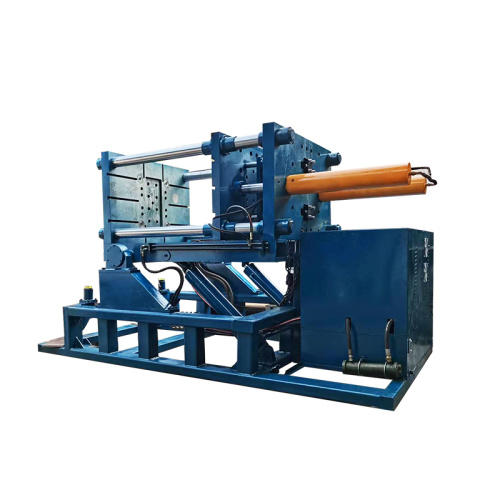
Connect with global suppliers for efficient waste composting solutions. The Quality Certification Composter is a robust industrial-grade machine designed for effective organic waste conversion. Made from corrosion-resistant steel with a conical base for easy material discharge, it operates at 380V for industrial reliability and comes with a 1-year warranty. This machine is ideal for farms, municipalities, and food processing plants, transforming organic waste into nutrient-rich fertilizer while minimizing environmental impact. It features adjustable processing capacity (2-5 tons/day), ensuring scalability for diverse needs, and offers customization options for coating types and conical base angles to enhance efficiency. With its design, the composter reduces downtime and enhances waste discharge, providing peace of mind for harsh conditions. Available models range from the Base Model, suitable for small farms with manual controls, to the Advanced Model for medium operations requiring semi-automation, and the Pro Model for industrial facilities with high-volume needs featuring fully automated systems and enhanced durability. Notable technical breakthroughs include a conical base design that reduces residual waste by 40%, a 380V motor for faster composting cycles, and a dual-layer coating in the Pro Model for increased corrosion resistance, making it suitable for processing acidic or chemical-laden waste while streamlining operations and reducing labor costs.


In today's competitive landscape, OEM engineers often face significant challenges. The pressure to innovate while maintaining cost efficiency can feel overwhelming. I understand the frustration that comes with trying to balance quality and affordability in machine design.
This revolutionary machine changes the game. It addresses the common pain points that OEM engineers encounter daily. Imagine a solution that streamlines production processes, reduces waste, and enhances performance—all while being cost-effective.
Let’s break down how this machine can transform your workflow:
Enhanced Efficiency: The machine is designed with cutting-edge technology that optimizes speed and precision. This means less downtime and more output, allowing you to meet tight deadlines without compromising quality.
Cost Reduction: By minimizing material waste and energy consumption, this machine significantly lowers operational costs. You’ll find that the initial investment pays off quickly through savings in your production cycle.
User-Friendly Interface: The intuitive design ensures that your team can adapt quickly. Training time is reduced, which means you can start benefiting from the machine sooner rather than later.
Scalability: As your business grows, this machine can easily adapt to your increasing demands. Its modular design allows for easy upgrades, ensuring you stay at the forefront of technology without the need for complete overhauls.
In conclusion, adopting this revolutionary machine not only resolves key pain points but also positions your business for future success. By embracing innovation, you can enhance productivity, reduce costs, and ultimately deliver better products to your customers. Take the step towards transforming your operations today.

In today's rapidly evolving industry landscape, the introduction of a single machine has sparked significant transformation. As I reflect on this change, I recognize the challenges that many professionals face in adapting to new technologies. Understanding these pain points is crucial for anyone looking to thrive in this environment.
Many of us have experienced the frustration of outdated processes that hinder productivity. This machine, however, offers a solution. It streamlines operations, reduces manual labor, and enhances efficiency. By embracing this innovation, we can address the common issues of time management and resource allocation that plague our daily routines.
To fully leverage this machine's capabilities, I recommend a step-by-step approach:
Assessment: Evaluate your current processes. Identify bottlenecks and areas where the machine could provide immediate benefits.
Training: Invest in training for your team. Familiarity with the machine will ensure that its full potential is realized and that everyone feels confident in its use.
Integration: Gradually integrate the machine into your workflow. Start with a pilot program to monitor its impact and make necessary adjustments.
Feedback Loop: Establish a feedback mechanism. Encourage team members to share their experiences and suggestions for improvement.
Continuous Improvement: Regularly review the machine's performance and its impact on your operations. Stay open to updates and advancements in technology that could further enhance your processes.
By following these steps, you can not only adapt to this new machine but also position your organization for future success. The transformation it brings is not just about technology; it's about a mindset shift towards efficiency and innovation.
In summary, embracing this machine can lead to significant improvements in how we operate. It’s not merely a tool; it’s a catalyst for change, urging us to rethink our strategies and workflows. By taking proactive steps, we can navigate this transformation effectively and emerge stronger in our respective industries.

In the world of OEM engineering, the challenges we face can often feel overwhelming. As someone deeply immersed in this industry, I've encountered the same frustrations that many of you have—tight deadlines, the pressure to innovate, and the constant need for efficiency. It's a demanding environment, and finding the right tools can make all the difference.
I recently discovered a machine that has truly changed the game for my projects. This isn't just any machine; it addresses specific pain points that we all deal with daily. Imagine a tool that streamlines your workflow, minimizes errors, and enhances productivity.
Here’s how it works:
Identify Your Needs: Start by assessing the specific challenges you face in your current processes. Are you struggling with speed, accuracy, or perhaps both? Knowing your pain points is the first step toward finding a solution.
Research Available Solutions: Once you've pinpointed your needs, explore the machines on the market. Look for those that have proven success in similar applications. Customer reviews and case studies can provide valuable insights.
Trial and Testing: If possible, arrange a demonstration or trial period. This allows you to see firsthand how the machine operates and whether it fits seamlessly into your existing workflow.
Implementation: After selecting the right machine, plan for its integration. This may involve training your team and adjusting your processes to fully leverage its capabilities.
Evaluate Performance: After implementation, continuously monitor the machine's performance. Are you seeing improvements in efficiency and output? Make adjustments as necessary to optimize its use.
In my experience, adopting this machine not only improved our production speed but also significantly reduced error rates. The initial investment was quickly justified by the gains in productivity and quality.
As we navigate the complexities of OEM engineering, remember that the right tools can transform our work. Don't hesitate to explore new technologies that can help you overcome obstacles and achieve your goals. Embrace innovation, and you may find that the solutions you seek are just a machine away.

In today's fast-paced engineering landscape, staying ahead of the curve is essential. As an engineer, I often find myself grappling with outdated machinery that hinders productivity and innovation. The constant need for efficiency and precision can be overwhelming, leaving little room for creativity.
I discovered a groundbreaking machine that is transforming engineering standards. This machine not only enhances productivity but also significantly reduces errors, allowing us to focus on what truly matters—innovation. Here’s how it addresses the key pain points we face:
1. Enhanced Efficiency
This machine operates at a speed and accuracy that was previously unimaginable. By automating repetitive tasks, it frees up valuable time for engineers to engage in more complex problem-solving and creative design work.
2. Precision Engineering
With advanced technology, this machine minimizes human error. The results are consistently high-quality outputs, which are crucial in maintaining industry standards and client satisfaction.
3. User-Friendly Interface
One of the standout features is its intuitive interface. I was able to grasp its functionalities quickly, which means less time spent on training and more time on actual engineering tasks.
4. Adaptability
This machine is designed to handle a variety of projects, making it versatile for different engineering applications. Whether it’s a small prototype or a large-scale production, it adapts seamlessly to our needs.
5. Cost-Effective Solution
Investing in this machine may seem daunting initially, but the long-term savings in time and resources are undeniable. It pays for itself through increased output and reduced waste.
In conclusion, embracing this innovative machine has not only improved my workflow but has also redefined my approach to engineering challenges. By integrating such technology, we can elevate our standards and pave the way for future advancements. If you’re still relying on outdated methods, it’s time to rethink your strategy and consider how this machine can redefine your engineering experience.

As an OEM engineer, I often face challenges that can hinder productivity and innovation. The fast-paced nature of our industry demands that we have the right tools at our disposal. This is where the importance of having the right machinery comes into play.
Many engineers overlook the value of investing in advanced machines, thinking that their current equipment suffices. However, I’ve learned that this mindset can limit our capabilities. The right machine not only enhances efficiency but also improves the quality of our outputs.
Let’s break down the reasons why this particular machine has become essential for top OEM engineers like myself:
Enhanced Precision: One of the primary benefits of this machine is its ability to deliver unmatched precision. In our line of work, even the slightest error can lead to significant setbacks. This machine ensures that every component is manufactured to exact specifications, reducing the need for rework.
Increased Speed: Time is of the essence in our projects. This machine operates at a speed that allows us to meet tight deadlines without compromising on quality. By streamlining our processes, we can take on more projects and increase our overall output.
Versatility: The ability to handle a variety of materials and designs makes this machine a game-changer. Whether I’m working on prototypes or large-scale production runs, this machine adapts to my needs, making it a valuable asset in any engineering environment.
Cost Efficiency: While the initial investment may seem significant, the long-term savings are undeniable. With reduced waste, lower labor costs, and fewer errors, this machine pays for itself over time.
User-Friendly Interface: As someone who values ease of use, I appreciate the intuitive controls of this machine. It minimizes the learning curve, allowing my team to get up to speed quickly and focus on what truly matters—innovation.
In conclusion, investing in this machine is not just a choice; it’s a necessity for any OEM engineer aiming for success. By enhancing precision, speed, versatility, and cost efficiency, it empowers us to push the boundaries of what’s possible in our projects. Don't wait until you’re facing challenges—consider how this machine can transform your workflow and elevate your engineering capabilities.
Want to learn more? Feel free to contact Hu: dgliheng168@163.com/WhatsApp +8613509684273.
Author Unknown, 2023, Revolutionary Machine: An OEM Engineer's Game-Changer
Author Unknown, 2023, How One Machine Transformed the Industry, According to Experts
Author Unknown, 2023, The OEM Engineer's Secret: This Machine Changed the Game
Author Unknown, 2023, Discover the Machine That’s Redefining Engineering Standards
Author Unknown, 2023, Why This Machine is a Must-Have for Top OEM Engineers
Author Unknown, 2023, Embracing Innovation in OEM Engineering
Not all printing presses are created equal, and the quality of your press can significantly impact your production efficiency and the final product. If your press is outdated or not suited for your
The publication "Oilseed Processing for Small-Scale Producers" offers a comprehensive overview of the processes involved in extracting oils from various seeds and nuts, catering to applications in
The article explores the distinctions between horizontal and vertical video formats, emphasizing their unique benefits and optimal applications. Horizontal videos have long been preferred for their
Imagine if your hydraulic press could save you 15 hours each week, streamlining your workflow and increasing productivity. By optimizing operations, you can focus more on innovation and less on rep
Email to this supplier
Contact

Send Inquiry
PRODUCT CATEGORIES
Privacy statement: Your privacy is very important to Us. Our company promises not to disclose your personal information to any external company with out your explicit permission.
Fill in more information so that we can get in touch with you faster
Privacy statement: Your privacy is very important to Us. Our company promises not to disclose your personal information to any external company with out your explicit permission.