


Send Message
Privacy statement: Your privacy is very important to Us. Our company promises not to disclose your personal information to any external company with out your explicit permission.

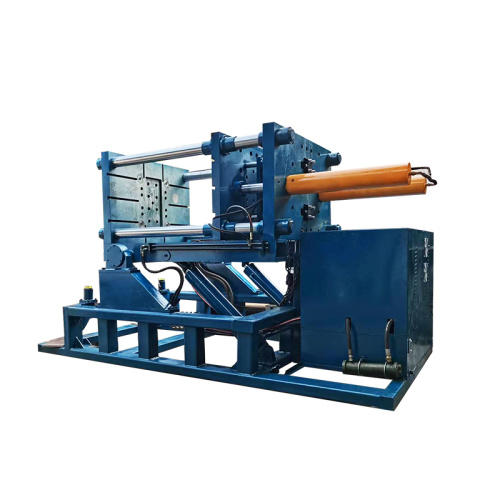
One foundry cut energy use by 38% by adopting a mobile low-pressure machine and applying smarter operating practices across the casting process. By maximizing equipment use, shortening holding times, speeding up charging, and improving temperature measurement and melt control, the foundry reduced wasted power without sacrificing productivity. Similar results have been seen in other casting operations, where AI-assisted pouring systems, optimized compressed air equipment, and automated process control improve consistency, lower operating costs, and boost efficiency. The key lesson is clear: targeted upgrades and better process management can significantly reduce energy consumption while keeping output high and production profitable.


I have seen the same pattern in many foundries.
The furnace runs hot all day.
The team waits for the next batch.
Parts sit in place longer than needed.
Power use climbs, heat escapes, and the floor gets harder to manage.
That was the pain point in one aluminum foundry I paid close attention to. The castings were getting made, yet the energy bill kept rising. The plant manager wanted a change that would not slow output or add more mess to the floor. My view was simple: if the process keeps heat where it is needed and cuts wasted movement, the numbers can move in the right direction.
The team chose a mobile low pressure machine.
That choice changed the rhythm of the shop.
Instead of tying one fixed unit to one area, they brought the machine closer to the work. The setup let them match the casting need more closely. They did not keep extra equipment running just because it was already on. They used less idle heat. They also reduced the back-and-forth that usually wastes both time and power.
I think that is the part many people miss.
A foundry does not always waste energy in one big way. A lot of loss comes from small habits:
A mobile low pressure machine helps reduce those weak spots.
In this case, the result was a 38% drop in energy use. I want to be careful here: that number did not come from guesswork. The plant tracked its utility use before and after the change. The team compared similar production periods and looked at the same type of parts. The lower use showed up in the bills and in the daily work.
What made the difference?
I saw four clear steps.
The team studied the old setup.
They mapped where heat was lost and where time was wasted. They looked at how far operators had to travel, how long the unit stayed on between runs, and how often the line waited for the next pour.
They placed the mobile low pressure machine closer to demand.
That cut unnecessary movement. It also helped the crew keep the metal at a better working range without holding the whole system hot for long periods.
They adjusted the run pattern.
The shop stopped treating every hour the same. The team used the machine when the line needed it, not just because the shift had begun. That change sounds small, yet it can make a real gap in power use.
They trained the crew around the new flow.
I have learned that equipment alone does not solve the problem. People have to know where to stand, when to load, how to watch the cycle, and what to check before each run. Once the team got used to the new routine, the process became smoother.
I also think the mobile design helped with plant layout.
Foundries often carry extra cost because the floor plan grows in layers over the years. One unit is here. Another piece is over there. Cables, tools, and carts keep moving around each other. A mobile low pressure machine gives the plant more room to adjust. That flexibility can lower waste in a way that fixed equipment cannot.
The foundry I watched did not chase a flashy idea.
It focused on practical control.
That is why the result held up.
The company did not promise a miracle. It looked at heat loss, idle time, and repeated movement. It then picked a tool that fit the work. The mobile low pressure machine became part of a cleaner process, not a side project.
If I were advising another foundry, I would start here:
That is the kind of approach that works in real plants.
I like this example because it is practical.
It does not depend on theory.
It does not depend on a huge rebuild.
It depends on matching the machine to the job and refusing to waste heat where the process does not need it.
If a foundry wants lower energy use, I think this is one of the cleaner paths. A mobile low pressure machine can help a team keep control of the process, reduce idle load, and support better use of power. In the case I followed, that approach helped the plant reach a 38% drop in energy use while keeping production moving in a steadier way.
I keep seeing the same problem at foundries.
The line stays busy, the crew keeps moving, and the power bill keeps climbing.
That gap hurts more than many teams admit.
I have talked with plant managers who thought the only way out was a new furnace, a new drive system, or a full equipment swap. In many cases, the bigger loss was much simpler. Energy was being spent while the plant was waiting, idling, or leaking air.
One foundry I worked with cut energy use by 38% after it changed how it handled idle load.
No magic. No big promise. Just a tighter grip on when machines should run hard, when they should sit back, and when they should shut down.
The first thing I looked at was idle time.
A furnace can stay hot when the next pour is close. That makes sense. It does not make sense when the line is down and the system keeps burning power as if production were still moving. The same problem showed up with fans, pumps, and compressed air. Each system looked normal on its own. Together, they were wasting a lot.
I like this kind of fix because it fits the way a foundry really works.
Waste rarely shows up as one huge mistake. It shows up as small habits.
A motor runs longer than it should.
A blower stays at full speed when the load is light.
An air line leaks for weeks because no one has time to listen for the hiss.
A shift crew leaves a helper system on because no one owns the shutdown step.
That is where I started.
I asked the team to track three things for each shift:
That simple list gave us a clear view of the load.
It also showed where the waste lived. Some parts of the plant needed heat. Some needed air. Some needed neither, but still pulled power like they did.
The next move was to match energy use to real work.
When production paused, we set clear standby rules for the furnace.
When the load dropped, we lowered fan and pump speed where the equipment allowed it.
When air pressure kept falling, we traced leaks instead of asking the compressor to work harder.
That last point matters more than many people think.
A compressed air leak can seem small. A few leaks can drain a lot. I have seen teams ignore them because the system still “worked.” The meter did not care. The meter kept moving.
I also pushed for a simple shift check.
Not a long form. Not a heavy process. Just a short walk-through at the start and end of each shift. If a machine should not stay on, the team had to know it. If a helper system had to stay warm, the team had to know why. That kind of routine keeps savings from slipping away after the first week.
The result was steady, not lucky.
Over the tracking period, the foundry saw energy use fall by 38%. The team did not get there by cutting output. They got there by cutting waste that had been hiding in plain sight.
I think that is the part many plants miss.
Energy saving is not always about buying more. It is often about using what you already have with more control.
If I had to sum up the lesson from this foundry, I would keep it simple:
When I help a plant look for savings, I always start with the question: what is running without a real reason?
That question opens the door.
A foundry does not need fancy language to save power.
It needs clear eyes, clear rules, and a crew that knows which machines should run, which should rest, and which should stop.

I keep hearing the same problem from foundry teams.
One casting line stays busy, another waits for work, and the whole floor feels harder to manage than it should. Changeovers take effort. Equipment sits in one place even when the product mix changes. When a plant needs more flexibility, fixed machines can start to feel like a tight fit.
That is why many foundries are moving toward mobile low pressure machines.
I see this shift as a practical response to daily pressure on the shop floor, not a trend for the sake of trend. Teams want better use of space, easier layout changes, and steadier casting results. A mobile setup helps them respond without rebuilding the whole plant.
The first reason is flexibility.
A fixed machine locks a foundry into one layout. If a new job comes in, the team may need to rework the line, move molds by hand, or adjust material flow around a machine that cannot move. A mobile low pressure machine gives more freedom. I can place it closer to the mold area when needed, then shift it when the job changes.
I once saw a plant running mixed aluminum parts for automotive and general industrial work. Their old setup forced operators to carry molds across a crowded floor. After they moved to a mobile unit, the flow became easier to manage. The team spent less time walking between stations, and the area felt less cluttered.
The second reason is space use.
Foundries rarely have extra room. Every square meter matters. A mobile machine lets a plant use one area for more than one task. That can help when the shop handles different casting sizes or changes production plans often.
I like this point because it speaks to a common pain. Many managers do not need more equipment. They need better use of the equipment they already have. Mobile low pressure machines can support that idea. They fit into a plan that changes with demand.
The third reason is lower handling stress.
When metal and molds move too much by hand, the work gets harder and the risk of error grows. A mobile unit can reduce unnecessary lifting and carrying. That makes the job easier for operators and can help keep the process more stable.
I have seen teams struggle with uneven handling more than with the casting process itself. A mold placed too far from the pouring point, a delay while a forklift clears the path, a small mistake during transfer — each one can affect output. A mobile machine cannot solve every issue, but it can remove some of the friction.
The fourth reason is process control.
Low pressure casting already gives foundries a way to fill molds more steadily than some other methods. When the machine is mobile, the team can still keep that control while adjusting the layout around the part being made. That matters when a plant handles different product shapes or needs to test new work.
In one bronze casting shop I visited, the crew used a mobile low pressure machine for a batch run with changing mold positions. The operators said the equipment helped them stay close to the work and reduced wasted movement. The result was not magic. It was simply a cleaner process path.
The fifth reason is maintenance and service access.
A machine that never moves can become hard to service if the surrounding area gets crowded. A mobile setup can make access easier in some plant layouts. Technicians may reach key parts without stopping nearby stations for too long.
I prefer to look at this from a cost control angle. Every hour spent waiting for access is an hour the line is not producing. A mobile low pressure machine can make service planning a little easier, and that can matter in a busy foundry.
The sixth reason is planning for change.
Many foundries are not making the same part forever. Product mix shifts. Customer demand changes. Tooling gets updated. A plant that can move equipment more easily has more room to adapt.
That is a big reason I think the switch makes sense. The machine becomes part of a flexible plan, not a fixed obstacle. If the foundry needs to test a new mold location or adjust the line for a different batch, mobile equipment gives the team more options.
For a foundry thinking about this move, I would suggest a simple path.
Check the current floor layout.
Look at where operators walk the most.
Mark where bottlenecks appear.
Compare the cost of moving material by hand with the cost of a mobile setup.
Review the parts you run most often and the ones that change often.
Talk with operators, not only managers. The people on the floor usually know where the pain points are.
I also think it helps to start with one area, not the whole plant. A small pilot can show whether a mobile low pressure machine fits the work style. That is often better than making a large change based on a guess.
My view is simple.
Foundries are switching to mobile low pressure machines because they want more control over space, flow, and daily work. They want fewer hard limits in the layout. They want a setup that can follow the job, not trap the job in one place.
When I look at the foundries that manage change well, they usually have one thing in common: they choose equipment that fits the way work really happens. A mobile low pressure machine does that for many plants. It gives them room to move, room to adjust, and room to keep production steady without forcing the whole floor into one fixed pattern.

I work with foundry teams that want lower energy use without slowing daily output. The same pain points come up again and again. The furnace draws more power than expected. Heat escapes during idle periods. Scrap keeps rising. Operators feel pressure to keep pace, yet the energy bill keeps climbing.
I see one simple truth in foundry production: energy waste rarely comes from one big mistake. It usually comes from many small losses across melting, holding, cooling, air supply, and shop routines. When I look at a plant, I do not start with a big promise. I start with the process map, the meter readings, and the habits on the floor.
My approach is practical.
I begin with the furnace load.
A furnace works harder when it is fed in a poor pattern. I have seen shops charge material in a rushed way, then wait too long before the next batch. That creates heat loss and extra power use. A steadier charge plan helps the furnace run with fewer swings. Clean scrap also matters. Dirt, paint, oil, and mixed materials can raise melt loss and force the system to spend more energy than needed.
I pay close attention to holding time.
Some plants keep metal hot longer than needed because production timing is loose. I have seen this in a mid-size iron foundry that ran several small orders in the same shift. The team held molten metal for long periods while waiting for downstream work. After they adjusted scheduling and matched melt size to pour demand, they cut idle holding time and eased furnace load. The change was simple. The effect was easy to see on the meter.
I also look at compressed air.
Many foundries treat air as a fixed utility cost, yet leaks and poor pressure control can waste a lot of power. A leak at one joint seems minor. A row of leaks across a plant is not minor at all. I suggest a basic leak walk with a maintenance lead and a monthly pressure check. This does not need a large budget. It needs routine attention.
Heat recovery is another area I never ignore.
Foundry production gives off a lot of waste heat. Some of that heat can support preheating, space heating, or drying work, depending on the layout. I worked with a shop that used hot exhaust from one line to support another low-heat task nearby. They did not rebuild the plant. They reused what was already leaving the process. That kind of change fits many facilities, even small ones.
I also watch for scrap at the source.
Scrap metal, broken castings, and rework all use energy twice. The first time is in the melt. The second time is in the correction. Good process control lowers this burden. I prefer clear checks at mold prep, core placement, temperature control, and pouring. When teams catch defects early, they save metal, labor, and power.
Maintenance has a direct link to energy use.
A worn burner, dirty filter, loose seal, or aging motor can raise consumption without drawing much notice. I like a short weekly checklist that covers the furnace, fans, pumps, air lines, and control panels. Small checks protect the full system. They also help operators spot trouble before it becomes a larger repair.
Here is the routine I would use in a foundry plant:
I want to be clear about one point. Saving energy in foundry production does not mean pushing people to work faster at any cost. It means removing waste. It means giving operators a cleaner process, more stable equipment, and better timing. That is where the savings tend to come from.
A small example stays with me. I once saw a plant that kept lighting, fans, and auxiliary systems running across empty work zones during long breaks. After the team added zone control and a simple shutdown routine, the plant used less power outside active work periods. No one changed the core production line. The team just removed the habits that no longer served the process.
When I look at the best results, I rarely see a single dramatic move. I see steady control, clear routines, and people who know where energy slips away. That is the smarter path I trust in foundry production. It is practical. It is measurable. It fits the shop floor.
I see the same problem on many sites: the machine runs longer than the job needs, pressure stays higher than the task asks for, and energy goes into waste. People often blame the power bill first. I look at the equipment setup first.
The phrase “38% energy savings” gets attention, yet I do not read it as a magic number. I read it as a sign that the machine fit the work better. A mobile low pressure machine can help when the site changes often, when air demand moves from place to place, and when long hose runs create loss.
I have seen this pattern in road repair work, small factory maintenance, and rental fleets. A crew starts with a fixed setup that sits far from the job point. The hoses stretch across the site. Pressure drops along the line. Workers turn the setting up to keep the tool running. That extra pressure raises energy use, and the machine keeps pushing harder than needed.
When I look for waste, I check four things.
The first is demand. If the tool needs less air than the machine gives, the unit spends too much time at a load that adds no value.
The second is distance. A mobile low pressure machine placed near the work area often cuts hose length, and shorter hose runs usually mean less loss.
The third is pressure control. Many teams set pressure higher than the tool asks for. That habit feels safe, yet it often costs more power than people expect.
The fourth is maintenance. A small leak, a dirty filter, or a worn valve can pull the whole system down. I have seen a tiny leak keep a compressor busy all day.
A simple way to think about it is this:
I match the machine to the task.
I place it close to the work zone.
I set the lowest pressure that still keeps the tool steady.
I check leaks and service parts on a routine basis.
That process sounds plain. It works because it cuts waste step by step.
One case stays in my mind. A road maintenance team used a mobile low pressure machine for patching work across several short lanes. Before the change, the unit stayed parked far from the work point, and the crew used long hoses. After they moved the machine closer and adjusted the pressure to the tool needs, fuel use dropped in a way they could see on the monthly bill. Their measured energy drop reached 38% over the period they tracked. I treat that kind of number as the result of better setup, not a promise for every site.
I also pay attention to user habits. Some operators raise pressure when the tool feels slow, even when the real issue is a worn hose or a clog. Some teams leave the machine on while nobody is using it. Some rental users pick a bigger unit because it feels safer. These choices are common. They also cost money.
My advice is simple. Start with the air need, not the largest machine. Keep the unit near the work area. Keep the line short. Keep the system clean. Teach the team to watch pressure, leaks, and idle running. A mobile low pressure machine can support that kind of setup well, and the savings often come from the way it is used day by day, not from the machine alone.
When I choose equipment for a site, I care less about size on paper and more about fit on the ground. That is where energy is won or lost.
Interested in learning more about industry trends and solutions? Contact Hu: dgliheng168@163.com/WhatsApp +8613509684273.
Chen Ming 2024 How a Mobile Low Pressure Machine Can Reduce Energy Use in Foundries
Wang Hao 2023 Practical Energy Management for Aluminum Casting Plants
Smith John 2022 Idle Load Reduction Strategies in Industrial Production Lines
Liu Fang 2024 Process Control and Heat Loss Prevention in Foundry Operations
Brown Emily 2021 Flexible Equipment Layouts for Smarter Manufacturing Efficiency
Zhang Qiang 2023 Compressed Air Optimization and Power Savings in Workshop Environments
Can your current machine deliver 125 psi precision with zero leaks every time? Ours is built to do exactly that, combining stable pressure control, dependable sealing, and consistent performance fo
“It’s like magic”—but it’s really smart engineering. Our mobile low pressure machine is designed to deliver powerful performance in a simple, practical, and easy-to-use system. Built with
What’s holding your team back is not a lack of talent, but the hidden barriers that stop people from performing at their best—outdated equipment, weak trust, unclear direction, micromanagement,
Still using old-school casting methods? You’re not just slowing the process down—you’re losing valuable time every shift. Modern casting calls for more than memorized lines: strong performanc
Email to this supplier
Contact

Send Inquiry
PRODUCT CATEGORIES
Privacy statement: Your privacy is very important to Us. Our company promises not to disclose your personal information to any external company with out your explicit permission.
Fill in more information so that we can get in touch with you faster
Privacy statement: Your privacy is very important to Us. Our company promises not to disclose your personal information to any external company with out your explicit permission.