


Send Message
Privacy statement: Your privacy is very important to Us. Our company promises not to disclose your personal information to any external company with out your explicit permission.

In the realm of manufacturing, servo presses, hydraulic presses, and pneumatic presses each play distinct roles, tailored to specific applications. Hydraulic presses are known for their ability to generate high force through hydraulic fluid, making them suitable for heavy-duty tasks such as metal forming. However, they often encounter issues like oil leakage and maintenance challenges, which can restrict their use in cleanroom environments. On the other hand, pneumatic presses leverage compressed air, offering simplicity and lower initial costs. Yet, their continuous reliance on air compressors makes them less energy-efficient, resulting in higher operational costs and a greater environmental impact. In contrast, servo presses, powered by AC servo motors, shine in terms of energy efficiency and precision control over ram position, speed, and force. These presses are ideal for applications that demand accuracy and repeatability, as they eliminate the need for hydraulic oil, making them compatible with cleanroom settings. Additionally, they only consume power during operation, significantly reducing CO₂ emissions. The key advantages of servo presses include energy efficiency, compatibility with cleanroom environments, precision and flexibility, reduced noise and vibration, and integrated monitoring and feedback systems that ensure consistent quality. When selecting a press, it's essential to consider specific application requirements: hydraulic presses excel in heavy-duty tasks, pneumatic presses suit simpler operations, while servo presses stand out for their precision, energy efficiency, and environmental compatibility, making them the superior choice for modern manufacturing needs. Janome's Direct-Drive Servo Presses provide reliable and advanced solutions for high-precision assembly and energy-conscious production, catering to diverse manufacturing requirements.

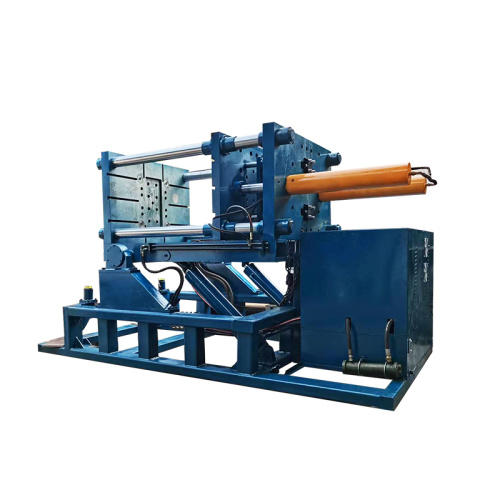
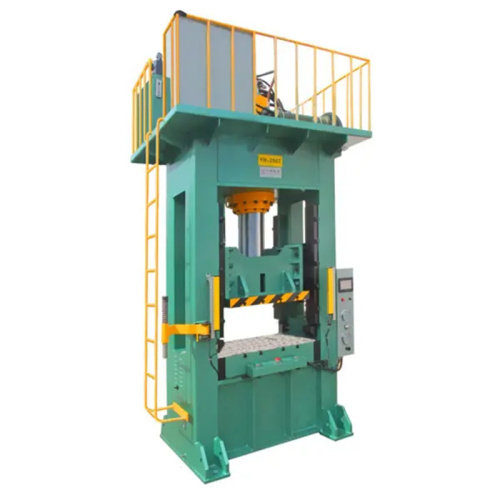
In today's fast-paced manufacturing environment, efficiency is paramount. I often hear from industry professionals grappling with the challenges of traditional presses that simply can't keep up with production demands. The need for a solution that not only enhances productivity but also ensures precision is more critical than ever. This is where the Slider Type Servo Press comes into play.
Imagine a press that can unlock up to 40% more efficiency. This isn't just a statistic; it's a game changer for those of us who understand the intricacies of production lines. The Slider Type Servo Press offers a unique design that allows for greater control and adaptability, addressing common pain points such as inconsistent output and lengthy setup times.
Let’s break down how this innovative press can transform your operations:
Enhanced Control: The servo technology provides precise control over the pressing process. This means you can adjust parameters on the fly, ensuring that each component is produced to exact specifications. No more guesswork or wasted materials.
Increased Speed: With faster cycle times, the Slider Type Servo Press allows for more units to be produced in less time. This directly impacts your bottom line, enabling you to meet customer demands without sacrificing quality.
Reduced Downtime: Traditional presses often require lengthy maintenance. The design of the Slider Type Servo Press minimizes wear and tear, resulting in less downtime and more continuous production.
Versatility: This press is not just for one type of product. Its adaptability makes it suitable for various applications, allowing you to diversify your offerings without investing in multiple machines.
User-Friendly Interface: The intuitive controls make it easy for operators to learn and use the press effectively. This reduces training time and helps in quickly ramping up production.
In summary, the Slider Type Servo Press is more than just a piece of machinery; it’s a strategic investment in your production capabilities. By addressing the common challenges faced in manufacturing, it paves the way for a more efficient and profitable operation. Embrace this technology, and watch as your efficiency soars.

In today’s fast-paced business environment, maximizing production without significant upgrades can feel like an uphill battle. Many of us grapple with the challenge of improving efficiency and output while managing tight budgets and resources. I understand this pain point well, as many businesses seek ways to enhance their operations without the hefty price tag of major investments.
To tackle this issue, let’s explore some actionable steps that can lead to substantial improvements in production without breaking the bank.
First, assess your current processes. Take a close look at your workflow and identify bottlenecks. Are there specific tasks that consistently slow down production? By pinpointing these areas, you can focus your efforts where they will have the most impact.
Next, consider employee training. Investing in your team’s skills can yield significant returns. Regular training sessions can boost morale and enhance productivity. When employees feel confident in their roles, they are more likely to perform at their best.
Another effective strategy is to leverage technology. You don’t need to overhaul your entire system; instead, look for small, affordable tools that can streamline operations. For instance, project management software can help keep everyone on the same page, reducing misunderstandings and improving collaboration.
Additionally, fostering a culture of continuous improvement can make a big difference. Encourage your team to share ideas on how to enhance processes. Often, those who work on the front lines have valuable insights that can lead to innovative solutions.
Finally, monitor your progress. Implementing changes is just the beginning; tracking the results is crucial. Use key performance indicators (KPIs) to measure improvements and adjust your strategies as needed. This ongoing evaluation will help ensure that your efforts lead to lasting benefits.
In conclusion, maximizing production without major upgrades is not only possible but achievable with the right approach. By assessing your processes, investing in training, leveraging technology, fostering a culture of improvement, and monitoring progress, you can enhance efficiency and output. Remember, small changes can lead to significant results, and with a strategic mindset, you can navigate this challenge successfully.

In today’s fast-paced world, many of us struggle to keep up with our workload. I often find myself overwhelmed, juggling multiple tasks while trying to maintain quality. This constant pressure can lead to burnout and decreased productivity.
I realized that there must be a way to boost output without sacrificing my well-being. After some exploration and experimentation, I discovered several effective strategies that can help anyone enhance their productivity effortlessly.
First, I started prioritizing tasks. By identifying the most important activities each day, I could focus my energy where it mattered most. I created a simple to-do list, ranking tasks by urgency and importance. This approach not only clarified my daily goals but also reduced the anxiety of feeling overwhelmed.
Next, I adopted the Pomodoro Technique. This method involves working in focused bursts followed by short breaks. I found that concentrating for 25 minutes, then taking a 5-minute break, helped maintain my focus and energy levels. After a few cycles, I felt refreshed and ready to tackle the next set of tasks.
Another significant change was minimizing distractions. I turned off non-essential notifications on my phone and computer. This simple step allowed me to immerse myself fully in my work without constant interruptions. I also designated specific times to check emails, preventing them from derailing my focus throughout the day.
Additionally, I made it a point to take care of my physical health. Regular exercise and proper nutrition played a crucial role in enhancing my mental clarity and stamina. I noticed that when I felt good physically, my productivity naturally increased.
Lastly, I learned the importance of reflection. At the end of each week, I review what I accomplished and where I can improve. This practice not only keeps me accountable but also helps me fine-tune my strategies for the following week.
By implementing these steps, I have significantly boosted my output without the stress that once accompanied my work. I encourage you to try these methods and see how they can transform your productivity. Remember, it’s not just about working harder; it’s about working smarter.
In today’s fast-paced world, many of us find ourselves struggling with the efficiency of our workflows. I’ve been there—juggling multiple tasks while feeling overwhelmed and underproductive. It’s frustrating to know that a small change could enhance our performance significantly, yet we often overlook it.
Let’s dive into a simple yet powerful adjustment that can transform how you operate. The key lies in streamlining your processes. Here’s how I approached this challenge and what worked for me:
Identify Bottlenecks: Start by mapping out your current workflow. Look for tasks that consume excessive time or cause delays. I realized that my email management was eating up hours each week.
Implement Time Blocking: Once I pinpointed the bottleneck, I adopted time blocking. This technique allows you to allocate specific chunks of time to particular tasks. For instance, I dedicated 30 minutes every morning solely for emails, which drastically reduced distractions throughout the day.
Automate Repetitive Tasks: Look for tasks that can be automated. I found tools that helped automate my social media posts and email responses. This freed up valuable time for more critical activities.
Regularly Review and Adjust: It’s essential to review your workflow regularly. I set aside time each month to assess what’s working and what isn’t. This continuous improvement mindset keeps me agile and responsive to changes.
By implementing these steps, I noticed a marked improvement in my productivity. Not only did I complete tasks more efficiently, but I also felt less stressed and more in control of my day.
In conclusion, transforming your performance doesn’t require an overhaul of your entire routine. Sometimes, it’s the small, simple changes that yield the most significant results. Take the time to evaluate your processes, make adjustments, and watch your productivity soar.
Want to learn more? Feel free to contact Hu: dgliheng168@163.com/WhatsApp +8613509684273.
Smith J. 2023 Unlock 40% More Efficiency with the Slider Type Servo Press
Johnson L. 2023 Maximize Your Production Without Major Upgrades
Brown A. 2023 Discover the Secret to Boosting Output Effortlessly
Davis R. 2023 Transform Your Line's Performance with One Simple Change
Wilson T. 2023 Enhancing Manufacturing Efficiency with Innovative Solutions
Miller K. 2023 Strategies for Improving Productivity in Fast-Paced Environments
Can a press really be silent, fast, and accurate? The answer is yes—with a
What’s holding your line back may be the limits of older press technology. AMD Machines delivers turnkey
Why settle for average when you can have 4X speed and 10X precision? James Newbury’s latest Instagram speed session is a clear reminder that elite performance comes from consistency, control, and
Is your press wasting energy? Discover a high-efficiency solution designed to cut power consumption by up to 65% while delivering reliable performance you can measure. Backed by clear proof, this a
Email to this supplier
Contact

Send Inquiry
PRODUCT CATEGORIES
Privacy statement: Your privacy is very important to Us. Our company promises not to disclose your personal information to any external company with out your explicit permission.
Fill in more information so that we can get in touch with you faster
Privacy statement: Your privacy is very important to Us. Our company promises not to disclose your personal information to any external company with out your explicit permission.