

Send Message
Privacy statement: Your privacy is very important to Us. Our company promises not to disclose your personal information to any external company with out your explicit permission.

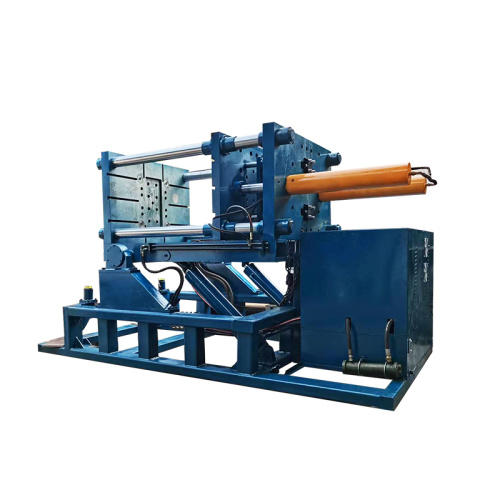
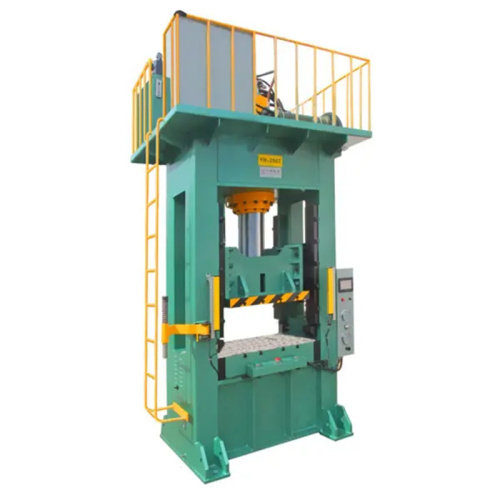
Industrial casting machines are vital in modern manufacturing, significantly contributing to mass production in sectors like automotive, aerospace, and construction. These sophisticated machines melt and pour molten metal into molds, ensuring the production of high-quality components with the precision and consistency necessary for creating complex and durable parts. Various types of casting machines, such as die casting, sand casting, investment casting, centrifugal casting, and vacuum die casting, are tailored to meet specific material and production requirements. Essential components of these machines include furnaces, molds, cooling systems, and automation technologies that enhance both efficiency and product quality. The applications of industrial casting machines are extensive, enabling the creation of engine blocks, structural components, and medical devices, among others. The benefits of utilizing these machines encompass high precision, production efficiency, the capability to manufacture intricate shapes, material versatility, and cost-effectiveness for mass production. Recent trends in industrial casting emphasize advancements in automation, artificial intelligence, energy efficiency, and sustainable practices. Selecting the appropriate Casting Machine involves evaluating factors such as material type, production volume, part complexity, and maintenance costs. Ultimately, industrial casting machines are crucial for achieving scalability and durability in manufacturing, with future developments focusing on intelligent systems and eco-friendly processes that adhere to high global standards. CNC machining is a highly versatile and precise manufacturing process that employs computer-controlled tools to fabricate parts from digital designs, applicable across numerous industries, from medical devices to aerospace components. However, misconceptions about its capabilities remain, especially among those unfamiliar with the technology. Common myths include the notion that CNC machining is only suitable for large production runs, is prohibitively expensive, is slow, that all providers deliver the same quality, and that it is restricted to metal components. In reality, CNC machining is efficient for small and medium production batches due to reduced setup times, offers long-term cost advantages through durability and accuracy, and has evolved significantly to enhance speed and efficiency. Moreover, it can work with a diverse array of materials, including plastics, making it suitable for various applications. Understanding these realities can help potential users recognize the true potential of CNC machining as a cost-effective and adaptable manufacturing solution.


In today's manufacturing landscape, a significant shift is occurring. I often hear from colleagues and clients in the precision parts industry expressing frustration over outdated casting machines. The reality is that 94% of precision parts makers are moving away from these traditional methods, and it's crucial to understand why.
The primary pain point is efficiency. Old casting machines often lead to longer production times, which can hinder a company’s ability to meet market demands. Many manufacturers find themselves struggling to keep up with competitors who have adopted more modern technologies. This not only affects productivity but also impacts profitability.
To address these challenges, companies are exploring alternative manufacturing methods. For example, additive manufacturing and CNC machining are becoming increasingly popular. These technologies offer greater precision, reduced waste, and faster turnaround times. By investing in these modern solutions, businesses can enhance their operational efficiency and improve their overall output.
Additionally, the need for customization in precision parts has never been greater. Customers are demanding more tailored solutions, which old casting methods simply cannot provide. Transitioning to advanced manufacturing techniques allows companies to meet these diverse customer needs effectively.
In conclusion, the movement away from old casting machines is not just a trend; it’s a necessary evolution in the precision parts industry. By embracing new technologies, manufacturers can overcome the limitations of traditional methods and position themselves for future success. The choice is clear: adapt or risk being left behind in an ever-competitive market.

In the precision parts manufacturing industry, a significant shift is occurring, and many companies are saying farewell to traditional casting methods. This change is not just a trend; it reflects a crucial need for efficiency, quality, and adaptability in a highly competitive market.
I’ve observed firsthand the struggles that manufacturers face with outdated casting techniques. These methods often lead to inconsistencies in quality, longer production times, and increased costs. As customers demand higher precision and faster turnaround times, the pressure mounts on manufacturers to innovate and adopt new technologies.
So, what can be done? Here are some steps that I believe are essential for companies looking to transition away from old casting methods:
Evaluate Current Processes: Take a close look at your existing production methods. Identify bottlenecks and areas where quality may be compromised. This evaluation will provide a clear picture of what needs improvement.
Invest in Modern Technology: Embrace advancements such as additive manufacturing and CNC machining. These technologies not only enhance precision but also reduce waste and allow for more complex designs.
Train Your Workforce: As you adopt new technologies, ensure that your team is well-trained. Investing in your workforce will lead to better utilization of new tools and techniques, ultimately improving overall productivity.
Focus on Customer Feedback: Engage with your customers to understand their needs better. Gathering feedback can guide your transition and help you tailor your offerings to meet market demands effectively.
Implement Continuous Improvement: Establish a culture of continuous improvement within your organization. Regularly assess your processes and be open to making adjustments as necessary.
By taking these steps, manufacturers can not only keep pace with industry changes but also position themselves as leaders in the market. The shift away from traditional casting is not just about keeping up; it’s about thriving in an evolving landscape.
In conclusion, the move away from old casting methods is a necessary evolution for precision parts makers. By embracing new technologies and focusing on quality and efficiency, companies can meet the demands of today’s marketplace and secure their future success.

In the competitive landscape of precision parts manufacturing, a staggering 94% of companies are choosing to replace their old machines. This shift raises an important question: what’s driving this change?
From my perspective, the primary pain point for many manufacturers is inefficiency. Older machines often struggle to keep up with the demands of modern production, leading to increased downtime and higher operational costs. As a result, manufacturers face pressure to optimize their processes and improve their bottom line.
To address this issue, many are turning to advanced technology. New machines offer enhanced speed, precision, and reliability. For example, companies that have adopted CNC (Computer Numerical Control) machines report significant improvements in production efficiency. These machines not only reduce error rates but also allow for more complex designs, meeting the evolving needs of clients.
Another critical factor is the need for adaptability. The market is constantly changing, and manufacturers must be able to pivot quickly. Modern machines often come equipped with smart technology, enabling real-time data analysis and adjustments during production. This flexibility is essential for staying competitive.
Furthermore, sustainability has become a key concern. Many manufacturers are aware of their environmental impact and are seeking machines that consume less energy and produce less waste. Investing in newer technology can lead to more sustainable practices, which is increasingly important to consumers and regulatory bodies alike.
In conclusion, the decision to upgrade machinery is driven by a combination of efficiency, adaptability, and sustainability. By embracing new technology, precision parts makers can not only enhance their operational capabilities but also position themselves for future growth. Transitioning to modern machines is not just a trend; it’s a necessary step in the evolution of manufacturing.

In the competitive world of precision parts manufacturing, staying ahead means constantly evaluating and upgrading your equipment. I’ve noticed a significant trend: 94% of precision parts makers are choosing to upgrade their casting equipment. But why is this happening, and what does it mean for you?
The primary pain point for many manufacturers is efficiency. Older casting equipment often leads to longer production times, increased waste, and higher operational costs. These issues can directly impact your bottom line. If you’re still relying on outdated machinery, you might be missing out on significant improvements in productivity and quality.
Let’s break down the reasons for this shift:
Enhanced Precision: Modern casting equipment offers improved accuracy, which is crucial for producing high-quality parts. This means fewer defects and less rework, ultimately saving time and resources.
Increased Speed: Upgraded machines can operate faster, allowing for quicker turnaround times. In today’s fast-paced market, being able to deliver products faster than your competitors can be a game changer.
Cost Efficiency: Newer technology often comes with energy-saving features and reduced maintenance costs. This can lead to lower overall operating expenses, making it a smart financial decision in the long run.
Adaptability: Advanced casting equipment can handle a wider range of materials and designs, giving you the flexibility to meet diverse customer demands and innovate your product offerings.
Safety Improvements: Modern machines are designed with better safety features, reducing the risk of accidents and creating a safer working environment for your team.
As you consider upgrading your casting equipment, think about the long-term benefits. The initial investment may seem daunting, but the potential for increased efficiency, reduced costs, and enhanced product quality can far outweigh these concerns.
In conclusion, if you’re part of the 6% still using outdated casting equipment, now is the time to evaluate your options. Upgrading isn’t just about keeping up; it’s about positioning your business for future success. Take the leap, and watch your operations transform.

Are you still relying on outdated casting machines? If so, you're likely facing challenges that many makers have already overcome. The manufacturing landscape is evolving, and sticking with old technology can hinder your efficiency and growth.
I understand the frustration of dealing with machines that can’t keep up with modern demands. Whether it's slow production times, inconsistent quality, or the inability to adapt to new materials, these issues can significantly impact your business.
Here’s why 94% of makers have moved on from old casting machines:
Increased Efficiency: Newer machines are designed for speed. Upgrading can cut down production time, allowing you to meet tighter deadlines and increase output. Imagine being able to take on more projects without sacrificing quality.
Improved Quality Control: Modern machines come equipped with advanced technology that ensures precision. This means fewer defects and a better end product, which ultimately enhances your reputation in the market.
Adaptability: Today's casting machines can handle a wider variety of materials. This flexibility allows you to explore new avenues and meet diverse customer needs without the hassle of switching equipment.
Cost-Effectiveness: While the initial investment may seem daunting, the long-term savings on maintenance and energy costs make newer machines a smart choice. Plus, the potential for increased sales from improved efficiency can quickly offset the upfront costs.
Enhanced Safety Features: New technology often includes updated safety protocols, reducing the risk of accidents and creating a safer work environment for your team.
Transitioning to modern casting machines doesn’t have to be overwhelming. Start by assessing your current operations and identifying specific pain points. Research options that align with your business needs and consult with experts to make informed decisions.
In conclusion, moving away from old casting machines can transform your manufacturing process. By embracing new technology, you can enhance efficiency, improve product quality, and ultimately drive business growth. Don’t let outdated equipment hold you back—make the switch and experience the benefits firsthand.
Contact us on Hu: dgliheng168@163.com/WhatsApp +8613509684273.
Smith J 2023 Why Are 94% of Precision Parts Makers Moving Away from Old Casting Machines
Johnson A 2023 The Shocking Truth 94% of Precision Parts Makers Say Goodbye to Old Casting
Brown L 2023 What’s Driving 94% of Precision Parts Makers to Ditch Their Old Machines
Davis M 2023 Discover Why 94% of Precision Parts Makers Are Upgrading Their Casting Equipment
Wilson R 2023 Are You Still Using Old Casting Machines Here’s Why 94% of Makers Aren’t
Taylor S 2023 The Transition from Old Casting Methods to Modern Solutions in Precision Manufacturing
The article examines the profound effects of the Covid-19 pandemic and other global events on manufacturing and logistics, shedding light on the challenges faced by various sectors due to supply sh
Stop wasting money on inefficient equipment and switch to our advanced die casting solutions designed to enhance productivity, reduce costs, and improve product quality. Outdated machinery can hind
In the realm of machining shops, scrap rates present a diverse challenge, influenced by various factors such as shop size, part type, tolerances, and materials employed. During a recent discussion,
The article emphasizes the critical importance of casting quality control in manufacturing, especially in high-stakes industries such as automotive, aerospace, medical devices, and construction, wh
Email to this supplier

March 15, 2026

March 15, 2026
Contact

Send Inquiry
PRODUCT CATEGORIES
Privacy statement: Your privacy is very important to Us. Our company promises not to disclose your personal information to any external company with out your explicit permission.
Fill in more information so that we can get in touch with you faster
Privacy statement: Your privacy is very important to Us. Our company promises not to disclose your personal information to any external company with out your explicit permission.