

Send Message
Privacy statement: Your privacy is very important to Us. Our company promises not to disclose your personal information to any external company with out your explicit permission.

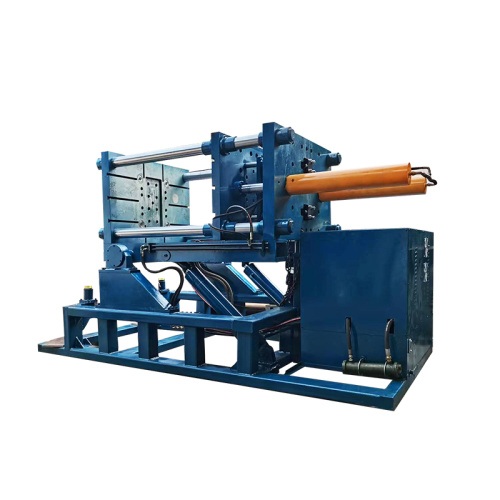
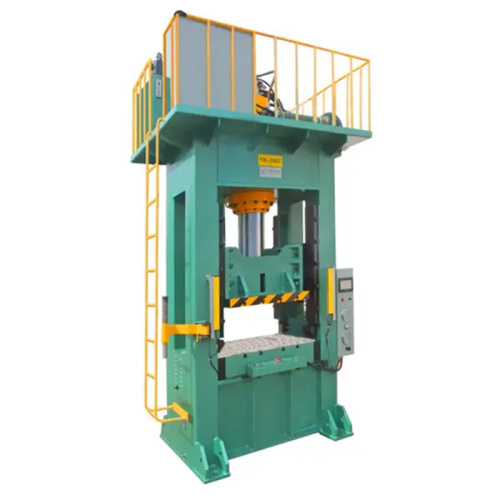
The 50T Press is an advanced and dependable solution for powder molding, combining 50 tons of pressing force with a robust structure and user-friendly operation. Designed to process a wide variety of powder materials, it delivers precise shaping, consistent product quality, and stable performance across demanding production environments. By supporting efficient operation and reducing material waste and manufacturing costs, this press helps manufacturers improve productivity while maintaining reliable results.


When powder molding work becomes inconsistent, the problem is often not the material alone. Uneven filling, unstable pressure, poor mold alignment, and long setup time can lead to cracked parts, weight variation, and avoidable rework.
A 50T powder molding press can help small and medium production lines manage these tasks with a controlled forming process. I see it as a practical option for parts that need steady compaction without the footprint of a larger industrial press.
A 50T press usually refers to a machine with a nominal pressing force of about 50 metric tonnes. The actual result depends on the hydraulic system, mold design, powder type, stroke, pressure settings, and operator control. I always recommend checking the full specification sheet before selecting a machine.
This type of press may suit:
The press does not replace good material preparation. Powder flow, moisture, particle size, binder content, and filling method still affect the finished part. The machine provides force and control, while the complete process determines the final quality.
I start with the part itself.
Measure the part diameter, height, wall shape, and required density. A tall part may need a longer stroke or a special filling method. A part with holes, steps, or narrow sections may require a carefully designed mold and controlled ejection.
Then I check the required forming force. A 50T press may be suitable for some compact parts, while larger or denser products may need a higher-capacity machine. Using a press at or near its limit for every cycle can place more stress on the hydraulic system and tooling.
I also check:
The available workspace matters as well. The operator needs room to load powder, install the mold, inspect the part, and carry out maintenance.
A typical powder molding cycle can follow these steps:
Prepare and screen the powder according to the material process.
Weigh the required amount for each part.
Fill the mold cavity evenly.
Place the mold under the pressing head and check alignment.
Apply the selected pressure with a controlled stroke.
Hold the pressure for the required dwell period.
Release the pressure and eject the compact carefully.
Inspect the part for cracks, edge damage, density variation, and dimensional changes.
Record the pressure, filling weight, cycle time, and inspection result.
This record helps me find the cause when a batch changes. For example, if part weight remains stable but density varies, I may check pressure distribution or mold alignment. If the weight changes from cycle to cycle, the filling method may need attention before changing the press setting.
A hydraulic system allows the operator to adjust forming pressure for different powders and mold sizes. This can be useful when one production line handles several part types.
A pressure gauge or digital display helps the operator repeat the selected setting. Pressure control alone does not guarantee uniform parts, so the machine should also provide stable movement and controlled release. Sudden pressure release may damage fragile compacts.
For a workshop making small ferrite rings, a controlled 50T press can support repeatable trial runs and short production batches. The operator can adjust the filling weight and pressure for each mold while monitoring the result. The correct setup still depends on the powder formula and the ring design.
Powder presses require a clear safety routine. The working area should have suitable guarding, an emergency stop, and a safe method for mold changes. Operators should receive training before running the machine.
I also check the hydraulic oil level, hose condition, pressure gauge, ram movement, and fasteners during routine maintenance. Powder dust should not be allowed to build up around moving parts or electrical areas. The maintenance schedule should follow the machine manual and the actual production environment.
A useful supplier discussion should cover more than press tonnage. I ask for:
I also ask whether the supplier can review a sample part or drawing. A short technical discussion can reveal whether the 50T model matches the required stroke, table size, ejection method, and production rhythm.
A 50T powder molding press can be a sensible fit when the part size, material, mold, and force requirement match the machine. I would not select it from tonnage alone. A balanced review of the forming process, safety design, maintenance needs, and supplier support gives a more dependable basis for the decision.

Powder molding can look simple from the outside. Fill the mold, apply pressure, release the part. In production, small changes in filling, pressure, moisture, or release timing can lead to cracks, weak edges, density variation, and wasted material.
A 50T powder molding press gives me a useful level of forming force for small and medium-sized parts. The press itself is only part of the process. Good results come from matching the powder, mold, tooling, and machine settings.
I start with the powder
Powder flow has a direct effect on filling quality. If the material does not move evenly into the cavity, the finished part may show density differences across its surface.
I check:
A powder blend that works well for one shape may not work well for another. A narrow cavity, thin wall, or deep feature can make filling more sensitive.
I keep the powder condition consistent from batch to batch. When the material is stored in an open area, moisture can change its flow and compression behavior. A closed container and a clear handling routine help reduce this variation.
I match the mold to the part
The mold design affects how pressure travels through the powder. Sharp internal corners may create stress points. Uneven wall thickness can cause different areas of the part to compress at different rates.
Before running the press, I review:
A clean, well-aligned mold helps the 50T press transfer force more evenly. If the punch is slightly off-center, one side of the part may receive more load than the other. This can lead to uneven density or damage during ejection.
I also check the mold surface before each production run. Built-up powder can change the cavity volume and leave marks on the part. A simple cleaning routine can prevent repeated defects.
I set pressure with control
A 50T press can provide strong forming force, but using more pressure does not always improve the result. Excess pressure may damage the mold, increase tool wear, or make ejection more difficult.
I set the forming pressure based on:
I prefer a controlled test run. I begin with a moderate setting, inspect the parts, and adjust one factor at a time. This makes it easier to connect a defect with its possible cause.
If the part has cracks after pressing, I check the powder flow, fill level, pressure rate, and ejection movement. If the part is too weak, I review the compaction level and powder blend. Changing several settings at once can hide the real source of the problem.
I pay attention to pressure holding time
Some powder materials need a short holding period after reaching the target pressure. This allows the compact to stabilize before the punch returns.
A suitable hold time can help reduce:
The right setting depends on the material and part geometry. I do not use the same cycle for every product. A small flat disc, a thick block, and a part with a narrow center opening may respond very differently under the same pressure.
I manage ejection with care
Many defects appear after forming rather than during compression. When the punch moves too quickly, the compact can crack, chip, or distort.
I check the ejection process by observing:
If release force rises over several cycles, I inspect the mold for wear, residue, or poor lubrication where the process allows it. I also confirm that the part is not being held by an undercut or damaged cavity surface.
A smooth ejection cycle protects both the compact and the tooling.
I use a simple inspection routine
For each test batch, I record the main process details:
I check the same points on every sample. Weight can show filling variation. Dimensions can reveal changes in compression or spring-back. Visual inspection can identify cracks, chipped edges, surface marks, and poor release.
A small production example shows why this routine helps. Imagine a workshop producing pressed ceramic spacers with a 50T machine. The parts look acceptable after pressing, yet several pieces crack during handling. The operator raises the pressure, but the defect remains. After checking the process, the team finds that the powder fill is uneven and the lower punch is releasing too quickly. A more even fill and slower ejection solve more of the problem than extra pressure would have done.
I treat the 50T press as part of a complete process
The press provides the forming force. The final result also depends on material preparation, mold condition, filling method, pressure control, and part removal.
My working approach is simple:
This method helps me find the cause of defects instead of reacting to them with random adjustments. A 50T powder molding press can support steady production when the machine, tooling, and material are treated as one connected system.

When I choose a powder molding press, I look beyond the rated force. I need stable pressure, repeatable movement, simple setup, and enough control to keep each part within the required size range. A 50T powder molding press can meet these needs for many small and medium production tasks, provided that its structure, control system, and tooling match the material and part design.
A press with 50 tons of forming force may suit products such as:
The correct machine depends on powder type, mold size, target density, cycle time, and production volume. Press capacity alone does not decide the result.
I start with the part drawing and powder data. The required force comes from the projected forming area, target density, material behavior, and mold design. A part with a small surface area may work well on a 50T machine. A larger part may need more force even when its shape looks simple.
I also check the working space. The table size, daylight, stroke, and mold height must allow the tooling to fit without limiting movement. If the mold is too tall or the ejection stroke is too short, the rated capacity will not solve the production problem.
The pressure control method matters as well. Hydraulic systems can provide steady force and adjustable speed. Servo-based control may help manage position and pressure with closer control, depending on the machine design. I ask for the actual control range instead of relying on a general description.
Powder molding can show variation when filling, pressing, and ejection are not well controlled. Uneven powder distribution may create density differences inside the part. Excessive speed can cause cracks, lamination, or surface defects. Uneven ejection may damage the green compact before sintering.
A suitable 50T press can help reduce these risks through:
These functions do not replace correct powder preparation or mold design. They give the operator better control over the process.
I prefer a machine that lets me record key settings for each product. A simple parameter sheet may include filling amount, pressing speed, pressure level, holding time, ejection position, and inspection results. This record helps me compare batches and identify changes when a defect appears.
Imagine a factory producing small powdered metal bushings. The operator notices that some parts have different heights after pressing. The issue may come from several sources: inconsistent powder weight, uneven mold filling, unstable pressure, or an incorrect ejection setting.
The team can review the process in a clear order:
A 50T press may support this work when its force and working area match the bushing design. The result still depends on the full process, not the machine label alone.
A faster cycle is not always a better cycle. When the ram moves too quickly, the powder may not compact evenly. When the holding time is too short, the part may expand or change shape after removal. I prefer to improve productivity through repeatable settings, quick mold access, and reduced adjustment time.
Useful questions for a supplier include:
The supplier should explain which values are standard and which depend on the selected configuration. Clear technical data makes machine comparison easier and helps avoid a poor fit.
I keep the pressing area clean because loose powder can affect mold movement and measurement accuracy. I inspect hydraulic lines, seals, guides, fasteners, and electrical connections according to the equipment manual. Lubrication, filter checks, and pressure checks should follow the supplier’s service instructions.
Operators also need a stable working method. They should use the same powder weighing process, mold cleaning routine, and inspection method across each shift. Small differences in handling can create larger differences in the finished part.
A 50T powder molding press can be a practical choice for controlled forming work when the force, mold dimensions, material, and production target are well matched. I focus on measurable factors: pressure stability, movement control, ejection performance, setup time, safety, and service support. This approach gives me a clearer path from powder preparation to finished-part inspection.

When a workshop handles bent brackets, seized bearings, bushings, or small forming jobs, manual tools often create uneven results. A press with too little capacity can slow the work and place extra strain on the frame, tooling, and operator.
A 50T press gives me a practical working range for many medium-duty shop tasks. It helps apply steady force, improve control, and reduce the need for repeated hammering or improvised setups. The right result still depends on the material, tooling, stroke, pressure setting, and machine design.
I use a 50T press for tasks such as:
A repair shop may receive a worn suspension component with a seized bushing. Striking the part with a hammer can damage nearby surfaces or create an uneven load. With a 50T press, the technician can position the component on suitable supports, align the tooling, and apply controlled force while checking the part during the process.
The machine setup matters as much as the rated capacity. I start by checking the part size, material, required force, and available working space. The frame opening, table height, ram travel, pressure control, and tooling options all affect daily use.
A practical setup process looks like this:
Check the workpiece
Confirm that the part can safely receive the applied force. Look for cracks, weak sections, irregular surfaces, or areas that may collapse under pressure.
Choose stable supports
Place the workpiece on supports that can handle the load. The part should remain level and centered. Uneven support may cause the component to shift or the tooling to slip.
Align the ram and tooling
The ram, press plate, and workpiece should share the same force line. Good alignment reduces side loading and supports more consistent results.
Apply pressure gradually
Increase pressure in a controlled manner. Watch for movement, deformation, noise, or changes in the part. Stop if the workpiece begins to shift or the setup becomes unstable.
Inspect the result
Check dimensions, surface condition, and fit after pressing. A successful cycle should solve the task without creating new damage.
A 50T rating does not mean every job requires 50 tons. Many parts need much less force. Using only the pressure required for the task can help protect the workpiece and extend the service life of the equipment. I also treat the rated capacity as a design limit, not a target for every operation.
For shops comparing different presses, I pay close attention to:
Clear product information helps buyers make a suitable choice. A supplier should provide the working capacity, dimensions, operating range, supported tooling, maintenance needs, and safety guidance. If a specification is not listed, I prefer to ask for confirmation rather than assume that the machine fits a certain application.
The 50T press is a useful option for workshops that need controlled force for repair, forming, and assembly work. It can support a wide range of jobs when the operator selects the right tooling, keeps the load centered, and follows safe working practices. Capacity is only one part of the decision. The machine should also match the workpiece size, production routine, available space, and operator requirements.

When I look at powder molding equipment, the main question is not simply how large the press appears. I ask whether it can deliver stable pressure, repeatable cycles, and enough working space for the parts I need to make.
A 50T press provides up to 50 tons of nominal pressing force, equal to about 490 kN. That capacity can suit many small and medium powder-molded components, such as ceramic parts, powdered metal bushings, sintered components, brake friction parts, and laboratory samples.
The real value comes from the way the force is applied.
A powder molding process can lose time and material when the press creates uneven density, slow cycles, or inconsistent ejection. A properly selected 50T machine can help create a more controlled production process without taking up the space or budget of a much larger press.
The force must match the projected area of the part.
For example, a 50T press applies about 490 kN of force. If the projected molding area is 100 cm², the theoretical average pressure is close to 49 MPa. A smaller projected area creates higher pressure on the powder. This simple calculation gives me a useful starting point, but it does not replace a material test.
The required pressure also depends on the powder type, binder content, part shape, target density, tooling design, and friction between the powder and mold wall. A carbide part, a ceramic insulator, and a friction pad may all require different settings, even when their dimensions look similar.
That is why I do not select a 50T press by tonnage alone.
I check the following points before making a decision:
Required forming pressure
I calculate the projected area of the part and compare it with the pressure range required by the material supplier. The calculation should include the total loaded area when the mold creates several parts in one cycle.
A 50T machine may work well for compact parts with a limited projected area. It may not be suitable for a large component that needs high pressure across a wide surface.
Mold size and daylight
The mold must fit within the working area of the press. I check the table dimensions, maximum mold height, daylight, stroke, and available space for guide pins or ejection systems.
A press may have enough force but still be unsuitable if the mold cannot open far enough or if the tooling cannot be mounted safely.
Pressure control
Stable pressure helps reduce variations in green density. Pressure control should work together with controlled filling, dwell time, and release speed.
A sudden pressure release can damage fragile green parts. A slow or uneven filling process can create density differences before pressing even begins.
Ejection system
Powder molding does not end when the upper punch reaches its set position. The part must leave the mold without cracks, chips, distortion, or excessive force.
I look at the ejection stroke, return control, lower punch movement, and the space available for automatic handling. This matters for parts with thin walls or complex profiles.
Cycle repeatability
A stable cycle makes process testing easier. I want the same pressure, stroke, dwell time, and ejection movement from one cycle to the next.
Repeatability helps me identify the real cause of defects. Without it, a cracked part may come from filling, compression, tooling, moisture, or machine movement, and each batch can behave differently.
Ease of setup
Small and medium manufacturers often change molds between product runs. A press with accessible controls and a practical tooling layout can reduce setup difficulty.
I prefer a machine that allows operators to adjust pressure, stroke, dwell time, and ejection settings in a clear way. Simple controls can reduce setup errors and make training easier.
Space and energy use
A 50T press usually occupies less floor space than a high-capacity industrial press. This can help a workshop keep powder preparation, pressing, inspection, and packing in a compact layout.
The actual energy use depends on the hydraulic or mechanical design, cycle speed, motor size, and operating pattern. I review the machine specification rather than assuming that a smaller press will always cost less to run.
The 50T capacity can be useful in several production situations.
A ceramic manufacturer may use a powder press to form small electrical insulators or wear-resistant components before sintering. A powdered metal producer may press bushings, spacers, or small structural parts. Brake pad manufacturers use compression equipment to shape friction materials before curing and finishing. Research laboratories may also use a 50T press to test new powder blends with limited batches.
These applications do not all need the same machine settings. Ceramic powders may require careful handling because green parts can be fragile. Metal powders may need higher compaction pressure and controlled ejection. Friction materials may require special mold temperatures, filling methods, or curing stages.
The press is only one part of the process.
I also pay attention to powder preparation. Particle size, moisture, binder distribution, and flow behavior affect filling quality. A well-built press cannot fully correct a poorly prepared powder mix.
Tooling has the same level of influence. Punch alignment, mold-wall finish, corner radius, clearance, and lubrication can affect density and part release. Many defects that appear to be machine problems begin with the mold or the powder.
My usual evaluation process is simple:
A sample test should record more than whether the part comes out of the mold. I check weight, dimensions, green strength, visible cracks, edge damage, and density variation. After sintering or curing, I check shrinkage and final dimensions as well.
The phrase “50T press” describes capacity, not guaranteed product quality. Good results come from the match between press, mold, powder, process settings, and operator control.
For my work, the main benefit of a 50T powder molding press is balance. It can provide useful forming force for many compact parts while keeping the equipment easier to place, operate, and maintain than a much larger system. Its value becomes clear when the selected pressure matches the part size and the full production process is tested carefully.
A practical decision is not based on tonnage alone. I compare force, area, tooling, ejection, cycle control, material behavior, and production goals before choosing the machine.
Contact us today to learn more Hu: dgliheng168@163.com/WhatsApp +8613509684273.
Randall M. German — 2005 — Powder Metallurgy and Particulate Materials Processing
James S. Reed — 1995 — Principles of Ceramic Processing
Randall M. German — 1996 — Sintering Theory and Practice
ASM International — 2015 — ASM Handbook Volume 7 Powder Metal Technologies and Applications
S. Kalpakjian and S. R. Schmid — 2014 — Manufacturing Engineering and Technology
International Organization for Standardization — 2018 — ISO 45001 Occupational Health and Safety Management Systems Requirements with Guidance for Use
Is your 50T hydraulic press underperforming? Before investing in replacement parts or costly repairs, inspect the essential factors that directly affect power, speed, and consistency. Verify the hy
The 50T Powder Press combines high pressing force with dependable performance and low maintenance, making it an efficient solution for demanding production environments. Built to support consistent
Choosing the right 50T press can save your business up to $10,000 per year. The ideal machine improves production efficiency, lowers energy and maintenance costs, and reduces costly downtime. By ev
The 50T Press has earned the confidence of industry professionals through its combination of powerful performance, dependable operation, and precise control. Designed for demanding applications, it
Email to this supplier

November 25, 2026

November 24, 2026
Contact

Send Inquiry
PRODUCT CATEGORIES
Privacy statement: Your privacy is very important to Us. Our company promises not to disclose your personal information to any external company with out your explicit permission.
Fill in more information so that we can get in touch with you faster
Privacy statement: Your privacy is very important to Us. Our company promises not to disclose your personal information to any external company with out your explicit permission.