

Send Message
Privacy statement: Your privacy is very important to Us. Our company promises not to disclose your personal information to any external company with out your explicit permission.

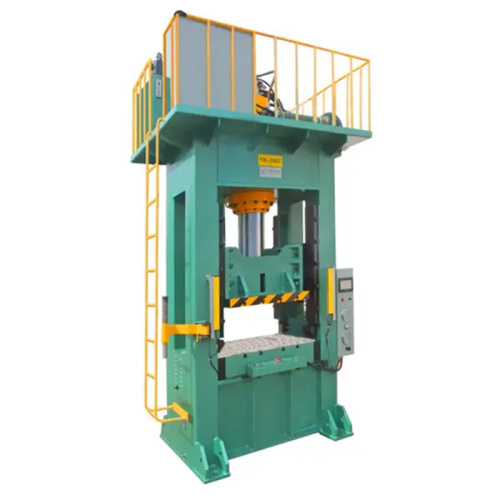
The 50T Press has earned the confidence of industry professionals through its combination of powerful performance, dependable operation, and precise control. Designed for demanding applications, it delivers consistent pressing force and efficient results across a wide range of industrial tasks. Its robust construction supports long-term durability, while reliable operation helps reduce downtime and maintain productivity. Whether used for forming, molding, assembly, or other heavy-duty processes, the 50T Press offers the strength, accuracy, and versatility that experts value in a high-performance machine.


A 50T press gives a workshop the force needed for demanding forming, straightening, bending, and bearing work without moving to a much larger machine. The real question is not only how much force the press can produce. I also need to check the frame, working width, stroke, pressure control, safety features, and service support.
A press rated at 50 tons can deliver about 100,000 pounds-force when the rating uses US short tons. Metric ratings may differ, so I always check the technical sheet before comparing machines.
I may use a 50T hydraulic press for tasks such as:
The correct capacity depends on the material, shape, tooling, and process. A 50T press may suit many heavy-duty workshop tasks, but it should not be selected from the tonnage number alone.
I start with the frame.
A rigid frame helps the machine manage pressing force with less unwanted movement. I review the steel construction, weld quality, bed support, and overall machine weight. A strong frame can support stable work, yet it does not replace correct setup or load alignment.
The working area also affects daily use. I look at:
A narrow bed may limit a job even when the press has enough force. A larger opening can make setup easier, but it may also increase the machine footprint.
Hydraulic performance affects how the work feels at the operator’s position.
I prefer a press with clear pressure control, a readable gauge, and smooth ram movement. Some jobs need a slow, controlled stroke. Other work needs faster approach movement before the ram meets resistance. The hydraulic system should match the task instead of forcing every operation to use the same motion.
A useful specification list may include:
These details help me compare two presses that both carry a 50T rating.
A workshop may use a press for one repair job today and a small production run tomorrow. Repeatable control can make the second task easier.
I check whether the press allows controlled ram movement and consistent bed positioning. For repeated work, I may use marked stops, fixed tooling, or a simple setup guide. These methods reduce variation between parts.
The machine does not create precision by itself. The operator still needs suitable dies, correct alignment, and a stable workpiece.
A repair shop may receive a bent steel bracket that needs straightening. The operator places the bracket on suitable supports, checks the load path, and brings the ram into contact. The pressure rises gradually while the operator watches the gauge and checks the bracket after each small movement.
A 50T press can provide a wide working range for this type of task. The result still depends on the bracket’s material, thickness, shape, and condition. If the part shows cracks or severe damage, pressing it back into shape may not be suitable.
For bearing work, the operator must support the surrounding housing rather than push against a fragile section. The tool should contact the correct race or surface. Poor support can damage both the part and the press.
Heavy force creates risk when a workpiece slips, breaks, or sits off-center. I look for safety features and clear operating procedures before the press enters the workshop.
Useful safety points include:
I keep hands away from the pressing area and use tools for positioning whenever possible. I also inspect hoses, fittings, pins, welds, and the frame before operation. The load should stay centered on the ram and bed.
The press should be placed on a level surface with enough space for loading, unloading, and maintenance.
A press is a long-term workshop tool, so I consider more than the purchase specification. I check whether the supplier can provide:
Support can reduce downtime when a gauge, seal, or fitting needs replacement. It also helps the operator confirm whether a new application matches the machine’s rated use.
Before placing an order, I ask direct questions:
Clear answers make it easier to compare equipment without relying on broad marketing claims.
A 50T press can be a practical choice when a workshop needs strong hydraulic force, controlled movement, and enough working space for repair or forming jobs. I judge the machine by its complete design: frame strength, hydraulic control, bed layout, safety features, tooling, and support.
The right press is not simply the one with the largest number on the label. It is the machine that matches the work, fits the workshop, and gives the operator a controlled way to complete each job.

When I work with bent shafts, seized bearings, heavy bushings, or stubborn metal parts, a small press can quickly become a source of delays. The frame may flex, the ram may lose alignment, and the operator may need repeated attempts to complete one task.
A 50T press offers a practical level of force for many repair, fabrication, and maintenance jobs. It is strong enough for demanding work while remaining easier to install and manage than a much larger industrial press.
Force for demanding repair work
A 50T press can deliver up to 50 tons of rated pressing force when used within its design limits. That capacity can support tasks such as:
The actual result depends on the material, part shape, contact area, press design, and ram position. A compact part may need less force than a large part with a wide contact surface.
I do not judge a press by tonnage alone. The frame, bed, ram, pump, and safety features all affect how well the machine performs.
A strong frame supports better control
Pressing force creates stress across the entire machine. A weak or poorly aligned frame may bend under load. That movement can affect the workpiece and increase the chance of damage.
A well-built 50T press usually includes a heavy frame, adjustable bed, stable base, and ram alignment that helps keep pressure more even. These details matter when I need to press a bearing into a housing without damaging the surrounding metal.
A stable bed also gives me more control over different workpiece sizes. I can adjust the working height, place supports under the part, and keep the pressing point centered.
Useful capacity without excessive size
A 50T press sits between small workshop presses and larger production machines. It can suit:
Space is often limited in a repair area. A machine that is too large may create access problems, require special installation, or remain unused for small jobs. A 50T model can provide substantial force while fitting into a more manageable work area.
The right size depends on the parts I handle, the available floor space, and the lifting equipment used to place materials on the bed.
Hydraulic control helps with difficult parts
Many 50T presses use a hydraulic system. Hydraulic pressure allows the operator to build force in a controlled way instead of relying on a sudden impact.
This matters when a part is tight, corroded, or slightly misaligned. I can apply pressure gradually, watch the movement, release the force, and adjust the supports when needed.
A hydraulic gauge can also help me track the load. The gauge does not replace safe working practice, but it gives useful information when I want to avoid applying more force than the part or tool can handle.
A practical workshop example
Imagine a repair shop working on an older agricultural machine. A steel bushing has seized inside a linkage arm. A small shop press cannot move it, while using heat or repeated hammer blows could affect nearby seals or change the shape of the arm.
With a 50T press, the operator can place the linkage on suitable supports, align a correctly sized pressing tool, and apply pressure slowly. If the bushing starts to move, the operator can continue while checking alignment. If it does not move, the operator can stop and inspect the setup rather than forcing the machine past its safe limit.
This process does not guarantee that every seized part will come out. Corrosion, deformation, and incorrect support can still prevent removal. The press gives the operator more working capacity and better control, not a substitute for correct preparation.
What I check before choosing one
I look at several points before selecting a 50T press:
Rated capacity
Confirm that the press is rated for 50 tons and check how the manufacturer defines that rating.
Working width and height
Measure the largest parts I expect to place on the bed. A high tonnage is less useful if the work area is too small.
Ram stroke
A longer stroke can reduce repositioning during a job. The suitable length depends on the parts and tools used.
Bed adjustment
An adjustable bed gives more flexibility for different component sizes.
Frame stability
Check the steel thickness, weld quality, base design, and overall resistance to movement.
Hydraulic components
Inspect the pump, hose, cylinder, gauge, seals, and pressure-release system.
Tool compatibility
Confirm that pressing plates, V-blocks, punches, and adapters fit the press and suit the work.
Operator protection
A guard, stable base, controlled release, and clear operating instructions support safer use.
Maintenance access
Hydraulic oil, seals, hoses, and moving parts need inspection. Easy access can reduce service time.
Safe operation remains part of the choice
A 50T press stores and releases a large amount of force. I keep the workpiece centered, use supports that can handle the load, inspect tools for cracks, and keep hands away from the pressing area.
I also avoid makeshift spacers, unstable blocks, damaged punches, and side loading. If the part begins to tilt, slip, crack, or deform, I release the pressure and reset the setup.
The press should stand on a firm, level surface. Operators need suitable eye protection and should follow the load limits, maintenance instructions, and safety guidance supplied with the machine.
A 50T press becomes a strong choice for tough jobs when its capacity matches the work, its frame remains stable, and the operator can control the pressing process. For many workshops, it offers a useful balance of force, working space, and day-to-day practicality.

A 50T shop press is made for repair work that calls for steady force, a solid frame, and enough working space to handle large parts. When a smaller press struggles with seized pins, stubborn bushings, or heavy bearings, the job can slow down and become harder to control.
I look for three things in a press: force that matches the work, a frame that stays stable under load, and controls that let me work at a measured pace. A 50-ton capacity gives a workshop more room for demanding tasks, while the actual working limit still depends on the press design, setup, and part being serviced.
A strong frame supports safer and more consistent work.
The frame carries the load during pressing. Thick steel construction, well-supported uprights, and a stable base help reduce unwanted movement when force is applied. The press should sit on a firm, level surface. If the floor is uneven or the base is not secured as required by the manufacturer, the press may shift during use.
The bed height also affects the job. A multi-position bed lets me create room for different parts, from compact bushings to longer shafts. I check the available opening before starting. A part that cannot sit flat between the bed and ram may need a different setup or another tool.
The hydraulic system should match the type of work.
A 50T hydraulic press can be used for jobs such as:
The press should not be judged by tonnage alone. Pump design, ram travel, bed opening, pressure control, and included accessories all affect daily use. I check whether the hydraulic gauge is easy to read and whether the ram can be controlled without sudden movement. Slow, controlled pressure gives me more time to watch the part and stop if it shifts.
Tool alignment matters as much as press capacity.
Before pressing a bearing, I support the part around the area that will receive the load. The adapter should contact the correct race or surface. For example, pressing on the inner race while installing a bearing onto a shaft can prevent force from passing through the rolling elements. Pressing on the wrong area may damage a new part even when the press itself is working correctly.
I use plates, blocks, or press accessories that are rated for the task. Improvised supports can crack, slide, or release stored energy. The workpiece must remain centered below the ram, and the support points should be balanced from side to side.
A simple work routine helps reduce mistakes:
I never stand directly in line with a loaded part or place my hands between the ram and workpiece. Eye protection, suitable gloves for handling parts, and work shoes should be part of the setup. Gloves should not be used near moving parts if they could catch on the equipment.
A practical example is a seized suspension bushing. A mechanic may remove the old bushing with a suitable adapter, clean the housing, check for damage, and press the replacement into place. The 50T press supplies the force, but correct support and alignment decide whether the housing and new bushing remain in good condition.
Maintenance keeps the press ready for the next job. I inspect hydraulic lines for leaks, keep the ram clean, lubricate moving points as directed, and check that bed pins are fully seated. A damaged gauge, cracked weld, bent support, or leaking hose is a reason to stop using the press until the issue is checked.
A 50T press suits workshops that handle heavy mechanical parts and need more force than a small bench unit can provide. It should be selected by looking at the complete working range, not just the number shown on the frame. When the press, tooling, part support, and operator technique work together, demanding repair tasks become easier to plan and more controlled.
Want to learn more? Feel free to contact Hu: dgliheng168@163.com/WhatsApp +8613509684273.
Occupational Safety and Health Administration 2024 Machine Guarding and Hydraulic Press Safety
International Organization for Standardization 2010 Safety of Machinery General Principles for Design Risk Assessment and Risk Reduction
International Organization for Standardization 2017 Machine Tools Safety Hydraulic Presses
Health and Safety Executive 1998 Provision and Use of Work Equipment Regulations
American Society of Mechanical Engineers 2022 Safety Requirements for Mechanical Power Presses
European Committee for Standardization 2015 Safety of Machinery Minimum Gaps to Avoid Crushing of Parts of the Human Body
Boost productivity by up to 40% with our powerful 50T hydraulic press, engineered for demanding industrial applications. Combining reliable performance, consistent pressure, and efficient operation
The 50T Press is engineered to deliver consistent, uniform pressure across every application, eliminating uneven densities and improving production reliability. With dependable force distribution,
The truth about 50T powder presses is that their value depends on more than nominal pressing force. With a maximum capacity of 50 tons, these machines can deliver consistent compaction for a wide r
The 50T Press is designed to help manufacturers achieve up to three times faster production while lowering operating costs. By improving processing efficiency and reducing time per cycle, it enable
Email to this supplier

November 21, 2026

November 20, 2026
Contact

Send Inquiry
PRODUCT CATEGORIES
Privacy statement: Your privacy is very important to Us. Our company promises not to disclose your personal information to any external company with out your explicit permission.
Fill in more information so that we can get in touch with you faster
Privacy statement: Your privacy is very important to Us. Our company promises not to disclose your personal information to any external company with out your explicit permission.