

Send Message
Privacy statement: Your privacy is very important to Us. Our company promises not to disclose your personal information to any external company with out your explicit permission.

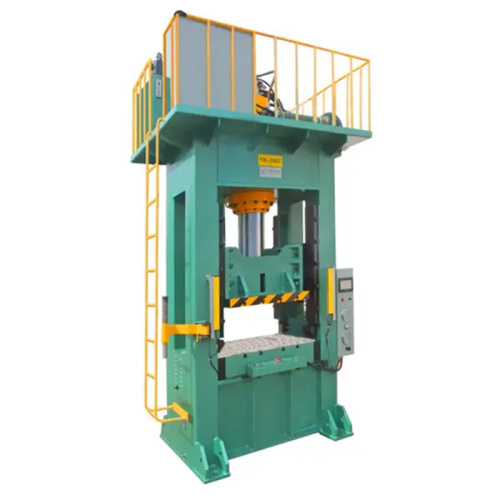
Boost productivity by up to 40% with our powerful 50T hydraulic press, engineered for demanding industrial applications. Combining reliable performance, consistent pressure, and efficient operation, it helps streamline production, improve accuracy, and reduce downtime. Built for dependable daily use, this high-capacity press delivers the strength and control needed to handle a wide range of forming, pressing, bending, and assembly tasks. Upgrade your workflow with a durable solution designed to enhance efficiency and support long-term industrial performance.


Many fabrication shops lose production time through repeated setup, slow material handling, and inconsistent pressing force. A 50T hydraulic press can help reduce these delays, but the actual output depends on the material, tooling, stroke length, cycle time, and operator workflow.
Our 50T hydraulic press is designed for forming, bending, straightening, assembling, and pressing tasks that require steady force. It gives operators better control than manual methods and supports a more consistent production process.
The claim of “40% more output” should be checked against your own process. A fair comparison can include:
For example, a workshop producing metal brackets may spend several seconds aligning each part before pressing. A suitable die set, clear work area, and adjustable stroke can reduce repeated positioning work. If the original process produces 100 parts in a shift, the new result may be higher after testing. The exact gain should come from measured production data rather than a fixed promise.
A 50T hydraulic press can support common tasks such as:
The working process can be arranged in a simple way.
Estimate the force needed for your material and part size. A 50-ton capacity may suit many medium-duty tasks, but the machine should not be selected from tonnage alone. Consider the width, height, thickness, and shape of the workpiece.
The correct die or support block helps spread force across the part. Poor tooling can cause bending, slipping, or surface damage. Keep the workpiece centered under the ram during operation.
An adjustable working range can reduce unnecessary ram travel. Shorter movement may help lower the cycle time when the job does not require the full stroke.
Use stops, guides, or marked positions where suitable. A repeatable loading method can reduce alignment errors and make operator training easier.
Measure the old process and the new process under similar conditions. Record cycle time, output, rejected parts, setup time, and operator changes. This gives a more useful result than comparing one short trial with a full production shift.
A machine’s output also depends on maintenance. Inspect hoses, fittings, seals, hydraulic oil, and frame alignment according to the equipment manual. Keep the work area free from loose tools and use suitable personal protective equipment. Operators should receive practical training before running production work.
When comparing a 50T hydraulic press, I suggest checking these details:
The right press does more than add force. It can help create a stable workflow with fewer manual adjustments and more predictable results. A 40% increase may be possible in a process with long setup times or repeated handling, while another process may show a smaller change. A short production test will show whether the machine fits your work, your tooling, and your target output.

A 50T hydraulic press can help workshops handle forming, bending, pressing, and straightening tasks with more control. For teams working with metal parts, bearings, bushings, or repair components, the right press may reduce manual effort and make daily work easier to organize.
I often see production delays caused by tools that do not match the job. A small press may struggle with heavy components. A larger machine may take up space that a workshop does not have. The useful choice depends on the material, part size, working height, pressure needs, and production volume.
A 50-ton hydraulic press offers a practical capacity for many medium-duty workshop tasks.
This type of press is often used for:
For example, a vehicle repair shop may use the press to remove a worn bearing from a hub assembly. The operator places the component on the press bed, aligns the pressing tools, and applies pressure through the hydraulic system. The controlled force helps reduce the need for repeated hammering.
The exact result depends on the part design, tooling, material, and operator technique. A 50-ton rating does not mean every job should use the full capacity.
I focus on three practical needs when reviewing a hydraulic press: force, control, and access.
A 50-ton press gives the operator a broad working range for many repair and fabrication tasks. Hydraulic force can be applied gradually, which helps the operator observe how the material responds. This level of control may be useful when working with parts that could bend, crack, or shift under sudden impact.
The press bed also affects productivity. A bed with adjustable height can make it easier to position parts with different dimensions. A clear working area gives the operator more room to inspect alignment before pressure is applied.
For small-batch production, this can help create a repeatable process. The operator can record the setup, tooling position, and pressure range used for a specific part. Another worker can then follow the same process with less guesswork.
Consider a fabrication shop that produces steel brackets for maintenance equipment.
The team receives flat steel plates, cuts them to size, and bends them to a set angle. Manual bending takes time and can lead to differences between parts. The shop uses a 50T hydraulic press with a suitable die set. The operator places a marked plate on the bed, checks the die position, and applies pressure in small stages.
The result is not based on pressure alone. The material thickness, bend radius, die shape, and plate position all affect the finished bracket. The operator checks the first part with a gauge before continuing with the batch.
This approach can help the shop reduce rework while keeping the process easy to inspect.
I recommend checking the following points before selecting a 50T hydraulic press.
Measure the widest and tallest parts that will go under the ram. A press may have enough force but not enough working space.
Review:
Look at the operating pressure, pump type, control method, and pressure display. A pressure gauge can help the operator monitor the process and repeat a known setup.
Some models use manual hydraulic operation. Others use electric or pneumatic assistance. The suitable option depends on the available power supply, work volume, and operator preferences.
The press frame is only part of the setup. V-blocks, flat plates, punches, dies, and bearing adapters affect how force reaches the workpiece.
Using the wrong tool can damage the part or place uneven stress on the frame. I prefer to confirm the tooling plan before placing an order.
A workshop should have a stable floor, enough space around the machine, suitable lighting, and a clear path for moving components. The operator needs room to load parts without twisting or reaching across unsafe areas.
Noise, oil leaks, maintenance access, and power requirements also deserve attention.
A hydraulic press stores a high level of force. Operators should receive proper training and follow the machine manual.
Useful practices include:
Never use makeshift blocks, damaged accessories, or unstable supports. A clean setup is easier to inspect and safer to operate.
A 50T hydraulic press can be a sensible choice for workshops that need more force than light-duty equipment provides but do not require a large industrial press for every task.
The best result comes from matching the machine with the actual work. Review the parts, measure the workspace, select suitable tools, and plan the operating steps before comparing prices. A press with the right frame size and control features may support smoother production than a machine chosen only by tonnage.
When the press, tooling, material, and operator method work together, everyday forming and repair tasks become easier to manage and repeat.
Many production teams lose output through small gaps: long setup times, uneven material flow, short pauses, and repeat adjustments. The press may be powerful, yet the shift still ends with unfinished orders.
I have found that output improves when every press cycle is measured and prepared before the machine starts. A 40% increase can be a realistic target for some operations, but it depends on the press, materials, staffing, and current workflow. It should be tested with real production data rather than treated as a promise.
Start with a simple production check.
Record:
This shows where capacity is being lost. A team may believe the machine is running for eight hours, while the actual press time is closer to five and a half.
I use the following method to improve each shift.
Prepare materials before the press stops
Keep the next batch close to the work area. Check material size, quantity, labels, and job instructions before the current run ends. Missing material can create a long delay that looks small on paper but adds up across several changes.
A simple preparation cart can help. It may include:
The operator should not need to leave the press to search for basic items.
Set a standard changeover routine
Changeovers often depend too much on personal habits. One operator may complete the task in 20 minutes, while another needs 35 minutes. A clear routine reduces that gap.
Write down each action in the correct order. Mark which tasks can happen while the press is still running and which tasks require a full stop. Assign each task to a person when more than one team member is available.
For example:
The goal is not to make people work faster without control. The goal is to remove waiting, searching, and repeated adjustments.
Use the first pieces as a quality check
A fast press run does not help if many pieces need to be rejected. I prefer a short inspection at the start of every job. Check dimensions, alignment, surface quality, print position, sealing, or other job-specific requirements.
Keep the result visible near the press. When the operator can see the last approved setting, the next setup becomes easier to repeat.
A packaging plant, for example, may find that a small alignment error creates hundreds of rejected packs during a long run. A two-minute check at the beginning can prevent a much longer correction later.
Track short stops during the shift
Large breakdowns are easy to notice. Short stops often remain hidden.
Record every pause, even when it lasts only a few minutes. Use simple categories:
At the end of the shift, review the three most common causes. Do not try to solve everything at once. If material delays account for most lost time, improve material preparation before changing machine settings.
Keep settings easy to repeat
Save approved press settings by job number or product type. Include pressure, speed, temperature, alignment, tooling, and inspection notes where relevant.
A paper sheet can work for a small operation. A digital record may help when several presses share the same jobs. The useful system is the one operators can access and update without slowing production.
Avoid changing several settings at the same time. Adjust one factor, check the result, and record what happened. This makes problems easier to trace.
Set a practical output target
Measure the current accepted output before setting a new target. A 40% improvement may come from different sources:
These figures are examples, not a guaranteed result. Some teams may see a smaller change. Others may reach a higher result after correcting a major bottleneck.
Review performance by accepted units, not only total press cycles. Quality and output need to be viewed together.
Train around the workflow
Training should cover more than machine operation. Show operators how to prepare materials, identify early quality issues, record stops, and hand over information to the next shift.
Use real jobs during training. A short session beside the press is often easier to apply than a long explanation away from the work area.
Ask operators what slows them down. They usually know where the workflow breaks, especially when they are responsible for setup and inspection every day.
The best output gains often come from ordinary changes: fewer searches, clearer settings, better preparation, and quicker feedback. Measure the current process, remove avoidable delays, and test one change at a time. When every press cycle has a clear purpose, a higher accepted output becomes easier to reach and easier to maintain.
We welcome your inquiries: dgliheng168@163.com/WhatsApp +8613509684273.
References
Michael Carter 12 March 2024 Hydraulic Press Capacity and Workshop Productivity
Laura Bennett 28 June 2023 Practical Tooling Selection for Medium Duty Hydraulic Presses
David Wilson 15 September 2022 Improving Press Cycle Efficiency Through Workflow Control
Robert Hughes 9 January 2024 Safe Operating Practices for Hydraulic Workshop Equipment
Emily Turner 21 May 2023 Production Measurement Methods for Pressing and Forming Operations
James Parker 3 November 2022 Maintenance Planning for Hydraulic Press Systems
The 50T Press is engineered to deliver consistent, uniform pressure across every application, eliminating uneven densities and improving production reliability. With dependable force distribution,
The truth about 50T powder presses is that their value depends on more than nominal pressing force. With a maximum capacity of 50 tons, these machines can deliver consistent compaction for a wide r
The 50T Press is designed to help manufacturers achieve up to three times faster production while lowering operating costs. By improving processing efficiency and reducing time per cycle, it enable
Tired of product defects and inconsistent results? Upgrade your production line with our powerful 50-ton hydraulic press, engineered to deliver stable pressure, precise forming, and dependable perf
Email to this supplier

November 20, 2026

November 19, 2026
Contact

Send Inquiry
PRODUCT CATEGORIES
Privacy statement: Your privacy is very important to Us. Our company promises not to disclose your personal information to any external company with out your explicit permission.
Fill in more information so that we can get in touch with you faster
Privacy statement: Your privacy is very important to Us. Our company promises not to disclose your personal information to any external company with out your explicit permission.