

Send Message
Privacy statement: Your privacy is very important to Us. Our company promises not to disclose your personal information to any external company with out your explicit permission.

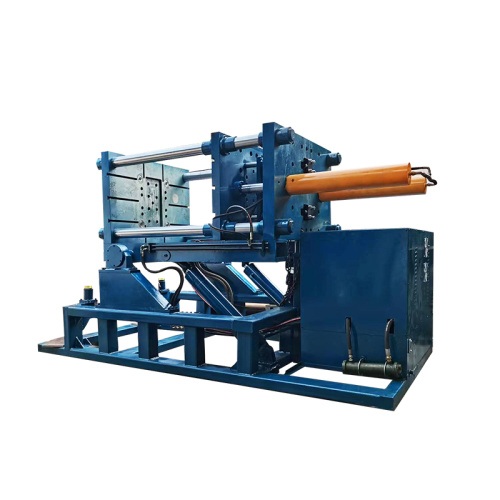
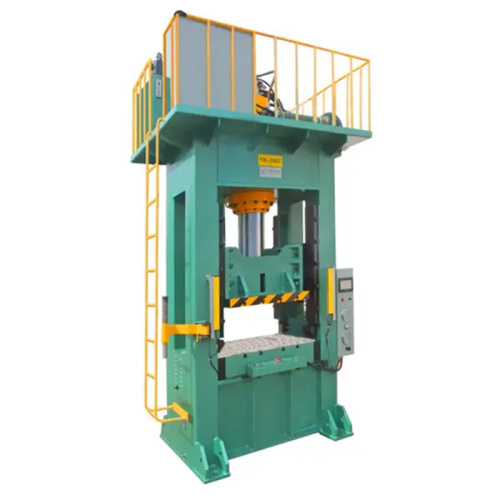
The 50T Press is designed to help manufacturers achieve up to three times faster production while lowering operating costs. By improving processing efficiency and reducing time per cycle, it enables businesses to increase output, optimize resources, and enhance overall profitability. A practical solution for manufacturers seeking greater productivity and a stronger competitive edge.

When every press cycle takes longer than expected, production slows down, operators wait, and orders become harder to manage. A 50T press designed for faster operation can help reduce idle time without asking your team to change the entire workflow.
The 50T Press is promoted as operating up to 3x faster than a standard setup under matched test conditions. Actual speed can vary with material, stroke length, pressure settings, operator use, and maintenance.
I look at three points before choosing a press:
A 50-ton capacity suits many forming, pressing, bending, and assembly tasks. The correct setup still depends on the material and tooling. A heavier rating does not automatically mean better results.
Picture a small fabrication shop pressing metal brackets. With an older machine, the operator may spend extra time waiting for the ram to return and resetting the workpiece. A faster 50T press can shorten the gap between cycles, allowing the operator to focus on loading, alignment, and quality checks.
The useful question is not only, “How fast is the press?”
Ask:
A practical test should use your material, your tooling, and your normal settings. Record the full cycle time instead of measuring only the downward stroke. Include loading, pressing, return, and unloading. This gives a more useful view of daily performance.
I also recommend checking the safety features before comparing speed. A press should support controlled operation, clear access, and suitable guarding. Faster movement should not replace safe working practices.
The 50T Press may suit workshops that need more output from a compact pressing process. The 3x faster claim should be reviewed against test conditions rather than treated as a fixed result for every application.
Ask for the specifications, cycle-time data, and application guidance. A clear comparison can show whether the press matches your material, tooling, production pace, and workspace.

Many businesses try to cut costs by reducing staff, lowering product quality, or choosing cheaper materials. These moves can reduce spending on paper, yet they may create delays, rework, and customer complaints.
I prefer a different approach: remove waste before removing value.
When I review a workflow, I look at three questions:
That view helps a team spend less while keeping output steady.
I start by writing down each step from order to delivery.
A small online clothing store may handle an order through these stages:
The list often shows hidden delays. A worker may check stock in one system, update it in another system, then ask a colleague to confirm the same information. Each action takes only a few minutes. Across hundreds of orders, those minutes become a large labor cost.
A simple process map gives me a clearer starting point than a general instruction such as “work faster.”
Not every busy task creates useful output.
I ask employees to mark tasks that involve:
A furniture workshop may discover that staff walk across the building several times each day to collect screws, labels, or packing tape. Moving these supplies closer to the work area can save time without changing the product.
The same idea works in an office. Shared templates, clear file names, and standard request forms can reduce repeated messages and missing details.
Software can help, but it does not fix a confusing process by itself.
I test a small manual change before choosing a new tool. If the team cannot explain the process clearly on paper, automation may only make the confusion move faster.
A customer service team could use a simple request form with fields for order number, customer need, and required action. After the form works well, the company can decide whether a help desk system is useful.
This approach limits unnecessary software fees and gives employees time to adjust.
Large batches may look efficient because they reduce setup work. They can also hide problems until many items are affected.
A bakery that prepares all products in one large batch may discover late in the day that one ingredient was measured incorrectly. The error then affects many items.
Smaller batches give the team earlier feedback. The bakery can adjust the recipe, timing, or quantity before more ingredients and labor are used.
This idea appears in Toyota’s production system, which uses methods linked to reducing excess inventory and finding process problems earlier. A small business does not need to copy the whole system. It can apply one simple habit: make only what the current demand and production plan support.
Too many metrics can distract a team. I usually begin with four:
These numbers show whether a change helps both cost and output.
For example, a company may reduce packaging expenses by using thinner materials. If damaged shipments increase, the lower material cost may not help the business. The team should compare the full cost, including returns, replacements, staff time, and customer support.
A useful measure should guide a decision. It should not exist only in a report.
The people doing the work often see problems before managers do.
I would create a simple weekly question:
“What made your work harder than it needed to be?”
An employee may mention a missing label printer, unclear approval rules, or a stock list that is not updated. These details can point to low-cost changes.
The company should respond to useful suggestions with action or a clear explanation. If employees submit ideas and hear nothing back, participation will fade.
Cost control should not weaken the customer experience.
I separate expenses into three groups:
The third group deserves attention before the first two.
A restaurant may save money by reducing portion size, but customers may see that change at once. Adjusting delivery routes, reducing food waste, or improving staff scheduling may lower costs with less effect on the customer.
Cutting costs works best when it removes friction rather than value. I begin with the process, test one change, measure the result, and keep the change only when it improves the work. That method can help a business lower avoidable spending while giving its team more time to produce, serve, and improve.
Many teams want to triple production speed, yet adding pressure rarely solves the real problem. Delays often come from repeated approvals, unclear work instructions, machine downtime, material shortages, and too much movement between steps.
I look at production speed as a workflow issue rather than a simple labor issue. A faster process should reduce waiting and rework while keeping product quality within the agreed standard.
I would use this process.
Measure the current workflow
I start by recording the full production cycle:
A small furniture workshop may report that one table takes two hours to produce. After tracking the process, the team may find that only 55 minutes involve direct work. The rest is spent looking for tools, waiting for cutting equipment, checking measurements, and fixing small errors.
That difference shows where the speed problem sits.
Remove repeated movement
Tools, materials, and packaging should stay close to the point of use. Workers should not walk across the workshop for every small item.
I usually suggest marking fixed locations for:
A simple layout change can reduce wasted steps without adding staff or equipment. It also makes training easier because each item has a known place.
Create clear work instructions
A short instruction sheet can prevent many questions during production. It may include:
The instructions should match the actual work. If the document describes a process that workers do not use, it will not improve output.
Divide work into stable stages
A production line becomes easier to manage when each stage has a clear role. For example:
Each stage should have a reasonable workload. If assembly takes 20 minutes while preparation takes five minutes, assembly may become the main queue. Adding more work to preparation will not solve that delay.
The goal is balance. Every stage needs enough capacity to support the next one.
Reduce changeover time
Frequent product changes can reduce output even when workers move quickly. I would group similar orders together when customer requirements allow it.
A printing company may produce three small batches of the same paper size in one run. This can reduce repeated cleaning, material replacement, and machine adjustment.
Changeover time should be measured and recorded. A team cannot improve a delay that it does not track.
Use quality checks during production
Finding a defect at the end of the line can create long rework queues. A small check after each key stage helps catch problems earlier.
For example:
This approach does not remove the need for final inspection. It helps prevent a large number of defective items from reaching the last stage.
Maintain machines before they stop
Unplanned downtime can erase the gains from a faster workflow. A simple maintenance schedule may include:
A food packaging team may discover that a sealing machine loses several minutes each hour because of worn parts. Replacing the part can improve stable output more than asking operators to work faster.
Set a realistic speed target
A three-times production target should be tested in stages. I would avoid promising that every product, shift, and worker will reach the same result.
A practical test may look like this:
If output rises while defects and safety risks also rise, the process has not truly improved.
My view is simple: production speed comes from better flow, not constant pressure. Clear instructions, balanced stages, shorter movement paths, reliable equipment, and early quality checks can create room for more output.
The best result is not the highest number recorded on one busy day. It is a production level the team can repeat without causing avoidable errors, machine damage, or excessive strain.

A press line can look busy and still lose output through small delays.
A feeder may pause for a few seconds. A die may need repeated adjustment. Material may arrive with uneven thickness. Operators may spend more time checking defects than running the line. Each issue seems minor, yet the combined effect can reduce production, increase scrap, and make delivery planning harder.
When I review a press line, I do not start by asking how fast the press can run. I start by asking where the line loses stable production.
I track the line across a full production shift and record:
This gives me a clearer view than looking only at the press speed.
A line that runs at 60 strokes per minute may produce less than a line running at 50 strokes per minute if it stops often. Stable production usually creates better results than a high setting that causes repeated faults.
I also separate planned stops from unplanned stops. A scheduled die change can be measured and improved. An unexpected sensor fault needs a different response.
The press must suit the material, die, part size, and forming demand.
I check:
A press that is too small may create overload risk and unstable forming. A press that is much larger than needed may raise operating costs without improving the part.
For example, a supplier producing small steel brackets may not need the same press setup used for large automotive panels. The correct choice depends on the part design and production plan, not on press size alone.
Feeding problems often appear as die problems. A strip may enter at the wrong angle, shift during indexing, or carry excess oil into the die area.
I inspect the full feed path:
Small alignment changes can affect hole position, edge quality, and forming accuracy.
I prefer settings that operators can read and repeat. Clear scale marks, simple adjustment records, and fixed reference points help reduce guesswork between shifts.
Die changes can consume a large part of available production time. The work often starts before the press stops.
I prepare:
The next die should be checked before it reaches the press. Missing tools or unclear setup data can extend the change and create avoidable waiting.
I also record the actual time for each change. This shows where the delay happens. One team may spend most of the time removing the old die. Another may lose time during first-piece approval. Each case needs a different improvement.
A press line should not depend on final inspection to find every issue.
I place simple checks close to the process:
When a defect appears, I look for the process change that created it. The cause may be worn tooling, incorrect feed pitch, poor lubrication, material variation, or a damaged sensor.
A practical example is a stamped bracket with a hole that moves out of position after several hours of production. Replacing the sensor may not solve the problem if the feeder roll is losing grip as oil builds up. The repair needs to address the actual cause.
Repair records show what failed. They do not always show what is becoming weak.
I monitor:
A short stop that happens several times per shift deserves attention. It may point to a larger fault that has not appeared yet.
I use simple maintenance categories:
The schedule should follow the equipment manual and the line’s actual working conditions.
Operators work closest to the press. Their observations often reveal problems before a report reaches maintenance.
I ask operators to record:
A short note such as “feeder slips after oil level rises” can be more useful than a general comment such as “line stopped.”
Training should cover safe operation, setup checks, alarm response, quality checks, and escalation rules. The goal is not to make every operator repair the machine. The goal is to help them identify conditions that need support.
A production dashboard is useful when it helps people act.
I track a small set of measures:
The data should be reviewed by the people who can change the result. A maintenance team may focus on repeated faults. A production team may focus on changeover work. A quality team may focus on defect patterns.
Too many measures can hide the main problem. A short list creates better discussion.
I normally use this sequence:
This approach avoids changing several variables at the same time. If the press speed, feeder setting, lubricant level, and die condition all change together, it becomes difficult to know what helped.
A useful improvement may be simple. Better coil preparation can reduce feeding issues. A clearer die checklist can shorten setup work. A sensor cleaning routine can prevent repeated stops. The right action depends on the evidence from the line.
Press line improvements must support safe work.
I check that:
A faster line is not a better line if it creates new risks. Production targets should never replace required safety procedures or equipment instructions.
A strong press line is not defined by speed alone. It is defined by stable feeding, suitable tooling, controlled quality, trained operators, planned maintenance, and useful production data.
I start with the losses that can be measured. I involve the people who work on the line. I test changes one at a time and keep the settings that produce reliable results. That is how a press line gains useful output without creating new quality or safety problems.
Many businesses want more output without adding staff, buying larger equipment, or pushing people to work faster. The pressure often comes from the same problems: repeated manual tasks, unclear priorities, slow approvals, material waste, and machines that sit idle.
I believe lower cost starts with better control of daily work. Cutting corners may reduce a bill for one month, but a clear process can improve output over a longer period while protecting quality.
The work begins with a simple review.
Write down the main steps from order receipt to delivery. Include the time spent on:
This list often shows where time is lost. A team may spend only six hours producing an item but use another three hours waiting for approval, searching for materials, or fixing avoidable errors.
I recommend measuring three basic numbers:
These figures create a useful starting point. They also reduce guesswork. A team may believe that production speed is the main issue, while the data shows that order changes are causing most delays.
The next step is to remove repeated work.
If employees enter the same customer details into several files, one shared form can reduce duplicate entry. If the same questions appear in customer emails, a clear information sheet can shorten communication. If workers search for tools at the start of every shift, labeled storage can return several minutes to the team each day.
Small changes can add up.
A packaging shop provides a simple example. The team handles 240 orders each week. Workers often stop production to look for labels, confirm box sizes, or ask about delivery instructions. The owner groups common materials near the work area, creates a standard order form, and sets a fixed time for handling delivery questions.
The team does not work longer hours. It simply spends less time leaving the production line. After four weeks, the owner compares the results:
The exact result will vary by business. The useful lesson is the method: measure the delay, change one part of the process, and review the numbers again.
Clear priorities also help control cost.
When every task appears urgent, employees switch between jobs. This creates unfinished work and increases mistakes. I prefer a daily work list with three levels:
The list should be visible to the people doing the work. A short morning check can answer three questions:
This keeps decisions close to the work. It also prevents small issues from becoming late deliveries.
Quality checks should happen during production, not only at the end.
A final inspection may find a problem after materials, labor, and packing costs have already been used. A check after each key stage can catch errors earlier. For a food packaging line, that may include label position, package count, seal condition, and order code. For a service company, it may include customer details, required documents, and delivery time.
A short checklist is often enough. It should contain only the points that can cause a real problem. Long forms may be ignored when workers are under pressure.
Equipment use deserves attention as well. A machine that runs for eight hours may not produce eight hours of useful output. Record setup time, idle time, maintenance time, and production time. This helps separate machine capacity from actual use.
If a machine is idle because materials arrive late, buying another machine will not solve the main problem. Better scheduling may create more output at a lower cost.
Technology can support this work, but it should solve a known problem. A shared spreadsheet may be enough for a small team. A simple order system may help when several people need the same information. The tool should make work easier to track, not add more steps.
Cost control also needs a human view. Reducing staff without checking the process can increase overtime, rework, and customer complaints. Training people to handle more than one task can create flexibility, but the training time should be planned and measured.
I use a simple review cycle:
This approach keeps improvement practical. It avoids large spending based on assumptions and gives the team a clear way to learn from daily work.
More output does not always come from working harder. It often comes from waiting less, repeating less, correcting fewer mistakes, and using existing resources with better planning. When the process becomes easier to follow, the team can serve more customers without treating higher cost as the only path to growth.
Want to learn more? Feel free to contact Hu: dgliheng168@163.com/WhatsApp +8613509684273.
Taiichi Ohno | 1988 | Toyota Production System: Beyond Large-Scale Production
James P Womack Daniel T Jones and Daniel Roos | 1990 | The Machine That Changed the World
Shigeo Shingo | 1989 | A Study of the Toyota Production System: From an Industrial Engineering Viewpoint
Jeffrey K Liker | 2004 | The Toyota Way: 14 Management Principles from the World’s Greatest Manufacturer
Michael L George | 2002 | Lean Six Sigma: Combining Six Sigma Quality with Lean Speed
Donald J Wheeler and David S Chambers | 1992 | Understanding Statistical Process Control
Tired of product defects and inconsistent results? Upgrade your production line with our powerful 50-ton hydraulic press, engineered to deliver stable pressure, precise forming, and dependable perf
50T powder molding technology provides the controlled force and stability needed to produce precise, reliable powder compacts for demanding manufacturing applications. By applying up to 50 tons of
Before buying a 50-ton press, take a closer look than the tonnage alone. The right machine should match your production needs, material requirements, tooling, and expected workload. Evaluate its tr
The 50T Press combines powerful 50-ton force with an ultra-fast 10-second cycle time, delivering consistent, high-precision results in every operation. Designed for demanding production environment
Email to this supplier

November 17, 2026
November 16, 2026
Contact

Send Inquiry
PRODUCT CATEGORIES
Privacy statement: Your privacy is very important to Us. Our company promises not to disclose your personal information to any external company with out your explicit permission.
Fill in more information so that we can get in touch with you faster
Privacy statement: Your privacy is very important to Us. Our company promises not to disclose your personal information to any external company with out your explicit permission.