

Send Message
Privacy statement: Your privacy is very important to Us. Our company promises not to disclose your personal information to any external company with out your explicit permission.

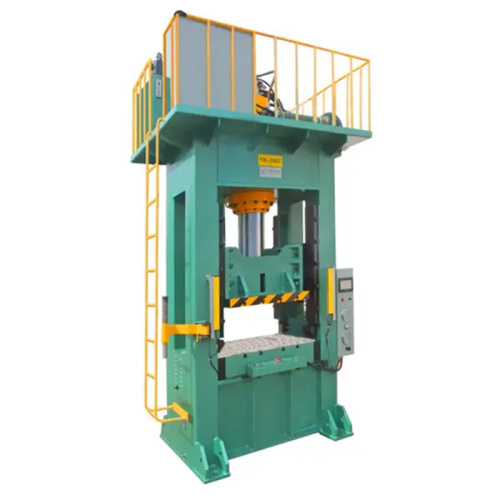
Tired of product defects and inconsistent results? Upgrade your production line with our powerful 50-ton hydraulic press, engineered to deliver stable pressure, precise forming, and dependable performance across demanding manufacturing applications. By improving process consistency and reducing variations, it helps support higher-quality output, greater efficiency, and more reliable production. Choose a practical solution for stronger, smoother, and more consistent manufacturing results.


Defects can appear at several points in a forming or repair process. A part may sit unevenly, a bushing may remain partly in place, or a metal component may bend under uncontrolled force. These problems often lead to rework, material waste, and extra inspection time.
I use a 50T hydraulic press to bring more control to these tasks. Its 50-ton rated capacity can support many workshop jobs, including part forming, bearing removal, bushing replacement, straightening, and controlled assembly. The result depends on the press design, tooling, material, and operator setup, so the machine should always be selected for the actual load and workpiece.
A hydraulic press applies force through a cylinder rather than relying only on manual impact. This gives me a steadier process when I need to press a part into position or remove a tight component.
Common applications include:
For example, an automotive repair shop may use a 50T hydraulic press to remove a worn bushing from a suspension component. The operator can place the correct support blocks under the part, align the pressing tool with the bushing, and apply force gradually. This approach gives the part more support than repeated hammering and helps reduce damage caused by uneven impact.
The press itself does not remove every defect. Good results come from the combination of machine capacity, suitable tooling, proper alignment, and careful operation.
I normally check the workpiece before applying pressure. Cracks, sharp edges, loose sections, or weak welds can create a safety risk. The frame, cylinder, hydraulic lines, gauge, and worktable also need a basic inspection.
The work area should follow this sequence:
This process helps me identify setup problems before they turn into damaged parts.
A 50T hydraulic press is suitable for many medium and heavy workshop tasks, yet the rated capacity should not be treated as a target for every job. The required force may change with material strength, part size, contact area, friction, and tooling shape.
A small bushing may need much less than 50 tons. A thick steel component may require more force than expected. I check the workpiece data and tooling limits before selecting the press. If the calculated load is close to the machine rating, a larger press or a different process may be more suitable.
The following points can help with selection:
A wide working area can help with large parts. A longer stroke may suit deeper pressing jobs. An easy-to-read gauge supports better control during repeated work.
Many pressing defects come from poor alignment rather than a lack of force. If the ram pushes at an angle, the part may deform or the tooling may slip. Support blocks should be placed under strong areas of the workpiece, not under thin edges or unsupported sections.
I also avoid using loose objects as spacers. Properly rated plates, blocks, and pressing tools offer a more stable setup. Operators should wear suitable eye and hand protection, keep clothing away from moving parts, and follow the machine’s operating instructions.
Hydraulic oil and seals need regular inspection. A leak can affect pressure control and create a maintenance concern. The gauge should be checked when readings appear unusual. A clean work area makes it easier to spot oil leaks, cracks, or damaged fittings.
A fabrication shop may need to straighten a bent mounting bracket. The operator can place the bracket between stable supports, position a suitable pressing tip at the bent section, and increase force in small steps. After each step, the operator checks the angle instead of forcing the part in one movement.
This method can help prevent overcorrection. It also gives the operator a chance to stop when the bracket reaches the required position. If the metal shows a crack or severe distortion, replacement may be safer than continued pressing.
A 50T hydraulic press can support many forming and repair tasks when its capacity matches the job. It can help reduce uneven impact, improve control, and support a repeatable workshop process.
I see the best results when the press is treated as part of a complete work method. The operator checks the part, chooses suitable tooling, aligns the load, applies pressure gradually, and maintains the hydraulic system. That approach helps address defects without placing unnecessary stress on the machine or the workpiece.

A 50T hydraulic press can help manufacturers improve forming accuracy and reduce defects in parts such as brackets, bushings, plates, and small assemblies. Yet press capacity alone does not solve every production problem. Uneven material, poor die alignment, unstable pressure, and incorrect stroke settings can still create bends, cracks, wrinkles, and inconsistent dimensions.
I focus on the complete pressing process rather than the tonnage shown on the machine label.
A 50T press applies up to 50 tons of force, depending on its design and working conditions. The required force changes with the material, thickness, shape, die design, and forming depth.
Before production begins, I check:
A press that operates near its maximum load for every cycle may face faster wear and less stable performance. Selecting a suitable working range gives the machine more room to handle normal changes in material and tooling.
Many defects that appear to be pressure problems come from poor alignment.
When the upper die and lower die do not meet evenly, one side of the part may receive more force than the other. This can cause angled bends, uneven edges, or marks on the finished surface.
I inspect the following points during setup:
A simple alignment check can prevent repeated defects across an entire batch. I also use a test piece before regular production. The test part shows whether the die is centered and whether the material sits in the correct position.
More pressure does not always produce a better part. Excessive force may damage the die, deform the workpiece, or leave visible marks on the material.
I set the pressure according to the forming task and increase it only when the part needs more force. The stroke should also match the die height and forming depth. An overly long stroke can add unnecessary movement, while a short stroke may leave the part incomplete.
For a small steel bracket, for example, I may check the bend angle, flange height, and edge condition after each setup change. A small adjustment to the stroke or pressure setting can reduce variation without changing the die.
A well-adjusted press can still produce inconsistent parts when operators place the material differently in each cycle.
I use stops, guides, or simple positioning fixtures to keep every blank in the same location. This helps maintain:
In a workshop producing mounting plates, a basic locating stop can reduce errors caused by manual placement. The fixture does not need to be complex. It needs to be stable, easy to check, and suitable for the part design.
Machine settings provide useful information, but the finished part shows the actual result.
I check sample parts for:
When a defect appears, I record the material batch, die position, pressure setting, stroke, and operator adjustment. This makes it easier to identify patterns instead of changing several settings at the same time.
A practical inspection routine often works better than constant trial and error. It also helps separate tooling problems from material problems.
Wear can change press performance over time. Loose connections, low hydraulic oil, contaminated fluid, damaged seals, and worn guides may affect pressure stability and ram movement.
I include these checks in routine maintenance:
Maintenance records help show when a change began. If dimensions drift after many production cycles, the cause may be wear rather than an incorrect original setting.
A 50T hydraulic press delivers more useful results when force, alignment, material placement, and maintenance work together. I do not treat tonnage as a guarantee of precision. I use it as one part of a controlled process, supported by suitable tooling, clear setup checks, and regular part inspection.

Rework often starts with a small problem: uneven pressure, poor alignment, or a setup that changes from one job to the next. A part may look acceptable at first, then show dents, bends, or incomplete forming during inspection.
I use a 50T hydraulic press to bring more control to these tasks. The press applies strong, steady force for jobs such as bearing removal, bushing installation, shaft straightening, plate forming, and controlled assembly. It does not replace good tooling or operator judgment, but it can make the process easier to repeat.
A cleaner result begins with the setup.
This routine helps reduce common problems. A bearing that enters at an angle may damage the housing. A shaft that is supported at only one point may bend in the wrong area. A plate pressed without suitable backing may develop marks or an uneven curve.
The 50T capacity gives me a wider working range than a small manual press, while the actual force still needs to match the job. I do not treat the rated capacity as a reason to apply maximum pressure to every part. Material strength, contact area, tool shape, and alignment all affect the result.
A simple workshop example shows why this matters. Imagine a repair team replacing bushings in several metal arms. When the old setup relies on a hammer, each bushing may enter at a different angle. The team spends extra time checking fit and correcting damaged edges. With a hydraulic press, the arm can be supported, the bushing can be aligned, and pressure can be added gradually. The team still needs the correct mandrel and support blocks, yet the process becomes easier to monitor.
The press can also help with straightening work. I mark the high point, support the part at suitable locations, and apply small pressure changes while checking the shape. Pressing too far in one movement can create a new bend, so slow adjustments are often safer and easier to control.
A good setup also protects the equipment and the operator.
The right tooling has a direct effect on the finish. Flat plates suit some pressing jobs. V-blocks support round stock. Pressing cups and mandrels can help with bearings and bushings. If the tool touches the wrong area, even a well-built hydraulic press may leave marks or damage the part.
I also record the settings that produce a good result. Notes can include the part type, support position, tool used, pressure range, and final measurement. When a similar job returns, the operator has a useful reference instead of starting from zero.
A 50T hydraulic press is a practical choice for workshops that handle repair, assembly, forming, or maintenance work. Cleaner results come from the full process: suitable force, steady movement, correct support, and careful inspection. When these details are handled well, the press can help reduce avoidable rework without making claims that the machine alone can solve every production issue.

When a repair job involves stubborn bearings, bent brackets, bushings, or metal parts that will not move by hand, a small press can slow the whole process. I need steady force, a stable frame, and enough working room to position each part without guesswork.
A 50T hydraulic press gives me a practical level of pressing power for many workshop tasks. It can support repair, fabrication, maintenance, and forming work when the material, tooling, and press setup match the job.
A 50-ton press applies controlled force through a hydraulic system. The force does not depend on sudden impact, so I can increase pressure in a measured way and watch how the part responds.
Common tasks include:
The press is not a replacement for every machine. Thick materials, unusual shapes, or jobs that require high accuracy may need dedicated tooling or another type of equipment. I check the material, part size, pressing direction, and required force before starting.
Press capacity is only one part of the buying decision. I also look at the space between the bed and the ram, the usable bed width, the ram stroke, and the way the bed height can be adjusted.
A press with limited clearance may have enough force but still fail to fit the part. A wider working area gives me more room to place support blocks and align the workpiece. Adjustable bed positions help me keep the ram closer to the part, which can make the operation easier to control.
I measure the parts I work with most often. This simple step can prevent a mismatch between the press and my daily repair needs.
I use a steady process for each job.
I check for cracks, sharp edges, loose pieces, and signs of stored tension. A bent component can move in an unexpected direction when pressure is applied.
I place the part on supports that can carry the load. The supports need to remain stable and sit evenly on the press bed. Improvised blocks, damaged stands, or materials that can split may create a safety risk.
I align the ram, part, and supports along the same line. Off-center loading can place extra stress on the frame, tooling, or workpiece.
I operate the hydraulic system with controlled movement. If the part does not move, I stop and check the setup instead of adding pressure without a clear reason.
After the part reaches the desired position, I release the pressure gradually. I keep my hands away from pinch points and wait until the load has settled before removing the part.
This process takes little time, yet it helps me avoid many common setup errors.
Imagine a repair shop replacing a seized bushing in a suspension component. The technician cleans the part, selects supports that leave the bushing path open, and places the component under the ram. The technician then applies pressure in small steps.
If the bushing stays in place, the technician checks for a retaining ring, corrosion, or poor alignment. The press is not used to force the issue without inspection. Once the cause is understood, the setup can be corrected and the job can continue with less risk of damage.
The same approach applies to bearings, pins, and brackets. The press supplies the force, while the operator controls the setup and the pace.
I compare the press with my actual work instead of choosing by tonnage alone.
I look at:
A pressure gauge can help me monitor the load during a job. Pressing plates and adapters can improve support, though the included tooling may not suit every part. I check the product specifications and confirm what comes with the unit.
The rated 50T capacity should not be treated as a target for every task. The press, tooling, and workpiece all need to be suitable for the applied load. I follow the operating instructions and use protective equipment that fits the work.
I keep the press area clean and well lit. Oil, loose tools, and metal fragments can affect stability. I also inspect hydraulic lines, fittings, pins, and the frame before use.
When a job needs repeated pressing, I record the setup that worked well. Notes about support height, adapter size, and part position can save time on similar repairs. I avoid relying on memory when several parts have similar shapes.
I also leave enough room around the press for safe movement. A clear work area makes it easier to step back, inspect the part, and handle larger components.
A 50T hydraulic press can be a useful addition to a repair or fabrication workspace when its capacity and dimensions match the work. I focus on alignment, support, pressure control, and regular inspection. That approach helps me use the available force with more control and reduces the chance of damage caused by poor setup.

A 50-ton hydraulic press can help me reduce forming defects when the press capacity, tooling, material, and working method match the job. Many production problems do not come from pressing force alone. Uneven loading, poor die support, incorrect pressure, and worn tooling can lead to bending marks, cracks, deformation, or inconsistent part dimensions.
I use a 50-ton press as part of a controlled forming process, not as a stand-alone fix.
When I see rejected parts, I check several points:
A press with enough force may still produce poor parts if these conditions remain unchanged.
A 50-ton hydraulic press provides controlled force for tasks such as:
Hydraulic pressure can be adjusted to suit the material and forming stage. This gives me more control than using a fixed-force method for every part.
The press may also help reduce sudden impact on the workpiece. A smoother pressing action can lower the risk of sharp deformation, especially when the tooling is correctly matched to the material.
Imagine a workshop producing mild-steel mounting brackets. Operators notice that some brackets have different bend angles after pressing. A basic review shows three causes:
The workshop can improve the process by adding a positioning stop, checking die alignment, and setting a repeatable pressing distance. The 50-ton capacity gives enough force for the selected bracket size, while the controlled setup helps maintain more consistent results.
The press does not remove every possible defect. It supports a better process when the surrounding conditions are managed.
I begin with the material type, thickness, width, forming shape, and tool design. The required force should stay within the press rating and the tooling limits.
A 50-ton press should not be selected only because the number sounds suitable. I also review:
If the job needs force close to the machine limit, I review the application with the equipment supplier or engineer before production.
A suitable die can make a large difference in part quality. I check whether the die supports the workpiece across the correct area and whether the forming radius suits the material.
Poor tooling may cause:
Replaceable dies and correctly sized spacers can also make setup changes easier between different part sizes.
Off-center loading can place extra stress on the ram, frame, and tooling. It can also create uneven pressure across the part.
I use visible center marks, stops, guides, or a simple fixture when the application requires repeatable placement. A small positioning aid often saves more time than repeated inspection and rework.
More pressure does not always produce a better part. Excessive force can flatten features, damage tooling, or leave marks on the workpiece.
I set the pressure based on the forming task and test the stroke with sample parts. The stopping position should be easy for operators to repeat. A pressure gauge, adjustable stop, or controlled ram setting can support this process.
Before running a full batch, I check a small number of parts for:
This check helps me find setup errors before they affect a larger quantity of material.
For repeat jobs, I record the useful settings in a simple production sheet:
This gives operators a shared reference. It also makes future setup work less dependent on personal memory.
A press can produce inconsistent parts when maintenance is overlooked. I inspect:
The work area should remain clean, and the press should be used within its rated application. Operators also need clear safety procedures, suitable personal protective equipment, and training for the specific machine.
I ask these questions before adding a 50-ton hydraulic press to a production line:
The answers help me compare suitable machines without relying on capacity alone.
A 50-ton hydraulic press can help reduce defects by giving me controlled force, repeatable movement, and a stable platform for forming and assembly work. The result still depends on material selection, die design, machine condition, operator training, and inspection.
When I combine the press with proper tooling, centered loading, repeatable settings, and basic quality checks, I create a more stable production process and reduce avoidable rework.
For any inquiries regarding the content of this article, please contact Hu: dgliheng168@163.com/WhatsApp +8613509684273.
References
International Organization for Standardization, 2015, Safety of Machinery General Principles for Design Risk Assessment and Risk Reduction
Occupational Safety and Health Administration, 2023, Hydraulic Press Safety and Safe Operating Practices
American Society of Mechanical Engineers, 2022, Hydraulic Power Transmission and Control Systems
Robert L Mott, 2020, Applied Fluid Mechanics and Hydraulic Press Applications
John A Schey, 2019, Introduction to Manufacturing Processes and Metal Forming
European Committee for Standardization, 2017, Safety Requirements for Hydraulic Presses and Metalworking Equipment
50T powder molding technology provides the controlled force and stability needed to produce precise, reliable powder compacts for demanding manufacturing applications. By applying up to 50 tons of
Before buying a 50-ton press, take a closer look than the tonnage alone. The right machine should match your production needs, material requirements, tooling, and expected workload. Evaluate its tr
The 50T Press combines powerful 50-ton force with an ultra-fast 10-second cycle time, delivering consistent, high-precision results in every operation. Designed for demanding production environment
Is your old 50-ton hydraulic press truly obsolete? Not necessarily. If it still delivers reliable pressure, consistent results, and acceptable cycle times, it may remain a practical choice for basi
Email to this supplier

November 16, 2026

November 15, 2026
Contact

Send Inquiry
PRODUCT CATEGORIES
Privacy statement: Your privacy is very important to Us. Our company promises not to disclose your personal information to any external company with out your explicit permission.
Fill in more information so that we can get in touch with you faster
Privacy statement: Your privacy is very important to Us. Our company promises not to disclose your personal information to any external company with out your explicit permission.