

Send Message
Privacy statement: Your privacy is very important to Us. Our company promises not to disclose your personal information to any external company with out your explicit permission.

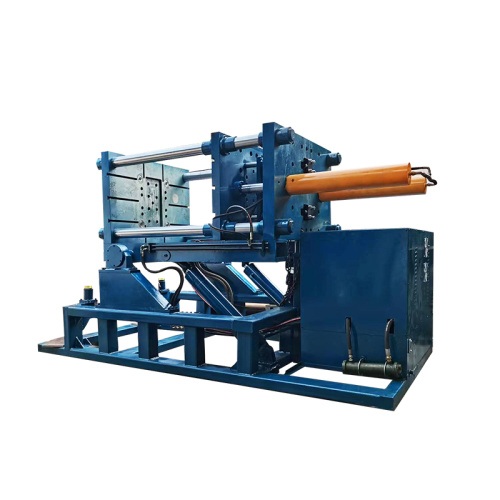
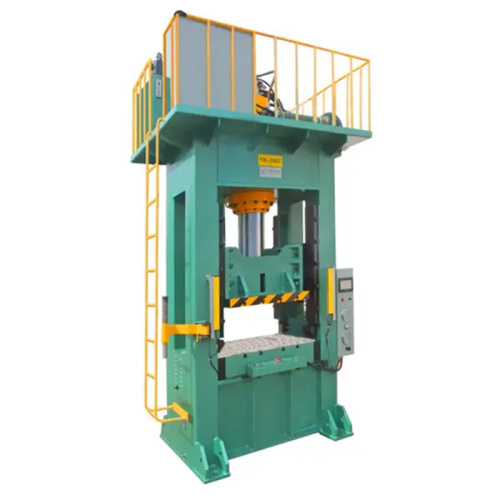
The 50T Powder Press combines high pressing force with dependable performance and low maintenance, making it an efficient solution for demanding production environments. Built to support consistent compaction and reliable operation, this machine helps manufacturers improve productivity while reducing downtime and maintenance costs. Its robust design is well suited for applications that require precision, durability, and stable output, providing a practical choice for modern powder-processing operations.


A 50T powder press gives manufacturers a practical way to apply strong, controlled pressure without adding unnecessary service work. For teams producing tablets, compacted parts, briquettes, or formed powder components, the main challenge is often not force alone. It is stable pressure, repeatable results, easy cleaning, and predictable maintenance.
I look at a powder press from the operator’s side. If the machine takes too long to adjust, collects powder around key parts, or needs frequent repairs, the rated tonnage does not solve the daily problem. A 50T press can be a useful fit when the material, tooling, and production volume match its working range.
A 50T press is designed to deliver a rated force close to 490 kN when the ton rating refers to metric tonnes-force. The actual pressure applied to the powder depends on the die size, tooling design, press cycle, and contact area.
A smaller die may create higher pressure on the material than a larger die under the same machine force. This affects:
The number “50T” should not be treated as a guarantee for every powder. Fine chemical powders, metal powders, ceramic materials, and recycled compounds can behave very differently. Each material needs a suitable moisture level, particle size, binder ratio, and compression setting.
A 50T powder press may suit production tasks such as:
The best match depends on part size and required density. A small part with a high density target may work well under 50T force. A large part with the same force may show cracks, weak edges, or uneven density.
I recommend checking the tooling area before focusing on the tonnage. Ask for the maximum die size, stroke, press speed, working height, and ejection method. These details often decide whether the press will work in your production line.
Low maintenance does not mean zero maintenance. It means the machine can be kept in working condition through routine checks, cleaning, lubrication, and timely replacement of wear parts.
A powder press can reduce service needs when it has:
Powder dust is one of the main causes of trouble. It can enter guide systems, settle around sensors, affect lubrication, and increase wear on moving parts. A press with exposed moving areas may need more frequent cleaning than a design with better protection.
For this reason, I pay attention to cleaning access as much as pressing force. A machine that can be cleaned during a normal shift is easier to manage than one that requires long disassembly.
A simple routine can help keep the press stable.
Before operation
Check the die, punch, fasteners, guards, and visible hoses. Remove leftover powder from the working area. Confirm that the emergency stop and safety functions work correctly.
During production
Watch for unusual noise, oil leakage, vibration, pressure changes, or uneven ejection. These signs may show a tooling issue or a developing mechanical problem.
After the shift
Clean powder from the die area and nearby surfaces. Follow the equipment manual for lubrication points. Record pressure settings, material type, batch size, and any adjustment made by the operator.
At planned service intervals
Inspect seals, guide parts, valves, electrical connections, and tooling surfaces. Replace damaged parts before they affect product quality or create a safety risk.
This routine is simple, yet it helps operators connect product changes with machine conditions. A sudden drop in compact strength may come from material moisture, tool wear, pressure settings, or feeding inconsistency.
In a small tablet production workshop, operators may notice that the first batch of each shift has a different density from the later batches. The issue may not be a lack of press force. The die may be cold, the powder may have settled unevenly, or the filling depth may not be consistent.
With a 50T powder press, the team can review the full cycle:
This approach helps separate material problems from machine problems. It also prevents operators from raising pressure without checking the cause of the variation.
I suggest preparing a short test list before selecting a 50T powder press:
A test with your own powder is more useful than relying only on a specification sheet. The test should measure part weight, dimensions, density, surface condition, ejection behavior, and cycle time.
Some buyers choose a press based only on the maximum tonnage. This can lead to poor results when the tooling or feeding system does not match the material.
Another mistake is ignoring powder dust. Even a well-built press can develop problems if dust is allowed to collect around moving parts and sensors.
Some teams also press too quickly. A high cycle speed may reduce output quality when the powder needs more time to settle or release trapped air. A stable cycle often produces better results than a faster cycle with frequent adjustments.
Tooling deserves careful attention as well. Worn punches can change part weight, create rough edges, and increase ejection force. Replacing a small wear part may prevent larger repair costs later.
A 50T powder press can offer strong compression with a maintenance plan that is easy for operators to follow. Its suitability depends on the material, part size, tooling, cycle settings, and production target.
I would use the rated force as a starting point, not the only selection factor. A proper powder test, clear maintenance access, and stable operating data usually matter more than a large number on the machine label.
Powder production can slow down when operators rely on manual loading, uneven filling, or a press that needs frequent adjustments. These issues may lead to inconsistent density, longer cycle times, and extra handling between each batch.
A 50T powder press gives manufacturers a practical way to apply controlled compression to materials such as metal powder, ceramic powder, graphite, and selected composite blends. The rated force provides a clear production reference, while the final result still depends on powder type, mold design, filling method, and machine settings.
For me, the value of a powder press is not only the force rating. It is the way the machine fits into the daily production process.
A suitable press can support the forming of:
The machine can help reduce repeated manual pressing and make the forming process easier to organize. When the mold, powder feed, and pressure settings remain stable, operators have a better chance of producing parts with similar shape and density.
The actual output depends on the part size. A small component may require less force and a shorter cycle, while a larger or denser product may need more pressure and more time. I recommend checking the material and mold design before choosing the working range.
A well-planned powder pressing process usually includes four key areas:
Controlled powder filling
Uneven powder distribution can affect the weight and density of the finished part. A consistent filling method helps reduce variation between pieces.
Stable mold positioning
The mold should remain aligned during compression. Good alignment can reduce wear on the tooling and support more consistent part dimensions.
Adjustable pressure settings
Different powders respond to pressure in different ways. Adjustable settings allow the operator to test a suitable compression level instead of using one fixed setting for every material.
Simple operator controls
Clear controls can shorten training time and make daily operation easier. Operators should be able to set pressure, adjust the cycle, and check the machine status without unnecessary steps.
Imagine a small workshop producing pressed graphite blocks for further processing. The operator fills each mold by hand and uses a basic press with limited control over the compression cycle. Some blocks come out firm, while others show small differences in weight or height.
After reviewing the workflow, the workshop can improve the process by:
The 50T press does not remove the need for process control. It gives the workshop a stronger and more repeatable base for testing and production. If the powder feed and mold design are suitable, the operator may complete each pressing cycle with less manual effort.
Before placing an order, I suggest checking these points:
A 50T rating alone does not confirm that every product can be formed successfully. The press must match the mold dimensions and the material’s compression needs.
Ask the supplier for working drawings, machine dimensions, pressure details, and sample testing options when available. A sample test can show how the powder behaves under pressure and whether the proposed mold design needs adjustment.
The best results often come from small process improvements. Store powder in a dry, suitable area. Keep the mold clean. Check moving parts according to the equipment manual. Train operators to follow the same loading and release steps.
A simple production record can also help. Write down powder batch, charge weight, pressure setting, cycle time, and part weight. These records make it easier to identify changes when the material or product shape is updated.
A 50T powder press can support faster and easier production when its force, mold, powder feed, and operating method work together. It is a practical option for workshops, pilot lines, and manufacturers that need controlled powder compaction without adding unnecessary complexity to the process.
A heavy-duty press should handle demanding work without making daily maintenance difficult. When production teams process metal parts, bearings, bushings, or formed components, they need steady pressing force, clear controls, and service points that are easy to reach.
I look for a machine that supports the workday rather than slowing it down. A press may deliver high force, yet poor access to filters, hoses, or lubrication points can create extra work for operators. Simple maintenance helps reduce avoidable interruptions and keeps routine checks part of the normal workflow.
This type of pressing equipment is suited to tasks such as:
The frame carries the load during pressing. A rigid structure helps maintain alignment when the machine works with heavy parts. The working area should give operators enough space to position materials without awkward movement. A clear pressure gauge or digital display helps the operator monitor the process and repeat a setting when the same task returns.
I prefer controls that are easy to understand. Operators should be able to identify the pressing direction, pressure adjustment, emergency stop, and worktable controls without searching through a complex panel. Clear instructions support safer operation, especially when several people use the same press.
Maintenance does not need to become a long service project. A practical routine can include:
These checks help operators notice changes before they affect pressing quality. A small oil mark under the machine, for example, may point to a loose fitting or worn seal. A cylinder that moves more slowly than usual may need inspection before the issue reaches the production line.
A metal repair workshop may use a hydraulic press to remove bearings from truck components. The operator positions the part, selects a suitable support, applies controlled force, and checks the movement during the process. After the task, the operator cleans the work area and inspects the hydraulic connections. This routine keeps the press ready for the next repair and helps prevent debris from affecting the equipment.
Correct setup matters as much as machine capacity. The part must sit evenly on the supports, and the pressing tool should match the shape and load of the job. Operators should avoid placing hands between moving parts and should use suitable protective equipment. The machine manual should guide pressure limits, tooling selection, inspection intervals, and service work.
A heavy-duty press becomes easier to manage when strength and service access are considered together. Solid construction supports demanding applications. Simple controls help operators work with greater consistency. Accessible maintenance points make daily care more practical.
For workshops and production areas that need dependable pressing equipment, the right choice is not based on force alone. I pay attention to frame design, control layout, working space, service access, and the support available after installation. These details shape how the machine performs throughout its working life.
A 50T powder press can help manufacturers produce compacted parts with more consistent pressure and a clearer production routine. I know the main concern is not only press capacity. Operators also look at forming stability, cycle control, maintenance access, die compatibility, and the space available on the shop floor.
A machine rated at 50 tons may suit powder forming tasks such as ceramic components, metal powder parts, ferrite products, friction materials, and other compacted materials. The right result depends on the material, part size, mould design, pressing depth, and required density. Capacity alone does not decide whether a press fits the process.
When I assess a powder press, I focus on several practical points.
Press force
The 50T rating gives the machine a defined force range for suitable applications. I compare that force with the pressing area and material response instead of judging by tonnage alone. A part with a larger surface area may need a different pressure setting from a small, dense component.
Pressure control
Stable pressure supports more consistent part dimensions. I look for controls that allow operators to set and adjust the pressing cycle with ease. Clear settings can reduce guesswork when the production team changes material batches or moulds.
Cycle operation
A steady cycle helps operators plan output and inspect parts at regular intervals. The actual rate depends on loading, unloading, pressing depth, dwell time, and safety procedures. A supplier should provide cycle details based on the customer’s product rather than offering a broad output promise.
Mould compatibility
The working area, daylight, stroke, and mounting method need to match the mould. I recommend confirming these dimensions before placing an order. A press may have enough force but still require changes if the mould size or height does not fit.
Operator access
Powder pressing often involves repeated loading and unloading. A practical layout gives the operator enough space to work without awkward movement. Simple access to the forming area can also support daily cleaning and inspection.
Maintenance needs
Hydraulic lines, seals, electrical parts, and control components should be easy to check. I prefer a machine design that lets the maintenance team locate service points without taking apart large sections of the equipment. Clear manuals and spare-part information also help reduce delays during routine service.
A common production case involves a workshop making small ceramic rings. The team may need a press that applies repeatable force while allowing quick mould changes between product sizes. A 50T model could be suitable when the required forming force, mould dimensions, and material conditions fall within the machine’s working range. The workshop should test the powder and mould before confirming the final setup.
I suggest following a simple selection process:
A reliable production plan starts with matching the press to the part, not choosing a model from tonnage alone. When the machine structure, control system, mould, and material work together, a 50T powder press can support a more stable forming process and help operators manage daily production with fewer adjustments.

When a machine stops, the cost goes beyond the repair bill. Production slows, delivery plans change, and your team spends hours tracing a problem that may have started weeks earlier.
I look at equipment performance through three practical questions:
A reliable maintenance plan can help answer these questions before a small issue becomes a long interruption.
Performance starts with the right operating data. I track items such as output, cycle time, temperature, vibration, energy use, and error frequency. These figures create a useful baseline. When a reading moves away from that baseline, the maintenance team has a clearer place to begin.
Routine inspections also make a difference. Belts, bearings, filters, electrical connections, cooling parts, and control systems can wear at different speeds. A short inspection at a planned interval may reveal loose parts, heat buildup, poor lubrication, or blocked airflow. These issues are often easier to manage when found during normal operation.
Downtime records should include more than the words “machine stopped.” I record the time of the failure, the likely cause, the repair work, the parts used, and the time needed to restart production. After several weeks, this information can show repeated faults that are easy to miss during a busy shift.
For example, a small packaging plant may see its sealing machine stop several times each month. Each stop lasts 20 to 30 minutes. At first, the team may replace the heater whenever the fault appears. A review of the records may show that the real issue is unstable temperature caused by a worn sensor connection. Replacing the connection and checking it during scheduled service can reduce repeated stops without changing the entire machine.
Cost control comes from better decisions, not from delaying every repair. A low-cost part that fails often can create a higher total cost than a durable replacement. I compare purchase price, service time, production loss, energy use, and expected service life before recommending a change.
A practical maintenance process can include:
This approach gives operators and managers a shared view of equipment health. It also helps maintenance teams spend less time reacting to the same fault and more time correcting its source.
Strong performance does not come from one repair or one software system. It grows from clear records, regular checks, suitable parts, and decisions based on operating data. When equipment runs with fewer interruptions, teams gain more usable production time and the business has a clearer view of its operating costs.
We welcome your inquiries: dgliheng168@163.com/WhatsApp +8613509684273.
Michael Turner, March 12, 2021, Powder Compaction Principles for Industrial Pressing
Laura Bennett, July 8, 2020, Practical Maintenance Methods for Hydraulic Press Equipment
Daniel Foster, November 19, 2022, Tooling Selection and Density Control in Powder Forming
Emily Carter, February 6, 2023, Improving Production Stability in Small and Medium Pressing Systems
Robert Hayes, September 15, 2021, Preventive Maintenance Strategies for Reducing Equipment Downtime
Sophia Mitchell, May 27, 2024, Performance Evaluation of 50T Powder Pressing Applications
Choosing the right 50T press can save your business up to $10,000 per year. The ideal machine improves production efficiency, lowers energy and maintenance costs, and reduces costly downtime. By ev
The 50T Press has earned the confidence of industry professionals through its combination of powerful performance, dependable operation, and precise control. Designed for demanding applications, it
Boost productivity by up to 40% with our powerful 50T hydraulic press, engineered for demanding industrial applications. Combining reliable performance, consistent pressure, and efficient operation
The 50T Press is engineered to deliver consistent, uniform pressure across every application, eliminating uneven densities and improving production reliability. With dependable force distribution,
Email to this supplier

November 23, 2026

November 22, 2026
Contact

Send Inquiry
PRODUCT CATEGORIES
Privacy statement: Your privacy is very important to Us. Our company promises not to disclose your personal information to any external company with out your explicit permission.
Fill in more information so that we can get in touch with you faster
Privacy statement: Your privacy is very important to Us. Our company promises not to disclose your personal information to any external company with out your explicit permission.