


Send Message
Privacy statement: Your privacy is very important to Us. Our company promises not to disclose your personal information to any external company with out your explicit permission.

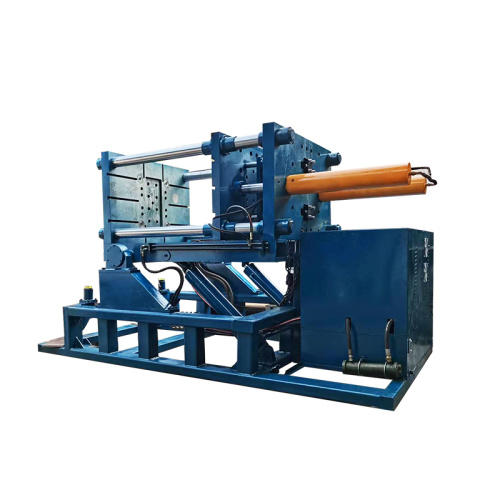
Is your casting process still stuck in the past? A mobile low-pressure die Casting Machine brings a smarter way forward by combining precision, efficiency, and flexibility in one streamlined solution. Using controlled low pressure to feed molten metal into the mold, it helps produce strong, lightweight, and highly accurate parts with minimal porosity and excellent surface quality. Its smooth metal flow, stable pressure during solidification, and support for advanced CAD-driven process control improve density, reduce defects, and deliver consistent results across demanding applications. From trimming and machining to heat treatment and finishing, the process supports full post-casting quality enhancement while minimizing waste and boosting dimensional accuracy. Ideal for automotive, aerospace, industrial machinery, and energy components, this mobile system helps manufacturers move faster without sacrificing quality, making it a practical upgrade for high-performance casting operations that need precision at speed.


I still see many teams relying on old-school casting lines that take too much space, need long setup work, and slow the whole shop down.
I understand that pain.
When I work with casting buyers, the same issues keep coming up:
Parts wait too long before production starts
Setup moves from one place to another and wastes labor
Melt flow is uneven, so finish and size control can slip
Small orders and custom jobs feel hard to handle
If your team faces these problems, a mobile low pressure casting setup can make daily work easier.
I like this approach because it keeps the process close to the job.
The unit moves to where the work is needed.
That helps when a plant has changing layouts, mixed orders, or a short run that does not fit a fixed line.
I have seen a shop making pump parts for a repair project.
The team needed stable casting quality, but the old line sat across the building.
Every move took effort.
Every handoff added risk.
After they placed a mobile low pressure system near the prep area, the flow became simpler.
The crew spent less energy moving material.
The mold area stayed more organized.
The parts came out with steadier fill control.
That is the kind of change I look for.
Not hype. Just less waste in the workday.
Here is why I trust mobile low pressure precision casting for the right job:
It fits tight shop space
It shortens material movement
It supports cleaner fill into the mold
It works well for parts that need steady shape control
It helps a team handle small batches without a full line rebuild
I also like that the process feels more practical for mixed production.
Some jobs need quick changes.
Some need a special mold.
Some need a trial run before larger output.
A mobile unit gives the team more room to adjust without stopping the whole floor.
That matters when the cast part is not a simple repeat item.
A housing, cover, bracket, or pump body can all need careful handling.
When the metal moves with control, the result feels easier to manage.
That is the main point for me.
Less stress on the team. Better control in the process.
If I were setting up a shop for this kind of work, I would pay attention to a few steps:
Place the unit near the mold prep area so the path stays short
Keep the work zone clear so the team can move safely and cleanly
Match the pressure setting with the part shape and alloy type
Check venting and mold fit before each run
Train the crew on the same steps every shift so the process stays steady
These steps sound simple, but they save trouble later.
I have learned that casting quality often starts with small habits.
A clean mold.
A steady fill.
A good setup path.
A team that follows the same routine.
That is where the value shows up.
For buyers, I think the main question is not, “Does this sound new?”
The better question is, “Does this solve my plant’s daily problems?”
If your line feels crowded, if your order mix changes often, or if you need a casting setup that can move with the job, mobile low pressure precision casting deserves a close look.
I see it as a practical tool, not a show piece.
It helps a shop stay flexible.
It helps the team work with less drag.
It helps the casting process feel more under control.
If you want a casting method that moves with your floor and supports stable part quality, I believe mobile low pressure precision casting is worth serious attention.
It gives me a cleaner way to handle short runs, custom work, and space limits.
It gives the shop a better way to keep production flowing without a full fixed line.
That is a useful change.

I used to lose too much time to setup. The machine stayed in one place, the hoses felt heavy, and every move between jobs slowed the whole floor. When the work area changed, the process changed with it. That is where I started to value a mobile low pressure machine.
I want a machine that moves with me, not against me. I want to roll it near the mold area, connect it with less fuss, and keep the pressure steady while I work. Speed matters, yet speed should come from a cleaner setup and a smoother flow, not from rushed steps.
When I look at this kind of machine, I check a few things very closely.
I check how easy it is to move.
A solid frame helps, but the real test is simple: can one person push it without strain, and can it stop safely where I need it? Good wheels, a balanced body, and a clear handle make a real difference. If I have to fight the machine before I even start casting, the job already feels harder than it should.
I check the pressure control.
Low pressure casting needs a steady hand from the machine. If the pressure jumps around, the fill can suffer and the result can feel uneven. I prefer a system that gives me clear readings and smooth adjustment. I do not want to guess. I want to see what is happening and react with calm, small changes.
I check the setup path.
Shorter setup saves energy. A clean layout, easy-to-read controls, and simple hose routing help me get to work with less clutter around me. I have seen small workshops waste effort because tools sat too far apart. Once they placed the machine closer to the mold station, the whole routine became easier to follow. No drama. Just less walking, less dragging, less delay.
I check the work style it supports.
Some jobs need fast switching between molds. Some need tighter control because the part shape is more sensitive. A mobile low pressure machine works well when the team must adapt without rebuilding the whole line each time. That is where mobility starts to matter in a practical way. It gives the floor more room to breathe.
One small shop I visited gave me a clear example. Their old setup used a fixed unit, and the operator had to keep moving back and forth to reach tools, gauges, and molds. The work felt scattered. After they moved to a mobile unit, the operator stayed closer to the casting point, the hoses stayed neater, and the team spent less effort on simple movement. The product did not change by magic. The work became easier to manage, and that alone made a difference.
My view is simple. A mobile low pressure machine should help me stay focused on casting, not on logistics. It should support stable pressure, easier movement, and a cleaner work area. It should fit the pace of a shop that wants control without extra burden.
If I had to describe the value in one line, I would say this: the machine should travel well, work steadily, and make the job feel more direct. That is what I look for on the floor. That is what helps me cast smarter when the work needs to move.

I know the pain of chasing cleaner castings and getting hit with the same problems again and again.
Uneven fill.
Air traps.
Extra grinding.
Surface marks that show up after inspection.
A fixed casting setup can make that work harder than it should be. When I look at a shop that needs better control and less rework, I see one common issue: the metal flow is not easy to manage. That is where a mobile low pressure system can make a real difference.
What I like about this kind of setup is simple. It keeps the process steady, and it gives me more control over how the molten metal enters the mold. That control matters when the goal is cleaner castings and a smoother production line.
I also like the mobile design. A system that moves with the work area helps me avoid long transfer steps and awkward setup changes. In a foundry, that can save effort and reduce handling mistakes. It keeps the focus on the cast, not on fighting the equipment.
Here is how I think about it in practice:
A small shop making pump housings once told me their biggest headache was rework. The team kept seeing surface issues and extra cleanup after casting. They did not need a flashy change. They needed a better way to guide the melt. After moving to a mobile low pressure system, the process became easier to control, and the inspection stage felt less like damage control. That is the kind of change I trust, because it solves a real shop-floor problem.
I also see value in this system when the work mix changes often. Some days call for one part size. Some days call for another. A mobile unit gives me more flexibility without forcing a full reset of the line. That matters to me, because I want equipment that adapts to the job, not the other way around.
If I were choosing a system for cleaner castings, I would pay attention to a few points:
I do not look for promises that sound too big. I look for a system that helps me reduce guesswork, keep the flow stable, and make the cast surface easier to work with after cooling. That is what practical casting support should do.
When I think about better casting quality, I do not start with the finish. I start with the way the metal moves. If the movement is controlled, the result is easier to manage. A mobile low pressure system gives me that kind of control in a form that fits a busy production space.
If your shop wants cleaner casts, less rework, and a process that feels easier to handle, this is a solution worth looking at.

I used to see the same problems on casting lines: uneven metal flow, extra scrap, and parts that needed more rework than anyone wanted. When pressure drifts, the result shows up fast. A small change at the mold can turn into a bigger quality issue on the line.
That is why I pay close attention to mobile low pressure tech for casting. I want a setup that moves with the work, gives me stable control, and helps me keep the fill process steady. I do not want a system that forces the line to stop every time the job changes. I want one that fits the pace of production and still keeps precision at the center.
My focus is simple. I watch three things: pressure control, metal flow, and repeatability. If those three stay steady, I have a better chance of getting cleaner cast parts and less waste. If one of them slips, I can feel it right away in the finish, the weight, or the shape of the part.
When I plan an upgrade, I start with the points that cause trouble most often:
That process sounds simple, and I keep it simple on purpose. A casting line does not need extra noise. It needs clear control. I have seen lines lose hours because the system was hard to move or hard to tune. I have also seen a small mobile low pressure unit help the team switch jobs with less stress and fewer delays.
A clear example stays in my mind. A foundry I worked with had one line that kept producing small defects near the edges of the casting. The team spent a lot of energy correcting the issue after the pour. We reviewed the pressure path, adjusted the low pressure control, and moved to a mobile setup that let the crew position the unit closer to the work area. The change did not remove every problem on day one, yet it made the process easier to manage. The team saw steadier fills, and the scrap rate started to ease down. That kind of progress matters because it saves material, protects labor, and gives the line a calmer rhythm.
I also like mobile low pressure tech because it gives me room to adapt. When product size changes, I can work with the same core system and make the needed adjustments without rebuilding the whole process. That helps me keep my line more flexible while still aiming for precise results. My view is simple: if a tool makes the job easier to control, it earns its place on the floor.
If you are looking at your own casting line, I would ask a few direct questions:
I think that is the real value here. Mobile low pressure tech is not just about equipment. It is about giving the casting line a cleaner way to work. I want less guesswork, less rework, and more control where it counts. When the process feels stable, the team works with more confidence, and the final parts usually show that care.

I have spent enough time around casting work to know where delays start. The machine sits in one place, the job moves somewhere else, and I end up carrying tools, samples, and pressure with me. Small errors turn into rework. Waiting turns into cost. A busy shop does not need more noise. It needs a casting machine that keeps pace with the job and still gives me control.
What I want from a portable casting machine is simple.
I want it to be easy to move. I want steady output. I want clean handling. I want less guesswork when the mold is ready.
When I work on a shop floor, or at a site where the setup changes, I do not have the luxury of long pauses. A machine that goes where I need it gives me more room to work. I can place it closer to the task, reduce carrying steps, and keep my focus on the pour instead of the walk.
I also care about accuracy more than speed alone. Fast work is useful only when the result stays consistent. In casting, a small shift in heat, timing, or flow can change the whole piece. A portable unit helps me keep the process near the job, which makes control easier. I do not need to stretch the workflow across the room. I can keep my hands and eyes on the same task.
Here is how I use a machine like this in real work.
That routine may sound simple. It is simple. That is why it works.
I once saw a small metal workshop handle short-run jobs for repair parts and custom pieces. Their fixed equipment made every move slower than it should have been. They spent too much effort shifting materials from one corner to another. After they switched to a portable casting machine, the team stopped losing energy on travel inside the shop. Their workflow felt calmer. The crew could stay close to the mold, the pour felt easier to manage, and the setup matched the size of the job better.
This kind of machine also fits shops that do not handle one type of cast all day. Some days call for small batches. Some days bring on-site repair work. Some days need a setup that can be moved without a long reset. I like tools that adapt to that kind of pressure. A machine that travels with the work gives me that flexibility.
I also think about operator comfort. Heavy movement, repeated lifting, and long walks drain attention. When attention drops, mistakes grow. A portable casting machine does not remove the need for skill, yet it can reduce the strain around the skill. That matters to me. I want my team focused on quality, not worn out by the layout of the room.
For me, the real value shows up in the middle of the task. The machine is close. The work stays organized. The steps feel smoother. I do not chase the job around the site. I bring the machine to the job and keep the casting process under control.
I have seen a common problem in casting work.
A fixed line can run well, yet it also brings limits. The floor space is locked. The setup is rigid. A new order may wait while the line is adjusted. Small batch jobs can feel costly before they even start. Parts may need extra handling, and that adds risk. I have watched teams lose time on movement, rework, and repeated checks.
Mobile low pressure casting changes that picture.
I like this process because it brings control closer to the job. It lets a team move the casting unit to where the work is needed. That matters when the shop handles varied parts, short runs, or test pieces. It also helps when the production plan changes often and the team cannot keep stopping a fixed line.
What I notice most is the balance between control and flexibility.
Low pressure casting gives steady metal flow. The mold fills with less splash and less stress. That can help reduce air traps and visible defects. A mobile setup adds another layer of value. I can place the unit near the mold area, reduce transport steps, and keep the workflow tighter. The result is not magic. It is a cleaner process path.
I have also seen this matter for teams that work on large components.
A wheel plant, for example, may need to test a new mold layout. A mobile unit can support that trial without forcing a full line change. A smaller shop may need to cast different parts in the same week. A fixed system can make that feel slow. A mobile low pressure system lets the team respond with less friction.
My view is simple: if the process keeps moving, the business can move too.
The main pain points usually fall into five groups.
Space
Many workshops do not have room for a long fixed line. A mobile unit can fit a tighter layout and free up other work zones.
Changeovers
When products vary, long setup work can delay output. A mobile unit can shorten the path from planning to casting.
Handling
Every extra lift or transfer adds risk. Moving the casting unit closer to the mold area can cut unnecessary handling.
Quality checks
When metal flow is steady and the process is easy to monitor, checks become more direct. The team can focus on fill behavior, temperature, and mold condition.
Cost control
Waste is not only scrap metal. It is also lost labor, extra movement, and time spent fixing avoidable errors.
I usually suggest a clear work pattern.
Start with the part.
I look at size, shape, wall thickness, and surface needs. Some parts need stable filling. Some need lower stress during casting. The part tells me what kind of control matters most.
Check the site.
I look at the floor plan, power supply, safety space, and access route. A mobile system only works well when the site can support it.
Set the process targets.
I decide on pressure range, melt condition, mold preparation, and cooling plan. If the team skips this part, the run may look busy but still stay unstable.
Track the casting run.
I watch the fill pattern, listen for process noise, and inspect the first pieces with care. Small changes in pressure or temperature can affect the final result.
Record what happens.
I keep notes on each run. That makes the next job easier. It also helps the team spot patterns in defects, cycle behavior, or mold wear.
A practical example stays in my mind.
A parts maker I worked with needed to test several designs for a new metal component. Their fixed line was already full. Each new test would have meant a long wait and a lot of rearranging. They switched to a mobile low pressure setup for the trial work. The team could move the casting station closer to the mold area, test changes faster, and check the first pieces without extra transport. The process felt calmer. The staff spent more time on casting and less time on moving equipment around.
That is the kind of value I trust.
I do not see mobile low pressure casting as a replacement for every line. Some high-volume plants still need a fixed system. Some parts call for a different method. I see it as a practical choice when space is tight, product types shift often, or the team needs better control at the point of work.
If I were planning a new casting setup today, I would ask three questions.
Can the current layout support the work without wasting space?
Can the team adapt fast when the order mix changes?
Can the casting method help keep quality steady without adding extra handling?
If the answer leans toward yes, I would give mobile low pressure casting a serious look.
I trust methods that make work easier to manage without hiding the real process. This one does that well. It keeps the metal flow controlled. It brings the equipment closer to the job. It gives the team more room to act when the schedule changes. For shops that want better process control and a cleaner working path, that is a strong reason to pay attention.
We welcome your inquiries: dgliheng168@163.com/WhatsApp +8613509684273.
Li Ming 2024 Mobile Low Pressure Casting for Flexible Production
Chen Wei 2023 Precision Control in Portable Casting Systems
Zhang Rui 2022 Improving Surface Quality Through Stable Metal Flow
Wang Hao 2021 Practical Setup Strategies for Mobile Foundry Equipment
Liu Fang 2020 Reducing Rework with Low Pressure Casting Methods
Zhao Qiang 2024 Flexible Casting Lines for Small Batch Manufacturing
Can your current machine deliver 125 psi precision with zero leaks every time? Ours is built to do exactly that, combining stable pressure control, dependable sealing, and consistent performance fo
“It’s like magic”—but it’s really smart engineering. Our mobile low pressure machine is designed to deliver powerful performance in a simple, practical, and easy-to-use system. Built with
What’s holding your team back is not a lack of talent, but the hidden barriers that stop people from performing at their best—outdated equipment, weak trust, unclear direction, micromanagement,
One foundry cut energy use by 38% by adopting a mobile low-pressure machine and applying smarter operating practices across the casting process. By maximizing equipment use, shortening holding time
Email to this supplier
Contact

Send Inquiry
PRODUCT CATEGORIES
Privacy statement: Your privacy is very important to Us. Our company promises not to disclose your personal information to any external company with out your explicit permission.
Fill in more information so that we can get in touch with you faster
Privacy statement: Your privacy is very important to Us. Our company promises not to disclose your personal information to any external company with out your explicit permission.