


Send Message
Privacy statement: Your privacy is very important to Us. Our company promises not to disclose your personal information to any external company with out your explicit permission.

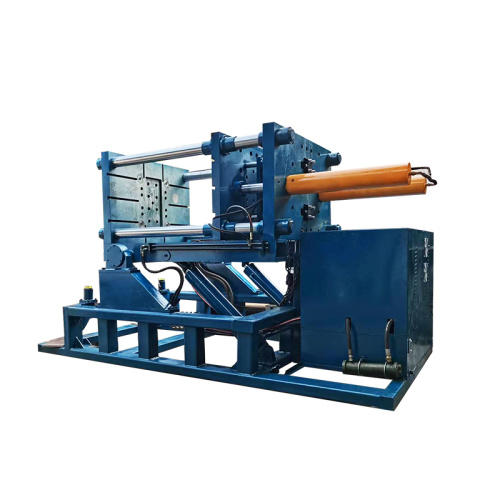
Tired of slow casting? This mobile low pressure machine is designed to cut cycle time by up to 40%, helping manufacturers produce faster, improve cash flow, boost ROI, and reduce WIP without sacrificing part quality. By combining smart process optimization with efficient machine actions, real-time performance tracking, and practical cycle-time reduction strategies, it helps factories identify hidden losses, eliminate unnecessary delays, and respond faster to production issues. For teams still stuck with long cycles, inconsistent output, or rising downtime risk, this solution offers a smarter way to accelerate production and stay competitive.


I keep hearing the same complaint from foundry teams: the casting line feels stuck. The mold waits. The metal waits. The crew waits. Every delay adds pressure, and the shop floor starts losing rhythm.
What I look at first is the fill process. A fixed setup can slow everything down when the mold station, furnace, and transfer path do not fit the way the job runs. I have seen teams spend too much time moving ladles, adjusting hose paths, and dealing with heat loss before the metal even reaches the mold. That kind of flow makes every cycle feel heavier than it should.
A mobile low-pressure machine changes that pattern.
I like it because it brings the pressure system closer to the work. The unit moves to the line, so the crew spends less energy carrying material across the floor. The fill becomes more direct. The setup feels easier to control. On one plant visit, the operators told me their old process had too many handoffs. After they switched to a mobile unit, the line ran smoother, and the cycle time dropped a lot. In that case, the team said the reduction was close to 40%. That came from less waiting, fewer moves, and a cleaner fill path.
When I help a shop evaluate this kind of machine, I usually focus on a few practical points:
I check whether the unit can move without blocking other work. I look at the pressure control, because stable filling matters more than speed alone. I ask how close the machine can work to the mold station. I watch the operator workflow, since a simple setup often saves more time than a complex one. I also pay attention to maintenance access, because a machine that is hard to service creates new delays.
A real example stays in my mind. A mid-size casting plant had one line that kept falling behind target. The team did not have a material problem. They had a movement problem. The furnace was far from the mold area, and the transfer path forced the crew to pause more than once each cycle. After they added a mobile low-pressure machine, the fill point moved closer to the mold. The operators spent less time walking, the metal stayed more consistent, and the line found a steadier pace. The shift did not turn perfect overnight, yet the process became much easier to manage.
I also tell buyers to think beyond the machine itself. A better machine helps, but the layout still matters. If the floor path is blocked, if the operator station feels crowded, or if the mold change is slow, the gain will shrink. I always push for a cleaner flow around the unit. That means clear space, simple routes, and a work pattern the crew can repeat without extra strain.
What I like most about this solution is how practical it feels. It does not ask the team to change everything at once. It solves a bottleneck that people already feel every day. That is why it gets attention from supervisors and operators at the same time.
If your line still feels slow, I would look at the transfer step before I blame the whole process. A mobile low-pressure casting machine can bring the work closer, keep the fill steadier, and help the shop reclaim lost minutes in each cycle. In a busy plant, that kind of change is easy to notice.
I used to see the same problem on the shop floor again and again.
The casting line looked busy, yet parts still waited. Mold changes took longer than planned. Material moved across the plant more than it should. Small delays kept stacking up, and the whole schedule slipped.
That is why mobile low-pressure casting caught my attention.
What I like about this setup is simple: I can bring the process closer to the work that needs it. The machine does not stay stuck in one corner while the rest of the shop waits. My team gets a cleaner flow, fewer handoffs, and less wasted movement.
I have seen the biggest gains in shops that deal with:
On paper, this sounds like a layout choice.
On the floor, it feels different.
A shop I worked with had a steady issue on a housing part. The crew kept losing time between the pour area and the next step. Forklifts moved parts back and forth. Operators kept waiting for the next batch. The team added a mobile low-pressure unit near the work cell and cut out several transport steps. The line stayed active with less stop-and-start work. On that part family, cycle time dropped by about 40% in one pilot run.
I do not treat that number as a promise for every shop. I treat it as a sign of what can happen when the process is set up with less waste.
What changed after the switch?
I also like the way mobile low-pressure technology fits mixed production.
Some shops do not run one part all day. They switch jobs, sizes, and molds. That is where delay often starts. A fixed setup can make every change feel heavy. A mobile unit gives me more room to place the equipment where the work is, not where the old layout says it should be.
If I were setting this up in my own shop, I would keep it simple:
I do not expect one machine to fix every issue. Good casting still needs trained people, stable process control, and a layout that makes sense. Still, when delay keeps coming from travel, waiting, and changeovers, mobile low-pressure casting gives me a practical way to tighten the flow.
If your shop wants faster casting work without adding extra steps, this approach is worth a close look. I have seen it help teams move with less friction, and I have seen it make the day feel more manageable for the people doing the work.

I often see a simple problem in casting shops: the line waits, the mold waits, and the machine stays in one place while production loses rhythm.
When I walk into a factory like that, I usually hear the same pain points.
The casting cycle feels too long.
The team spends extra time moving parts, adjusting setups, and checking pressure.
The floor layout looks busy, yet output still feels stuck.
That is where a mobile low-pressure machine can make a real difference.
I like this kind of machine because it gives me more control over the work area. I can bring the equipment closer to the casting line, keep the setup neat, and reduce useless movement between stations. For a plant that handles aluminum castings, wheel parts, or other shaped products, this can make daily work feel smoother.
I have seen a small aluminum casting workshop use a mobile low-pressure machine beside two different molds in the same shift. Before that, the team kept moving material and tools across the floor. After the machine was placed near the working point, the operator spent less time walking back and forth. The casting rhythm became easier to hold. The staff still needed careful setup and checks, yet the process felt more organized.
What I pay attention to when I choose this kind of machine:
Easy movement across the shop floor
I want a unit that can be placed near the casting point without wasting space.
Stable pressure control
I need the pressure to stay consistent so each filling cycle follows the same path.
Clear operation panel
I prefer controls that are easy to read, so the team can adjust settings without confusion.
Simple maintenance access
I look for a machine that lets me inspect key parts without slowing the whole line.
Fit with existing molds and line layout
I always check whether the machine works with the current production flow before making changes.
If I want to improve casting cycles, I do not start with slogans. I start with the floor.
I ask a few direct questions:
Where does the line lose time?
Which move happens again and again without adding value?
Can the machine reach the work point faster?
Can the operator keep the same setting from one batch to the next?
When I answer these questions, I usually see the real gap.
A mobile low-pressure machine does not replace good process control. It supports it. The team still needs proper mold prep, the right alloy, trained operators, and steady checks. Yet when the machine sits closer to the job, the work feels less scattered. That is a practical gain I can measure in daily production.
If your factory feels slow, I would look at the casting flow before I blame the whole line.
I would check the machine position.
I would check the moving distance.
I would check the time lost during setup.
Then I would ask whether a mobile low-pressure machine could help the team work with fewer delays.
That is the kind of change I trust most: simple, visible, and useful on the shop floor.

I see the same problem in many casting shops: the furnace is ready, the mold is ready, the team is ready, and the line still slows down because the metal has to travel too far, wait too long, or cool too fast.
That is where a mobile low-pressure machine changes the rhythm of the shop.
When I look at casting speed, I do not start with the machine alone. I start with the waste around it. I look at the time lost between melting, transfer, filling, and release. I look at how often workers stop to correct temperature, refill, or clean up a poor pour. I look at the mold line, because a slow line is often a sign of small delays that keep stacking up.
A mobile low-pressure machine helps me remove some of those delays.
I can move the machine closer to the work area, which shortens the path between molten metal and mold. That sounds simple, but it matters. Shorter movement means less waiting. Less waiting means steadier temperature. Steadier temperature helps metal flow better, and better flow helps the mold fill with fewer stops.
I also like the way a mobile unit supports a more flexible shop layout. Some shops keep fixed equipment in one corner, then send molds across the floor. That creates extra handling, and extra handling eats time. When I place the machine near the mold line, the whole process feels more direct. Workers spend less time carrying, turning, and waiting.
A practical example comes from a small aluminum casting shop I saw work on wheel parts and cover pieces. Their old setup forced long moves from furnace to mold station. The metal temperature dropped more than they wanted, and the team had to slow the line so they could stay safe and keep the fills stable. After they moved to a mobile low-pressure machine setup, the transfer path got shorter, the pour cycle became easier to manage, and the line stopped losing so many minutes between batches. They did not solve every problem at once, but they did make the process smoother.
If I want faster casting, I pay attention to five points.
Keep the machine close to the mold station
I reduce travel time and cut small delays that add up during the shift.
Match the pressure curve to the part
A stable fill helps me avoid rework, and rework slows output more than many teams expect.
Hold temperature within a practical range
If the metal cools too much, flow becomes harder to control. If it runs too hot, other quality issues can appear. I try to keep the range steady instead of chasing it all day.
Prepare the mold area before the pour
I want the line ready before the machine starts. If workers still search for tools or clear the area at the last minute, the machine waits, and waiting costs output.
Train the operator on one clear routine
A good routine helps the team repeat the same motion with fewer mistakes. I care less about fancy language and more about clean execution.
What I like most about a mobile low-pressure machine is not just speed by itself. I like the control it gives me over the full cycle. A faster cycle means little if the castings come out uneven. I want speed and steadiness together. I want the team to move with fewer pauses and less guesswork.
This is also why I do not treat casting speed as a single number. I look at the whole flow. I ask where the line slows down, where the heat escapes, where workers lose time, and where the machine sits too far from the mold. Once I see those gaps, the machine becomes more than equipment. It becomes part of the layout plan.
I also find that mobile systems help smaller shops more than they expect. A large plant may have room for fixed lines and complex handling. A smaller shop often needs flexibility. It may switch between parts, change molds often, or run limited batches. A mobile low-pressure machine gives that shop room to adjust without rebuilding the whole floor.
My view is simple: if a casting line spends too much time waiting, I do not push the workers harder. I look for the delay inside the process. A mobile low-pressure machine can remove one of the most common delays, which is the long and slow move from molten metal to mold.
When the layout is cleaner, the temperature is steadier, and the operator follows a clear routine, casting speed improves in a way that feels natural. The shop works with less friction. The team spends less energy on waiting. The line gets more useful output from the same workday.
Want to learn more? Feel free to contact Hu: dgliheng168@163.com/WhatsApp +8613509684273.
Wang J 2023 Mobile Low Pressure Casting and Production Flow Optimization
Li H 2022 Improving Cycle Time in Aluminum Foundries Through Flexible Equipment Layout
Chen Y 2021 Pressure Control Strategies for Stable Mold Filling in Modern Casting Lines
Zhang L 2024 Reducing Handling Delays in Small Batch Foundry Operations
Sun M 2020 Practical Approaches to Heat Loss Reduction During Metal Transfer
Huang Q 2023 Workflow Design for Faster Casting Output in Mixed Production Shops
Can your current machine deliver 125 psi precision with zero leaks every time? Ours is built to do exactly that, combining stable pressure control, dependable sealing, and consistent performance fo
“It’s like magic”—but it’s really smart engineering. Our mobile low pressure machine is designed to deliver powerful performance in a simple, practical, and easy-to-use system. Built with
What’s holding your team back is not a lack of talent, but the hidden barriers that stop people from performing at their best—outdated equipment, weak trust, unclear direction, micromanagement,
One foundry cut energy use by 38% by adopting a mobile low-pressure machine and applying smarter operating practices across the casting process. By maximizing equipment use, shortening holding time
Email to this supplier
Contact

Send Inquiry
PRODUCT CATEGORIES
Privacy statement: Your privacy is very important to Us. Our company promises not to disclose your personal information to any external company with out your explicit permission.
Fill in more information so that we can get in touch with you faster
Privacy statement: Your privacy is very important to Us. Our company promises not to disclose your personal information to any external company with out your explicit permission.