


Send Message
Privacy statement: Your privacy is very important to Us. Our company promises not to disclose your personal information to any external company with out your explicit permission.

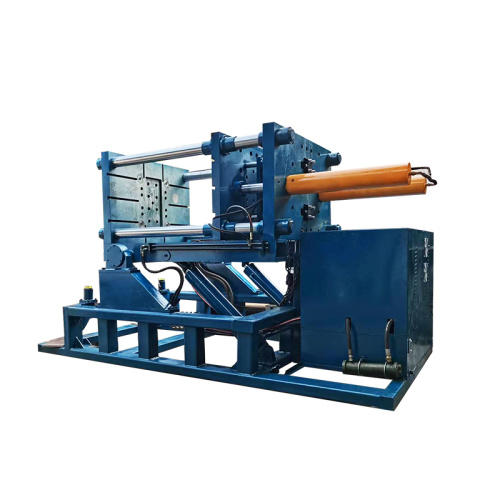
“It’s like magic”—but it’s really smart engineering. Our mobile low pressure machine is designed to deliver powerful performance in a simple, practical, and easy-to-use system. Built with function first, every detail is optimized for efficiency, reliability, and real-world use. From its clever mechanical layout to its smooth mobile operation, this machine shows how the right design can turn a complex process into something effortless. No gimmicks—just thoughtful engineering that works. Simple, strong, and surprisingly effective, it’s a clear example of how innovation can make advanced performance feel almost magical.

People call it magic when a process gets faster, cleaner, and easier to trust. I call it smart engineering in action.
I hear the same pain points again and again.
A team spends too much time on manual checks.
A small mistake moves from one desk to the next.
People know what they want, yet the system gets in the way.
They do not need hype.
They need a setup that makes work calm, clear, and easy to repeat.
When I look at a workflow, I start with the place where people slow down.
I watch the handoff.
I watch the screen.
I watch the task that keeps coming back.
If one step needs too much guesswork, I strip it down.
If one alert is easy to miss, I make it easy to see.
If a tool asks for too many clicks, I remove a few.
I saw this with a small packing line.
Workers kept stopping to check a sensor by hand. The issue was not the people. The issue was the design.
We changed the alert so the team could spot the problem fast.
We moved one check into the setup stage.
We made the next action obvious on the screen.
The line became easier to manage.
The crew stopped losing focus on the same small fault.
The work felt lighter, and the process felt more steady.
That is the part I trust most.
Smart engineering does not try to look clever. It tries to help people finish work with less strain.
It saves energy for the task that matters.
It gives the user a path that feels natural, not forced.
It makes the hard part smaller.
I do not trust shiny features if they make the job harder.
I trust a product when I can see that the person using it comes first.
I trust it when the steps are short.
I trust it when the result is easy to check.
If I had to keep one rule in mind, it would be this: build for the person who does the work every day.
Make the flow short.
Make the signals clear.
Test it with the people who handle the task, not only with the people who design it.
When a product does that, it does not feel like magic.
It feels like good engineering that keeps working, day after day.
I often meet people who face the same problem: they need pressure control on site, but they do not want heavy setup, long waits, or messy work.
That is why I like showing how a mobile low pressure machine works. I want the process to feel clear from the start. I want users to see what happens, what they need to check, and how the machine helps them finish the job with less strain.
I usually see three common pain points:
A mobile low pressure machine solves these points by keeping the unit easy to move and keeping the output steady. I pay close attention to this part because many users care more about control than speed.
Here is how I explain the working process:
I like this sequence because it keeps the work organized. I do not need to rush. I can watch the pressure, listen to the machine, and adjust the setting with care.
When the machine runs, the low pressure system keeps the material flow easier to manage. That matters in jobs where control is more useful than force. I have seen this help on small repair tasks, wall coating jobs, and workshop use where the user needs steady output across different spots.
A client I worked with had a small maintenance team for a rental building. They needed to move between rooms and handle local repair work without dragging a large fixed unit around. After they used a mobile low pressure machine, their team found the setup easier to handle. They could move it room by room, keep the work area neat, and avoid many pauses during the job. That kind of result matters more to me than a big promise.
I also like that the machine is easy to explain to new users. I tell them to remember this:
These steps sound small, but they protect the result. I have learned that good operation often comes from careful habits, not from force.
If you need a machine that moves with your work and gives you better control on site, I think a mobile low pressure machine is worth a close look. I prefer equipment that makes the job easier to manage, and this one does that in a clear way.

I know what it feels like when a good idea gets slowed down by the wrong setup.
The space looks fine at first. Then the problems start. Things are hard to carry. Corners feel tight. Daily movement takes more effort than it should. I have seen this in small shops, home offices, and busy storage rooms. People do not need more noise or more parts. They need something that works with less stress.
That is why I value a simple design.
A clean structure helps me save space and reduce mess. A product that is easy to handle makes my work feel lighter. I do not want to spend extra energy adjusting, lifting, or fixing small issues. I want something I can use right away, with a shape that makes sense from the start.
I once helped a small flower stall owner move supplies from a back room to the front counter every morning. She used to make several trips by hand. The process took effort, and the floor area was narrow. After switching to a mobile setup with smooth movement and an easy path through the shop, her routine felt much easier to manage. She still had the same workload, but the daily flow changed a lot.
That is the part people often miss.
Strong results do not always come from a complicated build. They often come from details that support daily use:
a layout that stays easy to understand
movement that feels steady and controlled
a form that fits into tight areas without adding clutter
a design that supports repeated use without making each task harder
a look that stays clean and practical
I like products that respect my time and my space. I also like products that feel useful on the first day and still make sense after regular use. When something is built to move, it should move with purpose. It should help me carry less stress, not add more.
If you are dealing with crowded rooms, repeated lifting, or a workflow that feels harder than it should, I think a simple design can make a real difference. I have seen it help in homes, shops, and work areas where every step matters.
Less clutter. Less strain. More ease in motion.
That is the kind of result I trust.
I used to watch simple jobs take too much energy.
Boxes piled up. Repeated steps dragged on. One person carried, another sorted, another checked. By the end of the day, the work still waited, and the team felt it in their backs, hands, and focus.
Then I started using one smart machine.
I noticed the change fast. The heavy parts of the job felt lighter. The repeated parts felt easier to handle. The work did not disappear, but it became more direct. I could keep my attention on what really needed a person, not on every small move that wore us down.
What I like most is the way it fits into daily work without making everything feel harder.
I can load it, set the task, and let it handle the part that used to slow us down.
I can stay close and keep control.
I can move faster without pushing my team past their limit.
That matters when the day gets busy.
I have seen this machine help in places like a small workshop, a storage room, and a busy service area. In one case, a team member who usually needed help with lifting could work with more ease. In another, a routine task that used to take several hands could be handled with less strain. The job still needed care, but the pressure dropped.
I think that is the real value.
Not flashy talk. Not big promises. Just a tool that makes hard work feel more manageable.
If you are dealing with long shifts, repeated tasks, or work that asks too much from your team, this kind of machine can give you room to breathe. It can help you protect energy, keep pace, and reduce the small delays that add up during the day.
I also like that it supports better habits.
When work feels less rough, people stay more focused.
When steps are clearer, mistakes can drop.
When the load is easier to handle, the job feels less like a struggle.
I have learned that a good machine does not replace good people. It gives good people a better way to work.
That is why I trust it.
I want tools that make tough jobs feel less heavy, not tools that add more confusion. I want something practical, easy to use, and steady in daily work. This machine gives me that kind of support.
If your team faces hard jobs every day, I think this is the kind of help worth looking at. It brings the work down to size. It gives people a cleaner way to move, lift, sort, and keep going.
I have used enough tools to know the difference between noise and real help.
This feels like real help.

I used to think work gear only needed to do the job.
Then I spent enough days carrying bulky equipment, untangling cables, and losing time just setting things up.
That is where the pain starts.
When a tool is heavy, hard to pack, or slow to start, I feel it right away. My bag gets crowded. My hands stay full. My work pace drops before the task even begins. I do not want a device that asks for extra effort. I want something I can pick up, carry, and use without a long setup.
That is why portable design matters to me.
A good portable tool fits into my day, not the other way around. I can move from home to office, from a client site to a coffee shop, or from one room to another without stopping to rethink my whole setup. I save space. I save energy. I stay focused on the task.
I also care about speed. Not fake speed. Real speed.
I want a device that starts fast, works smoothly, and keeps up when my workload changes. One minute I may be checking files. The next, I may be joining a call, editing content, or handling a quick project update. I do not want to wait for a slow machine while the rest of my day keeps moving.
My view is simple:
If a product claims to support real work, it should make daily work easier.
That means it should be easy to carry. It should be easy to set up. It should feel stable during use. It should help me finish tasks without extra steps.
I have seen this pattern in daily life.
A friend of mine runs a small sales team. He works between the office, client meetings, and short trips. He once carried a large device that looked powerful on paper, yet it was a burden in practice. It took too much space in his bag, and he stopped bringing it on visits. Later, he switched to a lighter option that he could keep with him every day. His workflow changed right away. He could respond faster, share files faster, and move more freely.
That is the kind of change I trust.
Not loud claims. Not big promises. Just a tool that fits how people really work.
I also like products that feel clean and direct. I do not want a cluttered setup. I do not want extra parts scattered across my desk. I like when the shape is simple, the use is clear, and the whole thing feels ready from the start. That helps me stay calm when the day gets busy.
For me, portable and efficient are not empty words.
They mean I can work in a small space. They mean I can move without stress. They mean I can keep my focus on the task, not the tool.
When I choose gear for work, I look for one thing above all else: does it help me do more with less friction?
If the answer is yes, I keep it. If the answer is no, I move on.
That is how I judge any product built for daily use. It should match the pace of real life. It should support long work sessions, short tasks, and everything in between. It should feel useful on day one, and still useful after the routine sets in.
I believe that is the value of a portable work tool.
It stays close. It moves fast. It helps me work the way I already live.

I used to think a machine had to look complex to do something useful. My own experience says something else.
When work piles up, I do not want a long setup, a steep learning curve, or a device that looks smart but acts random. I want a tool that helps me keep my desk clean, my process steady, and my hands free for work that needs judgment.
That is why this kind of machine feels like magic. It takes a repetitive job and turns it into a simple routine. I press one button, watch the result stay consistent, and move on. No guesswork. No extra stress.
I saw this for myself in a small print shop near my home. The owner told me his team used to make labels by hand. Mistakes showed up in packing, and every correction slowed the whole line. After they switched to a compact automatic machine, the work became easier to manage. The machine did not think for them. It just removed the noise around the task.
Here is how I look at a machine like this:
It should solve one clear problem.
I do not want extra features that sit unused. I want a machine that handles the task I repeat most.
It should be easy to learn.
If I need a long manual just to begin, I lose patience. A simple panel, clear buttons, and steady output matter more than flashy details.
It should fit my space.
A small business, a home office, or a kitchen counter all need different footprints. I care about how the machine lives in the room, not only how it looks online.
It should be easy to clean and keep.
A machine that is hard to maintain becomes a burden. I prefer parts that wipe down fast and a design that does not trap dust or residue.
I also think the real value shows up in daily use. A café owner can use one to keep drinks steady for customers. A packaging team can use one to keep labels neat. A home user can use one to handle a small task without asking for help. I have seen each of these cases, and the pattern is the same. The machine does one job well, and that frees the person behind it.
I do not call that magic. I call it a good tool that respects real work.
If I had to share one lesson, it would be this: a useful machine should make the hard part feel light, not hide the process behind big promises. When it works as it should, I notice the calm it brings. I notice fewer errors, less stress, and a cleaner flow from start to finish.
That is the kind of machine I trust. Not a trick. Not a showpiece. Just a simple tool that helps me do my job with less friction.
We has extensive experience in Industry Field. Contact us for professional advice:Hu: dgliheng168@163.com/WhatsApp +8613509684273.
Liang Chen 2023 Smart Engineering in Action
Emily Carter 2022 Designing Workflows That Feel Effortless
Daniel Brooks 2021 Mobile Equipment for Flexible On Site Operations
Sophia Turner 2024 Simple Design and Better Daily Productivity
Michael Wang 2020 Practical Automation for Small Business Workflows
Grace Liu 2023 Building Tools That Reduce Effort and Improve Control
Can your current machine deliver 125 psi precision with zero leaks every time? Ours is built to do exactly that, combining stable pressure control, dependable sealing, and consistent performance fo
What’s holding your team back is not a lack of talent, but the hidden barriers that stop people from performing at their best—outdated equipment, weak trust, unclear direction, micromanagement,
One foundry cut energy use by 38% by adopting a mobile low-pressure machine and applying smarter operating practices across the casting process. By maximizing equipment use, shortening holding time
Still using old-school casting methods? You’re not just slowing the process down—you’re losing valuable time every shift. Modern casting calls for more than memorized lines: strong performanc
Email to this supplier
Contact

Send Inquiry
PRODUCT CATEGORIES
Privacy statement: Your privacy is very important to Us. Our company promises not to disclose your personal information to any external company with out your explicit permission.
Fill in more information so that we can get in touch with you faster
Privacy statement: Your privacy is very important to Us. Our company promises not to disclose your personal information to any external company with out your explicit permission.