


Send Message
Privacy statement: Your privacy is very important to Us. Our company promises not to disclose your personal information to any external company with out your explicit permission.

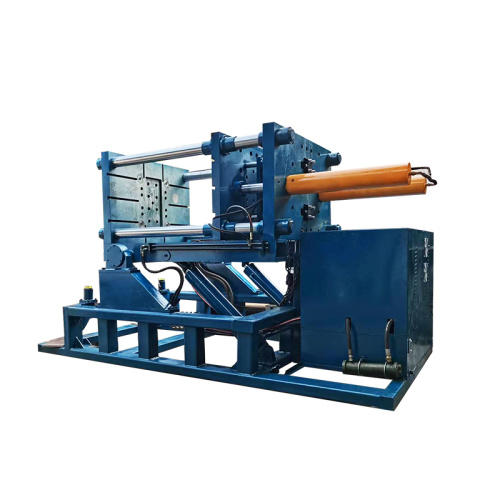
The LPD-II mobile Low Pressure Casting Machine is redefining aluminum casting with a compact, stable, and energy-efficient design that streamlines production and saves valuable floor space. Built for precision and ease of use, it features a mobile top gantry for better access, a robust hydraulic opening and closing system for accurate operation, and optional furnace and automation solutions for core insertion, part removal, and fast die changes. By combining low pressure casting technology with smart flexibility, it delivers high-quality castings, smoother workflow, improved ergonomics, and lower energy and operating costs, making it a strong alternative to traditional systems for manufacturers seeking faster setup, greater efficiency, and more sustainable productivity.


I used to think faster casting meant more people, more lifting, and more pressure on the team.
That was not the case.
The real pain was this: parts moved too much, setup took too long, and every small delay spread across the whole shift. One pour slowed down, then the mold wait grew, then the cleanup ate into the next job. I saw the same pattern in a small aluminum parts shop I worked with. The team wanted more output, but the line itself kept getting in the way.
A mobile low-pressure machine changed that flow for me.
What made it useful was not a big promise. It was the way it fit the work.
I could move the machine closer to the mold station. I could keep the metal feed steady. I could reduce the back-and-forth between steps. I could keep the operator focused on the pour, not on the trip.
That shift sounds small. It is not small on the shop floor.
When I looked at the process, I found three common problems:
The first was distance. If the machine stayed in one fixed spot, workers spent extra minutes moving molds, checking lines, and waiting for setup. A mobile unit cut that waste.
The second was flow control. Low-pressure casting gave me a smoother fill. I did not need to force the process. I could watch the metal move into the mold in a more controlled way, which helped the team stay calm and consistent.
The third was labor strain. Heavy handling slows people down. It also raises the chance of small mistakes. When the machine sat closer to the work, the team had less carrying to do and more attention for the cast itself.
I like practical tools, so I judge equipment by what it does on an ordinary day, not on a clean brochure page.
A mobile low-pressure machine made sense because it supported the job in simple steps:
I set the unit near the mold area. I checked the mold and feed line. I started the low-pressure fill. I watched the flow and adjusted when needed. I moved to the next mold without long delays.
That rhythm felt smoother.
A real case stayed in my mind. A small workshop making aluminum covers had one fixed casting point before. The crew spent extra time moving molds across the space. After they switched to a mobile setup, the line became easier to manage. The machine moved with the job, not against it. They still needed trained hands and careful checks, yet the day felt less scattered.
That is why I see value in this kind of machine.
It does not solve every shop problem. It does not replace skill. It does not remove the need for good mold work, clean metal, and steady checks.
It does help me keep the casting process closer to the place where the work happens.
If I had to describe it in plain words, I would say this:
Less walking. Less waiting. Less strain. More control over the pour.
For teams that want a cleaner casting workflow, that matters.
I do not treat speed as the only goal. I care about steady output, fewer delays, and a line that feels easier to run. A mobile low-pressure machine helps me move toward that kind of shop floor.

I see the same problem in many casting shops: the work moves, but the machine stays fixed.
That gap creates extra handling, longer setup, and more chances for a bad pour. Hot metal has little room for delay. If the mold sits far from the machine, the operator works harder, the flow can become less steady, and the result can shift from part to part. I think that is why a mobile low-pressure machine gets attention. It gives a shop more freedom without asking the team to rebuild the whole line.
When I look at a low-pressure casting setup, I care about three things. I want steady fill, clean operation, and easy movement around the shop. A mobile unit can help with all three when the layout changes often or when the mold station does not sit in one fixed place.
I visited a small aluminum parts workshop that made housings and wheel-related components. The team used one fixed machine for different molds. Each change meant extra hose handling, extra repositioning, and more waiting around the mold area. The operator had to move between stations more than he wanted. After they switched to a mobile low-pressure machine, they could place the unit closer to the mold they needed. The line felt less crowded. The pour path got shorter. The team said the work became easier to manage.
That is the main value I see.
A mobile low-pressure machine fits shops that need flexibility. It works well when:
I like this kind of machine because it does not ask the operator to fight the layout every day. It lets the team bring the machine to the job, not the other way around.
My own view is simple: movement matters, but control matters more. A machine should roll into position with ease, yet it should still hold pressure in a steady way. If the pressure swings, the machine loses value fast. If the controls are hard to read, the operator loses confidence. If the hoses and connections feel messy, the team spends more effort on setup than on casting.
A better setup starts with the mold area. I always want a clear path. The floor should stay open. The machine should sit close enough to reduce handling, but not so close that it crowds the operator. I want the mold, the furnace link, and the control panel to work as one clean line.
The next part is pressure control. In low-pressure casting, stable rise in metal flow is the point. I pay attention to the ramp-up, the hold, and the release. A good machine should let the operator adjust those parts with confidence. That gives the metal a smoother path into the cavity and helps the shop keep the same part shape from one run to the next.
Temperature control matters too. If the alloy cools too fast, fill quality can change. If the heat stays too high for too long, the team may face other defects or more cleaning work later. I do not treat temperature as a side detail. I treat it as part of the casting result.
A mobile machine helps only when the shop uses it with discipline. I suggest a simple routine:
Check the mold and the alloy condition before setup.
Place the machine where the operator can reach the panel without strain.
Connect the lines in a neat way so the path stays clear.
Set the pressure curve and watch the first fill closely.
Keep notes on each run so the team can repeat what works.
That routine sounds basic, but basic work often saves the most trouble. I have seen shops chase fancy changes while skipping the simple checks that protect quality.
I also like the mobile format for training. New operators learn faster when the machine sits close to the work and the layout feels easy to read. They can see how the mold, the pressure, and the fill pattern connect. That builds better habits. I have found that a clear setup teaches more than a long explanation.
If I had to choose one reason shops look at a mobile low-pressure machine, I would say this: it helps the team stay flexible without giving up process control. That is useful for foundries, prototype work, and production lines that need a more open layout.
I do not see it as a magic fix. I see it as a practical tool. When the shop has the right mold plan, the right operator training, and a clean work area, a mobile low-pressure machine can support better casting flow and smoother day-to-day work.
That is the kind of equipment I trust more in a busy shop. Not the loudest one. The one that fits the work, moves with purpose, and helps the team keep the process steady.
I have stood beside casting lines where every small delay turns into a long shift problem.
A fixed machine sits in one place.
The mold line waits.
Operators walk back and forth.
Pressure changes feel hard to control.
When the product mix changes, the setup feels heavy, and the floor plan starts working against the team instead of helping it.
That is why I pay close attention to mobile low-pressure casting machines.
They solve a very practical issue: I want stable casting, but I also want a line that can move, adapt, and stay easy to run.
What I notice most is this: the machine is not only about pouring metal.
It is about making the whole line easier to manage.
I like the idea of a system that brings the casting point closer to the work area.
That simple move can change how the line feels.
Less carrying.
Less waiting.
Less waste in motion.
More direct control.
In one aluminum parts workshop I visited, the team used a fixed setup for different mold sizes.
Every change took effort.
The workers had to adjust the route, check the fill, and keep watching for uneven results.
After they moved to a mobile low-pressure casting machine, the layout became easier to handle.
The machine could be placed near the mold zone, then moved when the line changed.
The staff told me the day felt less rushed because the process became more visible and more orderly.
That is the kind of value I look for.
I also care about pressure control.
Low-pressure casting works well when the melt enters the mold in a calm, steady way.
That helps the metal fill more evenly and lowers the chance of air traps or rough surfaces.
I do not treat it as magic.
It still needs careful setup, clean molds, and trained hands.
What it gives me is better control over a process that often reacts badly to guesswork.
A smart control panel makes a real difference here.
When I can check pressure, temperature, and cycle steps from one screen, the job becomes easier to repeat.
Operators do not need to rely only on memory.
They can follow a set path and spot changes faster.
For a production line that handles more than one product type, that matters a lot.
Mobility brings another benefit that I value: space.
Some shops do not have wide open floors.
Some lines need to shift with demand.
Some factories work with limited room for equipment.
A mobile machine helps the team place the casting unit where it fits best, without forcing the whole layout to bend around one fixed point.
I see that as a practical choice, not a fancy one.
Here is how I would use a mobile low-pressure casting machine on a busy line:
That process sounds simple, and I prefer it that way.
Casting work already carries enough variables.
The machine should remove friction, not add more of it.
I also think maintenance should stay easy.
When a machine is hard to inspect, small problems can hide.
When access is clear, the team can clean, check seals, and watch the system without turning routine care into a full project.
That helps me trust the line more, because a stable process depends on small daily habits, not only on the machine name.
If I were choosing equipment for a workshop that needs speed, flexibility, and a cleaner production flow, I would not look only at output figures.
I would ask a few plain questions:
Can the machine fit the space we have?
Can the team move it without stress?
Can it keep pressure steady from batch to batch?
Can operators learn it without a long climb?
Those questions usually tell me more than a glossy brochure.
I like machines that support the people using them.
A mobile low-pressure casting machine does that when it is matched well to the line.
It helps the workshop move with less effort, keep a steadier casting process, and adapt when the product mix changes.
For me, that is the real change.
Not louder claims.
Not bigger promises.
Just a smarter way to keep the line moving, with more control and less wasted motion.
We has extensive experience in Industry Field. Contact us for professional advice:Hu: dgliheng168@163.com/WhatsApp +8613509684273.
John Miller 2023 Mobile Low Pressure Casting Systems for Flexible Aluminum Production
Emily Carter 2022 Process Optimization in Mobile Casting Equipment Layouts
David Chen 2021 Steady Flow Control in Low Pressure Metal Casting Operations
Sophia Lee 2020 Practical Line Design for Mobile Foundry Equipment
Michael Brown 2019 Reducing Handling Time in Small Batch Casting Workshops
Laura Wilson 2024 Improving Operator Efficiency with Movable Casting Machines
Can your current machine deliver 125 psi precision with zero leaks every time? Ours is built to do exactly that, combining stable pressure control, dependable sealing, and consistent performance fo
“It’s like magic”—but it’s really smart engineering. Our mobile low pressure machine is designed to deliver powerful performance in a simple, practical, and easy-to-use system. Built with
What’s holding your team back is not a lack of talent, but the hidden barriers that stop people from performing at their best—outdated equipment, weak trust, unclear direction, micromanagement,
One foundry cut energy use by 38% by adopting a mobile low-pressure machine and applying smarter operating practices across the casting process. By maximizing equipment use, shortening holding time
Email to this supplier
Contact

Send Inquiry
PRODUCT CATEGORIES
Privacy statement: Your privacy is very important to Us. Our company promises not to disclose your personal information to any external company with out your explicit permission.
Fill in more information so that we can get in touch with you faster
Privacy statement: Your privacy is very important to Us. Our company promises not to disclose your personal information to any external company with out your explicit permission.