

Send Message
Privacy statement: Your privacy is very important to Us. Our company promises not to disclose your personal information to any external company with out your explicit permission.

Shocking Stats: How 50T Presses Improve Quality — A 50-ton press can transform manufacturing quality by applying powerful, controlled force with exceptional precision. Its robust capacity supports more consistent forming, stamping, and assembly, helping reduce defects, material waste, and production variation. With reliable pressure control and repeatable performance, every cycle is more stable, enabling manufacturers to achieve tighter specifications and dependable results at scale. Beyond improving product quality, 50T presses can streamline workflows, enhance operational reliability, and support safer, more efficient production. For businesses seeking stronger output and greater consistency, upgrading to a 50-ton press may deliver a measurable competitive advantage.


When a 50T press starts producing uneven parts, the problem may not be the press capacity. Small changes in frame stiffness, die alignment, lubrication, or control response can affect the finished part. A machine may still complete every stroke while quality slowly moves outside the required range.
I look at a 50T press as part of a full production system. The press, tooling, material, operator settings, and maintenance routine all affect the result. A quality upgrade should improve this whole process, not simply add more power.
A 50T press is often used for stamping, bending, blanking, embossing, and light forming work. These operations place different demands on the machine.
Common production concerns include:
I do not treat every defect as a reason to replace the complete machine. A clear inspection can show whether the issue comes from the press structure, the die, the material, or the operating method.
The frame carries the working load of the press. If the structure flexes under pressure, the die may not close evenly. That can create different results across the same batch.
During an inspection, I check:
A stable slide path helps the die meet the workpiece at the intended angle. This supports repeatable forming and reduces uneven wear.
For a 50T mechanical press, the crankshaft, connecting rod, flywheel, clutch, and brake also need attention. For a hydraulic 50T press, the cylinder, pump, valve block, pressure gauge, and hoses need a separate review. The upgrade plan should match the press design.
Many quality problems that appear to come from the press actually begin with die installation.
I recommend checking the following points before changing machine parts:
A die that is slightly off-center can still produce parts, but the cutting edge may wear faster and the formed shape may change from one side to the other.
A stamping shop producing small steel brackets may notice burrs on only one side of the part. Replacing the punch immediately may not solve the problem. Checking die alignment, guide wear, and material support can reveal the actual cause.
A quality upgrade may involve the control system rather than the main structure.
For a hydraulic press, pressure stability affects forming force and repeatability. The system should be checked for:
For a mechanical press, the operator should review:
The machine should not run at a higher setting simply to compensate for poor tooling or weak maintenance. That approach can increase wear and create more variation in the parts.
A press upgrade has limited value if the team does not measure the output.
I prefer a simple inspection plan that operators can follow without slowing production too much. It may include:
The inspection frequency depends on the part, material, and customer requirement. A new die setup may need closer checks than a stable production run.
Use the same measuring tools and method each time. A caliper, height gauge, angle gauge, or go/no-go gauge can help, but the tool must suit the tolerance being checked. Recording the results also helps identify whether the variation appears after a setup change, material change, or maintenance event.
Quality and safety should be reviewed together. A press that produces good parts but has unreliable guarding or stopping functions creates an unacceptable production risk.
A 50T press should be reviewed for:
Safety components should be selected and installed according to the applicable local requirements. The machine should also be tested after any electrical or control change.
I do not recommend adding features that the production line will not use. A small workshop may gain more from improved die alignment, a reliable pressure gauge, and easier setup than from a complex control package.
A larger line may need:
The right choice depends on part size, material thickness, cycle rate, tolerance, tooling design, and operator skill. A 50T press used for thin sheet blanking does not need the same upgrade plan as a 50T hydraulic press used for deep forming.
I use a step-by-step review before approving a quality upgrade:
Step 1: Define the defect
Write down what has changed. Avoid general descriptions such as “the quality is worse.” Record the actual issue, such as a 0.4 mm change in hole position or a burr appearing on one edge.
Step 2: Check the material
Confirm thickness, hardness, surface condition, and batch information. Material variation can look like a machine problem.
Step 3: Inspect the tooling
Look for wear, damage, incorrect clearance, poor lubrication, and misalignment.
Step 4: Test the press
Measure slide movement, pressure or force, stroke setting, brake response, and abnormal vibration.
Step 5: Make one controlled change
Change one factor at a time when possible. This makes it easier to see what affected the result.
Step 6: Record the result
Keep the new setting, inspection data, and maintenance action in a simple production record.
This process helps prevent unnecessary spending and gives the team a repeatable way to handle future defects.
Before selecting an upgrade or replacement component, I ask the supplier:
A supplier that asks about the part, die, material, cycle, and defect is more likely to offer a suitable solution than one that only discusses tonnage.
A 50T press can remain useful for many years when its structure, tooling, controls, and maintenance routine work together. The quality upgrade is not only a new component. It is a practical review of how the press creates each part.
When I evaluate a press, I focus on repeatability, measurable output, safe operation, and service access. These points give the production team a stronger basis for deciding whether to repair, upgrade, or replace the equipment.

When a press is too small for the job, the problems often appear in the finished part. Edges may deform, holes may shift, and the machine may work near its limit for long periods. A 50T press gives many workshops more working capacity without moving into the size and cost of a much larger machine.
The main benefit is controlled force. A 50-ton press can apply up to 50 tons of pressing force, based on its design and operating conditions. That capacity helps with tasks such as bushing removal, bearing installation, plate forming, straightening, stamping, and small-part assembly.
A higher force rating does not make every job better. The press still needs the right die, support, stroke, pressure setting, and working speed. When these parts match the task, the machine can produce more consistent results.
I often look at press selection through four practical points.
1. More working capacity
A press should not run at its maximum load for every cycle. A 50T model gives the operator more room when the material is harder, thicker, or less predictable than expected.
For example, a shop may use the same press to remove wheel bearings, install bushings, and straighten steel brackets. Each task needs a different pressure setting. A 50T machine can handle this range more comfortably than a smaller unit that reaches its limit during heavy work.
This does not mean every operation needs 50 tons. A light assembly job may require only a few tons. The value comes from having enough capacity for the full range of planned work.
2. Better control during pressing
Force alone does not decide the quality of a part. Control matters just as much.
A good 50T press should allow the operator to adjust pressure and monitor the pressing process. A pressure gauge can show whether the load stays within the planned range. Adjustable speed can help reduce sudden movement, material damage, and tool shock.
When I press a bearing into a housing, I want the force to build in a steady way. A sudden load can damage the bearing or leave marks on the housing. A controlled press gives the operator more time to check alignment and stop the cycle when the part reaches the correct position.
3. More stable support for tools and parts
The frame, bed, cylinder, and tooling all affect the result. A 50T press often has a stronger structure than a small bench press because it must manage higher loads.
A stable frame can help reduce unwanted movement during pressing. This matters when the part needs to stay square or when a die must remain aligned with the workpiece.
A common example is bracket forming. If the material shifts as the die comes down, the bend angle may vary from one piece to another. A stable bed, proper support blocks, and a correctly aligned die can help reduce that variation.
The machine cannot correct poor setup. The workpiece still needs to sit flat, and the load should stay close to the center of the bed.
4. More consistent results across repeated jobs
Production quality depends on repeatable setup. A 50T press can support repeat work when the operator uses fixed stops, suitable dies, and the same pressure settings.
A small fabrication shop may produce 100 steel brackets for a repair project. The operator can mark the bed position, use a forming die, set a pressure range, and check sample parts during the run. This process helps keep the parts closer to the same shape.
The result depends on the whole setup, not only on the tonnage. Material thickness, hardness, lubrication, tool condition, and operator technique also affect the finished part.
A practical selection process can prevent many problems:
A 50T press may be a good fit for a repair shop, metalworking business, farm equipment workshop, or small production line. It can handle many jobs that are too demanding for a light bench press while remaining more manageable than a much larger industrial machine.
The best choice depends on the work. A 50T model may be unnecessary for thin sheet metal or light assembly. A 50T model may also be too small for large structural parts, deep forming, or continuous heavy production. The press must match the force, size, speed, and frequency of the application.
I see the strongest results when buyers focus on the full working system instead of the tonnage number alone. A suitable frame, accurate pressure control, proper tooling, and careful alignment allow the press to use its capacity in a safe and useful way.

When a workshop handles tough materials, light equipment can create uneven results, slow production, and extra strain on operators. I have seen this happen when a press is chosen by size alone instead of by force, stroke, frame strength, and daily workload.
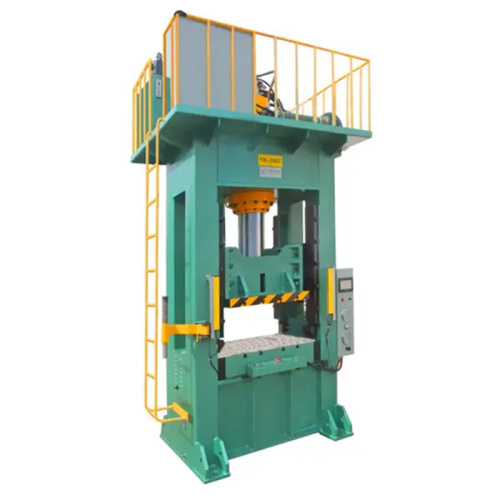
A 50T press gives the operator a wider working range for tasks such as forming, bending, straightening, pressing bearings, and removing tight parts. The rated force is only one part of the decision. The machine also needs to match the material, workpiece size, pressure system, and space available on the shop floor.
I may use a 50T hydraulic press when a smaller unit cannot provide enough force for the job. Common applications include:
A repair shop may use the press to remove a seized bearing from a machine shaft. A fabrication team may use it to straighten a bent support bracket. The same machine can support both tasks when the bed size, ram travel, and tooling fit the workpiece.
The press does not replace the need for correct setup. A 50T rating does not mean every job should use the full force. The operator should select the lowest pressure that completes the task safely and evenly.
High force can solve a difficult pressing job, but uncontrolled force can damage the part, tooling, or frame. I pay close attention to pressure control because the workpiece may fail before the press reaches its rated capacity.
A suitable hydraulic system should offer:
The pressure gauge helps me check how much force the press is applying. This makes the process easier to repeat across similar jobs. If one part needs much more pressure than another, I can stop and inspect the alignment instead of continuing blindly.
The frame carries the load during pressing. A strong frame with suitable welds, supports, and bed adjustment can help the machine stay stable under normal use.
I measure the workpiece before selecting a press. These measurements include:
A press may have enough force but still be unsuitable if the bed opening is too small. A long workpiece may need a wider frame. A deep component may require more ram travel. These details affect daily use more than the force rating printed on the machine.
I use this process when comparing a 50T press with other options.
List the materials and parts that need pressing. Steel, aluminum, rubber, and composite parts respond differently under load. Record the largest and heaviest workpiece expected during normal operation.
Use the material, part shape, contact area, and pressing method to estimate the load. When the force is uncertain, ask a qualified engineer or equipment supplier to review the application.
The 50T capacity should be treated as a working limit, not a target for every job.
Stroke refers to the ram travel. Daylight refers to the available height between the bed and ram. A short stroke can limit the job even when the press has enough force.
Look for compatible pressing plates, V-blocks, dies, pins, and bearing adapters. Improvised supports can shift under load and create a serious hazard.
Confirm the hydraulic pump type, motor rating, voltage, and control system before installation. A machine that does not match the workshop power supply may need changes that affect cost and setup time.
Before I start a pressing cycle, I check the frame, bed pins, hydraulic lines, gauge, ram, and work supports. I place the workpiece at the center of the load path and make sure both supports carry the part evenly.
During operation, I keep hands away from the pressing area. I also stand clear of possible movement from the part, tooling, or support blocks. If the material bends, cracks, slips, or makes an unusual sound, I release the pressure and inspect the setup.
The operator should not use pipes or other extensions to increase handle force unless the manufacturer has approved that method. Extra leverage can place stress on parts that were not designed for it.
Training matters as much as machine capacity. Each operator should understand the controls, pressure gauge, emergency stop method, load limits, and inspection routine.
A maintenance plan can reduce avoidable downtime. I would include these checks in the workshop routine:
Hydraulic oil should follow the manufacturer’s specification. Using the wrong fluid may affect seals, pump performance, or pressure control.
A small leak should not be ignored. The leak may grow under pressure and make the work area unsafe. Repairs should be completed by a trained person with the system depressurized.
Imagine a vehicle repair shop that often replaces bearings and straightens heavy brackets. A 20T press may handle smaller parts, but it can reach its limit when the bearing is seized or the bracket has a strong bend.
The shop could compare a 50T press by checking:
If the 50T model fits these requirements, it may reduce the need to send larger jobs to another workshop. That result depends on correct sizing, operator skill, and machine condition. The force rating alone does not guarantee a better process.
I would ask the supplier:
Clear answers help prevent a mismatch between the machine and the job.
A 50T press can be a useful choice for workshops that need more force than a small bench unit can provide. I would judge it by the complete setup: capacity, frame, stroke, working area, control system, tooling, safety features, and service access.
The right press is not simply the one with the largest number. It is the one that fits the work, supports steady operation, and allows the operator to control each pressing task with care.
Contact us today to learn more Hu: dgliheng168@163.com/WhatsApp +8613509684273.
References
David M Hargreaves, March 12, 2024, Hydraulic Press Operation and Maintenance for Workshop Applications
Emily R Collins, July 8, 2023, Press Frame Stability and Tool Alignment in Metal Forming
Robert T Anderson, January 19, 2022, Practical Force Control for Mechanical and Hydraulic Presses
Michael J Bennett, September 5, 2021, Safety Procedures for Industrial Press Equipment
Laura S Mitchell, November 27, 2023, Quality Inspection Methods for Stamping and Forming Operations
Thomas W Parker, May 16, 2022, Selecting Press Capacity Stroke and Tooling for Production Workmarks
The 50T Press is an advanced and dependable solution for powder molding, combining 50 tons of pressing force with a robust structure and user-friendly operation. Designed to process a wide variety
Is your 50T hydraulic press underperforming? Before investing in replacement parts or costly repairs, inspect the essential factors that directly affect power, speed, and consistency. Verify the hy
The 50T Powder Press combines high pressing force with dependable performance and low maintenance, making it an efficient solution for demanding production environments. Built to support consistent
Choosing the right 50T press can save your business up to $10,000 per year. The ideal machine improves production efficiency, lowers energy and maintenance costs, and reduces costly downtime. By ev
Email to this supplier

November 26, 2026

November 25, 2026
Contact

Send Inquiry
PRODUCT CATEGORIES
Privacy statement: Your privacy is very important to Us. Our company promises not to disclose your personal information to any external company with out your explicit permission.
Fill in more information so that we can get in touch with you faster
Privacy statement: Your privacy is very important to Us. Our company promises not to disclose your personal information to any external company with out your explicit permission.