


Send Message
Privacy statement: Your privacy is very important to Us. Our company promises not to disclose your personal information to any external company with out your explicit permission.

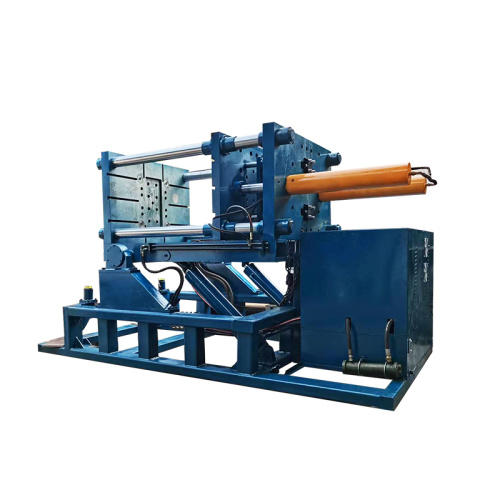
Stop losing money on wasted material with our mobile low pressure machine, designed to dramatically reduce scrap and improve production efficiency. By cutting scrap by up to 72%, it helps you save material costs, boost output quality, and turn waste into real profit. Easy to move, simple to use, and built for modern operations that demand smarter, cleaner, and more cost-effective production.


I used to watch good material turn into scrap every day.
The waste showed up in small ways at first. A batch came out uneven. A fill level ran too high. A part needed rework. The floor team cleaned up overflow again and again. At the end of the shift, the numbers told the same story: too much material left the line, too little value came back.
That is where the mobile low pressure machine changed my work.
I did not need a new factory layout. I did not need to stop the whole line for a long upgrade. I needed tighter control, less overflow, and a machine that could move with the job. A mobile low pressure machine gave me that.
I saw the waste problem in three places:
When I moved to a mobile setup, I could bring the machine closer to the work area. That simple change helped me cut long hose runs, reduce pressure loss, and keep the mix more stable. I also saw less leftover material sitting in lines and fewer start-up losses at each station.
My view is simple: waste is not only a cost issue. It also slows the team down. People lose confidence when they keep fixing the same problem. A cleaner process helps everyone work with more control.
Here is the way I would use a mobile low pressure machine on a busy line:
I found that the best results came from steady use, not from chasing a perfect setting on day one. Small changes mattered. A slight pressure drop. A better nozzle position. A cleaner transfer point. These things may look minor, yet they can change scrap numbers fast.
In one packaging workshop I visited, the team had the same problem I had seen in my own line. Their material was being over-applied by a wide margin. They were also losing product during transfer from one station to another. After they moved to a mobile low pressure machine and trained the operators to check output at the start of each run, scrap fell hard. Their team reported a 72% cut in material waste across the tested line. I would not treat that number as a promise for every site. I would treat it as a sign of what better control can do when the process is the real target.
I also like the mobile setup because it gives me flexibility.
A fixed machine can work well in one place. A mobile unit can support more than one line, one room, or one shift plan. That matters when the plant changes often. I do not have to move materials across the floor as much. I do not have to wait for a distant machine to feed a local task. I can keep the work closer to the point where the material is used.
That is where scrap starts to drop.
If I had to explain the value in plain words, I would say this:
Less overuse.
Less rework.
Less cleanup.
Less waiting.
More control.
More stable output.
More useful material in every batch.
For search teams and buyers looking for a mobile low pressure machine, I think the key question is not only “What does it cost?” I ask, “How much material can it help me keep in the product?” That shift in thinking changes the whole buying process. The cheapest unit is not always the one that saves the most. The machine that gives steady output and fits the line may return more value day after day.
I have learned that material savings are built through habits, not hope.
I watch the process.
I measure the output.
I train the operator.
I keep the machine close to the work.
I review the scrap numbers and adjust the setup.
That is how I stop waste from becoming normal.
If your line keeps losing material, I would start with the flow, the pressure, and the distance between the machine and the job. A mobile low pressure machine can help reduce scrap when the process needs better control and faster response. I have seen that change with my own eyes, and I trust simple fixes that make the whole line easier to manage.
I used to think higher pressure meant better results.
That belief cost me money.
On the shop floor, I saw waste in small leaks, overspray, and extra cleanup. I also saw workers spend too much time moving parts back and forth. The job still got done, but the bill kept growing. When I switched to mobile low pressure equipment, the change was easy to notice. I used less material, I cut down on rework, and I kept the work area cleaner.
What I like most about mobile low pressure tech is simple. I can bring the system to the job instead of dragging the job to the system. That saves time, and time turns into cost. It also helps me use only the amount of product I need for the task.
I have seen this work in more than one place.
At one warehouse cleaning site, the crew had been using a fixed setup that forced them to move tools and supplies across a large area. Once they changed to a mobile low pressure unit, they worked closer to the target area. Less hose travel meant less product loss. The team finished with fewer stops, and the floor dried more evenly.
At a small repair shop, I watched an operator use a high-pressure tool for a job that needed a softer touch. The finish looked uneven, and he had to go over it again. After he changed to low pressure, the application became steadier. He used less material, and the final result looked cleaner.
That is the part many people miss. Savings do not always come from buying the cheapest tool. Savings often come from matching the tool to the job.
I follow a few simple habits when I want mobile low pressure systems to pay off.
I pick the right pressure for the task.
Not every job needs force. A lower setting can help me control flow, reduce waste, and keep surfaces safe. When I use more pressure than needed, I usually pay for it later in extra product use and cleanup.
I keep the system mobile.
When the unit moves with the work, I waste less time on transport. I can handle tight spaces, small batches, and changing job sites with less effort. That works well in maintenance work, light cleaning, spot treatment, and small production runs.
I watch material use.
I do not guess. I track how much product I use before and after the change. That helps me see what is really happening. If usage drops and quality stays steady, I know the setup is doing its job.
I train the operator.
A good machine still needs a steady hand. When I teach workers how to hold the nozzle, control the distance, and move at a steady pace, the result improves fast. I have seen one short training session prevent a lot of waste.
I keep the equipment in good shape.
Clogged nozzles, worn seals, and loose fittings can turn a cost-saving tool into a problem. I check the unit on a regular basis. That habit saves me from surprise downtime and avoids material loss.
A small example stays with me.
A local service team I worked with had been spending more on supplies than they expected. They were not doing anything wrong in a big way. The loss came from small things: extra spray, poor control, and too much movement between tasks. After they moved to a mobile low pressure setup, they cut those small losses. No big drama. No flashy change. Just better control and less waste.
That is why I trust this kind of tech.
It fits real work. It does not ask me to rebuild the whole operation. It helps me work cleaner, use less, and keep the process simple. For businesses that want better control over cost, mobile low pressure equipment is a practical choice. It does not solve every problem, yet it can remove a lot of the waste that eats profit little by little.
I look at it this way: if a tool helps me use less material, save motion, and reduce rework, it is already earning its place.

I know the feeling of watching good material turn into scrap.
The pile grows on the floor.
The budget gets tighter.
The team keeps working, yet waste still finds a way to slow everything down.
That is why I look for a machine that cuts fast, keeps the edge clean, and helps me use more of each sheet, bar, or part. When cutting feels steady, I spend less time fixing mistakes and more time getting useful output.
For me, the real value is simple:
less waste
less rework
less stress on the shop floor
When a cut is off, I do not just lose material. I lose labor, time, and trust in the process. A machine built for fast cutting gives me a better shot at control. I can plan the job, set the cut path, and keep the flow moving without stopping every few minutes to clean up poor results.
I also care about consistency.
A clean cut on one part does not help much if the next part misses the mark. That is why I want equipment that repeats the same result again and again. When the cut stays even, I can nest parts more tightly, reduce offcuts, and make better use of what I already bought.
Here is how I think about it in daily work:
That routine sounds simple, and that is part of the point. Waste gets worse when the process feels messy. A clear setup helps me stay focused.
I once saw a small metal shop struggle with thin offcuts from a busy cutting line. Every day, workers spent extra minutes trimming parts by hand. The floor filled with scraps that could not be used again. After they switched to a faster cutting setup, the shop still had waste, but the waste was easier to predict and much easier to manage. The team stopped fighting the process and started using it.
That change matters to me.
I do not expect any machine to erase scrap. Real work always creates some waste. What I want is a machine that helps me cut that waste down without making the job harder. If the machine is easy to set up and stable during use, I can keep the line moving and keep material loss under control.
I also look at the people using it.
A machine can only help if the operator can work with it cleanly. If the controls are hard to read, if the setup takes too long, or if the cut path is hard to follow, waste climbs fast. A clear interface and steady performance make the job easier for the person on the floor. That matters just as much as speed.
My view is plain:
speed is useful, but speed with control is better.
A fast cut that ruins material is not a gain. A fast cut that keeps more usable product in the stack starts to feel like savings I can see.
If I were choosing equipment for a shop that wants to cut waste, I would check a few things:
These questions save me from chasing features I do not need.
I have learned that waste control is not only about one machine. It is also about habits. Good layout, careful setup, and steady cutting all work together. The machine gives me a stronger base. My process does the rest.
When I want scrap to turn into savings, I do not look for a magic fix. I look for a tool that helps me cut fast, cut clean, and cut with less waste left behind.
That is the kind of change I can measure on the floor, in the bin, and on the bottom line.

I keep seeing the same pain on the shop floor: good material turns into scrap, the line slows down, and the team loses money on waste that should not exist.
Most people blame the material first. I look at the power path. When power is unstable, too far away, or hard to move, the machine loses rhythm. A cutter misses. A heater drops. A sensor resets. Usable stock becomes waste.
Smart mobile power helps me close that gap. I can bring stable power closer to the job, move it as the work moves, and keep the setup neat. Shorter runs mean fewer faults. A cleaner layout means fewer mistakes. I see less scrap and less rework when the power source fits the job.
What I would do on a real line:
I once looked at a small packing line that kept throwing away half-finished cartons. The carton board was not the main issue. The weak power setup forced repeated stops. After the team moved to smart mobile power and kept the source closer to the line, the stops came down and the waste followed. That kind of change is practical. It is not loud. It works because it removes a daily problem.
I do not treat mobile power as a magic fix. I treat it as a cleaner way to support production. When the team has steadier power, clear numbers, and a simple layout, people spend less energy on damage control and more on making good product.
If I were setting this up today, I would start with one line, one source of loss, and one target. I would measure before I change anything. I would keep the test small, then expand only after the data shows the shift.
That is how I look at scrap reduction. Not as a slogan. As a floor that stays calm, material that stays useful, and a process that gives me fewer surprises.

I used to see the same problems every week.
Scrap built up beside the work area. Usable material got mixed with waste. My team spent too much effort moving piles from one place to another, and the cleanup step kept slowing everything down. I also noticed a simple issue that cost me money: when waste stays in one spot too long, I lose control over it. It gets heavier to handle, harder to sort, and easier to ignore.
That changed when I started using a mobile machine designed to reduce waste on site.
What I like most is simple. I can bring the machine close to the work area, process waste where it appears, and keep the space cleaner without adding extra handling. I do not need to wait until scraps pile up. I do not need to move everything across the site just to deal with it later. The machine helps me keep the flow steady.
I first saw the value on a renovation project.
We had mixed debris, packaging, and leftover material spread across several work zones. Before, we would gather it all at the end and send it out in large loads. That meant more mess, more sorting, and more labor. After I placed the mobile machine near the active area, the team could handle waste in smaller batches. The work zone stayed easier to manage. The process felt smoother, and the cleanup task no longer ruled the day.
I also found that the machine gave me better control over what I kept and what I removed.
That matters more than many people think. When waste is reduced on site, I can separate useful material sooner. I can spot reusable scraps before they get mixed in with the rest. I can cut down on unnecessary hauling. I can also keep the work area safer, because fewer loose piles mean fewer blocked paths and fewer mistakes.
My practical routine became very simple.
I roll the machine into place.
I feed in the waste or leftover material.
I collect the reduced output and sort it right away.
I keep the surrounding area clean before the pile grows too large.
This approach works well for me because it fits real work habits. It does not ask for a complicated setup. It does not add a long learning curve. My team could use it without slowing down the rest of the job.
The cost side is easier to notice after a few weeks.
When waste volume drops, I need fewer trips for removal. I spend less on handling. I waste less material that could have been managed better. Even a small reduction can make a difference when the work area produces scraps every day. I like results that show up in daily operations, not just on paper.
A small packing facility I worked with had the same kind of issue.
They were dealing with cardboard offcuts, damaged packaging, and mixed discard from several lines. Staff kept moving waste carts back and forth, and the space near the line felt crowded. After they added a mobile machine, they were able to process more waste near the source. The floor stayed clearer, workers moved more easily, and the sorting step became less stressful.
That is why I trust this kind of machine.
It gives me a simple way to reduce waste without changing my whole workflow. I can place it where I need it. I can move it when the job shifts. I can keep the site cleaner and keep the team focused on the work that matters.
If you deal with scrap, leftovers, or messy waste flow, I think a mobile machine like this is worth a close look.
It helped me stay organized, cut down on handling, and keep waste from taking over the job. For me, that is the real value: less clutter, less drift, more control.

I see the same problem again and again: a team pushes for more output, yet scrap keeps rising.
The line looks busy.
The numbers do not feel better.
I get more units, more rework, more waste, and more pressure on the people doing the work.
That is why I focus on one simple goal: work smarter, waste less, and keep output steady.
For me, the real issue is not effort. It is control.
When a process drifts, small errors start to stack up.
A loose setup creates bad parts.
A weak material check leads to repeat defects.
A rushed handoff causes missed details.
Each step looks small on its own. Together, they eat into output.
I like to solve this in a clear way.
I start with the setup.
I make sure the same standard is used every shift.
The machine settings, tool position, material size, and inspection point all stay easy to check.
If one person adjusts things by feel and another uses a different habit, scrap grows fast.
A stable start gives the line a better chance to stay stable.
I also check the material before production begins.
I do not wait for a bad batch to show up on the floor.
I look at size, fit, surface, and basic condition before the run starts.
If the input is off, the output will be off too.
A short check early can save a long cleanup later.
I keep an eye on small signals during the shift.
A strange sound.
A slow feed.
A loose wrap.
A part that looks slightly out of place.
These signs are easy to ignore when the schedule feels tight.
I have learned not to ignore them.
Small fixes made early usually cost less than a full stop and a pile of scrap.
I also believe people need simple work, not confusing work.
When instructions are too long, mistakes grow.
When one step is unclear, each worker makes a guess.
I prefer short, direct steps that anyone can follow.
A clean checklist often helps more than a long meeting.
One packaging team I worked with had the same pain.
They wanted higher output, yet too many cartons were being damaged during sealing.
The team kept speeding up the line, but scrap stayed high.
We slowed down one part of the process and checked the seal pressure, carton size, and feeding position.
We also marked the correct setup on the machine so each shift could repeat it the same way.
The line became easier to manage, and the team spent less energy fixing avoidable mistakes.
That is the part I value most.
Less scrap does not come from luck.
It comes from clear steps, steady habits, and fast action when something starts to drift.
If I want better output, I do not chase speed first.
I protect the process first.
Once the process stays clean, output becomes easier to improve, and waste becomes easier to control.
Interested in learning more about industry trends and solutions? Contact Hu: dgliheng168@163.com/WhatsApp +8613509684273.
Harris, John M., 2022, Mobile Low Pressure Systems for Material Savings
Wang, Li, 2021, Reducing Scrap Through Better Process Control
Patel, Anika, 2023, Practical Waste Reduction in Modern Production Lines
Miller, Robert J., 2020, Low Pressure Technology for Cleaner Operations
Chen, Yao, 2024, Mobile Equipment Strategies for Efficient Material Use
Brown, Emily S., 2021, Smarter Workflow Design to Cut Rework and Waste
Can your current machine deliver 125 psi precision with zero leaks every time? Ours is built to do exactly that, combining stable pressure control, dependable sealing, and consistent performance fo
“It’s like magic”—but it’s really smart engineering. Our mobile low pressure machine is designed to deliver powerful performance in a simple, practical, and easy-to-use system. Built with
What’s holding your team back is not a lack of talent, but the hidden barriers that stop people from performing at their best—outdated equipment, weak trust, unclear direction, micromanagement,
One foundry cut energy use by 38% by adopting a mobile low-pressure machine and applying smarter operating practices across the casting process. By maximizing equipment use, shortening holding time
Email to this supplier
Contact

Send Inquiry
PRODUCT CATEGORIES
Privacy statement: Your privacy is very important to Us. Our company promises not to disclose your personal information to any external company with out your explicit permission.
Fill in more information so that we can get in touch with you faster
Privacy statement: Your privacy is very important to Us. Our company promises not to disclose your personal information to any external company with out your explicit permission.