

Send Message
Privacy statement: Your privacy is very important to Us. Our company promises not to disclose your personal information to any external company with out your explicit permission.

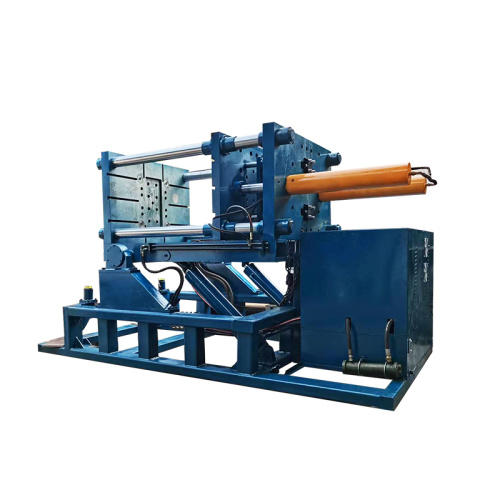
Switching to hydraulic rolling brings three clear advantages: greater precision, smoother and more consistent results, and higher efficiency for demanding applications. Its powerful hydraulic control handles heavy materials with ease, minimizes manual effort, and ensures reliable performance. By improving accuracy and productivity, hydraulic rolling helps reduce processing time and operating costs, making it a smart choice for businesses seeking stronger results and long-term value.


Many metal fabrication shops start with mechanical or manual rolling and keep using it because the process feels familiar. Over time, several problems can appear: uneven plate curvature, more setup work, operator fatigue, and difficulty handling thicker material.
Hydraulic rolling offers a different way to manage these tasks. I see three practical benefits when a shop changes to a hydraulic plate rolling machine.
Hydraulic systems let operators adjust roller movement with more control. This helps when the job involves different plate thicknesses, widths, or material types.
With a manual setup, the operator may need to make several adjustments by hand. Small changes in pressure or roller position can affect the final shape. A hydraulic system gives the operator a clearer way to manage these movements during pre-bending and rolling.
That control can help reduce:
A tank shell, duct section, or curved structural panel often needs a consistent radius across the full plate. Hydraulic control can make this task easier to repeat from one piece to the next.
The machine still needs correct settings, suitable tooling, and a trained operator. Hydraulic power does not remove the need for process knowledge. It gives the operator better control over the work.
Large plates can be difficult to position and adjust with a manual rolling machine. The work may require more physical effort from the operator, especially when the plate is wide or has a high thickness.
A hydraulic rolling machine uses hydraulic cylinders to control key movements, such as roller adjustment, side support, or plate release. This reduces the amount of manual force needed during the process.
For a shop producing pressure vessel parts, steel frames, or large pipe sections, this can change the daily workflow. Operators can spend less time forcing the plate into position and more time checking alignment, measurements, and surface quality.
A practical example is a shop rolling 10 mm carbon steel plates for cylindrical sections. With a manual machine, the team may need several people to guide and adjust each plate. A hydraulic system can handle the roller movement through a controlled power unit, while the operator focuses on feeding direction and radius checks.
The actual result depends on machine capacity, plate size, material strength, and the shop’s handling equipment. A hydraulic machine should be selected from the required load, not only from the machine’s name or appearance.
When a shop makes similar parts each week, repeatability becomes a daily concern. Operators need to reproduce the same radius without relying only on personal judgment.
Hydraulic rolling machines can support a more stable setup. Digital readouts, preset positions, or controlled roller movement may help the operator record useful settings for future work. These features can reduce variation between batches.
For example, a fabrication team making curved covers for conveyor systems may record the roller position, plate thickness, material grade, and test measurements after a successful job. When the same order returns, the operator has a starting point instead of setting the machine from scratch.
This does not mean every plate will leave the machine with the same result. Material springback, temperature, plate quality, and operator technique still affect the process. Regular measurement remains part of good production control.
Before switching, I recommend reviewing four points:
Hydraulic rolling is a useful choice when your shop needs better control, easier handling, and more consistent results across repeated work. It may not suit every operation. A smaller shop with light materials and low production volume may prefer a simpler machine.
The right decision comes from matching the rolling method to your actual jobs. Check the material range, compare setup time, review operator workload, and ask for a test using your own plate specifications. That process gives you a clearer basis for choosing hydraulic rolling.

When I run a rolling job, I look for three things: stable forming, a clean surface, and a process that fits the shop floor. Hydraulic rolling can support these goals by giving the operator better control over pressure, plate movement, and roller position.
A rolling machine may appear simple from the outside. The plate passes between rollers and takes a curved shape. The actual result depends on many details, including material grade, plate thickness, width, roller diameter, pre-bending method, and operator settings. A small setup error can leave flat ends, uneven curvature, or visible marks on the plate.
I prefer to treat hydraulic rolling as a controlled forming process rather than a single machine action.
The hydraulic system moves the rollers with controlled force. The operator can adjust the roller position during pre-bending and rolling. This helps reduce sudden movement and gives the plate a more even curve. The machine does not remove the need for correct setup, but it can make the setup easier to manage.
A typical plate rolling process follows this path:
This sequence helps me avoid a common problem: trying to correct a poor starting position with more hydraulic pressure. More pressure does not always produce a better result. If the plate enters at an angle, the machine may create a tapered shell or uneven edge. Careful alignment often matters more than force.
Hydraulic rolling can also support smoother operation. Mechanical adjustment systems may require manual movement, repeated stops, or physical handling of heavy components. A hydraulic system allows the operator to control roller movement from a central station. This can reduce unnecessary handling and make adjustments easier during a long job.
The surface condition deserves attention. Scratches may come from damaged rollers, dirt between the plate and roller, or excessive sliding during setup. I check the rollers before production and keep the contact area clean. For stainless steel and other surface-sensitive materials, separate tooling or careful cleaning may be needed to reduce contamination and marking.
Speed should be judged by the complete job, not only by roller movement. A fast pass can create extra correction work. A steady pass with controlled pressure may produce a better output with less rework. For a workshop, the useful measure is often the time from plate loading to an acceptable finished shape.
A typical shop example makes this easier to understand. Imagine a fabrication team forming carbon steel shells for duct sections. The team loads plates with different thicknesses across several orders. When the plate is not aligned before rolling, workers may spend extra time correcting the seam gap. After adding a simple alignment check and recording roller settings for each thickness, the team can create a more repeatable setup. The result does not depend on machine pressure alone. Material checks, operator judgment, and a clear work sequence all affect the finished shell.
I also pay attention to hydraulic system maintenance. Low fluid level, leaks, unstable pressure, or delayed cylinder movement can affect roller positioning. A basic maintenance routine may include:
The right machine depends on the work. A shop forming thin sheet may need different roller geometry and control settings from a heavy plate fabricator. Before selecting equipment, I review the maximum plate width, thickness range, yield strength, minimum rolling diameter, available power, control method, and required pre-bending performance.
Automation can help with repeat jobs. Stored settings, digital position displays, and programmable sequences may reduce manual entry. These features still need verification against the actual material. Plate thickness can vary within production tolerances, and springback changes with material strength and diameter. A saved setting is a starting point, not a substitute for measurement.
Springback is another part of the process. After pressure is released, the plate may open slightly and produce a larger diameter than expected. The amount depends on material properties, thickness, diameter, and forming method. I allow for trial adjustments and measure the shell before moving to the next plate.
Hydraulic rolling works best when the machine, material, and process are treated as one system. Controlled roller movement can help create faster setup, smoother forming, and more consistent results. The operator still provides the judgment that turns machine capacity into usable production.

Moving heavy equipment by hand can turn a simple job into a slow and tiring task. Workers may need extra people, more time, and careful coordination just to shift a load across a short distance.
I have found that hydraulic rolling systems make this work easier for three practical reasons.
A hydraulic system uses controlled pressure to help move heavy loads. The operator does not need to push or pull the full weight by hand. A small input at the control handle can guide a much heavier object across the floor.
This helps reduce strain on the back, shoulders, and arms. It also makes the work easier to manage when space is limited or when a load must be moved several times during installation.
For example, a maintenance team may need to reposition a large machine before connecting pipes or cables. With manual tools, several workers may push together and stop often to check the direction. A hydraulic rolling system allows one trained operator to adjust the movement with less effort.
Heavy loads do not always move smoothly. They can start suddenly, drift to one side, or stop too hard. These problems may damage the floor, the load, or nearby equipment.
Hydraulic rolling gives the operator more control over speed and direction. The load can move at a steady pace, which makes it easier to pass through narrow aisles, doorways, and work areas with other equipment nearby.
I prefer this level of control when accuracy matters. Moving a machine only a few inches may be enough to align it with anchor points. A slow and stable movement can reduce repeated adjustments and help the installation team keep its work on track.
Some workplaces move heavy items every day. Manual handling may work for a single short task, but repeated lifting and pushing can create fatigue. As workers become tired, mistakes may become more likely.
Hydraulic rolling equipment can support a more consistent process. Operators can follow the same steps:
A warehouse, factory, or maintenance shop may save effort during each move. The actual result depends on the equipment type, load size, floor surface, and operator training, so those details should be checked before use.
Hydraulic rolling does not remove the need for planning. It gives workers a more controlled way to handle heavy movement. When the system matches the load and the team follows safe operating steps, the job can require less manual force, smoother positioning, and fewer repeated adjustments.

A rolling process can look simple from the outside: material enters the machine, passes through the rolls, and leaves in a new shape. In daily production, small gaps in setup can create uneven thickness, surface marks, edge cracks, excess scrap, and unplanned machine stops.
I have found that many rolling problems do not begin with the main machine. They often start with unclear targets, worn tooling, unstable material flow, or checks that happen too late. A practical upgrade begins with better control at each stage.
Before changing equipment, I define the result that the line needs to deliver.
The target may include:
A clear target helps the team choose suitable roll pressure, speed, cooling, lubrication, and inspection points. Without these details, operators may adjust the line based on appearance alone. That can create different results from one shift to the next.
Roll condition has a direct effect on product quality. Scratches, uneven wear, poor alignment, and surface buildup can transfer marks to the material.
I recommend checking:
A simple inspection record can show when a quality problem begins. If surface marks appear after several production hours, the issue may relate to roll wear or material buildup rather than the original setup.
For example, a small metal workshop may notice repeated lines on finished sheets. Replacing the material coil may not solve the issue. A close check of the roll surface may show a small damaged area that contacts every sheet. Repairing or replacing the roll can reduce repeated rework.
The material entering the rolling line should have stable dimensions and a clean surface.
I check the incoming material for:
Material variation can force the operator to make frequent adjustments. It may also increase the load on the rolls and drive system.
Storage matters as well. Material should be protected from moisture and marked with clear identification. Mixed grades or incorrect thickness can lead to quality issues that are difficult to trace later.
The roll gap should not depend only on visual judgment or habit. A measured setup gives the operator a better starting point.
A useful setup routine includes:
Measurements should cover the center and both edges when the product shape allows it. A center reading alone may miss edge variation.
I prefer small, controlled adjustments. Large changes can make it harder to identify which setting caused the result.
Rolling conditions work together. A change in speed can affect pressure, heat, surface quality, and material flow. A change in cooling can affect roll temperature and product dimensions.
The operator should monitor:
The right settings depend on the material and machine design. A setting that works for one alloy may not suit another grade.
A basic process chart can help the team connect machine settings with product results. It also gives maintenance staff useful information when a fault appears.
Waiting until the end of a batch can increase waste. I prefer checking the process at set points during production.
The inspection plan may include:
The check frequency should match the risk of the process. A stable, repeat order may need fewer checks than a new material grade or a new roll setup.
When a result falls outside the agreed range, the operator should know what action to take. A short response guide can cover machine adjustment, material isolation, supervisor review, and maintenance support.
Changeovers often create avoidable delays. The team may search for tools, confirm settings, clean the rolls, or check material records after the machine has already stopped.
A changeover sheet can list:
This does not replace operator experience. It gives that experience a repeatable form, so a good setup is easier to maintain across shifts.
A production record should be simple enough for operators to complete without slowing the line.
Useful fields include:
After several runs, patterns may appear. Scrap may increase with one material batch. Surface marks may occur after a certain operating time. Thickness variation may be linked to one roll set.
This information supports better decisions than guesswork. It also helps separate machine issues from material issues.
A setting list tells the operator what value to use. Good training also explains what the value affects.
The team should understand:
Short training sessions beside the machine can work well. The trainer can use actual samples, inspection records, and past defects. This makes the lesson easier to connect with daily work.
Planned maintenance can reduce sudden stops and quality changes. The routine may include:
The maintenance schedule should reflect machine use and operating conditions. A high-load line may need more frequent checks than a low-volume line.
Maintenance records should include the observed condition, action taken, and next review date. A note such as “checked” provides less value than a clear record such as “right-side bearing showed heat increase; lubrication checked and follow-up inspection scheduled.”
An upgrade should be judged by process results, not by new equipment alone.
I would track:
The goal is not to chase one number while creating a new problem elsewhere. A faster line may produce more defects. Lower scrap may come with longer changeovers. The data should be reviewed together.
A rolling process becomes easier to manage when targets, equipment condition, material quality, operator actions, and inspection records support each other. I would begin with the largest repeat problem, test one controlled change, record the result, and expand the method when the data supports it.
A steady upgrade does not require changing every part of the line at once. Clear settings, sound rolls, prepared material, timely checks, and useful records can give the process better control and help the team produce more consistent results.
Contact us today to learn more Hu: dgliheng168@163.com/WhatsApp +8613509684273.
Michael Turner, March 12, 2021, Hydraulic Plate Rolling Control and Forming Accuracy
Sarah Mitchell, July 8, 2020, Practical Methods for Rolling Thick Metal Plates
David Anderson, November 19, 2022, Improving Repeatability in Hydraulic Rolling Operations
Robert Wilson, February 25, 2023, Plate Alignment Springback and Surface Quality in Rolling Processes
Emily Carter, September 6, 2021, Maintenance Practices for Hydraulic Rolling Machines
James Parker, May 14, 2024, Production Efficiency and Process Control in Metal Rolling Shops
Is your old press holding your business back? Frequent breakdowns, rising maintenance costs, slow production speeds, and inconsistent print quality can reduce efficiency and limit your ability to m
Top engineers choose Shengshiweiye presses because they combine dependable performance, precision engineering, and robust construction with advanced technology. Built for demanding production envir
Stop wasting valuable metal with our high-performance roll press, engineered to maximize material efficiency and minimize scrap. Its precise forming process delivers consistent results, helping man
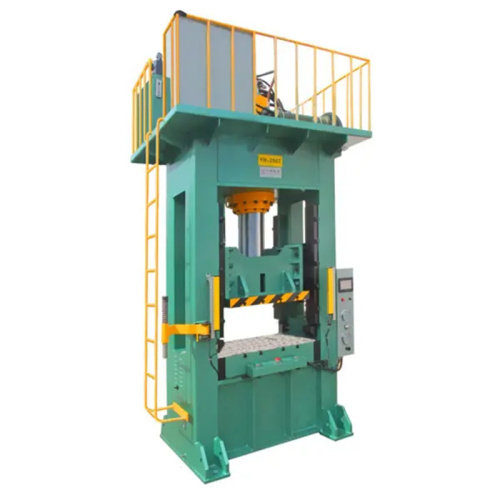
The Roll Round Hydraulic Press is designed for high-precision forming and stable, repeatable performance, with accuracy of up to 98% achievable under optimized operating conditions. Its durable con
Email to this supplier

October 15, 2026

October 14, 2026
Contact

Send Inquiry
PRODUCT CATEGORIES
Privacy statement: Your privacy is very important to Us. Our company promises not to disclose your personal information to any external company with out your explicit permission.
Fill in more information so that we can get in touch with you faster
Privacy statement: Your privacy is very important to Us. Our company promises not to disclose your personal information to any external company with out your explicit permission.