

Send Message
Privacy statement: Your privacy is very important to Us. Our company promises not to disclose your personal information to any external company with out your explicit permission.

Top engineers choose Shengshiweiye presses because they combine dependable performance, precision engineering, and robust construction with advanced technology. Built for demanding production environments, these presses deliver consistent quality, efficient operation, and user-friendly control. Their durable design supports long-term productivity while helping manufacturers reduce maintenance requirements and operating costs. For businesses seeking reliable equipment that performs under pressure and delivers lasting value, Shengshiweiye presses are a trusted choice.


When I choose a press for a production line, I am not only comparing the machine price. I need to know how the press will perform under daily loads, how easily my team can operate it, and what support is available after installation.
A press may look suitable on paper but still create problems when the tooling changes, the material thickness varies, or the production plan becomes more demanding. This is why many engineers consider Shengshiweiye presses when they compare equipment for forming, stamping, compression molding, straightening, or other industrial tasks.
I start by defining the work clearly:
A press with a higher rated force is not always the right choice. If the frame, stroke, table size, or control system does not match the application, the machine may not support stable production.
Shengshiweiye presses can be evaluated around these practical points. Engineers can discuss the forming process, workpiece size, tooling layout, and expected output before selecting a suitable configuration. This approach helps reduce the risk of choosing a machine based only on a catalog number.
When I inspect a press, I pay attention to the frame, working table, hydraulic system, guide structure, and control cabinet.
A stable frame helps the machine handle repeated forming cycles. A suitable table size gives the die enough working space. A well-arranged hydraulic system can make inspection and maintenance easier for the operators.
These details may not be obvious during a short demonstration. They become more important after months of use, when the machine is running across several shifts or handling different jobs.
For example, a metal workshop may use one press for plate bending during one production run and straightening work during another. The machine must offer enough flexibility for the tools and materials used by that workshop. The final decision should come from the working conditions, not from appearance alone.
A press can have strong mechanical performance, but the operator still needs a clear control process.
I look for:
An operator who can understand the machine settings is less likely to make avoidable errors. Clear instructions also help new staff learn the equipment with less confusion.
During equipment evaluation, I recommend asking the supplier to explain the full operating cycle. The discussion should cover setup, die installation, pressure adjustment, production mode, fault handling, and shutdown procedures.
Every factory has different requirements. Some need a larger table. Others need a special stroke, a two-hand control system, a custom opening height, or a press designed for a specific die.
A standard machine may be suitable for common work. A customized press can be considered when the production process has special limits.
Engineers should provide accurate information before asking for a proposal. Drawings, sample parts, material data, die details, and cycle requirements can help the manufacturer understand the application.
For example, a workshop producing large rubber components may need a different working space and heating arrangement from a metal stamping factory. Both applications use a press, but their machine requirements are not the same.
The purchase price is only one part of the equipment decision. I also consider inspection time, spare parts, hydraulic oil management, seal replacement, electrical checks, and operator training.
A practical maintenance plan can include:
These checks help the team find small problems before they affect production. The supplier should also explain which parts require regular attention and how replacement parts can be ordered.
A machine supplier needs to understand more than the requested tonnage. The supplier should ask about the full process and respond with useful technical details.
I prefer communication that includes:
This information helps engineers compare different proposals in a fair way. It also reduces confusion between the machine design and the buyer’s expectations.
My selection process is simple:
This process gives the engineering team a clearer basis for making a decision.
Engineers choose Shengshiweiye presses when the equipment fits their process, the technical communication is clear, and the machine can be planned around real production needs. The right choice is not based on a single feature. It comes from matching the press structure, control system, working range, safety design, maintenance plan, and supplier support with the job at hand.
When I compare press suppliers, I focus on practical evidence: suitable specifications, clear drawings, honest communication, and support that can be understood before the equipment arrives.

Precision shapes every stage of production.
When a part is slightly off, the problem may not appear at the machine. It can show up during assembly, testing, or use. A hole may not align. A shaft may create excess friction. A surface may wear faster than expected. Small gaps in accuracy can lead to rework, delayed delivery, and added material costs.
I see precision manufacturing as more than holding a tolerance on a drawing. It means understanding how a part will be made, measured, assembled, and used.
A clear drawing gives production a strong starting point. Before machining begins, I review the material, dimensions, tolerances, surface requirements, and key features.
Some details deserve closer attention:
A part may look simple on paper, yet a small design choice can affect tooling, cycle time, and inspection. A sharp internal corner, for example, may require a special tool or a design adjustment. A deep narrow pocket may also need several machining steps.
I prefer to raise these points before production starts. Early communication gives the customer more options and helps reduce avoidable changes later.
Accurate results depend on more than the machine’s listed capability. The material, tool condition, workholding method, cutting settings, and temperature can all affect the finished part.
My production review usually covers:
Material check
I confirm the material grade and required condition against the drawing or purchase order.
Setup planning
I select a workholding method that supports the part without creating unwanted movement or deformation.
Tool selection
I match the cutting tool to the material, feature size, depth, and surface requirement.
Machining sequence
I plan the order of operations so the part can be produced with stable reference points.
In-process checks
I measure key features during production rather than waiting until every operation is complete.
Final inspection
I compare the finished part with the approved drawing and record the required results.
This process is useful for both small batches and repeat orders. It creates a clear link between the drawing, the machine setup, and the inspection report.
Precision cannot be judged by appearance alone. A smooth surface may still have an incorrect diameter. A part that fits one sample may fail when used with another component.
Depending on the part, inspection may include:
The right tool depends on the feature being checked. A caliper may work for a general outside dimension, while a bore gauge or coordinate measuring machine may be more suitable for a tight internal feature.
I also separate critical dimensions from reference dimensions. This keeps inspection focused on the features that affect fit, movement, strength, and function.
Consider an aluminum mounting plate used inside a compact control cabinet. The plate includes several mounting holes, two locating pins, and a shallow pocket for an electronic component.
The outer dimensions are relatively easy to produce. The locating holes require more care because their position controls how the plate fits with the mating frame. If those holes shift, the plate may need force during assembly. The electronic component may also sit unevenly if the pocket depth varies.
A suitable production plan could include:
The production team may also use a trial part to confirm the fit before a larger batch begins. This step can reveal assembly issues that are not easy to see in a drawing.
A single accurate part is useful. A repeatable process is more valuable for ongoing production.
When the same part is ordered again, the customer should not need to explain every detail from the beginning. Approved drawings, inspection records, tool information, and process notes can support the next production run.
Repeatability depends on several details:
This matters when a component is used across several assemblies. A small change in size may affect stock levels, assembly time, or the fit of related parts.
Many manufacturing problems begin with missing information rather than poor machining.
I ask questions such as:
These questions help separate essential requirements from optional preferences. They also give the production team a better understanding of how the part will be used.
A useful manufacturing partner should explain concerns in plain language. If a tolerance may increase cost or create production difficulty, I believe the customer should know before the order moves forward.
A part does not exist alone. It may connect to a bracket, shaft, cover, sensor, or electrical assembly. Its quality affects the next operation.
That is why I look at more than the final dimension. I consider:
Good production decisions often come from simple actions: checking the datum, confirming the material, reviewing the tolerance, and measuring the feature that controls the fit.
Precision gives production a stable foundation. When design details, machining methods, inspection, and communication work together, the result is easier to assemble, easier to repeat, and easier to manage across future orders.

Heavy work puts pressure on every part of your equipment. Dust enters moving parts. Wet ground causes slips. Repeated loading creates wear that is easy to miss until a task stops halfway through.
I look for equipment that can handle daily use without making the job harder. Strong materials matter, but they are only part of the picture. Good design should also help me work safely, clean the product with less effort, and reach the parts that need regular checks.
On a construction site, tools may be exposed to concrete dust, rain, vibration, and rough handling. In a warehouse, equipment may face repeated movement across hard floors while carrying different loads. On a farm, mud, moisture, and long working hours can affect performance. These jobs are different, but the need is similar: equipment should support steady work in demanding conditions.
A practical design starts with the frame and main working parts. Materials should match the load and working environment. Reinforced connection points can help reduce stress during repeated use. Protective finishes may make cleaning easier and help limit surface wear, depending on the product and care routine.
I also pay attention to the details that affect daily use:
A strong product still needs proper use. I check the rated capacity before starting a task. I keep moving parts free from dirt where the manual requires it. I inspect bolts, wheels, cables, seals, and other working parts at regular intervals. Small checks can help me notice wear before it affects the work.
A simple inspection routine works well:
A road maintenance crew, for example, may use tools and machines outdoors for long periods. A quick inspection at the start of a shift can reveal a damaged cable, a loose handle, or a worn wheel. Finding that issue early may prevent a delay and help the operator choose a safer way to complete the task.
Durability does not mean ignoring maintenance. It means the product is made to support regular work when it is used within its stated limits and cared for as recommended. No equipment can suit every load, surface, or working condition. The right choice depends on the task, the environment, the operator, and the service plan.
When I choose equipment for tough jobs, I focus on useful strength rather than bold claims. I check how the product is built, how it feels in daily use, and how easy it is to maintain. That approach helps me select tools and equipment that can become a dependable part of the workday.

A good pressing result does not begin when the platen closes. It begins with the right material, a clean work area, and a process I can repeat from one garment to the next.
Many small apparel businesses face the same problems: uneven pressure, peeling transfers, scorched fabric, and wasted blanks. These issues often come from rushed setup rather than a lack of skill. A smarter pressing routine helps me reduce mistakes while keeping the work simple.
Different fabrics respond to heat in different ways.
Cotton can usually handle more heat than polyester, while coated fabrics and performance garments may need a lower setting. Stretch materials also need care because excess heat can affect their shape or surface.
I check three things before starting:
When I am unsure, I test on a spare piece or an inside section of the garment. A short test can prevent the loss of an entire shirt, bag, or jacket.
A clean, flat surface gives me more control. I remove loose fibers, wrinkles, and moisture before placing the garment on the press.
A quick pre-press can help remove light moisture and smooth the fabric. It also shows me where the design will sit. For shirts, I use the collar and side seams as reference points instead of placing the design by eye.
This small step matters when I am working on several garments. Consistent placement makes the finished order look more professional.
The correct settings depend on the transfer material and fabric. I follow the transfer supplier’s instructions rather than choosing a setting based on appearance alone.
The three main controls are:
Too little heat or pressure may lead to weak adhesion. Too much heat can damage the fabric or transfer. A reliable press lets me adjust these settings with control, which is useful when my work includes different materials.
I also make sure the pressing surface is even. Thick seams, pockets, zippers, and buttons can create gaps between the garment and the platen. A pressing pillow or pad can help raise the decoration area and support a flatter application.
I prefer a simple routine:
Recording settings saves time when I repeat a popular design. It also helps me compare results if a transfer does not bond as expected.
For example, a small school-club order may include cotton T-shirts, polyester sports tops, and tote bags. Using one setting for all three items can cause problems. I would separate the garments, confirm the material, and test each group before pressing the full order.
A finished design should be checked before packing. I look at the corners, fine details, and edges. If the design lifts easily, shows marks, or has a glossy patch on the fabric, I stop and review the settings.
I also check the garment after it cools. Some issues are easier to see when the material returns to its normal shape.
Care instructions should be clear for the customer. Washing guidance may vary by transfer type, so I use the instructions supplied with the decoration material. Clear care information can reduce avoidable complaints and help the customer maintain the garment.
A press should fit the type and volume of work I handle. A small studio may need a compact machine with steady temperature control. A growing shop may benefit from a larger work area, faster setup, or easier pressure adjustment.
The goal is not to buy the largest machine. The goal is to choose equipment that supports the actual workflow. I consider:
A machine that is easy to set and repeat can be more useful than one with features I rarely use.
Smart pressing is less about rushing through more garments. It is about making each step easier to control. When I prepare the fabric, follow tested settings, and check the result before delivery, I create a workflow that is easier to repeat and easier to improve.
The press is one part of the process. Good preparation, careful testing, and clear records help turn it into a dependable part of the business.

Reliable results do not come from promises alone. They come from a clear process, useful checks, and a team that responds when something changes.
I have seen many projects lose time because the goal was vague from the start. One person focused on speed. Another focused on cost. The customer expected a different result altogether. Even skilled teams can miss the mark when no shared standard exists.
A dependable working process usually includes these steps:
Set a clear target
I begin by defining what a good result should look like. That may include delivery time, product quality, response speed, accuracy, or customer satisfaction.
A target such as “improve service” is difficult to measure. A target such as “reply to customer questions within one business day” gives the team something practical to follow.
Use a repeatable workflow
A simple workflow helps reduce missed tasks. It can include:
The process should be easy enough for different team members to follow. If only one person understands the system, the result may change when that person is unavailable.
Check the work before delivery
A quality check does not need to be complex. A short checklist can catch common problems, such as missing information, incorrect figures, unclear instructions, or damaged packaging.
For example, an online retailer may check the product code, quantity, shipping address, and package condition before sending an order. This small step can prevent avoidable returns and customer complaints.
Track useful information
I prefer a few useful measures over a long list of numbers. A service team may track response time, resolved requests, repeated complaints, and customer feedback.
These figures help show where the process needs attention. If response time is acceptable but the same issue keeps coming back, the team may need to improve the service instructions rather than simply work faster.
Keep communication direct
Customers should not have to guess what is happening. A short message about progress, a delay, or a change in scope can protect trust.
Clear communication also helps the team. When responsibilities and deadlines are written down, there is less room for conflicting expectations.
Learn from problems
A reliable process does not mean that no issue will ever occur. It means the team knows how to respond when one appears.
After a mistake, I look at the cause instead of blaming one person. Did the instructions lack detail? Was the check skipped? Did the customer provide new information after work began? The answer can guide a useful process change.
Toyota’s production system offers a familiar example. Workers can raise an alert when a problem appears on the production line, allowing the issue to receive attention before it spreads across more products. The lesson is simple: finding a problem early is often easier than fixing many affected items later.
Reliable results are built through clear expectations, consistent steps, practical checks, and honest communication. When I use these habits, the work becomes easier to review and the customer has a clearer experience.
A strong result is not only something that looks good at delivery. It should also be supported by a process that people can understand, repeat, and improve.

When an engineering project falls short, the cause is not always easy to see. A design may look sound on paper, yet fail during testing, production, or daily use. Delayed feedback, unclear drawings, weak documentation, and late design changes can raise costs and place pressure on the whole team.
I believe trusted engineering performance comes from a clear process. Every decision should connect to a practical need: safer operation, stable output, easier maintenance, or better control of project cost.
I start by understanding how the system will be used.
That means asking practical questions:
These answers shape the work from the beginning. A design that suits a clean indoor facility may not perform well in a dusty plant or a location with large temperature changes.
I then review the design as a complete system, not as a group of separate parts. A small change in one area can affect installation, controls, energy use, access, or maintenance. I look at those links before they create problems on site.
A practical engineering process may include:
Project review
I study the scope, operating conditions, drawings, available data, and project limits. Missing information is recorded instead of being quietly assumed.
Design development
I create or refine the design around the required function. Dimensions, materials, tolerances, interfaces, and service access are considered together.
Technical checks
I review calculations, load paths, component selection, fit, movement, and possible failure points. The level of checking depends on the risk and purpose of the equipment.
Testing and validation
I use suitable tests, inspections, simulations, or site checks to compare the design with the expected operating condition. Testing does not replace good design. It gives the team useful evidence before wider use.
Documentation
I prepare clear drawings, technical notes, test records, change details, and maintenance information. Good documents help production teams build correctly and help service teams work with less guesswork.
Support after delivery
I stay focused on how the system performs after installation. Feedback from operators and maintenance staff can reveal useful changes for later revisions.
A simple example can be seen in a production line that experiences repeated stoppages around a drive assembly. Replacing the same part may reduce the symptom for a short period, yet it may not address the source of the problem. A wider review could examine alignment, vibration, operating loads, lubrication, installation tolerance, and the way the line is started and stopped.
This type of review can lead to a clearer answer. The issue may involve a mounting condition rather than the component itself. It may involve a control setting, an access problem, or a mismatch between the original design assumption and the actual working environment.
I do not treat every project as a search for a larger or more complex solution. A simpler part, a clearer drawing, or an easier inspection point may provide more value than adding features that operators do not need.
Trust also comes from communication. I explain technical choices in plain language, record changes, and make space for questions from design, production, purchasing, installation, and maintenance teams. When people can see why a decision was made, they can respond more effectively when conditions change.
The result is not a promise that every project will face no issues. Engineering work always involves conditions that need to be checked and managed. The goal is to reduce avoidable surprises, create evidence for decisions, and build a design that can be understood, tested, maintained, and improved.
When I assess engineering performance, I look beyond a finished drawing or a successful test. I ask whether the solution works in its intended setting, whether the information is usable, and whether the team can support it throughout its service life.
That is how trust is built: through clear requirements, careful checks, useful documentation, and performance that can be explained.
Contact us today to learn more Hu: dgliheng168@163.com/WhatsApp +8613509684273.
1 Michael Turner — March 12, 2024 — Press Selection Principles for Industrial Forming Applications
2 Emily Carter — June 8, 2023 — Process Control and Dimensional Accuracy in Precision Manufacturing
3 Daniel Brooks — September 19, 2022 — Equipment Durability and Maintenance in Demanding Work Environments
4 Sophia Bennett — January 15, 2024 — Heat Press Operation and Quality Control for Apparel Production
5 James Anderson — August 27, 2023 — Building Reliable Results Through Standardized Production Processes
6 Olivia Wilson — November 6, 2022 — Engineering Performance Documentation and System Validation Methods
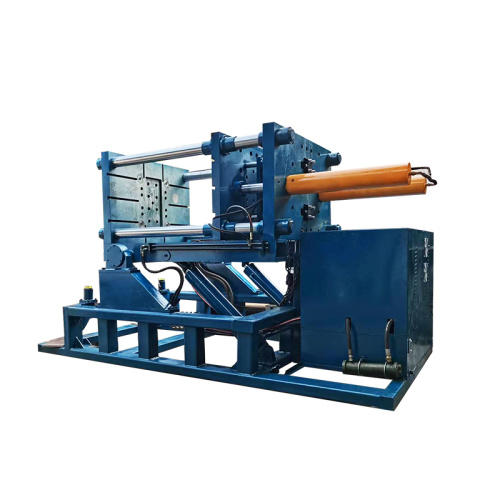
Stop wasting valuable metal with our high-performance roll press, engineered to maximize material efficiency and minimize scrap. Its precise forming process delivers consistent results, helping man
The Roll Round Hydraulic Press is designed for high-precision forming and stable, repeatable performance, with accuracy of up to 98% achievable under optimized operating conditions. Its durable con
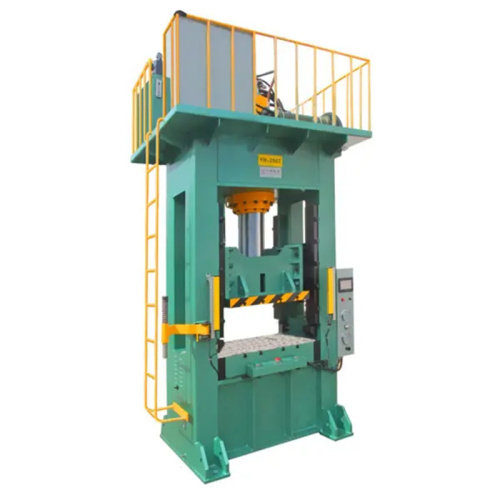
Meet 40T, a fast, precise, and reliable solution built to perform when it matters most. Designed for consistent operation and dependable results, 40T combines speed, accuracy, and stability to help
Upgrade Your Shop with 40T Power and experience dependable performance built for demanding work. Designed to deliver impressive strength, consistent results, and reliable operation, 40T technology
Email to this supplier

October 13, 2026

October 12, 2026
Contact

Send Inquiry
PRODUCT CATEGORIES
Privacy statement: Your privacy is very important to Us. Our company promises not to disclose your personal information to any external company with out your explicit permission.
Fill in more information so that we can get in touch with you faster
Privacy statement: Your privacy is very important to Us. Our company promises not to disclose your personal information to any external company with out your explicit permission.