

Send Message
Privacy statement: Your privacy is very important to Us. Our company promises not to disclose your personal information to any external company with out your explicit permission.

Upgrade Your Shop with 40T Power and experience dependable performance built for demanding work. Designed to deliver impressive strength, consistent results, and reliable operation, 40T technology helps your business handle challenging tasks with greater confidence and efficiency. Whether you are improving daily productivity, expanding your capabilities, or seeking equipment that works as hard as you do, 40T power provides the performance foundation your shop needs. Choose reliable strength. Choose smarter performance. Choose 40T technology.


A busy workshop can lose time when a task needs more force than hand tools can provide. Pressing bearings, bushings, pins, and bent parts may require repeated setup, extra labor, or a trip to another shop.
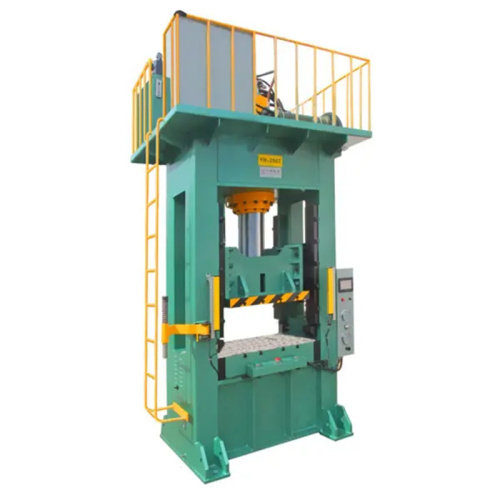
A 40T hydraulic shop press gives me a practical way to handle heavy pressing work on site.
The 40-ton capacity can support many common repair and fabrication tasks, such as:
Before I choose a press, I check the working width, table height, ram travel, frame strength, and pressure control. Capacity matters, but it is only one part of the setup. A press also needs enough clearance for the part and a stable base for safe operation.
For an auto repair shop, a 40T press can be useful when working on control arms, hubs, shafts, and other parts that do not respond well to a hammer. I can position the component on the bed, align the press plates, apply pressure gradually, and stop when the part begins to move. This gives me more control than using impact force.
For a farm or equipment repair shop, the press can help with seized pins, bushings, and smaller shafts. These parts often become difficult to remove after long exposure to dirt, moisture, and load. A hydraulic press does not remove the need for correct alignment, but it can reduce the physical effort needed for the job.
A simple setup process helps keep the work controlled:
I also avoid using the full rated capacity unless the press, tooling, and workpiece are suitable for that load. A bent part, weak support, or poor alignment can create a serious hazard. Eye protection, suitable gloves for handling parts, and a clear work area should be part of the routine.
The best value comes from matching the press to the work I actually perform. A 40T model may be a good fit for general repair, maintenance, and fabrication tasks, while larger industrial work may need a different machine. Product specifications should be checked before purchase, including the pressure system, warranty terms, required power source, included accessories, and service support.
When my shop spends too much time on difficult pressing jobs, adding a 40T hydraulic press can make the workflow more direct. It helps bring common bearing, bushing, pin, and straightening work back into the shop, where I can control the process from setup to completion.
When daily output depends on heavy equipment, small delays can affect the whole workflow. A machine rated for 40T work needs to handle demanding loads with steady control, simple operation, and service support that fits your working conditions.
I look at productivity from a practical angle. A 40T rating matters, but it is only one part of the decision. The machine also needs to match the load type, work surface, duty cycle, and site limits.
A reliable 40T unit can support your team in several ways:
Before choosing a machine, I check the rated capacity and the actual working load. The 40T figure should not be treated as a target for every task. Load position, lifting height, reach, ground condition, attachments, and working speed can all affect safe operation.
I also review the technical data sheet. Useful details include:
For example, a material-handling company may use a 40T machine to move steel components between storage and production areas. If the work path is narrow, the operator may need a machine with suitable dimensions rather than a larger unit. If the machine works across several shifts, access to routine service parts can affect uptime as much as engine output.
I prefer to match the equipment to the complete job instead of choosing by capacity alone. A machine that fits the site can reduce unnecessary repositioning and make operator training easier. Clear controls also help the team maintain a steady work rhythm.
A practical selection process can follow these steps:
Performance should also be tracked after installation. I would record cycle time, fuel or energy use, service needs, operator feedback, and unplanned stoppages. These figures show whether the equipment is supporting the actual workflow rather than only meeting a specification on paper.
Regular checks help protect both productivity and equipment condition. Operators can inspect visible wear, fluid levels, tires or tracks, brakes, controls, and safety devices before use. Maintenance staff can follow the service schedule provided for the specific model. Any load limit, inspection interval, or operating instruction should come from the manufacturer’s documentation.
A 40T machine can be a useful choice for heavy-duty work when its capacity, design, and service plan match the job. I focus on the full operating picture: what the machine will carry, where it will work, how often it will run, and how the team will maintain it. That approach creates a clearer path to stable output without relying on exaggerated performance claims.

Many workshops have skilled people, useful equipment, and loyal customers. The daily work still feels harder than it should. Jobs take longer, tools go missing, bookings overlap, and customers may not know what happens after they leave their items with the team.
I believe a better workshop starts with a clear view of the customer journey and the work behind it. Small changes can reduce confusion, improve service, and help the team use its skills with less wasted effort.
1. Map the current workflow
I start by writing down every stage of a typical job:
This simple list often shows where delays begin. A repair workshop may find that customer approvals sit in an inbox for several days. A woodworking studio may discover that material checks happen only after a project has already started.
I do not rely on memory alone. I ask team members where they lose time, then compare their answers with customer feedback.
2. Create one clear booking process
A workshop becomes easier to manage when every booking includes the same basic information.
A useful booking form can ask for:
This helps the team understand the job before it arrives. It can reduce repeated questions and make scheduling more reliable.
I prefer simple tools that the team will use every day. A shared calendar, a clear job board, or a basic workshop management system can work well when the process is consistent.
3. Organise the workspace around real tasks
I look at how people move through the workshop. If a technician walks across the room several times for the same job, the layout may be creating extra work.
Place frequently used tools close to the areas where they are needed. Keep incoming materials separate from finished work. Mark storage locations with plain labels. Give each active job a visible reference number.
A small metalworking workshop, for example, may keep cutting tools near the preparation bench, measuring tools beside the inspection area, and completed parts on a separate rack. This reduces mix-ups and makes progress easier to see.
Good organisation does not need expensive equipment. It needs clear locations and shared habits.
4. Set a quality check before handover
A quality check protects the customer experience and the team’s reputation.
The check can cover:
I recommend using a short checklist rather than relying on one person’s memory. A checklist gives the team a shared standard while leaving room for professional judgement.
For custom work, showing the customer a progress photo can help confirm details before the final stage. This may prevent a small misunderstanding from becoming a full rework.
5. Train the team around common problems
Training works best when it connects with tasks people handle each week. I would focus on areas such as:
A short weekly session can be more useful than a long meeting that covers too much at once. The team can review one completed job, discuss what caused delays, and agree on one process change.
This approach gives people space to share practical knowledge. It can reveal issues that are easy to miss from a management desk.
6. Make customer updates part of the process
Customers usually want to know three things:
A short message can answer these questions. It does not need to include technical language.
For example:
“Your equipment has arrived and passed the initial check. We found that the drive belt needs inspection before the repair can be quoted. We will send the next update after the inspection.”
This message is clear, honest, and easy to understand. It gives the customer useful information without promising an outcome that has not been confirmed.
7. Review the numbers that guide decisions
A workshop does not need dozens of reports. A few useful measures can show where attention is needed:
I treat these figures as clues, not as a way to blame individuals. If many jobs return for the same correction, the process may need attention. If quotes are often delayed, the issue may sit in information collection or approval.
The right measure depends on the workshop. A bicycle repair shop may track turnaround time and repeat repairs. A training workshop may track attendance, participation, and post-session feedback.
8. Improve the way the workshop is found online
A strong workshop experience should be easy to discover. The website can include clear pages for:
I use the language customers already use when searching. Terms such as “custom furniture workshop,” “machine repair workshop,” or “hands-on training workshop” can help people understand what the business offers.
Each service page should explain who it is for, what the process includes, what the customer needs to provide, and how to ask for a quote. Plain information supports both search visibility and customer trust.
Photos should show the actual workspace, team, tools, and finished work where permission has been given. Honest images usually communicate more than polished claims.
9. Collect feedback that leads to action
Instead of asking only, “Were you satisfied?”, I ask focused questions:
A customer may mention that the work was good but collection instructions were unclear. That answer points to a practical change, such as adding opening hours, parking details, or a collection checklist.
I record the feedback, look for repeated themes, and choose changes the team can manage. Feedback has value when it affects the next job.
A workshop reaches a stronger level when its skill is supported by clear systems. The team knows what to do, customers know what to expect, and the workspace helps people complete their work with fewer interruptions.
I would not change every part of the business at once. I would map the workflow, fix one repeated problem, check the result, and then move to the next area. That steady approach can improve workshop management without making the operation harder for the people who keep it running.

A heavy-duty job can slow down a workshop when the tool lacks enough force. Pressing a stubborn bearing, removing a bushing, or shaping a metal part often takes more time when the equipment is not built for the load.
A 40-ton hydraulic press gives me the working force needed for many repair and fabrication tasks. It helps turn manual effort into controlled pressure, so I can focus on positioning the part and completing the job with care.
The 40T rating refers to the press’s maximum rated force. That level of capacity can support work such as:
The right result depends on the material, part size, setup, and operating method. A high-capacity press does not replace careful preparation.
When I work with a stubborn component, sudden force can damage both the part and the equipment. A hydraulic system lets me apply pressure in a more controlled way.
I start by placing the workpiece at the center of the bed. The support plates must sit evenly under the load. I check that the ram, plates, and part are aligned before pumping. This simple setup can reduce slipping and uneven pressure.
A slow approach also helps me read the condition of the part. If it starts to bend in an unexpected direction, I can stop and reset the setup.
A repair shop may need to remove a seized bearing from a metal housing. Using a hammer can mark the housing or place stress on nearby parts. With a 40-ton hydraulic press, the technician can support the housing, position a suitable pressing tool, and apply force through the bearing’s correct contact area.
The press does not guarantee that every bearing will release without damage. Corrosion, misalignment, and incorrect tooling still affect the result. Good preparation remains part of the job.
The machine should be used within its rated capacity and according to the supplier’s instructions. Protective eyewear, suitable footwear, and a clear work area add another layer of protection.
A 40-ton hydraulic press can be a useful part of a maintenance or fabrication setup. Its value comes from steady force, proper alignment, and safe working habits. When I match the tool, pressure, and setup to the job, demanding repairs become more manageable without relying on uncontrolled impact or excessive manual effort.
Interested in learning more about industry trends and solutions? Contact Hu: dgliheng168@163.com/WhatsApp +8613509684273.
Robert L Mott 2021 Hydraulic Press Applications in Automotive and Industrial Repair
David A Collie 2020 Safe Operating Practices for Workshop Press Equipment
Michael J Turner 2022 Selecting Hydraulic Machinery for Heavy Duty Workflows
Helen R Foster 2019 Workshop Organization and Productivity Improvement
Daniel P Harris 2023 Maintenance Planning for Industrial and Farm Equipment
Susan K Wallace 2021 Practical Quality Management for Modern Workshops
The 40T Hydraulic Press is built for demanding industrial pressing applications, delivering powerful force, dependable operation, and precise control. Its robust construction supports consistent pe
Say goodbye to frustrating jams and experience smoother, more reliable performance with 40T. Designed to help keep operations running efficiently, 40T delivers dependable results when you need them
Is 40T the future of cutting? As cutting technology continues to evolve, 40T is gaining attention for its ability to deliver greater precision, cleaner edges, smoother finishes, and more efficient
Cut edges like a pro instantly with a tool designed for effortless precision. Achieve clean, sharp, and professional-looking results in seconds, whether you’re working on crafts, DIY projects, or
Email to this supplier

September 20, 2026
September 19, 2026
Contact

Send Inquiry
PRODUCT CATEGORIES
Privacy statement: Your privacy is very important to Us. Our company promises not to disclose your personal information to any external company with out your explicit permission.
Fill in more information so that we can get in touch with you faster
Privacy statement: Your privacy is very important to Us. Our company promises not to disclose your personal information to any external company with out your explicit permission.