

Send Message
Privacy statement: Your privacy is very important to Us. Our company promises not to disclose your personal information to any external company with out your explicit permission.

Say goodbye to frustrating jams and experience smoother, more reliable performance with 40T. Designed to help keep operations running efficiently, 40T delivers dependable results when you need them most. Upgrade your performance today and discover the difference—try 40T now!

When a machine jams, the problem rarely ends with one stopped cycle. Material may need to be removed, the work area cleared, and the process checked before production can continue. I have seen this happen in small fabrication shops where a low-capacity press struggles with dense parts, uneven loads, or repeated forming tasks.
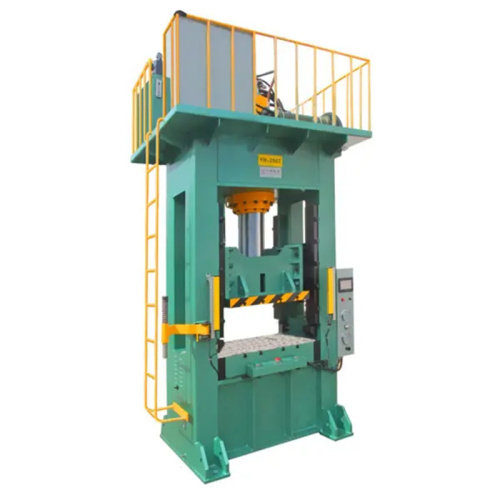
A 40T hydraulic press gives the operator more working force for suitable jobs. It can support tasks such as pressing bearings, straightening metal parts, fitting bushings, and forming selected materials. The rated force does not mean every job will run without limits. Material type, part size, alignment, tooling, and operating pressure still affect the result.
The better approach starts with the workpiece.
Check the part size before placing it on the bed. A load that sits outside the working area can shift under pressure and create a jam or damage the tooling. Keep the workpiece centered, use matched dies, and make sure the ram moves along a straight path.
A steady 40T press can also reduce the need to force a job through several weak cycles. When the press has enough rated capacity for the application, the operator can apply pressure in a controlled way instead of repeating partial attempts. This may help reduce unnecessary handling and make the workflow easier to manage.
I recommend using a simple operating check:
Consider a small repair shop working on seized bearings. A weaker press may need repeated attempts, especially when the bearing is corroded or the support is not level. With a 40T press, the shop may have more suitable capacity for the task, but the bearing still needs proper support and alignment. More force cannot correct a poor setup.
That is where many jamming problems begin. The machine is blamed, while the real cause may be an off-center load, a damaged die, excess material, or pressure applied too quickly. A clear setup process often matters as much as the force rating.
The 40T specification should be treated as a capacity reference, not a promise that every material or part will move smoothly. Ask about working height, bed width, stroke length, pressure control, service parts, and safety features before selecting a press. These details help match the equipment to the jobs you handle.
For workshops that regularly deal with stubborn parts, the right 40T hydraulic press can provide useful pressing capacity and a more controlled workflow. The best results come from combining suitable force with correct alignment, proper tooling, and safe operating habits.

When production demand grows, a lower-capacity machine can create pressure across the entire workflow. Loads take longer to process, operators may need to repeat certain steps, and unexpected pauses can affect delivery plans.
I often see this issue in workshops that have outgrown their original equipment. The machine may still be usable, but it no longer matches the work being handled each day. Upgrading to a 40T model can give the operation more working capacity while helping the team manage regular tasks with a smoother process.
A 40T upgrade may be a suitable choice when:
The goal is not to select the largest machine available. The right choice should match the actual load, material, work area, and operating method.
Before making the change, I recommend checking several points.
Review the current workload
Record the materials processed, average load weight, working frequency, and cycle time. A simple production log can show whether the existing machine is being used within a comfortable range or pushed too often.
This information helps prevent a common mistake: choosing equipment based only on occasional peak demand. Daily operating needs should guide the decision.
Check the 40T working range
A 40T rating describes the machine’s capacity, but the working result also depends on the application. Material type, size, shape, tooling, stroke, speed, and operating conditions all affect performance.
Ask the supplier for clear technical details, such as:
The machine should fit both the job and the available workspace.
Plan the installation
A higher-capacity unit may require more floor space, stronger support, suitable power, and a safe operating area. I would measure the installation location before placing an order.
Leave enough room for loading, unloading, inspection, cleaning, and routine service. A machine that fits only when standing still may create problems once operators begin using it.
Prepare the operating team
An upgrade changes more than the equipment. Operators may need to learn new controls, loading methods, inspection points, and safety procedures.
A short training plan can cover:
Clear instructions help the team use the new capacity without adding avoidable risks.
Compare the full operating cost
The purchase price is only one part of the decision. I also look at installation, power use, tooling, service access, spare parts, training, and planned maintenance.
For example, a small metal fabrication shop may process several heavy frames each week. Its existing machine can complete the work, but each frame requires multiple passes. A 40T unit may reduce the number of repeated operations, depending on the frame design and machine setup. The shop should compare the expected time, energy use, and maintenance needs before deciding whether the upgrade supports its production plan.
A careful comparison is more useful than a simple capacity number.
Build a maintenance routine
Stable operation depends on regular checks. The team can create a routine for cleaning, lubrication, fastener inspection, hydraulic or electrical checks, and wear-part replacement.
Keep records of service dates and machine conditions. These notes help identify repeated issues and support better planning. They also give operators a clear reference when a change in sound, movement, or output appears.
A 40T upgrade can support a more consistent workflow when the machine matches the work and the installation is properly prepared. It can also give operators more room to handle regular loads without asking a smaller unit to work at its limit every day.
I prefer to judge an upgrade by the whole process: capacity, setup, operator use, maintenance, and long-term fit. A machine rating is only the starting point. The best result comes from matching the equipment to real production needs and keeping the operating plan clear.

When a production line slows down, the cause is not always a lack of staff. A machine may be waiting for material, a load may need extra handling, or a small hydraulic issue may stop several tasks at once.
A 40T power system can support heavy-duty work when the capacity, operating method, and maintenance plan match the job. I see the best results when teams treat rated capacity as a working limit, not a target to reach on every cycle.
Before choosing or using a 40T solution, I check four points:
A 40T rating alone does not explain how a system will perform. The stroke, pressure, frame design, control method, and power source also affect the result.
For example, a workshop may need to remove large bearings from industrial equipment. The task may require high force, but the work area could be narrow. A compact system with suitable stroke length may fit the job better than a larger unit with more power but poor access.
I use a simple process to reduce avoidable delays.
Check the real workload
I record the heaviest expected load instead of using an estimated average. I also note whether the load is fixed, uneven, suspended, or supported by several contact points.
A balanced load is easier to control. An uneven load may create side pressure and place stress on parts that were not designed to carry it.
Match the equipment to the task
A 40T system may be used for pressing, lifting, forming, testing, or material handling, depending on its design. I do not assume that one 40T unit can perform every type of heavy-duty work.
The supplier should provide details such as:
These details help me compare equipment based on the actual workflow instead of focusing only on the capacity number.
Plan the work area
A heavy-duty system needs enough room for loading, unloading, inspection, and emergency access. The floor should support the equipment and the expected load.
I also keep cables, hoses, tools, and loose materials away from moving parts. A clear work area makes it easier for operators to see the load and respond to changes during a cycle.
Train the operator
The operator should know the rated limit, control sequence, inspection points, and stop procedure. Training should cover normal use and common warning signs, such as unusual noise, pressure loss, oil leakage, vibration, or uneven movement.
A short pre-use check can prevent a longer shutdown. I usually ask the operator to inspect connections, guards, visible damage, fluid levels, and control response before the equipment starts work.
Track each cycle
Production records can show where time is being lost. I look at loading time, operating time, waiting time, adjustment time, and inspection time.
Suppose a fabrication shop uses a 40T press for frame assembly. The press may complete each operation without a fault, yet the line can still slow down because workers spend too long positioning parts. In that case, more pressure or speed may not solve the main issue. A better fixture, clearer markings, or improved material staging may have a greater effect.
This is where a capacity-based solution becomes part of a wider workflow plan. The equipment handles the required force, while the surrounding process supports steady and controlled work.
Maintenance also affects daily output. I prefer a written service schedule that covers:
The service interval should follow the manufacturer’s instructions and the working environment. Dust, heat, moisture, and frequent high-load cycles can change inspection needs.
Safe operation remains part of productivity. Operators should not stand beneath unsupported loads, bypass guards, exceed the rated limit, or place hands between moving surfaces. Any repair or adjustment should follow the equipment’s service procedure.
A 40T power system can help keep heavy-duty work moving when its capacity fits the task and the workflow around it is well prepared. I focus on accurate load information, suitable specifications, operator training, clear work areas, and regular checks.
The strongest setup is not always the one with the highest number. It is the one that gives the team enough force, controlled movement, suitable access, and dependable support for the work they actually perform.

Frequent jams can slow a line, interrupt routine work, and add extra checks for the operator. A worn or poorly matched sprocket is one possible cause. When the chain does not sit correctly on the teeth, the drive may feel rough, skip under load, or stop without warning.
A 40T sprocket can be a practical choice for systems designed to use that tooth count. It may help restore a better chain fit when the existing part is worn, damaged, or no longer suited to the setup. The right result depends on more than the number of teeth, so I always check the full match before replacing a part.
I look at these points before choosing a 40T sprocket:
A 40T part will not fit every machine. A mismatch can lead to chain noise, uneven movement, rapid wear, or more jams. Checking the original sprocket and the machine manual can prevent a poor fit.
When I inspect a jam-prone chain drive, I follow a simple process.
Alignment deserves close attention. Even a suitable sprocket may perform poorly when the shafts are not parallel. I use a straight edge across the sprocket faces and check whether the chain moves evenly. A small alignment problem can create side pressure, which may push the chain toward the edge of the teeth.
Lubrication also affects chain movement. Too little lubricant can increase friction. Too much can collect dust and small particles. I follow the machine maker’s guidance and select a lubricant that suits the working environment.
For example, a small packaging workshop may notice that a conveyor stops when the chain reaches one section of the drive. The operator may replace the chain, but the problem can return if the old sprocket has worn teeth. Checking the tooth shape, shaft fit, and alignment can reveal that the chain and sprocket need to be replaced as a matched set.
The 40T option may suit equipment that already uses a 40-tooth drive layout. It can be used as a replacement when the dimensions, chain type, and working conditions match. It should not be selected only because the number appears in the product name.
Before placing an order, compare the product details with the part currently installed. Send the supplier the chain pitch, bore size, shaft information, and machine model when available. A clear photo of the old sprocket can also help with basic identification, though measurements remain more reliable.
A suitable 40T sprocket will not fix every cause of a jam. Material buildup, a stretched chain, poor tension, bent shafts, and an overloaded drive may still need attention. I treat the sprocket as one part of the full chain system, not as a separate fix.
When the tooth count and dimensions match, the chain runs straight, and the drive receives proper care, the risk of repeat interruptions may be reduced. The best choice is the one that fits the machine’s design and working load, not simply the one with the most appealing description.
We has extensive experience in Industry Field. Contact us for professional advice:Hu: dgliheng168@163.com/WhatsApp +8613509684273.
References
Michael R Turner 2023-04-18 Safe Operation and Capacity Selection for 40T Hydraulic Presses
Laura J Bennett 2022-09-07 Hydraulic Press Alignment Tooling and Load Control in Small Workshops
David K Wilson 2021-11-26 Planning Equipment Upgrades for Heavy Duty Fabrication Workflows
Helen R Foster 2024-02-14 Maintenance Practices for Hydraulic Power Systems and Industrial Presses
Robert A Collins 2020-08-31 Chain Drive Alignment Tension and Sprocket Replacement Principles
Emily S Morgan 2023-12-05 Selecting Matching Sprockets for Reliable Conveyor Chain Operation
Is 40T the future of cutting? As cutting technology continues to evolve, 40T is gaining attention for its ability to deliver greater precision, cleaner edges, smoother finishes, and more efficient
Cut edges like a pro instantly with a tool designed for effortless precision. Achieve clean, sharp, and professional-looking results in seconds, whether you’re working on crafts, DIY projects, or
The 40T Press is designed to make demanding operations smarter, easier, and more efficient. Combining powerful performance with precise control, it helps reduce manual effort, streamline workflows,
Boost performance and maximize productivity with advanced 40T technology. Engineered to deliver higher output, improved efficiency, and consistent, reliable results, this powerful solution helps bu
Email to this supplier

September 18, 2026

September 17, 2026
Contact

Send Inquiry
PRODUCT CATEGORIES
Privacy statement: Your privacy is very important to Us. Our company promises not to disclose your personal information to any external company with out your explicit permission.
Fill in more information so that we can get in touch with you faster
Privacy statement: Your privacy is very important to Us. Our company promises not to disclose your personal information to any external company with out your explicit permission.