

Send Message
Privacy statement: Your privacy is very important to Us. Our company promises not to disclose your personal information to any external company with out your explicit permission.

Is 40T the future of cutting? As cutting technology continues to evolve, 40T is gaining attention for its ability to deliver greater precision, cleaner edges, smoother finishes, and more efficient performance. Its potential applications across different materials and industries also make it an attractive option for next-generation cutting solutions. However, its long-term success will depend on factors such as material compatibility, equipment costs, durability, and specific production requirements. Rather than replacing every existing solution, 40T may become a valuable industry standard where accuracy, versatility, and productivity are essential.


A 40T cutting machine can sound like a major step forward, yet cutting force alone does not decide whether a machine fits a factory. I look at four points before making a recommendation: material, product size, cutting method, and daily workload.
For some manufacturers, 40 tons may provide a useful balance between power and control. For others, it may create higher energy use without solving the real production problem. The right question is not “Is 40T powerful enough?” It is “Can this machine deliver stable cuts for my products at a sensible operating cost?”
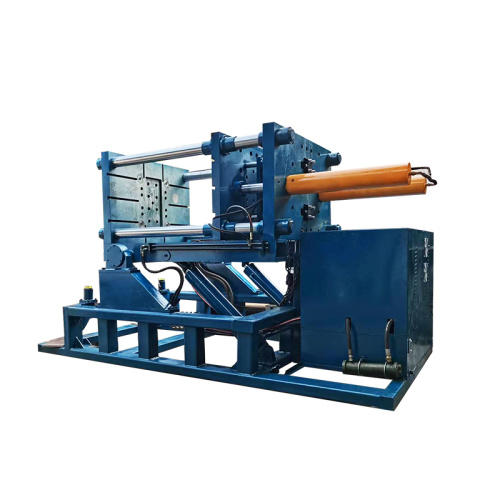
In many industrial machines, 40T refers to a maximum cutting force of 40 tons. The machine may use hydraulic pressure, a die, or another cutting system to process materials such as:
The actual cutting result depends on more than the rated force. Material density, thickness, blade shape, die design, cutting area, and feed speed all affect performance.
A thick rubber sheet may need more force than a soft foam board of the same thickness. A small die may cut cleanly with moderate pressure, while a large die may need a higher force rating.
I often see three production issues behind this choice.
The first issue is unstable cutting quality. Manual tools and small machines may leave rough edges, incomplete cuts, or uneven shapes. These defects create extra inspection and rework.
The next issue is limited output. When operators cut parts one by one, production speed depends heavily on worker experience and physical effort. This can make daily output difficult to predict.
The third issue is product consistency. A customer may accept a small variation in one order, but repeated orders often require more stable dimensions. A suitable 40T machine can help create a repeatable cutting process when the tooling and settings are matched to the material.
That does not mean every 40T machine will produce the same result. Machine structure and process control still matter.
I start with the material data.
Record the material type, thickness, hardness, density, and sheet size. If the material changes often, list each grade separately. A machine that works well with soft EVA foam may need different pressure and speed settings for dense rubber.
I then review the die size and shape.
A simple small die usually creates less resistance than a wide die with many narrow sections. Sharp internal corners, long cutting lines, and tight patterns can affect the required force. A tooling supplier can help estimate the load before the machine is purchased.
The next step is to check the work area.
A machine may have enough force but not enough table space for the required sheet or die. I measure the largest product, the die dimensions, and the clearance needed for loading and unloading. This prevents a common mistake: choosing power while overlooking usable cutting space.
I also check the production rhythm.
Ask these questions:
A 40T machine may suit a medium-volume line that needs stable batch production. A high-volume plant may need automatic feeding, faster return movement, or multiple stations rather than a higher force rating.
A packaging workshop in Southeast Asia produced foam inserts for electrical equipment. The team used hand tools for samples and a small press for short orders. As order sizes grew, the edges of some inserts became uneven, especially when the foam sheet thickness changed.
The owner tested a 40T hydraulic cutting press with a new die. The machine improved repeatability for the tested foam grade, but the team still needed to adjust pressure and cutting height for different sheet thicknesses. They also changed the stacking method so that operators could align the material before each cycle.
The result was not based on tonnage alone. The die, pressure settings, operator training, and material preparation all affected the output. This is why I prefer a sample test before a purchase decision.
Prepare your own material and production die when possible. Ask the supplier to show:
Keep samples from the test. Measure the edges and compare them with your product drawings. A short test can reveal problems that a catalog page will not show.
Pay attention to operator movement as well. A machine may cut accurately but slow production if loading, alignment, or unloading takes too much time.
A high-force machine needs suitable guarding, control systems, and operator training. The work area should stay clear of loose tools and material scraps. Operators should understand how to stop the machine and how to inspect the die safely.
Maintenance should include hydraulic oil checks, hose inspection, die condition checks, guide cleaning, and bolt inspection. A worn die may create poor cuts even when the machine itself works correctly.
I also recommend keeping a basic production record. Note the material, pressure setting, die, cycle time, and cutting result. This gives operators a useful reference when the same order returns.
It may help shape the next stage of cutting for companies that need steady force, repeatable parts, and a manageable production setup. Its value comes from how well the machine matches the process.
For one factory, 40T may reduce manual cutting and improve batch consistency. For another, automation or better tooling may bring more value than extra force. A larger machine is not automatically a better choice.
I see 40T as a practical equipment level rather than a promise of universal change. When the material, die, machine structure, safety plan, and workflow fit together, it can support cleaner production and more predictable output. The best decision starts with measured samples and production data, not with the tonnage figure alone.

In cutting work, people often look for a simple way to improve finish quality, reduce rework, and keep production moving. A 40T blade may attract attention because it offers a practical balance between cutting speed and surface finish.
The “40T” label usually refers to a circular saw blade with 40 teeth. Tooth count alone does not decide performance. Blade diameter, tooth shape, kerf width, material, machine power, and feed speed all affect the result.
That is why I see 40T as a useful option for many general cutting tasks rather than a universal replacement for every blade.
A 40T blade can fit well between two common needs:
For wood shops, furniture makers, panel processors, and maintenance teams, this balance can reduce the need to change blades for every small job.
When I choose a blade, I start with the material.
For softwood, plywood, MDF, and some laminated panels, a 40T blade may provide a clean edge while keeping the feed rate practical. The result still depends on the blade design. A blade with an alternating top bevel tooth pattern may work well for crosscuts and panel work. A flat-top tooth design may suit certain ripping tasks.
For aluminum or other non-ferrous metals, a standard wood-cutting blade is not the right choice. The blade must be made for that material, with a suitable tooth geometry, clearance angle, and operating speed. The machine also needs proper guarding and workholding.
For steel, stainless steel, or other hard metals, users should select a blade made for metal cutting. A 40T count does not make a blade suitable for every material.
The main benefit of a 40T blade is balance.
A blade with fewer teeth creates larger gullets. These spaces help remove chips and can support faster cutting in thick stock. The edge may show more tear-out, especially when cutting across grain or through coated panels.
A blade with more teeth creates smaller gullets. It may produce a smoother edge, though the operator may need to slow the feed. If the material is thick or the machine has limited power, excessive tooth count can increase heat and loading.
A 40T blade sits near the middle for many common jobs. It can support a steady workflow when the user needs acceptable finish quality without making every cut at a slow pace.
I also look at the material thickness. A 40T blade may work well on medium-thickness boards, but the correct choice changes with the blade diameter and tooth size. A 40T blade for a 10-inch saw is not the same as a 40T blade for a 14-inch machine.
The gullets, tooth height, hook angle, and kerf must match the job. A thin-kerf blade may reduce material waste and require less motor power. A full-kerf blade may offer more stability on a strong machine.
A small cabinet shop gives a useful example. The shop cuts plywood panels, hardwood trim, and laminated boards during the same workday. A low-tooth blade can leave more chipping on the laminate. A high-tooth finishing blade may slow down panel sizing. A suitable 40T combination blade can handle general cuts with a reasonable finish, while a dedicated finishing blade remains available for visible edges.
This approach does not remove the need for blade selection. It helps reduce unnecessary changes during routine work.
Users can review a 40T blade through five checks:
Confirm the material
Check whether the blade is designed for wood, composite panels, aluminum, or another material. Do not rely on tooth count alone.
Match the blade to the machine
Review diameter, arbor size, maximum RPM, kerf, and machine power. The blade must fit the equipment and stay within the rated speed.
Check the cut direction
Crosscutting, ripping, trimming laminate, and cutting sheet goods place different demands on the teeth. A combination blade may suit mixed work. A dedicated blade may give better results for one repeated task.
Set the feed rate
Feeding too fast can cause rough edges and motor strain. Feeding too slowly can create heat, burning, and premature wear. I prefer to adjust the feed while watching the edge quality, sound, and chip removal.
Inspect the finished edge
Look for tear-out, burning, vibration marks, and uneven cuts. These signs may point to a dull blade, poor alignment, weak clamping, or an unsuitable tooth pattern.
Blade care also affects the result. Resin, glue, and dust can build up on the teeth and reduce cutting performance. A clean blade usually runs with less friction than a dirty one. Operators should follow the cleaning method recommended for the blade coating and tooth material.
Alignment matters just as much. A fence that is not parallel to the blade can cause binding. Loose material can move during the cut and damage the edge. A worn arbor, unstable table, or poor support can create problems that a new blade will not fix.
Safety remains part of the selection process. The guard should work correctly, the material should be supported, and the operator should use suitable eye and hearing protection. The correct blade cannot make an unsafe setup safe.
So, why may 40T be the next big thing in cutting?
The answer is not that 40T works everywhere. Its appeal comes from its middle-ground design. Many users need one dependable blade for regular cutting, not a separate blade for every material and every pass. A suitable 40T blade can provide a workable mix of speed, edge quality, and machine load for common applications.
The best choice still comes from testing. I recommend comparing a 40T blade with the blade already in use. Keep the material, machine, feed rate, and support conditions as consistent as possible. Record cut speed, edge quality, noise, heat, and blade wear. This gives a more useful answer than relying on the tooth count printed on the package.
A 40T blade may become more common in general cutting because it matches the needs of many mixed-work environments. Its value comes from the full blade design and the way it is used. When tooth geometry, material, machine settings, and operator technique work together, 40T can be a practical part of a reliable cutting setup.

When I work with cutting equipment, I look at more than rated force. A machine must handle the material cleanly, keep production moving, and give operators enough control to repeat the same result.
A 40T cutting press can fit these needs for many medium-duty applications. It may be used for foam, rubber, leather, gasket sheet, insulation, fabric, packaging board, and other sheet materials. The actual result depends on the die, material thickness, feeding method, stroke setting, and machine design.
A higher tonnage rating does not automatically mean better cutting. The machine needs suitable pressure, stable movement, a well-made die, and a work area that matches the product size.
A cutting press can lose time through small delays:
I prefer to review the full cutting process before choosing a machine. The press should match the material and product size instead of relying on force alone.
For example, a workshop cutting rubber gasket sheets may need steady pressure and accurate die positioning. A business cutting foam inserts may care more about stroke speed, working height, and quick material placement. Both operations may use a 40T machine, yet their setup needs are different.
A clean edge comes from the complete cutting system.
The die must be sharp and correctly aligned. The cutting board must offer a suitable surface. The material should remain flat during the press cycle. Pressure should be enough to complete the cut without placing extra stress on the die or material.
When I check a cutting problem, I usually review these points:
A 40T press may perform well on one material and require a different setup for another. Thick rubber, layered fabric, and dense foam can react in different ways. Test cuts help confirm the correct settings before regular production begins.
The word “smart” should describe useful control features, not just a label on a machine.
A practical control system may help the operator set pressure, adjust stroke length, control cycle timing, and monitor basic operating conditions. Clear controls can reduce setup errors and make training easier.
Some machines may also offer:
The right features depend on the machine model and local safety requirements. I would check the technical sheet before making a purchase because control options can vary between suppliers.
A clear display is useful when different products require different settings. An operator can record the tested pressure and stroke for each product, then use those values during the next production run. This can support more consistent work without relying only on memory.
A steady process helps reduce avoidable waste.
Check the material
Confirm the thickness, surface condition, and number of layers. Remove folds or uneven sections before cutting.
Inspect the die
Look for damage, dull edges, loose parts, or incorrect alignment. A worn die can affect both the cut and the service life of the machine.
Set the cutting height
The press should complete the cut without excessive travel. A suitable setting can protect the cutting board and reduce unnecessary machine movement.
Test a small section
Use a sample piece before starting a full sheet. Check the edge, dimensions, and whether the cut passes through all layers.
Record the working settings
Note the material type, die, pressure, stroke, and cycle time. This record can help shorten future setup work.
Review the finished parts
Measure several pieces during production. If the size begins to change, check the die, material position, and pressure setting before continuing.
Imagine a shop making foam packaging inserts for electronic equipment. The operator places several layers of foam on the cutting table and uses a custom die for each insert shape.
With a poorly matched setting, the press may leave uncut areas near the center of the die. Too much pressure may compress the foam and affect the part size. A better approach is to test the die at a lower setting, adjust the stroke, and check several pieces across the sheet.
The shop may also improve output by arranging the shapes closer together while keeping enough space for clean separation. The gain does not come from pressure alone. Material layout, die condition, operator movement, and machine settings all affect the result.
I would ask the supplier for clear answers to these points:
A supplier should provide working data that matches the buyer’s material and product. General claims are less useful than a sample cut, technical drawing, or test report.
A 40T cutting press can support faster work, cleaner parts, and easier operation when the machine, die, material, and settings are matched correctly. I see the best results when buyers assess the complete workflow rather than choosing by tonnage alone. The right machine is the one that fits the product, operator, production volume, and maintenance plan.

When I hear “40T,” I do not assume that it means the future has arrived.
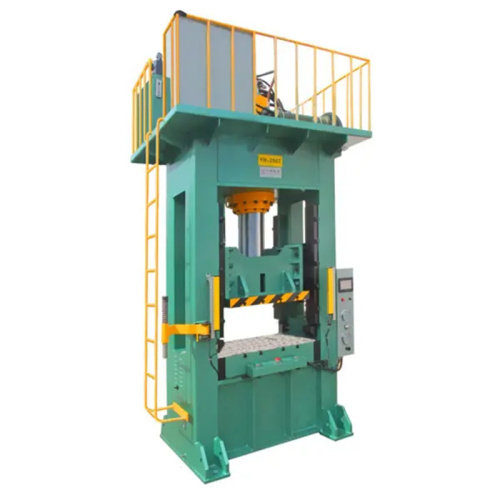
In industrial equipment, 40T often refers to a rated capacity of 40 tonnes. That figure may describe lifting force, pressing force, load capacity, or another technical measure. The meaning changes with the product. A 40T hydraulic press is not judged by the same standards as a 40T crane or a 40T truck.
That is why I look beyond the number.
A large capacity can help a business handle heavier materials, reduce the need for several smaller machines, and support demanding production tasks. It does not automatically make the equipment modern, efficient, or suitable for every site.
A 40T machine should be assessed through several practical questions.
What does the 40T rating describe?
The first step is to check the technical specification.
A 40T hydraulic press may deliver up to 40 tonnes of pressing force. A 40T lifting machine may refer to its maximum safe load under certain working conditions. A vehicle marked 40T may describe its gross combination weight rather than the amount of cargo it can carry.
These figures are not interchangeable.
I always check:
A machine may reach its 40T rating only at a specific position or under controlled conditions. When the load moves farther from the support point, the safe working capacity can change.
Clear specifications help prevent costly misunderstandings.
Is 40T enough for the job?
Capacity should match the task, not just the sales target.
A metal fabrication workshop may need a 40T press for bending, straightening, bearing removal, or component repair. A warehouse may need lifting equipment that can handle heavy steel coils. A construction site may focus on reach, stability, transport, and setup time.
The same 40T label can lead to different buying decisions.
I suggest creating a simple task list before comparing suppliers:
This process gives the capacity figure a real business context.
Does higher capacity mean better performance?
Not always.
A 40T machine may be powerful but slow. Another model may offer a lower top capacity with faster cycles, easier control, and lower energy use. For a company handling moderate loads throughout the day, working speed and uptime may matter more than the maximum rating.
I have seen buyers focus on peak capacity while overlooking three daily costs:
A machine that completes one heavy task well may still be a poor fit for repetitive production. A model with smoother control and faster setup can support more output, even when both machines carry a similar rating.
The best choice depends on how the equipment performs during normal work, not only under its maximum load.
What makes a 40T machine ready for future needs?
Future value comes from useful design choices.
A 40T system may support long-term operations when it includes:
Digital functions can also help. Load monitoring, fault alerts, usage records, and remote support may give managers a better view of equipment condition. These features are useful when they reduce confusion or help prevent avoidable downtime. A screen or connected feature alone does not prove that a machine is ready for future work.
I prefer practical technology that operators can understand and use during a normal shift.
A real industry example
In heavy repair workshops, hydraulic presses are often used to remove bearings, straighten shafts, and repair metal components. A 40T press may handle many routine jobs, but the result depends on more than force.
The workshop also needs the correct tooling, a stable frame, safe work distance, suitable hydraulic control, and trained operators. If a shaft is poorly supported, even a high-capacity press can create damage or safety risks.
The lesson is simple: machine capacity supports the process, but it does not replace process planning.
How should buyers compare 40T equipment?
I use a comparison sheet with four sections.
Capacity
Check the rated load, working position, pressure range, and safety margin. Ask the supplier to explain how the rating was measured.
Performance
Review cycle time, operating speed, accuracy, noise, energy use, and control response. Request data from tasks similar to your own.
Ownership
Calculate installation, training, routine service, spare parts, and expected maintenance. A lower purchase price may not lead to lower operating cost.
Support
Confirm warranty terms, parts availability, service response, manuals, and operator guidance. Local support can affect the equipment’s practical value more than a long feature list.
I also recommend asking for a demonstration with a sample material or a task that matches the intended use. A clear demonstration often reveals limits that are not visible in a product brochure.
So, is 40T the cutting edge of tomorrow?
The answer depends on what the 40T system can do in daily work.
The number can represent useful capacity for manufacturing, repair, lifting, transport, and construction. It can support heavier tasks and reduce the need for equipment with a lower working range. Yet the rating alone does not prove efficiency, safety, durability, or future value.
I see 40T as a starting point for evaluation, not a final buying reason.
When the capacity matches the application, the controls are easy to manage, service access is practical, and operating costs are understood, a 40T machine may remain useful for many years. When buyers focus only on the largest number, they may end up with equipment that is costly, oversized, or difficult to use.
The better question is not “Is 40T the future?”
It is “Can this 40T equipment solve my real work today while leaving room for the work I expect to handle next?”

A 40T saw blade is attracting attention because it sits between two common needs: clean cuts and steady production. A blade with too few teeth can cut quickly but leave a rough surface. A blade with too many teeth may produce a smoother edge while slowing the feed rate and creating more heat.
That balance is where a 40T blade can make sense.
When I choose a blade for a job, I do not look at tooth count alone. The material, machine power, cutting speed, blade diameter, tooth shape, and kerf all affect the result. A 40T blade may work well for one workshop and perform poorly in another.
Tooth count changes how each tooth meets the material.
A lower-tooth blade removes more material with each rotation. It often suits fast rip cuts in solid wood and other jobs where speed matters more than a furniture-grade finish.
A higher-tooth blade places more teeth in the cut. This can improve the edge on sheet goods, trim, and crosscuts, but the blade may need a slower feed rate. If the material is pushed too slowly or the machine lacks enough power, heat and residue can build up.
A 40T blade offers a middle option. It can support:
General woodworking
Crosscuts in solid wood
Cutting plywood and some laminated panels
Workshop jobs that need a cleaner edge without very slow feeding
Small production runs where one blade must handle more than one task
The result still depends on the blade design. Tooth count alone does not guarantee a clean cut.
I often see the best use case in workshops that handle mixed orders. One job may involve cutting timber to length. Another may require trimming plywood panels. Changing blades for every material can interrupt the workflow, so a medium tooth count may offer a practical compromise.
A common shop example is a cabinet maker cutting melamine-faced panels. A 40T blade with a suitable tooth profile may produce a usable top surface when the fence is aligned and the panel is supported well. If the same blade is used on thick hardwood with a fast feed, the edge may show burn marks or tear-out.
That does not mean the blade has failed. The setup may not match the material.
For clean panel cuts, I check the following:
The blade diameter matches the saw.
The arbor size is correct.
The blade speed stays within the maker’s stated range.
The fence and guide are aligned.
The panel has support near the cut line.
The feed rate remains steady.
The tooth profile suits the surface being cut.
These details often influence the cut more than a small change in tooth count.
A 40T blade can use different tooth shapes. Each shape changes the cutting action.
An alternate top bevel profile is often used for crosscuts and sheet materials because it can help reduce splintering when the blade is sharp and the workpiece is supported.
A flat-top profile may suit some ripping tasks and machines designed for that cutting pattern.
A combination profile mixes tooth shapes to handle general cutting work. It can be useful when a workshop wants one blade for several routine jobs.
The best choice depends on the material. Plywood, laminate, hardwood, softwood, plastic, and aluminum require different blade designs. A blade made for wood should not be treated as a general solution for every material.
I prefer a small test cut before using a new blade on a large batch.
I use a clean offcut from the same material, set the machine according to the manufacturer’s instructions, and make a controlled cut. Then I inspect the top and bottom surfaces.
I look for:
Chipping on the exit side
Burn marks
Uneven feed resistance
Excessive vibration
Roughness along the cut edge
Material buildup on the teeth
If the cut is poor, I adjust the setup before blaming the blade. A dull blade, poor support, incorrect fence alignment, or an unsuitable feed rate can create similar symptoms.
Sharpness also matters. A 40T blade with worn teeth may perform worse than a lower-tooth blade that is properly maintained.
I see 40T as part of a broader move toward balanced cutting rather than a universal replacement for other blades. Workshops want clean results, reasonable cutting speed, lower waste, and fewer setup changes. A medium tooth count can support those goals when the blade design matches the job.
The future may rely less on one “best” tooth count and more on better matching between blade geometry, material, machine settings, and operator technique.
A 40T blade can be a useful choice for mixed woodworking tasks. It should be selected with the full cutting system in mind. When the material and blade are matched, the workshop can gain a steady cut without giving up too much speed or surface quality.
For any inquiries regarding the content of this article, please contact Hu: dgliheng168@163.com/WhatsApp +8613509684273.
International Organization for Standardization — 2010 — Safety of Machinery General Principles for Design Risk Assessment and Risk Reduction
International Organization for Standardization — 2015 — Safety of Machinery Minimum Gaps to Avoid Crushing of Parts of the Human Body
Occupational Safety and Health Administration — 2023 — General Requirements for All Machines
American National Standards Institute — 2013 — Hydraulic Power Presses Safety Requirements for Construction Care and Use
Forest Products Laboratory — 2010 — Wood Handbook Wood as an Engineering Material
Robert L Smith — 2021 — Industrial Cutting Technology Material Selection Tooling and Process Control
Cut edges like a pro instantly with a tool designed for effortless precision. Achieve clean, sharp, and professional-looking results in seconds, whether you’re working on crafts, DIY projects, or
The 40T Press is designed to make demanding operations smarter, easier, and more efficient. Combining powerful performance with precise control, it helps reduce manual effort, streamline workflows,
Boost performance and maximize productivity with advanced 40T technology. Engineered to deliver higher output, improved efficiency, and consistent, reliable results, this powerful solution helps bu
Tired of inefficient cutting machines that slow production, increase material waste, and deliver inconsistent results? Upgrade to a faster, more precise, and reliable cutting solution built to stre
Email to this supplier

September 17, 2026

September 16, 2026
Contact

Send Inquiry
PRODUCT CATEGORIES
Privacy statement: Your privacy is very important to Us. Our company promises not to disclose your personal information to any external company with out your explicit permission.
Fill in more information so that we can get in touch with you faster
Privacy statement: Your privacy is very important to Us. Our company promises not to disclose your personal information to any external company with out your explicit permission.