

Send Message
Privacy statement: Your privacy is very important to Us. Our company promises not to disclose your personal information to any external company with out your explicit permission.

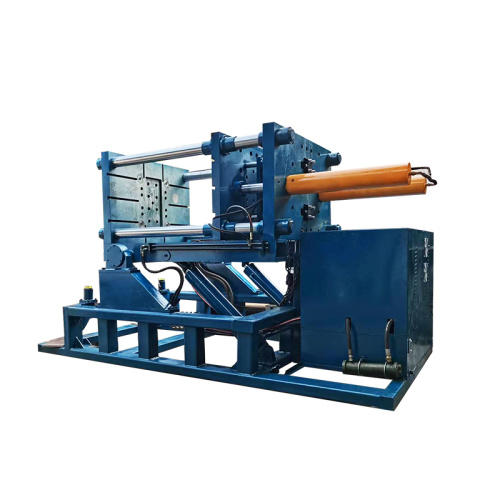
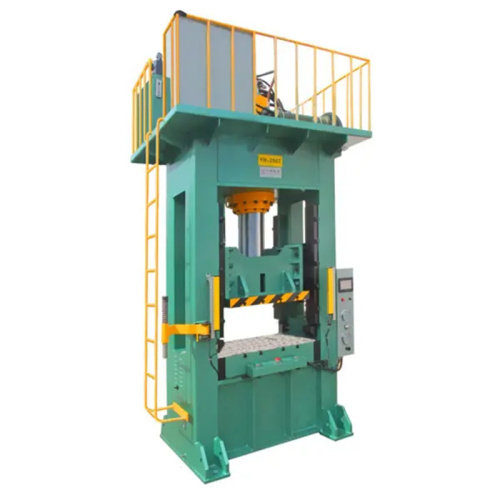
The 40T Hydraulic Press is built for demanding industrial pressing applications, delivering powerful force, dependable operation, and precise control. Its robust construction supports consistent performance under heavy workloads, while efficient hydraulic operation helps improve productivity and reduce processing time. Designed for accuracy and reliability, this press is an ideal solution for forming, bending, stamping, assembling, and other high-pressure tasks.


A 40T hydraulic press gives me the force I need for demanding workshop tasks without relying on impact tools or excessive manual effort. When I work with bearings, bushings, pins, plates, or formed metal parts, controlled pressure matters just as much as raw power.
A press that pushes hard but lacks control can damage a part, bend a frame, or create an unsafe working condition. The right setup lets me apply pressure in a steady motion, watch the part closely, and stop when the job reaches the required position.
A 40T hydraulic press is suited to many repair, fabrication, and maintenance jobs, such as:
The actual capacity required depends on the material, part size, contact area, and job method. A 40-ton rating does not mean every task should be performed at maximum force. I choose the lowest pressure that completes the operation safely.
Manual hammers and improvised tools can transfer force unevenly. That often leads to damaged edges, distorted parts, or misaligned components.
A hydraulic press applies force through a ram. The operator can raise pressure gradually and monitor the part during the process. This helps me keep the work steady, especially when a component needs to move into a tight housing or when a bent section requires careful correction.
Precision does not come from pressure alone. It also depends on:
A common repair job involves removing a seized bearing from a metal housing. A worker may try to strike the bearing with a hammer, but the impact can mark the housing or damage the shaft.
With a 40T hydraulic press, the housing can rest on suitable supports while the ram pushes against the bearing through a correctly sized adapter. The pressure rises gradually. If the bearing begins to move, the operator continues with small adjustments rather than forcing the part at once.
This approach helps protect reusable components and gives the operator better control over alignment. The press does not remove the need for skill. It gives that skill a more stable tool to work with.
I use a simple check before applying force:
Inspect the frame, ram, hose, fittings, and gauge.
Clean the work area and remove loose objects.
Measure the part and choose supports that can carry the load.
Confirm that the ram, adapter, and workpiece are aligned.
Keep hands away from pinch points.
Apply pressure slowly while watching for movement, bending, or slipping.
Stop if the part shifts, cracks, or requires more force than expected.
Release pressure in a controlled way after the task is complete.
A press should never be used with unstable blocks, damaged tooling, or supports that are too narrow for the load. The frame and accessories must match the job.
When I compare a 40T hydraulic press, I look beyond the tonnage rating. Useful points include:
The working area should fit the parts I handle most often. A press with high force but limited clearance may not suit larger assemblies. A compact model may be practical for a repair bench, while a floor-standing frame can offer more room for heavier work.
Product specifications can differ by model, so I check the manufacturer’s rated capacity, operating instructions, and support limits before use.
The press produces high mechanical force. A small alignment error can cause a part or support to move without warning.
I wear suitable eye protection, keep the area clear, and use tooling designed for pressing work. I do not stand directly in line with unsupported parts, and I avoid extending the handle with extra bars. I also inspect the hydraulic system for leaks and keep the gauge visible during operation.
Good results come from matching the force, tooling, and workpiece. A 40T hydraulic press can handle serious workshop tasks, but its value shows most when the operator uses measured pressure and sound setup. That balance helps protect the machine, the parts, and the people using it.
Many workshops lose production time on tasks that look small: removing a seized bearing, straightening a bent bracket, or fitting a bushing with repeated hammering. These jobs can slow the whole work area, affect part quality, and create extra strain for the operator.
A 40T hydraulic press gives me a controlled way to handle high-force work. The press does not replace good planning or skilled operation. It helps me apply steady force, keep the workpiece supported, and make each step easier to repeat.
A 40-ton hydraulic press may suit many repair and fabrication tasks, such as:
The actual capacity depends on the material, part shape, tooling, press design, and working method. A 40T rating describes the maximum force the press is designed to produce under suitable conditions. It does not mean every job should use the full force.
I always check the workpiece before pressing. Thin sections, cast parts, welds, and uneven surfaces may crack or deform when force is applied in the wrong place.
A hydraulic press gives me a stable source of force. I do not need to rely on repeated hammer blows or makeshift tools for tasks that require controlled pressure.
This can make the work more comfortable and reduce damage caused by uncontrolled impact. The operator can focus on alignment, support, and pressure instead of using extra physical force.
When I press several similar parts, I can use the same setup for each cycle:
A repeatable setup helps reduce adjustment time. It also makes it easier to identify the reason for a poor result.
In a repair shop, a press can help with jobs that would otherwise require more disassembly or outside service. Bearing removal, pin extraction, and shaft work may become easier when the component is positioned correctly.
The press still needs proper tooling. A random block or uneven support can shift under load. I use supports that match the shape of the part and leave enough space for the removed component to move safely.
A steady pressing action can protect surfaces that may be damaged by striking. This matters when a part must be reused or when a replacement component needs to fit with the correct tolerance.
The press cannot correct poor alignment. If the ram is off-center, the force may bend the shaft, damage the housing, or mark the workpiece. Alignment checks take only a short time and can prevent a longer repair.
Consider a maintenance team replacing bushings in a loader linkage. The old bushings are tight, and hammering may damage the linkage eye. The team cleans the area, supports the linkage on both sides, selects a pressing tool that matches the bushing, and checks the ram position.
The operator applies pressure slowly while watching for movement. If the bushing does not move, the team stops and checks for a retaining feature, corrosion, or poor alignment. They do not keep raising pressure without finding the cause.
After removal, the bore is cleaned and measured. The new bushing is aligned with the bore and pressed into place with suitable support. This method may reduce rework and help protect the linkage.
The result depends on the setup, not only on the 40T rating.
Keep common plates, support blocks, drifts, spacers, and measuring tools within reach. Time spent searching for tools can add up across many jobs.
Store pressing tools by size and purpose. A simple label system can help operators select the correct item without trial and error.
I like to record the time used for setup, pressing, inspection, and cleanup. This gives me a clearer view of where delays happen.
If pressing takes two minutes but setup takes fifteen, a faster pump may not solve the main problem. Better supports, organized tools, or a dedicated work surface may have a greater effect.
Check the frame, hydraulic lines, fittings, gauge, return system, pins, and work table. Look for leaks, cracks, loose parts, or signs of uneven wear.
A damaged component can affect both performance and operator safety. Repairs should follow the equipment manual and the site’s maintenance process.
More force is not always the right answer. I increase pressure gradually and watch the part. A component that does not move may need cleaning, heat treatment approved for that material, a different tool, or a revised support method.
Never stand in the line of possible movement. Keep hands away from pinch points and use guards where the press design allows them. Eye protection and suitable work clothing should be part of the normal process.
A 40T hydraulic press may be a good match for a workshop, but the force rating is only one part of the decision. I also check:
A press with a suitable opening and table height may save more time than a model with a higher force rating that cannot fit the workpiece.
I also compare the types of jobs handled each week. A repair shop may value flexible table adjustment. A fabrication shop may focus on bending clearance and tooling support. A maintenance department may need easy access and simple controls.
I do not treat a hydraulic press as a shortcut for every difficult job. I use it when controlled force can improve the process, protect the component, or reduce repeated manual effort.
The best results come from a complete working method:
A 40T hydraulic press can support productive repair, maintenance, and fabrication work when its capacity matches the task. Good tooling, careful alignment, regular inspection, and trained operation determine how much value the equipment provides.

Heavy-duty pressing does not have to feel slow, uncertain, or difficult to control.
When I work with thick metal parts, bushings, bearings, or formed components, I look for three things: steady force, clear control, and a setup that fits the job. A press may have high capacity, but that alone does not make the work easy. The frame, stroke, tooling, workpiece support, and operator steps all affect the result.
A simple process can help reduce rework and protect both the machine and the part.
1. Define the pressing task
I start by checking what the press needs to do.
Each task needs a different tool arrangement. A bearing removal job may need a support plate and a correctly sized pressing point. A forming job may need a die that matches the material shape.
The required force also matters. I do not choose a press by guessing from the material thickness alone. The part shape, contact area, friction, material type, and pressing distance all affect the load.
2. Match the press to the workspace
A heavy-duty press should fit the way the shop operates.
I check:
A large frame can support demanding work, but it may create access problems in a crowded repair area. A compact press may fit better for maintenance tasks, while a larger hydraulic unit may suit repeated work on heavy components.
The press should sit on a stable surface. It should not rock, shift, or block walkways. The operator needs enough room to place the part, adjust the tooling, and step away from the load area.
3. Prepare the part and tooling
Before applying force, I clean the part and inspect the contact points.
Rust, burrs, dirt, and damaged edges can stop a component from sitting square. They can also cause the part to move when pressure rises.
I check that:
The pressing tool should push against the part that needs to move. It should not press on a seal, thin wall, electrical section, or unsupported edge.
A common repair example is a seized bearing in a steel housing. If the operator presses against the wrong race, the new bearing may become damaged before installation is complete. A support plate under the housing and a driver that contacts the correct race can make the task more controlled.
4. Apply force in a controlled way
I increase pressure gradually and watch the part, tooling, and gauge.
If the part moves smoothly, I continue with small adjustments. If the load rises but the part does not move, I stop and inspect the setup. More pressure is not always the right answer. The part may be misaligned, blocked by corrosion, or supported in the wrong place.
I avoid sudden impact unless the machine and tooling are designed for that type of work. A steady hydraulic movement gives the operator time to notice movement, noise, bending, or tool shift.
The operator should keep hands away from the pressing area. Long tools, suitable supports, and clear communication help reduce contact with moving parts.
5. Check the result
After pressing, I inspect both the part and the machine setup.
I look for:
For an assembled component, I also check fit and movement. A part that reaches the correct position but feels tight or uneven may need to be removed and inspected again.
A short record can help when the same job returns. I note the part type, support arrangement, tool size, pressing direction, and any unusual resistance. This gives the next operator a useful starting point without treating one setup as suitable for every part.
A practical shop-floor example
A repair shop may use a hydraulic press to remove bushings from suspension components. The old bushing may be corroded in place, so the operator first cleans the surrounding area and checks the component for cracks. The support blocks are placed under strong sections of the housing. A correctly sized driver is aligned with the bushing, and pressure is raised slowly.
If the bushing does not move, the operator pauses instead of forcing the press to its full rating. The setup is checked for alignment, and the component is inspected again. This approach takes a little more attention, but it can help prevent bent supports, damaged housings, and unnecessary tool replacement.
Care that supports steady work
A press needs regular checks.
I inspect the frame, pins, table supports, hydraulic lines, ram, gauge, and return system. I keep the working surface clean and remove oil that may create a slip hazard. Damaged parts should be taken out of service until they have been checked by a qualified person.
The operator guide should define the rated load, approved tooling, maintenance points, and safety steps. Training should match the machine being used. A person familiar with a small workshop press may still need guidance before using a larger powered unit.
Heavy-duty pressing becomes easier when the task is planned before force is applied. Choose the right capacity, support the workpiece, align the tooling, raise pressure in a controlled way, and inspect the result. This process helps turn a demanding repair or forming job into a repeatable shop-floor task.

When I work with heavy parts, controlled force matters more than raw power. A hydraulic tool that struggles under load can slow down production, damage components, and make each repair harder to manage.
A 40-ton hydraulic system gives me a strong working range for pressing, bending, straightening, forming, and removing fitted parts. The actual result depends on the pump, cylinder size, operating pressure, frame design, and correct setup.
I look at these points before choosing a 40T hydraulic solution:
Stable force for demanding jobs
The system is designed to apply up to 40 tons of hydraulic force when used within its rated conditions. This can help with tasks such as:
For a repair shop, this force can reduce the need for repeated hammering or makeshift tools.
Control that supports accurate work
Power alone is not enough. I also need controlled movement and a clear working process. A suitable hydraulic setup should offer:
When I press a bearing from a shaft, I support the part correctly and apply force along the centerline. This helps reduce uneven pressure and lowers the risk of damage.
A practical workshop example
Imagine a maintenance team removing a seized pin from a loader attachment. Manual striking may create vibration, noise, and damage around the joint. A 40T hydraulic press can apply gradual force while the part stays supported.
The operator can stop, check alignment, adjust the supports, and continue at a controlled rate. The process still requires experience, but the tool gives the operator better control over the force.
How I choose the right setup
A 40-ton rating does not mean every job should be performed at maximum force. I leave room for proper alignment and use the lowest force that can complete the task.
Built for clear, repeatable work
A useful hydraulic system should be easy to operate, simple to inspect, and suited to the work environment. Whether I am working in a repair shop, fabrication area, farm workshop, or maintenance department, I need a setup that fits the parts I handle and the space I have available.
The 40T capacity offers strong support for many pressing and forming tasks. The best result comes from combining the rated force with a suitable frame, steady hydraulic control, correct support points, and safe operating habits.

Hydraulic equipment can lose energy long before a fault becomes visible. A pump may run at a higher pressure than the machine needs. A valve may restrict flow. A small leak may continue for weeks. Each issue adds heat, noise, and operating cost.
I look at hydraulic efficiency as a system task, not a single-pump upgrade. The pump, motor, valves, hoses, filters, cylinder, and control settings must work together. A change in one area can affect the rest of the circuit.
A practical review starts with the working conditions.
These questions help separate normal operating demand from wasted hydraulic power.
Pressure is a good place to begin. When a relief valve is set higher than needed, the system can turn extra pressure into heat. I would compare the current setting with the pressure required by the heaviest normal task. Any adjustment should follow the equipment maker’s limits and be tested under working conditions.
Flow control deserves the same attention. A pump that sends more oil than the actuator can use may force the excess through a valve or relief path. A variable-displacement pump, load-sensing control, or suitable flow-control setup may help match oil delivery to demand. The right choice depends on the circuit, load pattern, control needs, and service conditions.
Leaks often look small, yet their effect can build over time. I check hose fittings, valve blocks, cylinder seals, pump shafts, and the tank area. A clean piece of cardboard placed under a suspected point can help show whether oil is escaping. I never use a hand to search for a hydraulic leak, since pressurized oil can damage skin.
Oil condition affects both motion and component life. The correct fluid grade, clean filters, suitable temperature, and proper oil level support stable operation. A filter that is too restrictive can create pressure loss. A filter that is overdue for service can allow contamination to circulate. Maintenance intervals should follow the equipment guide and the actual working environment.
A simple example comes from a small material-handling machine used in a warehouse. The operator noticed slow lifting and rising oil temperature. A check found a relief setting above the normal load requirement, a partially blocked return filter, and a hose fitting with a minor leak. After qualified service staff corrected these points, the machine showed steadier lifting and less heat during the same work cycle. The result came from several small corrections, not one claim about a single part.
I prefer to record pressure, flow, temperature, cycle time, and power use before making changes. The same measurements can be taken after service. This gives the operator a practical way to judge whether the adjustment helped.
Pure hydraulic efficiency is not about forcing every machine to use the same setup. It means delivering the pressure and flow the task needs, limiting waste, protecting components, and keeping control predictable. When I treat the whole circuit as one working system, I can find useful improvements without changing equipment that is still performing well.
We has extensive experience in Industry Field. Contact us for professional advice:Hu: dgliheng168@163.com/WhatsApp +8613509684273.
International Organization for Standardization 2010 ISO 4413 Hydraulic Fluid Power General Rules and Safety Requirements for Systems and Their Components
John S Mitchell 2012 Hydraulic Press Design Operation and Maintenance
Andrew Parr 2011 Hydraulics and Pneumatics A Technician’s and Engineer’s Guide
Rexroth Bosch Group 2013 The Hydraulic Trainer Volume 1 Basic Principles and Components
National Fluid Power Association 2019 Hydraulic System Troubleshooting and Maintenance Practices
Occupational Safety and Health Administration 2023 Machinery and Machine Guarding Safety Guidelines
Say goodbye to frustrating jams and experience smoother, more reliable performance with 40T. Designed to help keep operations running efficiently, 40T delivers dependable results when you need them
Is 40T the future of cutting? As cutting technology continues to evolve, 40T is gaining attention for its ability to deliver greater precision, cleaner edges, smoother finishes, and more efficient
Cut edges like a pro instantly with a tool designed for effortless precision. Achieve clean, sharp, and professional-looking results in seconds, whether you’re working on crafts, DIY projects, or
The 40T Press is designed to make demanding operations smarter, easier, and more efficient. Combining powerful performance with precise control, it helps reduce manual effort, streamline workflows,
Email to this supplier

September 19, 2026

September 18, 2026
Contact

Send Inquiry
PRODUCT CATEGORIES
Privacy statement: Your privacy is very important to Us. Our company promises not to disclose your personal information to any external company with out your explicit permission.
Fill in more information so that we can get in touch with you faster
Privacy statement: Your privacy is very important to Us. Our company promises not to disclose your personal information to any external company with out your explicit permission.