

Send Message
Privacy statement: Your privacy is very important to Us. Our company promises not to disclose your personal information to any external company with out your explicit permission.

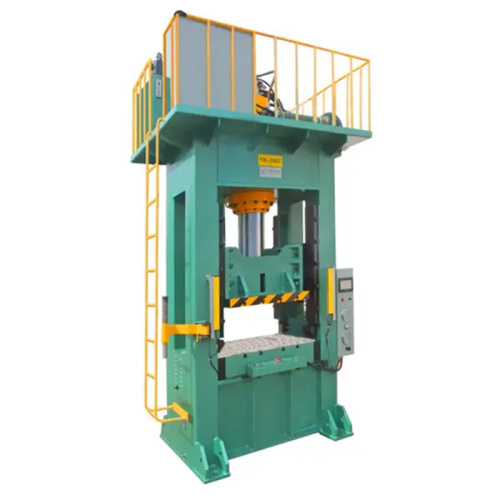
The 50T Hydraulic Press delivers the power and precision required for demanding industrial applications. Built for fast operation, accurate pressing, and consistent performance, it helps improve productivity while maintaining reliable results shift after shift. Its robust construction and dependable hydraulic system provide the strength and control needed for forming, bending, pressing, assembly, and other heavy-duty tasks. Fast, accurate, reliable—period.


When I need steady force for forming, bending, pressing, or assembly work, a 50T hydraulic press gives me a practical balance between power and control. It can handle demanding shop tasks without taking the space of a much larger industrial press.
The real challenge is not only force. I also need a stable frame, smooth pressure control, enough working space, and a setup that fits the material. A press rated at 50 tons does not apply the same result to every job. The final performance depends on the material, tooling, stroke length, pressure setting, and operator technique.
A 50T hydraulic press can support tasks such as:
When I press a bearing from a metal housing, I need the ram to move in a controlled way. A sudden load can damage the bearing, housing, or pressing tool. With a hydraulic system, I can raise pressure gradually and watch the part during the process. This helps me stop the operation when the component reaches the correct position.
Speed also depends on how the press is used. A fast approach stroke can reduce setup time, while a controlled pressing stroke helps protect the workpiece. The pump type, hydraulic fluid, cylinder size, and return system all affect operating speed. I do not treat the 50T rating as a promise of one fixed cycle time. I check the machine specifications and match them with the work I plan to do.
For better results, I use a simple working process:
A centered load matters. If I place a long or uneven part too close to one side, the force may not spread evenly across the frame. This can affect the result and place extra stress on the tooling. A flat support plate can help with simple jobs, while shaped dies are better for repeat forming work.
For a repair shop, the press may be used to remove a seized pin from a small machine part. For a fabrication shop, it may bend a steel bracket to a repeatable angle. For maintenance work, it may press a bushing into place after the old part has been removed. These jobs look different, but they share the same need: stable force and clear control.
I also check several details before choosing a press:
The gauge should be easy to read from the operator’s position. The bed should provide enough room for the parts and tooling. If I work with tall components, the working height becomes just as important as the 50-ton capacity. A press that has enough force but limited clearance may slow down the job.
Safety remains part of the working method. I keep hands away from the pressing area, use suitable eye protection, and inspect hoses, fittings, pins, and plates before operation. I avoid pressing damaged parts or using improvised supports that may shift under load. The rated capacity should guide the work, not encourage loads beyond the machine’s design.
A 50T hydraulic press is a useful choice when I need strong, controlled force for repair, forming, and assembly tasks. It can improve workflow when the press size, tooling, material, and pressure setting match the job. The best results come from careful setup and steady operation, not from force alone.
When a shop handles seized bearings, bent parts, bushings, or formed metal, hand tools can leave too much effort to the operator. A press with too little capacity may stall, flex, or force the job into several steps.
A reliable 50-ton hydraulic press gives me a stronger working range for heavy repair and fabrication tasks. It helps apply controlled force without relying on impact tools or repeated manual pressure. The right result still depends on the frame, hydraulic system, tooling, setup, and operator technique, so I look beyond the tonnage number.
A 50-ton rating means the press can deliver up to 50 tons of hydraulic force under its stated operating conditions. That capacity may suit work such as:
I never treat the force rating as permission to press any part without checking its size and condition. A cracked casting, uneven load, or poorly supported workpiece can create a safety risk even when the press itself has enough capacity.
The frame deserves close attention. A rigid frame helps keep the upper and lower sections aligned during pressing. If the frame bends under load, the force may not travel evenly through the workpiece. That can damage the part, wear the tooling, or make the job harder to control.
I check the working width, table height, daylight, and ram travel before choosing a 50-ton hydraulic press. These measurements determine whether the machine can accept the parts I handle most often. A press may have high force but still be unsuitable if the work area is too narrow or the ram cannot reach the correct position.
Hydraulic control affects how the press feels during use. Smooth pressure buildup gives me more control when a bearing starts to move or when a part needs gradual correction. A pressure gauge can help the operator monitor the applied load, though the gauge reading must match the machine design and must not be treated as a measurement of the part’s strength.
A practical setup may look like this:
I inspect the workpiece for cracks, loose sections, and uneven surfaces.
I select support blocks and pressing tools that can carry the load.
I place the part in line with the ram and keep the load centered.
I confirm that the table, pins, plates, and adapters are seated correctly.
I apply pressure slowly while watching for movement, slipping, bending, or unusual noise.
I release pressure before adjusting the workpiece or changing the setup.
This process takes less time than dealing with a damaged part or a failed tool. It also helps the operator identify problems before the load reaches its highest point.
For example, when removing a seized bushing from a steel arm, I would support the arm close to the bushing opening and use a correctly sized pressing tool. I would not place the arm directly on an uneven surface and push against the center with a narrow adapter. The first setup distributes force through the intended area. The second setup may bend the arm or make the tool slip.
A 50-ton hydraulic press can support many demanding shop tasks, but it is not a replacement for correct tooling. Press plates, V-blocks, bearing separators, punches, and adapters should match the part being handled. Improvised pieces may deform under pressure, especially when their material, thickness, or shape is unknown.
Maintenance affects reliability as much as the rated capacity. I keep the ram and moving surfaces clean, inspect hoses and fittings, check for oil leaks, and follow the maker’s guidance for hydraulic fluid. The pressure system should not be altered without confirming that the replacement parts match the working pressure and connection type.
I pay attention to the following details before placing the press in daily service:
A workshop that presses bearings every week may value repeatable control and easy table adjustment. A fabrication shop may give more attention to throat depth, tooling clearance, and frame stability. The same 50-ton capacity can serve both shops, but the best configuration depends on the work.
I prefer clear operating instructions and a service plan that the team can follow without guesswork. A press should have a defined load path, a stable base, and enough room for the operator to stand clear of the workpiece. Training should cover load alignment, tool selection, pressure release, and inspection before use.
The phrase “built to perform” should refer to practical features rather than a broad promise. For me, that means the press has enough capacity for the intended jobs, a frame suited to the load, hydraulic parts that are easy to inspect, and controls that support steady operation. I confirm these points against the product specifications before purchase.
A 50-ton hydraulic press can become a useful part of a repair or fabrication workflow when its capacity matches the work and the setup stays controlled. I focus on force, clearance, alignment, tooling, and maintenance together. That approach gives the machine a better chance to deliver steady service while helping the operator work with greater control.
When I choose a press for daily production, raw force is only part of the decision. I also need repeatable movement, stable pressure, clear controls, and a setup that helps reduce avoidable errors. A powerful machine that produces uneven results can create more waste than value.
A well-built press brings force and control into the same process. The frame supports the load. The drive system delivers the working pressure. The control panel helps me set the stroke, speed, and cycle with greater consistency. Each part affects the result.
I pay close attention to these points:
Controlled pressing force
The machine should apply pressure in a steady way that matches the material and task. This helps reduce deformation, surface marks, and inconsistent forming.
Repeatable stroke movement
A stable stroke allows the tool to return to a similar position during each cycle. That matters when I work with parts that need the same depth or shape.
Clear operator controls
Simple controls make setup easier for new and experienced operators. A visible pressure reading and accessible adjustment points can also support daily checks.
Strong working structure
The frame carries the load during pressing. A suitable structure helps keep the work area stable and supports accurate alignment between the tool and material.
Flexible application
Depending on the tooling, a press may support tasks such as bending, straightening, stamping, fitting, or part assembly. The machine should match the job rather than force every task into one setup.
Consider a small metal workshop producing replacement brackets. The operator may press several parts from the same material each day. If the pressure changes from one cycle to the next, hole positions and bend angles can shift. The operator then spends more time checking parts and adjusting the tooling. A press with controlled settings and a repeatable stroke can make this routine easier to manage, provided the material, die, and operating method are also suitable.
I also check the complete working process before selecting equipment. I confirm the material thickness, required force, tool size, working height, cycle frequency, and available floor space. Safety features need the same attention. Guards, emergency stops, stable controls, and clear operating instructions support safer use, but they do not replace proper training or site procedures.
Accuracy does not come from the machine alone. Tool condition, material quality, alignment, lubrication, and operator settings all affect the finished part. I prefer to record the main setup values for repeat jobs, inspect the first few pieces, and adjust the process before full production begins.
Power gives the press the capacity to handle demanding work. Accuracy helps turn that capacity into usable results. When both are supported by suitable tooling and careful operation, each press cycle becomes easier to control and easier to review.

A busy repair shop can lose hours on jobs that need steady, controlled force. Removing a seized bearing, straightening a bent bracket, or fitting a bushing often takes more time when the operator relies on hand tools alone.
I use a 50T hydraulic press to bring more control to these tasks. The press applies force through a hydraulic system, while the frame and work surface keep the job in a stable position. It does not replace proper setup or safe working habits, but it can make many pressing tasks easier to manage.
A 50-ton press can support work such as:
The correct capacity depends on the material, part size, tooling, and pressing method. A 50T rating shows the maximum press force, not the force required for every job. I always check the part and tooling before applying pressure.
A practical workflow looks like this:
Dirt, rust, and damage can affect how the part moves. I remove loose debris and check for cracks, worn edges, or signs that the component may fail under pressure.
The part should sit squarely on the bed or support plates. Uneven contact can shift the load and damage the part. I use suitable blocks or press plates to keep the force aligned with the component.
Press plates, adapters, punches, and support blocks should match the shape of the part. The tool should contact a strong section of the component rather than a thin edge or a fragile surface.
I pump the handle or operate the hydraulic control in small movements. A slow increase in pressure gives me time to watch for movement, bending, slipping, or unusual sounds.
More pressure is not always the right answer. A seized component may need heat, penetrating oil, a different support arrangement, or a replacement part. Continuing to raise the load can damage the press or create a safety risk.
After the task is complete, I lower the pressure slowly and keep my hands away from pinch points. I also check the press, tooling, and workpiece before moving them.
For example, a small vehicle repair shop may need to remove a worn wheel bearing from a hub. The technician can support the hub correctly, select a driver that matches the bearing race, and apply controlled pressure through the hydraulic press. The result depends on correct alignment and suitable tooling, not just the 50T rating.
The same approach works for fabrication tasks. When I straighten a bracket, I place supports near the area that needs correction and use small pressure changes. I measure the part between adjustments instead of trying to force it into shape in one movement. This helps reduce over-bending and limits damage to the material.
A few operating details can affect daily use:
I also keep a simple record of repeated jobs. It can include the part type, support method, tool size, and pressure used. This helps me prepare similar work with less trial and error while keeping each job within safe operating limits.
A 50T hydraulic press is useful when the work demands force, alignment, and repeatable control. Its value comes from the complete setup: a sound frame, suitable tools, a stable workpiece, and an operator who increases pressure with care. Choosing the press is only one part of the process. The way I position and support the part often decides whether the job goes smoothly.
We has extensive experience in Industry Field. Contact us for professional advice:Hu: dgliheng168@163.com/WhatsApp +8613509684273.
Robert L. Norton, March 12, 2021, Hydraulic Press Operation and Load Control
Michael J. Peterson, July 8, 2020, Practical Metal Forming and Straightening Techniques
David A. Collins, November 19, 2022, Workshop Safety for Hydraulic Press Applications
Industrial Equipment Research Group, February 5, 2023, Selecting the Right Hydraulic Press for Repair and Fabrication
James W. Carter, September 14, 2021, Tool Alignment and Workpiece Support in Press Operations
Mechanical Maintenance Institute, May 26, 2024, Hydraulic System Inspection and Preventive Maintenance
Shocking Stats: How 50T Presses Improve Quality — A 50-ton press can transform manufacturing quality by applying powerful, controlled force with exceptional precision. Its robust capacity support
The 50T Press is an advanced and dependable solution for powder molding, combining 50 tons of pressing force with a robust structure and user-friendly operation. Designed to process a wide variety
Is your 50T hydraulic press underperforming? Before investing in replacement parts or costly repairs, inspect the essential factors that directly affect power, speed, and consistency. Verify the hy
The 50T Powder Press combines high pressing force with dependable performance and low maintenance, making it an efficient solution for demanding production environments. Built to support consistent
Email to this supplier

November 27, 2026

November 26, 2026
Contact

Send Inquiry
PRODUCT CATEGORIES
Privacy statement: Your privacy is very important to Us. Our company promises not to disclose your personal information to any external company with out your explicit permission.
Fill in more information so that we can get in touch with you faster
Privacy statement: Your privacy is very important to Us. Our company promises not to disclose your personal information to any external company with out your explicit permission.