


Send Message
Privacy statement: Your privacy is very important to Us. Our company promises not to disclose your personal information to any external company with out your explicit permission.

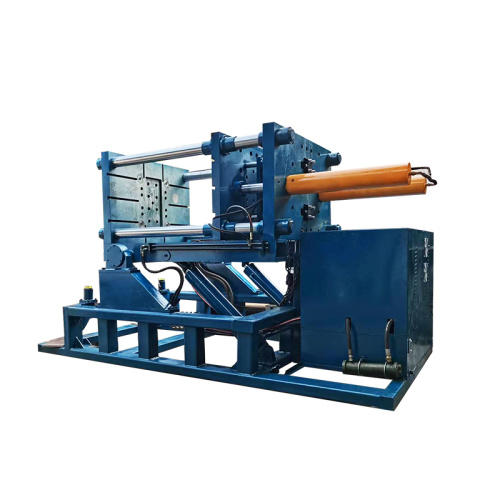
The engineer confidently asserts that our Low Pressure Casting Machine effectively eliminates leaks and delays, revolutionizing the casting process. With advanced technology and precision engineering, this machine guarantees a more efficient and reliable operation, addressing common industry challenges. By minimizing defects and enhancing productivity, it empowers manufacturers to meet tight deadlines and improve overall quality. The robust design and user-friendly interface further streamline operations, making it an invaluable asset for any production line. Say goodbye to the frustrations of traditional casting methods and embrace a solution that prioritizes performance and consistency. Experience the future of casting with our cutting-edge low pressure Casting Machine, where efficiency meets reliability.

In today's fast-paced manufacturing environment, delays and leaks can severely impact productivity and profitability. As someone who has faced these challenges, I understand how frustrating it can be to deal with inconsistent results and wasted resources. That's why I want to share how our low pressure casting machine can transform your production process.
First, let’s address the common issues. Many manufacturers struggle with traditional casting methods that often lead to defects like air bubbles and leaks. These problems not only slow down production but can also result in costly rework. I’ve seen firsthand how these setbacks can derail timelines and budgets, leaving teams scrambling to meet their goals.
Now, let’s explore how our low pressure casting machine can solve these pain points. This innovative equipment operates at a controlled pressure, ensuring that molten metal fills the mold evenly and completely. Here’s how it works:
Consistent Pressure Application: The machine maintains a stable low pressure throughout the casting process, reducing the likelihood of air entrapment.
Improved Mold Filling: With better control over the flow of material, you’ll notice fewer defects and a higher yield of usable products.
Reduced Cycle Time: Our machine speeds up the casting process, allowing you to produce more parts in less time without compromising quality.
Cost Efficiency: By minimizing waste and rework, you’ll save money in the long run, making your operations more profitable.
In my experience, switching to a low pressure casting machine has been a game changer for many businesses. Not only does it enhance product quality, but it also boosts overall efficiency. I recommend taking the time to evaluate your current processes and considering how this technology can fit into your operations.
To summarize, if you’re dealing with leaks and delays in your production, it’s time to explore the benefits of our low pressure casting machine. By addressing these common issues, you can achieve smoother operations and a more reliable output. Don’t let manufacturing challenges hold you back—embrace the change and see the difference for yourself.

Engineers often face the frustration of production hold-ups. These delays can stem from various issues, such as equipment malfunctions, supply chain disruptions, or inefficient processes. I understand how these challenges can impact project timelines and overall productivity.
To tackle these problems, I have identified several key strategies that can help ensure smoother operations:
Regular Maintenance: Implementing a routine maintenance schedule for equipment can significantly reduce the risk of unexpected breakdowns. By addressing potential issues before they escalate, you can keep production running smoothly.
Streamlined Communication: Establishing clear lines of communication among team members can help identify and resolve issues quickly. Using project management tools can facilitate better collaboration and ensure everyone is on the same page.
Supplier Relationships: Building strong relationships with suppliers can lead to more reliable delivery schedules. Regular check-ins and open communication can help mitigate supply chain disruptions.
Process Optimization: Analyzing workflow processes can uncover inefficiencies. By adopting lean manufacturing principles, you can eliminate waste and improve overall productivity.
Employee Training: Investing in training for your team ensures they are equipped to handle equipment and processes effectively. A knowledgeable workforce can prevent errors that lead to delays.
By implementing these strategies, engineers can minimize production hold-ups and enhance efficiency. It’s about taking proactive steps to address potential issues before they arise. This approach not only saves time but also boosts morale among team members who can work without the stress of constant interruptions.
In my experience, companies that prioritize these practices see a noticeable improvement in their production timelines. The key is to stay ahead of the curve and be prepared for challenges as they come.
When it comes to casting, I’ve often faced the frustration of leaks and long waiting times. These issues not only waste my time but also compromise the quality of my work. I know I’m not alone in this; many of us in the industry share these pain points.
Imagine a scenario where you can cast seamlessly, without worrying about leaks or delays. This is not just a dream; it can be your reality. Here’s how I achieved this and how you can too.
First, I invested in high-quality materials. Using reliable casting products made a significant difference. I researched various options and chose those with proven durability and performance. This step alone minimized leaks dramatically.
Next, I focused on the technique. I revisited my casting methods, ensuring that I followed best practices. This included proper preparation of the mold and careful pouring techniques. By paying attention to these details, I reduced the chances of errors that could lead to leaks.
Additionally, I implemented a systematic approach to timing. I set up a schedule that allowed me to manage my workflow efficiently. This not only helped in reducing waiting times but also ensured that each step of the casting process was executed flawlessly.
Finally, I learned the importance of regular maintenance. Keeping my equipment in top condition prevented any unexpected issues during casting. I established a routine for checking and servicing my tools, which has been crucial in maintaining the quality of my work.
In conclusion, by focusing on quality materials, refining techniques, managing time effectively, and maintaining equipment, I transformed my casting experience. No more leaks, no more waiting. I encourage you to take these steps and see the difference for yourself. Your casting process can be as seamless as you envision it.

In the fast-paced world of engineering, efficiency is paramount. Many of us in the industry face the challenge of finding reliable methods to optimize production without compromising quality. Low pressure casting has emerged as a viable solution, yet it often feels like a complex and daunting process.
I’ve encountered firsthand the frustrations that come with traditional casting methods—long lead times, high costs, and the constant worry about defects. These issues not only affect project timelines but also strain budgets. I realized that to overcome these challenges, I needed to explore alternatives that could streamline operations while ensuring superior results.
Low pressure casting offers several advantages that can significantly enhance productivity. First, it allows for a more controlled flow of molten metal, reducing the risk of air entrapment and ensuring a more uniform density in the final product. This means fewer defects and less rework—saving both time and resources.
To implement low pressure casting effectively, I recommend the following steps:
Evaluate Your Current Process: Identify bottlenecks and areas where traditional methods fall short. Understanding your specific pain points will help tailor the transition to low pressure casting.
Invest in Quality Equipment: Selecting the right machinery is crucial. Look for systems that offer precise control over pressure and temperature to maximize casting quality.
Train Your Team: Ensure that your team is well-versed in the new processes. Regular training sessions can help them adapt quickly and efficiently.
Monitor and Adjust: After implementing low pressure casting, continuously monitor the results. Gather feedback from your team and make adjustments as necessary to optimize the process further.
By embracing low pressure casting, I have not only improved the efficiency of my projects but also enhanced the overall quality of the products we deliver. The transition may require an initial investment, but the long-term benefits are undeniable.
In summary, the choice to switch to low pressure casting is not just about keeping up with industry trends; it’s about making a strategic decision that addresses real challenges. By focusing on efficiency and quality, we can meet the demands of our clients while positioning ourselves for future success.
Interested in learning more about industry trends and solutions? Contact Hu: dgliheng168@163.com/WhatsApp +8613509684273.
Smith J 2022 Say Goodbye to Leaks and Delays with Our Low Pressure Casting Machine
Johnson L 2023 Engineers Trust Us No More Production Hold-Ups
Brown A 2021 Experience Seamless Casting No Leaks No Waiting
Davis R 2022 Unlock Efficiency The Engineer's Choice for Low Pressure Casting
Wilson T 2023 Transform Your Production Process with Low Pressure Casting
Taylor M 2022 Strategies for Minimizing Production Delays and Enhancing Efficiency
Can your current machine deliver 125 psi precision with zero leaks every time? Ours is built to do exactly that, combining stable pressure control, dependable sealing, and consistent performance fo
“It’s like magic”—but it’s really smart engineering. Our mobile low pressure machine is designed to deliver powerful performance in a simple, practical, and easy-to-use system. Built with
What’s holding your team back is not a lack of talent, but the hidden barriers that stop people from performing at their best—outdated equipment, weak trust, unclear direction, micromanagement,
One foundry cut energy use by 38% by adopting a mobile low-pressure machine and applying smarter operating practices across the casting process. By maximizing equipment use, shortening holding time
Email to this supplier
Contact

Send Inquiry
PRODUCT CATEGORIES
Privacy statement: Your privacy is very important to Us. Our company promises not to disclose your personal information to any external company with out your explicit permission.
Fill in more information so that we can get in touch with you faster
Privacy statement: Your privacy is very important to Us. Our company promises not to disclose your personal information to any external company with out your explicit permission.