


Send Message
Privacy statement: Your privacy is very important to Us. Our company promises not to disclose your personal information to any external company with out your explicit permission.

The article highlights eight common issues that can lead to the failure of gauge pressure transmitters, which are essential for ensuring efficiency and safety across various industries, including oil and gas, water treatment, manufacturing, and pharmaceuticals. Such failures can incur significant downtime and pose safety risks. The eight identified factors include mechanical vibration, pressure pulsation, extreme temperatures, process pressure spikes, overpressure, corrosive environments, clogging in impulse lines, and mishandling of transmitters. To mitigate these challenges, solutions such as utilizing vibration-resistant transmitters, installing dampeners, selecting suitable materials, and adhering to proper handling and installation practices are recommended. Regular maintenance and opting for reliable transmitters from reputable brands like Rocksensor can greatly improve the longevity and dependability of pressure transmitters. The article encourages readers to consult with experts for tailored solutions to prevent failures and protect their systems.


Inconsistent pressure can feel like a weight on my shoulders, affecting my productivity and overall well-being. Many of us experience this pressure daily, whether from tight deadlines, overwhelming workloads, or the constant demand to perform. The struggle is real, and it often leaves us feeling drained and unmotivated.
I’ve been there, staring at my to-do list, feeling paralyzed by the sheer volume of tasks. It’s frustrating when I know I have the capability to achieve more, but the pressure makes it seem impossible. Understanding this pain point is the first step toward finding a solution.
To tackle inconsistent pressure, I’ve found a few strategies that can help.
Prioritize Tasks: I start each day by identifying the most critical tasks. This helps me focus on what truly matters instead of getting lost in a sea of less important activities.
Set Realistic Goals: It’s essential to set achievable goals. I break down larger projects into smaller, manageable steps. This not only makes the workload feel lighter but also provides a sense of accomplishment as I complete each step.
Create a Routine: Establishing a consistent daily routine helps me manage my time effectively. I allocate specific hours for focused work, breaks, and even time for unexpected tasks. This structure reduces the feeling of chaos.
Practice Mindfulness: Taking a few moments to breathe deeply and refocus can significantly reduce stress. I practice mindfulness techniques to keep my mind clear and centered, allowing me to approach tasks with a fresh perspective.
Seek Support: I’ve learned that it’s okay to ask for help. Whether it’s delegating tasks or discussing challenges with colleagues, seeking support can alleviate some of the pressure I feel.
In conclusion, addressing inconsistent pressure requires a proactive approach. By prioritizing tasks, setting realistic goals, creating a routine, practicing mindfulness, and seeking support, I’ve been able to reclaim my productivity. It’s a journey, but taking these steps has made a noticeable difference in my work life. Remember, it’s about progress, not perfection.

In today's fast-paced world, achieving accuracy in measurements is crucial, especially when it comes to pressure readings. Many of us face the frustration of dealing with inaccuracies that can lead to costly mistakes. I understand the challenges you encounter when trying to maintain ±1 bar accuracy in your operations.
To tackle this problem, I want to share some effective strategies that have worked for me and others in the field.
First, ensure that your measuring instruments are properly calibrated. Regular calibration can significantly reduce errors and enhance reliability. I recommend setting a schedule for calibration checks to keep your equipment in top shape.
Next, consider the environment where measurements are taken. Temperature fluctuations, humidity, and even altitude can affect accuracy. By controlling these variables, you can achieve more consistent results. For instance, using temperature-controlled environments can minimize the impact of external factors.
Another key factor is the choice of equipment. Investing in high-quality, precision instruments can make a noticeable difference. I’ve seen firsthand how switching to a more reliable gauge improved accuracy in my readings.
Lastly, training your team on best practices for measurement can lead to better outcomes. When everyone understands the importance of accuracy and how to achieve it, the overall performance improves.
In conclusion, achieving ±1 bar accuracy is not just a goal; it’s a necessity for success. By implementing these strategies—calibration, environmental control, quality equipment, and team training—you can enhance your measurement accuracy and avoid potential pitfalls. Remember, every small step you take towards precision can lead to significant improvements in your operations.

In today's fast-paced work environment, many of us face a silent killer: inefficiency. It creeps into our workflows, draining our productivity and leaving us feeling overwhelmed. I’ve been there, sitting at my desk, battling a mountain of tasks, only to find that my efforts yield little progress. Understanding this struggle is the first step toward overcoming it.
To tackle inefficiency head-on, I began by identifying the root causes in my workflow. I realized that distractions, poor organization, and unclear priorities were major culprits. Here’s how I addressed these issues:
Minimize Distractions: I created a dedicated workspace, free from unnecessary interruptions. Turning off notifications on my devices and setting specific times to check emails helped me maintain focus.
Organize Tasks: I started using a task management tool to keep track of my responsibilities. This allowed me to visualize what needed to be done and prioritize effectively. Breaking tasks into smaller, manageable steps made them less daunting.
Set Clear Goals: I learned the importance of setting specific, achievable goals for each day. By outlining what I wanted to accomplish, I could measure my progress and stay motivated.
Regular Breaks: I incorporated short breaks into my routine. Stepping away from my desk for a few minutes helped refresh my mind and maintain my energy levels throughout the day.
Review and Adjust: At the end of each week, I review my progress. This reflection allows me to identify what worked and what didn’t, enabling me to adjust my strategies accordingly.
By implementing these steps, I transformed my workflow from chaotic to streamlined. The difference was remarkable. I felt more in control, less stressed, and ultimately more productive.
If you’re struggling with inefficiency, take a moment to reflect on your own workflow. Identify the silent killers that may be holding you back and consider applying these strategies. You might just find that you can reclaim your time and boost your productivity significantly.

Consistency is key to achieving better results, whether in business or personal endeavors. I often find myself grappling with the challenge of maintaining a steady course. It’s easy to get sidetracked by distractions or to lose motivation over time. This struggle is common, and understanding it is the first step toward overcoming it.
To tackle this issue, I’ve identified several strategies that can help enhance consistency and boost outcomes:
Set Clear Goals: Defining specific, measurable, achievable, relevant, and time-bound (SMART) goals provides a clear direction. When I set clear objectives, I can monitor my progress and adjust my approach as needed.
Create a Routine: Establishing a daily or weekly routine helps embed tasks into my life. I’ve found that dedicating specific time slots for important activities makes a significant difference in maintaining focus and productivity.
Track Progress: Keeping a record of my achievements, no matter how small, reinforces my commitment. I often review my progress weekly to celebrate successes and identify areas for improvement.
Stay Accountable: Sharing my goals with a friend or colleague has proven beneficial. When I know someone else is aware of my objectives, I feel a greater sense of responsibility to stay on track.
Adapt and Adjust: Life is unpredictable, and sometimes plans need to change. I’ve learned to be flexible and adjust my strategies while keeping my end goals in mind. This adaptability helps me remain consistent even in the face of challenges.
In conclusion, achieving consistency is not just about rigidly sticking to a plan; it’s about creating a supportive environment that encourages growth. By implementing these strategies, I’ve seen a noticeable improvement in my results, and I’m confident that anyone can do the same. Embrace the journey, and remember that small, consistent steps lead to significant progress over time.
We welcome your inquiries: dgliheng168@163.com/WhatsApp +8613509684273.
Author Unknown, 2023, Is inconsistent pressure ruining your productivity
Author Unknown, 2023, Discover the secret to ±1 bar accuracy
Author Unknown, 2023, Stop the silent killer in your workflow today
Author Unknown, 2023, Achieve consistency and boost your results
Author Unknown, 2023, Strategies to tackle workplace inefficiency
Author Unknown, 2023, Techniques for enhancing measurement accuracy
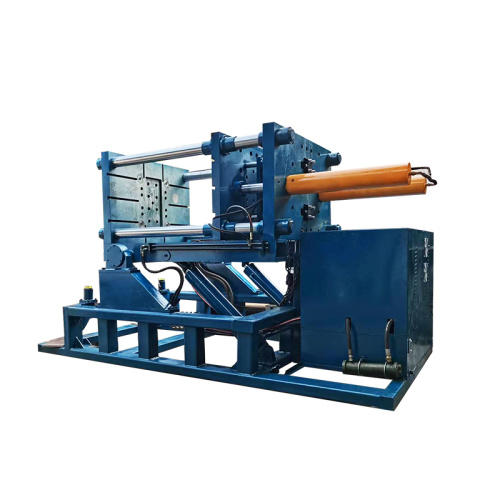
Can your current machine deliver 125 psi precision with zero leaks every time? Ours is built to do exactly that, combining stable pressure control, dependable sealing, and consistent performance fo
“It’s like magic”—but it’s really smart engineering. Our mobile low pressure machine is designed to deliver powerful performance in a simple, practical, and easy-to-use system. Built with
What’s holding your team back is not a lack of talent, but the hidden barriers that stop people from performing at their best—outdated equipment, weak trust, unclear direction, micromanagement,
One foundry cut energy use by 38% by adopting a mobile low-pressure machine and applying smarter operating practices across the casting process. By maximizing equipment use, shortening holding time
Email to this supplier
Contact

Send Inquiry
PRODUCT CATEGORIES
Privacy statement: Your privacy is very important to Us. Our company promises not to disclose your personal information to any external company with out your explicit permission.
Fill in more information so that we can get in touch with you faster
Privacy statement: Your privacy is very important to Us. Our company promises not to disclose your personal information to any external company with out your explicit permission.