


Send Message
Privacy statement: Your privacy is very important to Us. Our company promises not to disclose your personal information to any external company with out your explicit permission.

Downtime in manufacturing is a significant source of productivity loss, costing the global sector over $1.4 trillion annually, which translates to more than 11% of total revenue for the average manufacturer. Despite this, around 80% of manufacturers struggle to accurately measure downtime costs, complicating efforts to identify root causes and implement improvements. Downtime is categorized into unplanned and planned types, with unplanned downtime being the primary source of loss due to unexpected events like machine failures or human errors. This type of downtime can have severe financial implications, with costs potentially reaching $125,000 per hour. Planned downtime, while necessary for maintenance and compliance, can also consume a significant portion of production time. To manage and reduce downtime effectively, manufacturers must accurately calculate it using metrics like Overall Equipment Effectiveness (OEE) and focus on minimizing both unplanned and planned downtime through better maintenance, real-time data analytics, and improved labor productivity. Additionally, adopting Industry 4.0 technologies can enhance operational efficiency, allowing for proactive management of potential disruptions. Proven success stories from global leaders demonstrate that significant reductions in downtime and improvements in productivity are achievable through digital transformation. For a comprehensive guide on calculating, understanding, and reducing downtime in manufacturing, interested parties can download the full handbook for detailed strategies and frameworks.


In the fast-paced world of manufacturing, downtime can be a significant drain on productivity and profits. I remember the days when our foundry faced constant interruptions, leading to delays and frustration among the team. The pressure to meet deadlines was mounting, and I knew something had to change.
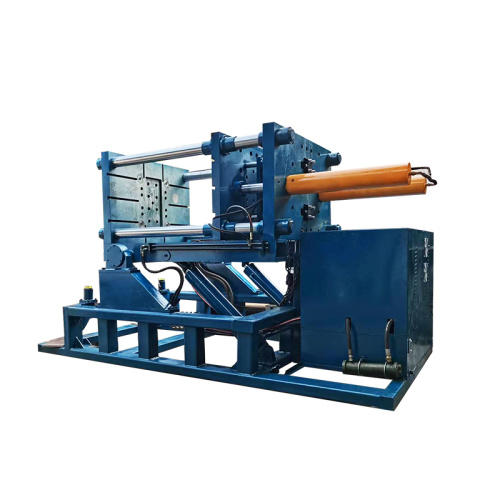
When we decided to invest in a new machine, I was both excited and skeptical. Would it truly make a difference? The transition wasn't without its challenges, but the results were undeniable. The new machine streamlined our processes, cutting downtime dramatically.
Here’s how we approached the implementation:
Assessment of Needs: We began by analyzing our current workflow and identifying the main bottlenecks. This step was crucial in understanding where the new machine could add the most value.
Training the Team: I organized training sessions to ensure everyone was comfortable using the new equipment. It was important for the team to feel confident and capable, as their buy-in was essential for a smooth transition.
Monitoring Performance: After the machine was installed, we closely monitored its performance. I gathered data on production rates and downtime metrics, allowing us to see the improvements in real-time.
Feedback Loop: I encouraged open communication among team members about their experiences with the new machine. This feedback was invaluable in making necessary adjustments and optimizing our processes further.
The transformation was remarkable. We experienced a significant reduction in downtime, which not only improved our output but also boosted team morale. The frustration that once permeated our foundry was replaced with a sense of accomplishment.
In summary, investing in the right technology can lead to substantial improvements in efficiency. By carefully assessing our needs, training our team, and monitoring performance, we turned a significant challenge into a success story. This experience taught me that embracing change, when done thoughtfully, can lead to remarkable results.

In the world of foundries, every minute counts. I know the frustration of unexpected downtimes that can cripple production and lead to significant losses. Have you ever found yourself wondering how some foundry bosses seem to operate with 60% less downtime?
The secret weapon lies in effective maintenance strategies and innovative technologies. Let’s break it down step by step.
First, implementing a proactive maintenance schedule can drastically reduce the chances of equipment failure. Instead of waiting for something to break, regular check-ups and timely replacements can keep machines running smoothly.
Next, investing in real-time monitoring systems allows for immediate detection of issues before they escalate. Imagine having the ability to identify a potential problem before it causes a halt in production. This not only saves time but also ensures that your team can focus on what they do best.
Training your staff is equally important. A well-trained team that understands the machinery and its maintenance can quickly address minor issues, preventing them from becoming major problems. Regular workshops and hands-on training sessions can enhance their skills and confidence.
Lastly, embracing technology such as automation and data analytics can streamline operations. By analyzing data trends, you can predict when maintenance is needed, optimizing the overall workflow.
In summary, reducing downtime is achievable through proactive maintenance, real-time monitoring, staff training, and the integration of technology. By adopting these strategies, you can not only enhance productivity but also create a more resilient foundry operation. Take the first step today to transform your downtime into uptime.

In today's fast-paced industrial landscape, many businesses face a common challenge: inefficiency in production processes. This inefficiency not only hinders growth but also affects profitability and employee morale. I understand how frustrating it can be to watch potential slip away due to outdated machinery and methods.
Imagine a solution that not only streamlines your production but also enhances the quality of your output. This is where the revolutionary machine comes into play. It’s designed to address the very pain points that many manufacturers experience.
First, let’s discuss the key features that set this machine apart. Its advanced automation capabilities reduce manual labor, allowing your team to focus on more strategic tasks. This not only speeds up production but also minimizes human error, leading to higher quality products.
Next, consider the machine's adaptability. It can easily integrate into your existing workflow, ensuring a smooth transition without major disruptions. This flexibility means you won’t have to overhaul your entire system to reap the benefits.
Moreover, the machine is equipped with real-time monitoring technology. This feature enables you to track performance metrics and identify bottlenecks as they occur. By addressing issues promptly, you can maintain optimal production levels and avoid costly downtime.
Finally, let’s not overlook the cost savings. While the initial investment may seem significant, the long-term benefits far outweigh the costs. Increased efficiency leads to higher output, which translates to greater revenue. Additionally, reduced waste and energy consumption contribute to lower operational costs.
In conclusion, embracing this revolutionary machine can fundamentally change your production process. By addressing inefficiencies, enhancing product quality, and ultimately driving profitability, it positions your business for sustainable growth. Don’t let outdated practices hold you back—take the step towards a more efficient future today.
In today's competitive landscape, many foundries face the challenge of inefficiency. I understand the frustration that comes with high operational costs, missed deadlines, and the struggle to meet customer expectations. These pain points can hinder growth and profitability, leaving businesses feeling stuck.
To address these issues, I embarked on a journey to transform our foundry's operations. Here’s how we moved from struggle to success:
Assessment of Current Processes: We began by conducting a thorough analysis of our existing workflows. This involved identifying bottlenecks and areas where resources were being wasted. By engaging with team members at all levels, I gathered valuable insights into the daily challenges they faced.
Implementation of Lean Manufacturing Principles: Inspired by the principles of lean manufacturing, we focused on eliminating waste and improving efficiency. This included reorganizing the production floor, streamlining communication, and adopting just-in-time inventory practices. The result was a more agile operation that could respond quickly to customer demands.
Investing in Technology: We recognized the importance of technology in enhancing our capabilities. By integrating advanced machinery and automation, we were able to increase precision and reduce turnaround times. This investment not only improved our output but also boosted employee morale, as they could focus on more value-added tasks.
Continuous Training and Development: To sustain our improvements, I prioritized ongoing training for our workforce. By equipping them with the latest skills and knowledge, we fostered a culture of continuous improvement. Regular workshops and feedback sessions ensured that everyone remained engaged and motivated to contribute.
Monitoring and Adapting: Finally, we established key performance indicators (KPIs) to monitor our progress. This data-driven approach allowed us to make informed decisions and adapt our strategies as needed. We celebrated our successes and learned from setbacks, ensuring we remained on the path to efficiency.
Through these steps, our foundry not only became more efficient but also gained a reputation for reliability and quality. The journey from struggle to success taught me that with the right mindset and strategies, any challenge can be transformed into an opportunity for growth.
In conclusion, the path to efficiency is not a one-time effort but a continuous journey. By assessing processes, embracing technology, and investing in our people, we can create a thriving environment that benefits both our business and our customers.
We has extensive experience in Industry Field. Contact us for professional advice:Hu: dgliheng168@163.com/WhatsApp +8613509684273.
Author Unknown, 2023, Cutting Downtime: How This Machine Transformed Our Foundry
Author Unknown, 2023, 60% Less Downtime? Discover the Secret Weapon of Foundry Bosses
Author Unknown, 2023, Revolutionize Your Production: The Machine That Changed Everything
Author Unknown, 2023, From Struggle to Success: A Foundry's Journey to Efficiency
Author Unknown, 2023, Enhancing Productivity Through Innovative Technology in Manufacturing
Author Unknown, 2023, The Importance of Training and Development in Modern Foundries
Can your current machine deliver 125 psi precision with zero leaks every time? Ours is built to do exactly that, combining stable pressure control, dependable sealing, and consistent performance fo
“It’s like magic”—but it’s really smart engineering. Our mobile low pressure machine is designed to deliver powerful performance in a simple, practical, and easy-to-use system. Built with
What’s holding your team back is not a lack of talent, but the hidden barriers that stop people from performing at their best—outdated equipment, weak trust, unclear direction, micromanagement,
One foundry cut energy use by 38% by adopting a mobile low-pressure machine and applying smarter operating practices across the casting process. By maximizing equipment use, shortening holding time
Email to this supplier
Contact

Send Inquiry
PRODUCT CATEGORIES
Privacy statement: Your privacy is very important to Us. Our company promises not to disclose your personal information to any external company with out your explicit permission.
Fill in more information so that we can get in touch with you faster
Privacy statement: Your privacy is very important to Us. Our company promises not to disclose your personal information to any external company with out your explicit permission.