

Send Message
Privacy statement: Your privacy is very important to Us. Our company promises not to disclose your personal information to any external company with out your explicit permission.

Upgrade to a 50T press and take your production capabilities to the next level. Designed for smoother operation and higher processing capacity, this powerful solution helps improve efficiency, maintain consistent product quality, and reduce costly downtime. By optimizing workflow and supporting more reliable output, the 50T press enables your business to meet growing demand while controlling operating costs. The result is a more productive process, stronger performance, and a faster, more sustainable return on investment.

When a shop reaches the limits of a smaller press, production problems often appear in familiar ways: longer cycle times, repeated machine adjustments, uneven forming results, and more time spent waiting between jobs.
I have seen this happen when a team takes on thicker material or larger parts without changing its press capacity. The machine may still complete the work, but the process becomes harder to control. Operators compensate with extra passes, slower settings, or frequent tooling changes. Those small delays can affect labor costs, delivery schedules, and product consistency.
A 50T press can be a practical step for shops that need more working capacity without moving straight to a much larger machine. The right choice depends on the material, tooling, stroke, bed size, production volume, and safety requirements.
I start by reviewing the jobs that create the most strain on the current equipment.
Useful details include:
A press rated at 50 tons does not automatically fit every application. The rated force must match the actual load, and the machine must support the tooling used on the production floor.
If a part needs repeated forming near the limit of the current press, the process may benefit from more available capacity. A larger margin can reduce the need to run each cycle at the edge of the machine’s range.
A press upgrade should solve a process problem.
I pay attention to signs such as:
A 50T press may help by handling more demanding jobs in a single controlled cycle. It may also allow the shop to separate light and heavy work more effectively, so one machine does not carry every task.
The result depends on the full setup. Press capacity, tooling condition, operator skill, material preparation, and maintenance all affect the production result.
I recommend comparing the current process with the expected process after the upgrade.
Track these figures:
A simple example can make the comparison easier.
Imagine a small fabrication shop that produces brackets. Its existing press completes each bracket in two passes, with regular setup checks. The shop records 40 seconds of machine time and 10 seconds of handling for each part.
After reviewing the job, the team considers a 50T press that may complete the same forming task in one pass. If the new setup reduces cycle and adjustment time, the shop can compare the cost of the equipment with the labor hours saved over a normal production period.
This example does not promise a fixed return. Actual results depend on order volume, machine settings, tooling, wages, and maintenance costs. The value comes from using measured shop data instead of relying on the tonnage number alone.
A press should fit the production floor as well as the production plan.
Before installation, I check:
Clear access can reduce handling delays. Proper guarding can support safer operation. Simple controls may also help operators move between jobs with fewer adjustments.
The machine should be used according to the supplier’s operating instructions and the safety procedures required at the site. Staff training should cover setup, material placement, tooling changes, emergency procedures, and routine checks.
The press and tooling should be evaluated as one working system.
I review the following points:
A 50T press may provide the needed force, but worn or poorly aligned tooling can still cause marks, uneven parts, and extra rework. In some cases, improving the tooling layout can create a larger production benefit than changing machine speed.
For shops with many small batches, quick and repeatable setup matters. For shops with longer runs, stable pressure and reliable cycle control may have a stronger effect on output.
The purchase price is only one part of the upgrade.
I include these costs in the review:
The expected return should be based on a reasonable production period. A short payback estimate can look attractive if it ignores installation, maintenance, or low order volume.
I also compare the cost of keeping the current press. A smaller machine may remain useful for light jobs, backup work, or separate production stages. Replacing it is not always necessary if both machines can serve different tasks.
Operators often know where production loses time.
I ask them:
Their feedback can reveal problems that do not appear in a spreadsheet. It can also help the team prepare work instructions before the new press arrives.
A short test run with typical material and tooling can provide useful information. The test should record cycle time, part quality, setup effort, operator feedback, and any adjustment needed during the run.
A capacity upgrade only helps when the machine stays in working condition.
A routine plan may include:
I prefer simple maintenance records that show the date, task, finding, and action taken. These records help identify repeated issues before they affect a larger batch.
A 50T press can support smoother production when the machine matches the work, the tooling is prepared, and the shop measures its results. The potential return comes from reduced delays, better job allocation, and more consistent output—not from the tonnage label alone.
Before upgrading, I would compare current production data with a test plan for the new press. That approach gives the team a clearer view of capacity, operating cost, safety needs, and expected business value.

A press can have plenty of force and still create avoidable waste. The wrong machine may require repeated cycles, extra setup time, more material handling, and frequent adjustments. For many small and mid-sized production tasks, a 50T press offers a useful balance between working capacity, floor space, control, and operating cost.
I do not see tonnage as a race. A larger press is not automatically a better choice. The useful question is simple:
Can the machine handle the required work with steady force, suitable control, and reasonable energy use?
For many workshops, the answer can be a well-configured 50T press.
A 50T press can support tasks such as:
The exact result depends on the material, tool design, stroke length, working speed, and part shape. A press rating alone does not tell me whether a job will run safely or efficiently.
A part may need less force but more stroke length. Another part may require high force for a short point in the cycle. This is why I review the full process before selecting a machine.
A 100T or 150T press may be useful for heavy forming jobs. It can also take more space, require a stronger foundation, and consume more energy when the work does not need that level of force.
When I use a 50T press for work that fits its range, I avoid paying for unused capacity. The machine remains suitable for a wide group of daily jobs without making every task feel oversized.
This can help shops that manage:
The goal is not to use the smallest machine available. The goal is to match machine capacity with actual production needs.
Small-batch work often loses time during setup. Operators may change tooling, adjust pressure, test the first part, and correct alignment before production begins.
A 50T press can fit this type of work when it offers practical adjustment features, such as:
When the operator can set the machine with less trial and error, fewer parts may need reworking. That can reduce material loss and make job planning easier.
The phrase “less waste” should not mean lower energy use by default. Energy performance depends on the drive system, pump or motor size, cycle time, idle behavior, maintenance, and production pattern.
A 50T hydraulic press may use more energy during a long idle period than during active pressing. A system with automatic standby control can reduce unnecessary running. An electric or servo-assisted design may offer different energy behavior, but the purchase cost and maintenance needs also require review.
I usually compare these points:
A machine that completes each cycle faster may reduce total operating time. A machine that runs smoothly but stays active between jobs may need better standby settings.
Material waste often starts before the pressing stage. Poor alignment, uneven pressure, unsuitable tooling, and unstable work support can damage parts.
A 50T press can help control these risks when the machine is set up correctly. The operator still needs the right die, fixture, pressure setting, and inspection method.
For example, a workshop producing small metal brackets may use a 50T press for forming. If the die is aligned and the pressure is controlled, the shop can reduce bent edges and uneven shapes. The result is not guaranteed by tonnage alone. Tooling and process control have a direct effect on part quality.
Imagine a repair shop that presses bearings, straightens brackets, and forms small steel parts. The shop runs several short jobs each day. A large press would handle the work, but it would occupy more space than the team needs.
The shop chooses a 50T model with a pressure gauge, adjustable stroke, firm work table, and accessible controls. The operator records the pressure used for each common job. After several production runs, the team has a repeatable setup for its regular parts.
This approach can reduce repeated testing and make training easier for new operators. The savings come from better process control, not from the machine rating alone.
A 50T press may fit your work, but I would review these details before placing an order:
Required force
Calculate the force needed for the hardest regular job. Leave a suitable operating margin, but avoid choosing a much larger capacity without a clear reason.
Working area
Check the table width, daylight opening, throat space, and tool access. A machine can have enough force and still be difficult to use if the work area is too small.
Stroke and speed
Look at the full stroke length and the working speed under load. A short stroke may not suit deep forming. A high approach speed may not matter if the pressing stage remains slow.
Control method
Manual controls may suit repair work. Programmable settings can help shops that repeat the same operations. The best option depends on operator skill and production volume.
Safety features
Review guarding, emergency stop access, two-hand control options, overload protection, and maintenance access. Safe operation needs both machine features and clear work procedures.
Service support
Ask about warranty terms, training, spare parts, hydraulic components, and response times. A machine purchase affects daily production long after delivery.
A 50T press may be too small for deep drawing, heavy stamping, large structural parts, or jobs that need high force throughout a long stroke.
It may also be a poor fit if the production line requires very high output and automatic material feeding. In that case, cycle speed, automation, and die life may matter more than the rated force.
The right decision comes from the full process: part size, material strength, tooling, production volume, operator needs, and available space.
A 50T press makes sense when its capacity matches the work and its controls support repeatable operation. It can help a workshop avoid unused machine capacity, limit setup waste, and keep daily jobs manageable. The best result comes from matching the press to the process rather than choosing a larger number simply because it sounds stronger.

A 50T press can help a workshop handle forming, bending, pressing, straightening, and assembly tasks with a more controlled process. The value does not come from tonnage alone. I look at cycle time, operator effort, material consistency, maintenance needs, and how well the press fits the daily workload.
When a team depends on manual force or several separate tools, production can become uneven. Operators may spend extra time setting up each job. The result can include longer lead times, more rework, and higher labor costs.
A well-matched 50T press gives the operator a defined working range and a repeatable method for common jobs.
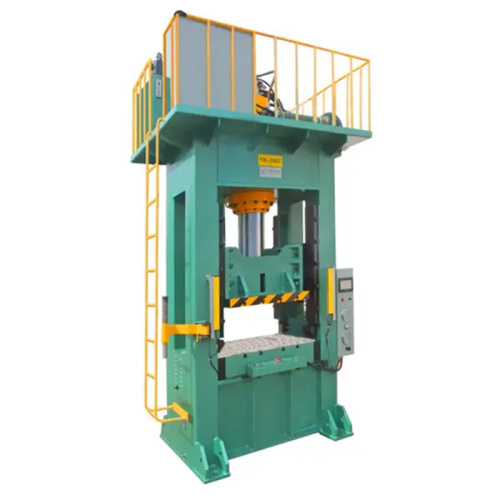
A 50T hydraulic press may suit tasks such as:
The suitable application depends on the material, part size, required stroke, working height, and pressure control. I would not select a press from tonnage alone. A machine with 50 tons of force may still be a poor fit if the bed is too small or the ram travel does not match the job.
I review several points before comparing suppliers.
The 50T rating describes the maximum force under the stated operating conditions. It does not mean every job should run at full capacity. Regular work should stay within the manufacturer’s operating guidance.
Ask for details about:
These details show how the press may fit into an actual production area.
A clear pressure gauge helps operators monitor each job. Adjustable controls can make it easier to apply a similar force across repeated parts.
For a workshop producing small brackets, for example, the operator may use the press to form several pieces in the same batch. A stable setup can reduce variation between parts, but the result still depends on the die, material thickness, operator training, and inspection process.
The frame must support the planned load without creating unsafe deflection. I check the frame construction, weld quality, bed support, cylinder mounting, and adjustment method.
The bed should also provide enough space for the workpiece and tooling. A compact design may save floor space, while a larger bed may support a wider range of jobs. The right choice depends on the workshop layout rather than a single size preference.
I measure return through actual operating data.
Track:
Suppose a repair shop spends 12 minutes removing and installing a bushing with manual tools. A press may reduce handling time, but the actual result depends on fixture design and operator method. If the shop processes 20 similar jobs each day, even a modest time reduction can affect weekly labor use.
This calculation should include the press price, delivery, installation, tooling, training, and routine maintenance. A lower purchase price may not provide better value if the machine requires frequent adjustment or lacks service support.
I recommend setting up the press around the job, not placing it wherever floor space is available.
A workable process may include:
This approach helps operators repeat a proven setup. It also gives the workshop useful records when a quality issue appears.
A 50T press stores and releases large amounts of force. The operator needs training on loading, alignment, pressure control, tooling selection, and emergency procedures.
The workspace should include suitable guarding and a stable installation surface. Operators should use the required personal protective equipment and keep hands clear of the pressing area. Damaged hoses, leaking fittings, cracked dies, or unstable workpieces need attention before the machine runs.
The manufacturer’s instructions and local workplace requirements should guide installation and use.
Before placing an order, I would ask:
Clear answers reduce the chance of buying a machine that does not suit the workshop.
A reliable 50T press should support the work your team already performs or plans to add. Its value comes from suitable capacity, stable operation, practical controls, proper tooling, and regular maintenance. When I compare those factors with real production data, I can judge efficiency and return with more accuracy instead of relying on the tonnage figure alone.

Every press cycle has a cost. When a machine applies force unevenly, needs repeated setup, or spends too much time waiting between jobs, the loss appears in more than production speed. Material waste rises. Operators spend extra time checking parts. Customers may receive inconsistent results.
A 50T press upgrade can help when your current equipment no longer matches your daily workload. The right setup gives operators better control over force, stroke, alignment, and working speed without pushing the machine beyond its rated capacity.
I look at a press upgrade through one simple question:
Can this machine make each cycle more controlled, repeatable, and practical for the work on the floor?
A 50T rating describes the maximum force the press is designed to apply under stated conditions. It does not mean every material, die, or forming task is suitable for the same setting.
Before choosing an upgrade, I review:
A shop producing brackets may need different settings from a shop straightening shafts or installing bushings. The same 50T press can support both tasks only when the frame, tooling, stroke, and control system fit the work.
Many operators lose time through small corrections:
A more controlled 50T system can make these tasks easier to manage. A pressure gauge gives the operator a clear reading. Adjustable stroke limits help control movement. A stable work table supports better positioning.
These features do not replace proper setup. They give the operator more useful information during the cycle.
I prefer controls that are easy to read and simple to adjust. A complicated interface may look impressive during a demonstration, yet the shop floor needs settings that an operator can understand without stopping production to study the manual.
The press frame provides force. The tooling transfers that force to the workpiece.
Poor tooling can lead to:
For a 50T upgrade, check whether the existing dies, plates, adapters, and supports can handle the planned load. A tool designed for a smaller press may not be suitable for higher force.
I also leave enough clearance around the workpiece. A press should not operate with tools that touch the frame, slide sideways, or place force away from the intended centerline.
Consider a shop producing metal brackets in several sizes. Its older press can complete the work, but the operator must adjust the stop for each batch. Parts from the same order sometimes need extra checking because the forming depth changes slightly between cycles.
A 50T upgrade with an adjustable stop, visible pressure reading, and better table support could give the operator a more repeatable process. The gain may not come from pressing faster. It may come from reducing rework and making each setup easier to repeat.
The shop should track its results with simple figures:
This approach gives the owner a clearer view than relying on a general claim about output.
A press is part of a work sequence. I check the steps before and after pressing:
Written settings help different operators follow the same process. A basic setup sheet can include material type, die position, pressure range, stroke limit, part dimensions, and inspection points.
A 50T press stores and releases a large amount of force. Guards, emergency controls, proper training, and routine inspection should be part of the upgrade plan.
Before operation, inspect:
Never place hands between the die and workpiece during a cycle. Do not exceed the rated capacity. Follow the machine manual and site safety procedures.
The best upgrade is not always the one with the highest force rating. I compare the machine with the work it will perform.
Ask the supplier for:
A clear specification sheet helps prevent a mismatch between the machine and the production process.
A 50T upgrade makes sense when it supports the actual jobs on your floor, gives operators better control, and reduces avoidable handling or rework. The target is not simply more force. The target is a press cycle that is easier to set, easier to check, and easier to repeat.
We has extensive experience in Industry Field. Contact us for professional advice:Hu: dgliheng168@163.com/WhatsApp +8613509684273.
References
Robert L Norton — 2020 — Machine Design and Hydraulic Press Applications
Peter R N Childs — 2019 — Mechanical Design and Manufacturing Process Selection
Mikell P Groover — 2020 — Fundamentals of Modern Manufacturing
James A Dally — 2018 — Metal Forming Principles and Press Operation
David A Smith — 2021 — Industrial Machine Safety and Presswork Procedures
Edward P DeGarmo — 2018 — Materials and Processes in Manufacturing
The 50T Hydraulic Press delivers the power and precision required for demanding industrial applications. Built for fast operation, accurate pressing, and consistent performance, it helps improve pr
Shocking Stats: How 50T Presses Improve Quality — A 50-ton press can transform manufacturing quality by applying powerful, controlled force with exceptional precision. Its robust capacity support
The 50T Press is an advanced and dependable solution for powder molding, combining 50 tons of pressing force with a robust structure and user-friendly operation. Designed to process a wide variety
Is your 50T hydraulic press underperforming? Before investing in replacement parts or costly repairs, inspect the essential factors that directly affect power, speed, and consistency. Verify the hy
Email to this supplier

November 28, 2026

November 27, 2026
Contact

Send Inquiry
PRODUCT CATEGORIES
Privacy statement: Your privacy is very important to Us. Our company promises not to disclose your personal information to any external company with out your explicit permission.
Fill in more information so that we can get in touch with you faster
Privacy statement: Your privacy is very important to Us. Our company promises not to disclose your personal information to any external company with out your explicit permission.