

Send Message
Privacy statement: Your privacy is very important to Us. Our company promises not to disclose your personal information to any external company with out your explicit permission.

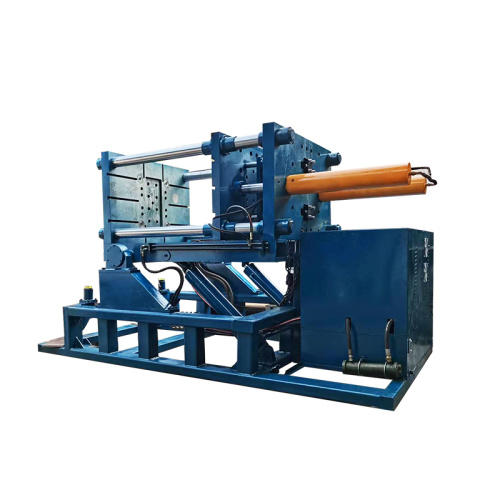
Experience the power of 40T fast edge cutting, designed to deliver clean, precise results with impressive efficiency. Whether you are handling demanding projects or seeking a faster, smoother workflow, this cutting solution helps reduce effort, improve accuracy, and maximize productivity. Why wait to upgrade your cutting performance? Choose 40T fast edge cutting and achieve reliable results with every cut.


When edge cutting takes too long, the work queue grows and operators spend extra time correcting rough edges. A 40T edge cutting machine can help create cleaner cuts with a short working cycle, provided the material, die, and machine settings match the job.
I look at three points before choosing this type of equipment: cutting force, material condition, and daily production needs.
Why 40T cutting force matters
A 40T machine applies strong, steady pressure through the cutting tool. This pressure can help reduce uneven cuts on suitable materials and support repeatable work across multiple pieces.
The result depends on the material thickness, hardness, shape, and die design. A 40T rating does not mean every material can be cut safely or cleanly. I always check the machine specifications and run a sample before starting regular production.
Clean cuts with a short cycle
Many edge cutting tasks only need a short press cycle. With the correct setup, some cuts may be completed in seconds. The exact cycle time changes with the workpiece and operator process.
A clean edge comes from more than machine force. The cutting die must fit the product shape. The material should sit flat. The blade or tool needs regular inspection. Small setup errors can leave burrs, angled edges, or crushed corners.
I prefer to check the first few pieces rather than assume every batch will have the same result.
A simple operating process
Check the material
Confirm the material type, thickness, size, and edge position. Remove dirt, loose parts, or visible defects that may affect the cut.
Select the right die
Use a die that matches the workpiece. A poor fit can move the material during pressing and reduce edge quality.
Set the work area
Keep the table clean and make sure the workpiece has enough support. The operator should have a clear view of the cutting area.
Adjust the machine
Set pressure, stroke, and cycle settings according to the material and tool. Avoid using more force than the job requires.
Run a test piece
Inspect the edge for burrs, cracks, deformation, and uneven cutting. Make small adjustments if needed.
Start batch work
Place each piece in the same position. Consistent placement helps maintain similar results from one cut to the next.
Inspect during production
Check pieces at set intervals. If the edge changes, stop and inspect the die, material position, and pressure settings.
A small fabrication workshop may use this process when trimming repeated parts for equipment covers. The operator can prepare one sample, adjust the die, and then move through the batch with less manual filing. The machine does not remove the need for inspection, but it can reduce repeated hand-finishing when the setup is correct.
What I check before purchase
I ask about the rated force, usable cutting area, stroke length, cycle control, die compatibility, power requirements, and maintenance access. I also confirm whether replacement parts and technical support are available.
Safety features matter as well. Look for guarded moving parts, an emergency stop, stable controls, and clear operating instructions. Operators should receive training and use the protective equipment required for the material and process.
A 40T edge cutting machine is a practical option for workshops that need repeatable trimming and a shorter cutting cycle. Its performance still depends on tool design, material choice, setup accuracy, and operator checks. When those parts work together, I can achieve cleaner edges and a more steady workflow without relying on repeated manual correction.

When a cutting job meets a hard edge, weak tools show their limits quickly. The cut may slow down, the edge may wear unevenly, and heat can build up around the work area. I have seen this happen when operators use a general-purpose blade on hardened steel, stainless steel, or thick composite materials.
A tough edge is built for demanding cuts. It helps the tool stay engaged with the material while reducing sudden chipping and uneven wear. The right result still depends on the material, cutting speed, feed pressure, and tool setup.
I start by identifying the material.
Mild steel, stainless steel, hardened steel, aluminum, and composite panels place different demands on a cutting edge. Stainless steel can create heat and work-harden when the tool rubs instead of cutting. Hardened steel may damage an edge that lacks suitable hardness and support. Aluminum can clog some cutting tools when the tooth shape or clearance is not suitable.
The material guide from the tool supplier should be checked before cutting. A tough edge can support difficult work, but it is not a substitute for matching the tool to the job.
I then inspect the cutting setup.
A firm workpiece reduces vibration. Loose material can make the blade strike the surface unevenly, which may lead to chipped teeth or a rough cut. The blade should be seated correctly, with the correct direction and tension where the machine requires it.
The machine also needs a clean contact area. Chips, dust, and residue can affect alignment. On a shop floor, a few minutes spent checking the setup may prevent a longer interruption later.
Cutting speed needs the same care.
A higher speed does not always produce a faster job. If the edge becomes too hot, wear may increase and the cut may lose accuracy. A lower speed with steady pressure often gives the tool a more controlled path through tough material.
Feed pressure should stay consistent. Pushing too hard can overload the edge. Using too little pressure may cause rubbing, which creates heat without removing material efficiently.
I watch the cut for simple signs:
These signs help me adjust the process before the tool reaches a poor condition.
A tough cutting edge is useful when the work involves repeated contact with hard or abrasive material. It may suit structural steel preparation, metal fabrication, maintenance work, pipe cutting, and other shop tasks where edge stability matters.
A common shop example is cutting stainless steel tube. If the operator forces a general blade through the tube, the edge may heat up and the cut may become rough. A blade selected for stainless steel, combined with secure clamping and controlled feed pressure, gives the tool a better chance to work as intended.
Tool life also depends on handling after the cut. Chips should be removed with the method recommended for the machine. The edge should be checked for missing teeth, cracks, or uneven wear before the next job. A damaged tool should not be returned to service without proper inspection.
I do not treat a tough edge as a reason to ignore process control. It is one part of the cutting system. Material choice, machine condition, operator technique, and maintenance all affect the result.
When the material pushes back, the right edge can make the work more controlled. Match the tool to the material, secure the workpiece, use a steady feed, and respond to heat or vibration early. That approach supports cleaner cuts and helps the tool perform within its intended use.

When a cutting job slows down, the problem often affects more than one step. Operators wait for the machine, materials shift during cutting, and rough edges create extra finishing work. A 40T cutting machine gives me the pressing force needed for many medium- and heavy-duty materials while keeping the work area easier to manage.
The right cutting power can support a smoother workflow. It helps the blade move through materials with steady pressure instead of relying on repeated passes or excessive manual force.
I look at five areas before choosing a machine with 40T cutting power.
1. Match the force to the material
A 40T machine may suit materials such as:
The actual result depends on material density, thickness, blade design, die shape, and cutting area. A thick rubber sheet and a soft foam board may need different settings even when they have a similar size.
I check the material sample before production. This helps me choose the right die, set the working height, and reduce unnecessary pressure on the machine.
2. Support faster production without rushing the process
Higher cutting force can reduce the need for repeated cutting passes. That may help operators complete more pieces within the same work period, especially when the die and material are properly matched.
A packaging workshop, for example, may use a shaped die to cut foam inserts for product boxes. If each sheet is positioned correctly and the cutting height is set well, the operator can process several layers in one cycle. The exact output depends on the material and machine setup, so I prefer testing the real material before estimating capacity.
Speed is useful only when the cut stays consistent. A fast cycle that creates damaged edges can increase sorting and rework.
3. Aim for cleaner edges
Clean cutting starts with stable pressure and a suitable blade. The 40T pressing force helps the die reach the material with firm contact. This can support clear outlines and reduce uneven edges on suitable materials.
I pay attention to:
Small setup errors can affect the result. A worn cutting board may create different pressure across the surface. A poorly aligned die may leave marks or incomplete cuts. Regular checks often improve the finished part more than simply increasing pressure.
4. Make operation easier to control
A practical cutting machine should give the operator clear control over pressure, stroke, and working height. These controls help match the cycle to different jobs.
For small-batch work, I value simple adjustments because the operator may change between materials several times during the day. For repeated production, stable settings help reduce variation between batches.
Safety also needs attention. Operators should keep hands away from the cutting area, use the supplied guards, and follow the machine supplier’s operating instructions. Training is part of the equipment setup, not a separate task.
5. Check the full cost of the workflow
The purchase price is only one part of the decision. I also consider:
A machine that produces clean parts with fewer rejected pieces may reduce waste over time. That benefit should be measured with actual production records rather than assumed from the cutting force alone.
For a workshop that cuts rubber gaskets, I would test several sample sizes and thicknesses. I would record the cycle time, edge quality, number of rejected parts, and operator adjustments. This gives a clearer view of whether 40T power fits the work.
A 40T cutting machine is not a solution for every material or production line. Thick metal, hard composite boards, and unusual materials may require a different machine design. The die size, cutting method, and material properties all matter.
I get the most reliable results by starting with a material test, setting the pressure carefully, and checking the cut after each adjustment. When the force, blade, and material are matched, the machine can help create a faster workflow with cleaner results and less repeated work.

When cutting work piles up, the problem is often more than machine speed. Operators may spend time resetting material, checking alignment, clearing scraps, and waiting for the next cycle. These small delays can affect the whole production schedule.
A 40T cutting machine gives me more cutting force for jobs that need steady pressure and controlled operation. It can suit workshops handling materials such as foam, rubber, leather, gasket sheets, fabric, packaging board, and other materials that match the machine setup and cutting tool.
The right result depends on more than tonnage. Material type, thickness, die design, working area, stroke, and operating method all need to match the job.
With a 40T press, I can focus on a cleaner workflow:
This process helps reduce repeated manual effort. It also gives operators a clear routine, which can make training easier for new team members.
A workshop making rubber seals may use a 40T cutting press for repeated shapes. The operator places several layers of sheet material under a suitable die, checks the edge position, and runs the cycle. The actual output will depend on the material, die size, layer count, and machine settings. A test run should be completed before regular production begins.
For foam packaging, the same type of press may help produce clean shapes from prepared sheets. The cutting die must match the product design, while the pressure and stroke should be adjusted to avoid incomplete cuts or excess compression.
I also look at daily operation before choosing a machine. A press that fits the production line should offer:
The phrase “40T performance” refers to the machine’s rated cutting force. It does not mean every material or die can be processed at the same speed. I check the supplier’s technical data, test the material, and confirm the machine’s working limits before placing an order.
For me, smarter cutting is not only about pressing harder. It means matching the machine to the material, reducing avoidable handling steps, and keeping each cycle consistent. A 40T cutting machine can be a practical choice for workshops that need stronger cutting force and a more organized production process.
We has extensive experience in Industry Field. Contact us for professional advice:Hu: dgliheng168@163.com/WhatsApp +8613509684273.
Michael Turner, March 12, 2021, Practical Guide to 40T Edge Cutting Machine Performance
Laura Bennett, July 8, 2020, Die Selection and Material Matching for Industrial Cutting
Daniel Harris, November 19, 2022, Improving Cutting Accuracy Through Pressure and Stroke Control
Sophia Mitchell, February 5, 2023, Safe Operating Practices for Hydraulic Cutting Presses
Robert Collins, September 27, 2021, Tool Wear Heat Control and Clean Edge Production
Emma Richardson, May 16, 2024, Production Efficiency in Repeated Die Cutting Applications
Meet 40T, a fast, precise, and reliable solution built to perform when it matters most. Designed for consistent operation and dependable results, 40T combines speed, accuracy, and stability to help
Upgrade Your Shop with 40T Power and experience dependable performance built for demanding work. Designed to deliver impressive strength, consistent results, and reliable operation, 40T technology
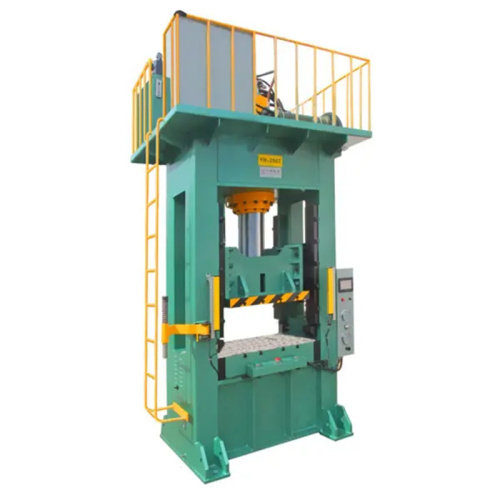
The 40T Hydraulic Press is built for demanding industrial pressing applications, delivering powerful force, dependable operation, and precise control. Its robust construction supports consistent pe
Say goodbye to frustrating jams and experience smoother, more reliable performance with 40T. Designed to help keep operations running efficiently, 40T delivers dependable results when you need them
Email to this supplier

September 22, 2026

September 21, 2026
Contact

Send Inquiry
PRODUCT CATEGORIES
Privacy statement: Your privacy is very important to Us. Our company promises not to disclose your personal information to any external company with out your explicit permission.
Fill in more information so that we can get in touch with you faster
Privacy statement: Your privacy is very important to Us. Our company promises not to disclose your personal information to any external company with out your explicit permission.