

Send Message
Privacy statement: Your privacy is very important to Us. Our company promises not to disclose your personal information to any external company with out your explicit permission.

The 40T Hydraulic Press is engineered to deliver dependable power and precision for demanding industrial applications. With a 40-ton pressing capacity, it handles pressing, bending, forming, straightening, and assembly tasks with consistent pressure and smooth operation. Its durable construction supports long-term performance, while accurate control helps improve efficiency, repeatability, and finished-product quality. Whether used in manufacturing, maintenance, fabrication, or repair, this hydraulic press provides reliable results and the strength needed for challenging jobs.


A 40T hydraulic press is built for jobs that need steady, controlled force. It can help with bearing removal, bushing installation, shaft work, metal forming, and straightening tasks. The number “40T” describes the press’s rated force, not the result of every job.
I look at hydraulic press work in a simple way: the machine must provide enough force, the frame must stay stable, and the operator must set up the part correctly. A press can have a high capacity and still perform poorly if the workpiece is not supported well.
A 40-ton press can produce up to 40 tons of hydraulic force under its rated operating conditions. The actual force may vary with the hydraulic system, pressure setting, cylinder design, and maintenance level.
Common tasks include:
A practical shop case may involve removing a rusted bearing from a trailer hub. A mechanic places the hub on suitable supports, aligns the press ram with the bearing, and applies pressure slowly. The bearing may release with a short movement rather than a sudden break. That controlled movement helps reduce damage to the hub and press tooling.
The same press may be used to install a new bushing. The bushing must stay square with the housing. If it enters at an angle, extra force will not solve the problem. It may damage the bushing, housing, or press accessories.
I start with the frame and worktable. Welds, pins, bolts, and table supports need a close visual check. Any crack, heavy deformation, or loose connection should be addressed before applying force.
I then inspect the hydraulic system:
A slow leak may seem minor during light work. Under higher pressure, it can become a safety and performance problem.
The workpiece should sit on supports that can carry the applied load. The supports need to be placed so the force travels through the strongest part of the material.
I keep the ram, tooling, and workpiece on the same center line. Offset loading can place sideways stress on the cylinder and frame. It can also make the part move unexpectedly.
The basic setup looks like this:
When a part does not move, I do not keep increasing pressure without checking the setup. Rust, a hidden retaining ring, poor alignment, or an incorrect adapter may be the real cause.
Rated capacity alone does not show how quickly the press works or how much travel it provides. A 40T hydraulic press may deliver strong force but have limited ram travel. Some jobs need a taller frame, a wider bed, or more daylight between the table and ram.
The workpiece size also matters. A narrow frame may not accept a large component, even when the force rating is suitable. The press must match the job space, tool size, and part shape.
Force is often calculated from hydraulic pressure and cylinder area. A larger cylinder can generate more force at the same pressure, while a smaller cylinder may move faster with the same pump. This is why two presses with the same ton rating may feel different during use.
After pressing, I inspect both the part and the machine:
For repeated shop work, I record the setup, tooling, pressure reading, and result. This makes it easier to repeat a successful process without relying on guesswork.
A 40T hydraulic press can be a useful fit for repair and fabrication work when its force, opening size, travel, and support arrangement match the job. The best result does not come from applying maximum pressure. It comes from correct alignment, suitable tooling, steady control, and a clear understanding of the material being pressed.

A 40T hydraulic press can handle much more than light bench work, but its capacity does not make every job safe or suitable. I look at it as a controlled force tool for pressing, straightening, forming, and assembly work. The machine helps when a hammer, puller, or manual clamp cannot provide steady pressure.
The useful question is not only, “How much can a 40T press push?”
I also ask:
A 40T press is powerful because it can apply about 40 metric tons of rated force, close to 392 kN. The actual result depends on the hydraulic system, cylinder condition, pressure setting, frame design, tooling, and the way the load is placed.
One of the most common uses is removing and installing bearings, bushings, sleeves, and similar parts.
A rusted bearing may not move with a hand puller. Heat, corrosion, and a tight fit can hold it inside a housing. A hydraulic press applies pressure in a straight line, which gives me better control than repeated hammer blows.
I place the housing on suitable support plates and make sure the force passes through the bearing’s outer race when removing it. When installing a bearing, I press against the correct race. Pressing across the wrong race can damage the bearing before it reaches its seat.
The same principle applies to:
The press does not replace correct measurement. I still check the bore, shaft, part alignment, and seating depth before applying force.
A 40T hydraulic press can straighten many steel components, such as brackets, shafts, plates, and small frames.
I use a slow pressure increase and watch the part after every adjustment. Some parts return slightly after pressure is removed. A small amount of correction may be needed before the component holds its intended shape.
Straightening can be suitable for a bent fabrication bracket or plate. It requires more care with safety-critical parts such as steering components, suspension arms, lifting parts, or heavily stressed shafts. A part may look straight while hidden cracks or changes in strength remain.
For that reason, I do not treat a straightened part as automatically ready for service. Inspection matters as much as the press work.
With the right dies, a 40T shop press can bend flat bar, plate, tubing, and other steel sections.
The result depends on:
A narrow piece of mild steel may bend with less force than a wide, thick plate. Stainless steel and hardened materials may require more force and may behave differently during forming.
I use a test piece when the shape needs to be accurate. This helps me check springback, die position, and the amount of travel needed. It is easier to adjust a test piece than to repair a finished part with the wrong angle.
The press can also help with controlled assembly tasks. I may use it to install pins, fit shafts, seat spacers, or assemble parts that need steady pressure.
This is useful when the parts must remain aligned. A hand tool can twist the component or apply force unevenly. The press gives a more direct load path when the work is supported correctly.
A simple example is pressing a new bushing into a control arm. The support must hold the arm close to the bushing opening. If the arm rests on an unstable surface, the force can bend the part or cause it to shift.
The press should push the part into position, not force two misaligned components together.
The “40T” label describes maximum rated force. It does not tell me that the press can handle every large or difficult object.
The working area may limit the job before force becomes an issue. A small frame opening can prevent me from placing a large axle, beam, or housing under the ram. Limited cylinder travel may also require repositioning the workpiece.
A press may be unsuitable when:
The press should not be used as a replacement for a bearing splitter, arbor press, hydraulic puller, or dedicated forming machine when the task needs a different tool.
I follow a simple process before raising pressure.
Check the press
I inspect the frame, bed pins, welds, cylinder, hose, fittings, gauge, and ram. Oil leaks or damaged components need attention before the job starts.
Measure the part
I record the original position, outside diameter, inside diameter, and seating depth when those measurements matter. A marker line can help show movement during pressing.
Select the supports
The supports need to carry the load without bending or sliding. I avoid loose blocks, cracked plates, and materials that can split under pressure.
Align the ram
The ram should contact the center of the part or the intended tooling. An angled load can push the workpiece sideways and place extra stress on the frame.
Increase pressure slowly
I watch the part, supports, gauge, and ram during each pressure increase. If the part tilts, creaks sharply, or shifts, I release pressure and reset the setup.
Inspect the result
After pressing, I check for cracks, distortion, new burrs, and correct seating. A part that moved is not always a part that moved correctly.
A 40T press with poor tooling can perform worse than a lower-capacity press with the correct setup.
Useful accessories may include:
The accessory should match the load and the part. A thin plate may bend under pressure and release suddenly. A push tube with a weak wall may collapse. The tooling needs its own strength rating and inspection routine.
I also keep the load centered whenever the press design requires central loading. Off-center force can damage the frame, bend the ram, and reduce control.
A common repair-shop job involves removing a seized suspension bushing from a steel arm. A mechanic may spend a long time with a hammer and puller, especially when corrosion has locked the sleeve in place.
With a 40T hydraulic press, the arm can be supported near the bushing opening. A correctly sized receiving cup gives the old bushing somewhere to move. A press adapter pushes on the bushing sleeve rather than the rubber section.
Pressure rises slowly. If the bushing does not move, the mechanic stops and checks the setup instead of simply increasing pressure. The problem may be a hidden retaining lip, a wrong adapter size, or a part that needs cutting or heat from a controlled process.
This example shows the main benefit of the machine: steady, directed pressure. The machine is not a substitute for judgment.
Hydraulic pressure stores energy. Parts can bend, crack, or release with little warning.
I wear eye protection and suitable work clothing. I keep my hands away from the pressing area and use tools to position small parts. I do not stand directly in line with a loaded component, plate, or adapter.
I never exceed the rated capacity of the press or its accessories. I do not use makeshift extensions on the pump handle to create more force. I keep the press on a stable floor and make sure the bed pins are fully seated.
If a part requires more pressure than expected, I stop. More force may damage the press or turn a minor repair into a dangerous failure.
For a repair shop, fabrication area, farm workshop, or maintenance department, a 40T hydraulic press can cover many medium and heavy pressing tasks. It is a practical choice when smaller presses lack capacity, while larger industrial equipment would take up more space than the work requires.
Before choosing one, I compare:
I also consider how often the machine will be used. A press that sits idle for most of the year may not need the same features as one used every day for bearings, bushings, and fabrication work.
A 40T hydraulic press can remove stubborn parts, form steel, straighten selected components, and support controlled assembly. Its results depend on more than the number printed on the frame. Correct alignment, suitable tooling, measured pressure, and a stable setup decide what the machine can safely do.

A 40-ton hydraulic press gives me the force I need for demanding shop work without taking up the space of a large industrial system. It can support tasks such as bearing removal, shaft straightening, bushing installation, metal forming, and part assembly.
The main challenge is not only force. I also need controlled movement, a stable frame, clear visibility, and safe operation. A press that supplies high pressure but offers poor control can slow the job and increase the chance of damaged parts.
I usually see this press size used in repair shops, fabrication areas, agricultural equipment service, and maintenance departments.
Common tasks include:
A 40-ton capacity gives the operator more working range than a small bench press. It can handle many heavy-duty repair jobs, while the machine remains easier to place and manage than a much larger press.
The actual capacity needed depends on the material, contact area, part shape, and press setup. I do not treat the rated force as a target for every job. The press should match the task, tooling, and workpiece condition.
Hydraulic force alone does not guarantee a clean result. I look at how the ram moves, how easily I can adjust pressure, and whether the frame remains stable under load.
A controlled hydraulic system helps me:
A pressure gauge can help track the load during the job. It gives me a reference point when I repeat the same repair. The gauge does not replace proper setup, since pressure readings depend on the cylinder size and system design.
I once observed a repair team working on a seized agricultural gearbox bearing. The old bearing had corrosion around the shaft, so the team did not apply force at once. They cleaned the area, checked the shaft for damage, positioned support blocks under the housing, and aligned the ram with the bearing center.
The operator increased pressure slowly and watched the frame, shaft, and bearing. The bearing moved after several small adjustments. This approach took more care than using sudden force, yet it reduced the risk of bending the shaft or cracking the housing.
That example reflects how I prefer to use a 40-ton press: steady pressure, proper support, and a clear view of the work area.
I review the following points before placing a press in my workshop:
The frame must support the rated load without visible movement or distortion. Weld quality, column size, crossbeam design, and base stability all affect daily use.
The distance between the columns determines whether I can position wide parts. A narrow press may have enough force but still fail to fit the workpiece.
Adjustable bed positions help me handle parts with different heights. I check the available working height at each bed position rather than looking at one measurement only.
The ram stroke affects how far the cylinder can move. A longer stroke may reduce the need for extra blocks, while a shorter stroke can suit compact repair work.
I should be able to read the pressure gauge from a safe working position. A poorly placed gauge makes pressure control harder.
Press plates, V-blocks, punches, and support fixtures should match the press size and the job. Improvised tools can slip or place force on the wrong area.
I keep the workpiece centered under the ram and use support blocks that can handle the applied load. I inspect the frame, hoses, fittings, pins, and hydraulic fluid before use.
During pressing, I keep my hands away from pinch points and avoid standing in line with parts that could move or break. I do not use loose extensions on the pump handle, and I stop the operation when the part shifts out of alignment.
A press should sit on a stable, level surface. The work area needs enough room for loading, unloading, and moving long parts. Good lighting also makes it easier to spot cracks, tilted components, and damaged tooling.
I wipe the ram and exposed surfaces after use to limit dirt and corrosion. I check for oil leaks around seals and fittings, then inspect the hydraulic fluid according to the manufacturer’s service guidance.
The frame should be checked for loose fasteners, cracked welds, and changes in alignment. Press plates and support blocks also need regular inspection. A damaged block can fail under load even when the press itself is in good condition.
I start with the hardest regular job, not the largest job I might do once. If my work includes heavy bearing removal, shaft repair, and forming tasks, a 40-ton press may provide a useful working range. If the parts are much wider, taller, or heavier, I also need to review the bed size, access space, and lifting method.
More force does not solve poor alignment. Correct tooling and a stable setup often make a greater difference to the finished result. I treat the 40-ton rating as part of the selection process, not the only reason to choose the machine.
For repair and fabrication work that needs controlled hydraulic force, a 40-ton press can serve as a practical central tool. Its value comes from the balance between capacity, control, access, and safe setup. When I match those points to the jobs in my workshop, the press becomes easier to use and easier to maintain.

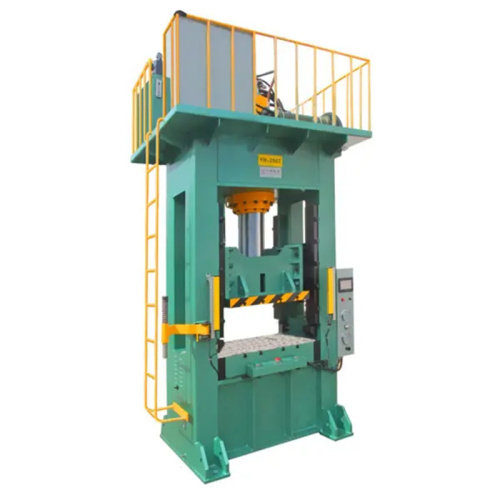
A 40T hydraulic press can look impressive in a product photo, yet the frame rating alone does not tell me how it will perform in a workshop. I need to see how smoothly it builds pressure, how well it holds a load, and how safely it handles common jobs such as bearing removal, bushing replacement, and metal forming.
That is why I focus on measurable results rather than broad promises.
In one workshop test, the press was used to remove a seized bearing from a steel housing. The operator positioned the housing on the support bed, centered the ram over the bearing, and increased pressure in small steps. The bearing moved only after the tooling was aligned with the outer race. The press supplied the force needed for the task, while the correct adapter prevented damage to the housing.
This test showed a point that is easy to miss: press capacity and setup work together. A 40T hydraulic press can provide up to about 392 kN of rated force, but the result depends on the material, contact area, ram travel, tooling, and frame design.
I start with the frame and support bed.
A rigid frame helps keep the ram, workpiece, and tooling in line. If the frame shifts under load, the force may not reach the target area evenly. The support pins also need to sit securely in their holes, with enough adjustment for different workpiece sizes.
I then check the hydraulic system.
The pump should build pressure in a controlled way. A pressure gauge gives me a reference during the job, while the release valve should lower the ram without a sudden drop. Small pressure changes make it easier to stop when a part begins to move.
The ram stroke matters as well.
A long stroke can reduce the number of repositioning steps on larger parts. It does not replace the need for correct bed height. If the workpiece sits too far below the ram, the operator may need extra blocking or spacers, which can affect stability.
A repair shop may receive a hub with a bearing that cannot be removed by hand tools. The operator can use a 40T hydraulic press through a controlled process:
Clean the hub and inspect it for cracks or damage.
Select support plates that carry the hub evenly.
Place the adapter against the correct bearing race.
Center the ram over the adapter.
Apply pressure slowly while watching the part and the frame.
Stop if the hub tilts, the tooling slips, or the material begins to deform.
Release pressure before making any adjustment.
The press does not remove the need for judgment. A damaged race, uneven support, or an adapter placed on the wrong surface can turn a simple repair into a replacement job.
Pressing a bearing and bending a steel plate are not the same task. Bearing removal may need a short burst of force. Forming requires better control over travel, die shape, and pressure distribution.
For a small plate-forming test, I would record:
These details make the result easier to repeat. Saying that a press “handles heavy work” gives little help to a person who needs to form a specific part.
I use a simple test sheet for each job. It includes the workpiece size, tooling setup, pressure reading, stroke length, and final result.
A useful record might look like this:
This type of record helps a workshop compare jobs without relying on memory. It also shows when the press was not the right tool. A part with hidden cracks, thin walls, or poor access may need another repair method.
I keep the work area clear and wear eye protection, gloves suited to the task, and safety footwear. Everyone stands away from the direct line of the ram and workpiece.
I never use loose blocks, damaged adapters, or makeshift extensions. Hydraulic force can store energy in the frame, tooling, and part. If something shifts, the movement can be sudden.
The operator should inspect hoses, fittings, pins, welds, and the gauge before use. The press should sit on a stable surface, with the workpiece supported at the correct height. The manual should guide the rated load, maintenance schedule, and safe operating limits.
The 40T label tells me the press has a high rated force for suitable jobs. It does not guarantee a certain speed, stroke, working width, or result on every material.
When I compare presses, I also check:
A press with a clear gauge and stable bed may be more useful in daily work than a model that only shows a larger capacity number.
The most reliable results come from matching the press to the job, keeping the load centered, using proper tooling, and recording what happened during each test. A 40T hydraulic press can support demanding workshop tasks, yet its value is shown through controlled operation and repeatable results, not through the rating alone.

A stubborn bearing, a bent bracket, or a tight bushing can turn a short repair into a long workshop task. A 40T hydraulic press gives me controlled force without relying on repeated hammer blows. It helps me handle heavy pressing jobs with a steadier setup and better control.
A 40T press can apply up to 40 tons of pressing force when its hydraulic system and rated conditions allow it. The actual working force depends on the pump, cylinder, frame, tooling, and pressure setting. I always check the machine specifications before starting a job.
In a repair shop, I may use the press for:
A common example is a worn suspension bushing. A mechanic may spend a long time trying to remove it with hand tools. With the part supported correctly on the press bed, the ram can apply steady pressure through a suitable adapter. The bushing moves in a controlled direction, while the surrounding part remains supported.
That setup does not remove the need for care. A damaged bushing, uneven support, or poorly placed adapter can create a serious hazard.
I check the frame, hydraulic hose, cylinder, pump, ram, pins, bed supports, and pressure gauge when fitted. I look for oil leaks, cracked welds, bent parts, and loose hardware.
The press should stand on a stable, level surface. The working area needs enough room for the operator to move safely and handle long parts.
Before applying force, I check the part’s width, height, material, and position. I also look at the direction in which the component should move.
This step helps me select the right support blocks and pressing adapter. A flat plate may suit one job, while a bearing separator, V-block, or shaped die may suit another.
The part must sit on a stable section of the press bed. I keep the load centered under the ram whenever possible.
I avoid balancing a part on small edges or loose pieces of metal. If the support shifts, the part may move suddenly. A few extra minutes spent checking alignment can prevent damage to the workpiece and the press.
The adapter should contact the part across a suitable area. When removing a bearing, I apply force to the race that matches the removal direction. Pressing on the wrong race can damage the bearing or the shaft.
I do not use damaged blocks, makeshift spacers, or materials that may crack under pressure. The tooling must match the force and shape of the job.
I close the hydraulic valve and move the ram toward the workpiece. I apply pressure in small stages while watching the part, support blocks, and adapter.
A part that does not move should not be forced without checking the setup. I release pressure, inspect the alignment, and look for rust, hidden fasteners, or a support problem. More pressure is not always the right answer.
Once the component moves into position, I release pressure gradually. I keep my hands away from the load area and wait until all pressure is removed before adjusting the workpiece.
I inspect the part for cracks, distortion, or surface damage. The press area also needs a quick check before the next job.
The rated 40T capacity describes the maximum force the press is designed to deliver under its stated conditions. It does not describe the size or strength of every part that can be processed.
Performance can change with:
A thick steel plate may resist bending even under high force, while a smaller component may deform quickly. I watch the part rather than relying only on the pressure gauge.
I wear eye protection and suitable work clothing. I keep loose sleeves, hands, and tools away from the ram and load area. I do not stand directly in line with a part that could slip or break.
The press should remain within its rated capacity. I also follow the manufacturer’s instructions for hydraulic oil, maintenance, pressure limits, and replacement parts.
A 40T hydraulic press works best when the operator treats it as a controlled force tool, not as a substitute for proper measurement and support. When the setup is centered, the tooling fits the job, and pressure is applied gradually, the machine can make demanding workshop tasks more manageable while helping protect the part and the operator.
For any inquiries regarding the content of this article, please contact Hu: dgliheng168@163.com/WhatsApp +8613509684273.
References
Miller, James R. — March 12, 2024 — Hydraulic Press Force and Workshop Applications
Thompson, Robert E. — July 8, 2023 — Safe Alignment Practices for Hydraulic Press Operations
Anderson, William P. — November 19, 2022 — Bearing and Bushing Removal with Hydraulic Equipment
Carter, Michael L. — February 6, 2024 — Metal Straightening and Forming Using Shop Presses
Wilson, David A. — September 25, 2023 — Hydraulic Press Tooling, Support Design, and Load Control
Harris, Steven J. — January 15, 2022 — Maintenance and Safety Guidelines for Industrial Press Systems
Meet 40T, a fast, precise, and reliable solution built to perform when it matters most. Designed for consistent operation and dependable results, 40T combines speed, accuracy, and stability to help
Upgrade Your Shop with 40T Power and experience dependable performance built for demanding work. Designed to deliver impressive strength, consistent results, and reliable operation, 40T technology
The 40T Hydraulic Press is built for demanding industrial pressing applications, delivering powerful force, dependable operation, and precise control. Its robust construction supports consistent pe
Say goodbye to frustrating jams and experience smoother, more reliable performance with 40T. Designed to help keep operations running efficiently, 40T delivers dependable results when you need them
Email to this supplier

September 22, 2026

September 21, 2026
Contact

Send Inquiry
PRODUCT CATEGORIES
Privacy statement: Your privacy is very important to Us. Our company promises not to disclose your personal information to any external company with out your explicit permission.
Fill in more information so that we can get in touch with you faster
Privacy statement: Your privacy is very important to Us. Our company promises not to disclose your personal information to any external company with out your explicit permission.