

Send Message
Privacy statement: Your privacy is very important to Us. Our company promises not to disclose your personal information to any external company with out your explicit permission.

The 40T Press is designed to make demanding operations smarter, easier, and more efficient. Combining powerful performance with precise control, it helps reduce manual effort, streamline workflows, and improve overall productivity. Its reliable construction, user-friendly operation, and advanced functionality provide consistent results across challenging tasks. With the 40T Press, businesses can achieve greater efficiency and dependable performance without unnecessary complexity.


When I choose a press for daily production, I look beyond rated force. I need stable pressure, simple controls, safe operation, and results that remain consistent across repeated cycles. A 40T press can support many forming, bending, pressing, and assembly tasks, but the machine must match the material, tooling, stroke, and production needs.
A 40T press provides up to 40 tons of pressing force under suitable operating conditions. That capacity can work well for jobs such as:
I find this capacity useful for workshops that need more force than a small bench press but do not require a large industrial line. It gives operators room to handle medium-duty work without choosing equipment that may be too large for the job.
Power control affects the result. A press that applies force in a steady way can help reduce part damage, tool wear, and repeated adjustments. When I set up a production task, I check the required force, working speed, stroke length, die size, and material thickness before selecting a machine setting.
A practical example is a repair workshop that uses a 40T hydraulic press to remove and install vehicle bushings. The operator places the part into a suitable fixture, checks alignment, applies pressure at a controlled rate, and releases the load after the component reaches the correct position. This process can be more controlled than using impact tools, especially when the part or surrounding structure needs careful handling.
Good results also depend on the tooling. The press frame alone does not determine the finished part. I pay attention to:
A simple work routine can improve consistency. I inspect the frame, hoses, fittings, controls, and pressure gauge before use. I make sure the workpiece sits securely and that no person stands in the direct path of a moving part. I also keep hands away from the pressing area and use the safety devices supplied with the machine.
The right operating speed depends on the job. A slower approach can help with alignment and press-fit work. A steady working stroke may suit forming tasks. Pushing too quickly can affect control, damage a fixture, or place extra stress on the workpiece. I prefer a setting that gives the operator enough time to observe the process.
Maintenance supports stable performance. Regular checks may include hydraulic oil condition, leaks, hose wear, fastener tightness, ram movement, and gauge response. The maintenance schedule should follow the machine manual and the working environment. Dust, metal chips, heat, and heavy daily use can change service needs.
A 40T press is not the right choice for every operation. I do not use the rated capacity as a reason to exceed the limits of the frame, tooling, material, or fixture. For each task, I confirm the load requirement and leave a suitable operating margin. If the work involves unusual shapes, high-strength materials, or repeated high-load cycles, a technical review can help prevent an unsuitable selection.
The best press is the one that fits the work process. A 40T model can offer a useful balance of force, control, and workspace for many medium-duty applications. When power settings, tooling, safety checks, and maintenance work together, the press can help produce steadier results with less adjustment and less strain on the operator.
When a repair job involves seized bearings, bent brackets, bushings, or small frame parts, hand tools can take too much effort and too much time. A 40T press gives me controlled force in a fixed workspace, helping me handle demanding tasks with better control.
I do not use the full 40-ton capacity for every job. I select the lowest force that can complete the work safely. This helps protect the part, the tooling, and the press itself.
A typical repair setup includes:
The press can support tasks such as:
The work starts with proper alignment. I place the part on stable supports and make sure the force will travel through the center of the workpiece. Uneven support can damage the part or cause it to move during pressing.
Next, I check the ram, plates, pins, and work table. Each component needs to sit securely. I keep my hands away from the pressing area and use tools that match the shape and size of the part.
I apply pressure slowly. If the part does not move, I stop and inspect the setup instead of adding force without a plan. Rust, an incorrect support position, or a hidden retaining ring may be the real cause of the problem.
A 40T press is also useful when repeatable work matters. For example, a vehicle repair shop may remove several similar bushings during suspension service. A stable press setup lets the technician keep the part supported and apply force in a measured way. The work becomes easier to monitor than using a hammer and improvised blocks.
The same principle applies in a small fabrication shop. An operator may use the press to straighten a bracket after checking the material, thickness, and shape. Some parts can crack or lose their intended strength when pressed incorrectly, so the material and task should be reviewed before work begins.
I also pay attention to press capacity. The 40T rating describes the maximum force of the machine under its specified conditions. It does not mean every tool, die, or workpiece can handle that force. Press accessories must have suitable load ratings, and the frame must remain stable on a firm floor.
Good maintenance supports steady operation:
A 40T press does not replace careful planning. It gives me a controlled way to apply force when the job, tooling, and setup are suitable. When I combine correct alignment, gradual pressure, and regular inspection, I can reduce unnecessary effort and handle workshop tasks with greater confidence.

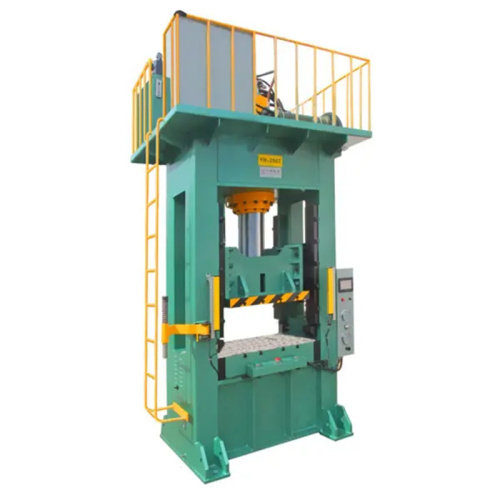
A 40-ton press can make heavy forming, bending, straightening, and pressing tasks easier to manage. The key is not only the force rating. The frame, hydraulic system, work table, controls, and safety setup all affect daily use.
When I choose a press for a workshop, I look at the actual job before looking at the number on the label. A 40T press may suit many repair and fabrication tasks, yet it still needs the right tooling and working range.
A hydraulic press uses fluid pressure to apply force through a ram. The operator controls the movement with a lever, hand pump, or powered hydraulic unit, depending on the model. This setup can reduce the physical effort needed for tasks such as:
The 40-ton capacity gives the press a strong working range for many garage, maintenance, and small fabrication jobs. It does not mean that every material or part can be pressed safely. The material type, thickness, shape, tooling, and contact area all affect the force needed.
I also check how the press reaches its rated force. A powered hydraulic unit can help when the press is used often. A manual system may suit lighter workloads where the operator wants more control over ram movement. A pressure gauge gives useful feedback, but the reading should match the manufacturer’s specifications.
The working space matters just as much as the force. A height-adjustable table allows me to position different parts with less setup time. Enough throat depth gives the part room to sit in the correct position. Strong plates and properly fitted accessories help keep the load aligned.
For example, a small repair shop may use a 40T press to remove a seized bearing from a steel housing. The operator places the housing on suitable supports, aligns the pressing tool with the bearing, checks that the load path is stable, and applies pressure gradually. The press provides the force, while correct alignment prevents unnecessary stress on the part and equipment.
Safe operation needs a clear process:
A 40T press is not a replacement for proper planning. More force does not solve poor alignment, weak supports, or unsuitable tooling. I prefer to treat the capacity as a working limit, not a target that must be reached during every job.
The best result comes from matching the press to the task. Check the material, part size, required stroke, table height, control method, and available accessories. With the right setup, a 40T hydraulic press can reduce manual strain and give a workshop more control over demanding repair and forming work.
For any inquiries regarding the content of this article, please contact Hu: dgliheng168@163.com/WhatsApp +8613509684273.
Robert L Mott 2021 Hydraulic Machinery Principles and Applications
John R Walker 2020 Practical Guide to Hydraulic Press Operation
Michael T Smith 2019 Metal Forming and Press Work for Small Workshops
David P Anderson 2022 Safe Use of Workshop Presses and Industrial Tooling
Thomas E Miller 2020 Maintenance Procedures for Hydraulic Equipment
William H Carter 2023 Press Fit Assembly Bearing Removal and Component Straightening
Boost performance and maximize productivity with advanced 40T technology. Engineered to deliver higher output, improved efficiency, and consistent, reliable results, this powerful solution helps bu
Tired of inefficient cutting machines that slow production, increase material waste, and deliver inconsistent results? Upgrade to a faster, more precise, and reliable cutting solution built to stre
The 40T Hydraulic Press is engineered to deliver dependable power and precision for demanding industrial applications. With a 40-ton pressing capacity, it handles pressing, bending, forming, straig
The secret to faster edge cutting lies in combining the right tools with optimized techniques and precise control. Selecting efficient equipment, reducing friction, and maintaining a smooth workflo
Email to this supplier

September 15, 2026
September 14, 2026
Contact

Send Inquiry
PRODUCT CATEGORIES
Privacy statement: Your privacy is very important to Us. Our company promises not to disclose your personal information to any external company with out your explicit permission.
Fill in more information so that we can get in touch with you faster
Privacy statement: Your privacy is very important to Us. Our company promises not to disclose your personal information to any external company with out your explicit permission.