

Send Message
Privacy statement: Your privacy is very important to Us. Our company promises not to disclose your personal information to any external company with out your explicit permission.

Boost performance and maximize productivity with advanced 40T technology. Engineered to deliver higher output, improved efficiency, and consistent, reliable results, this powerful solution helps businesses streamline operations, reduce downtime, and achieve more with every cycle. Whether you are upgrading existing equipment or expanding production capacity, 40T technology provides the strength, precision, and dependable performance needed to stay competitive and drive long-term growth.

When production slows down, the cause is not always a lack of staff. A machine may need too many passes, operators may spend time adjusting settings, and small errors can lead to material waste. A 40T system can help businesses handle heavier work with a more stable process, as long as the rated capacity matches the job.
I look at 40T technology as a production tool, not a number used for promotion. The rating should connect to the material, product size, working cycle, and safety setup. A suitable system can support a smoother workflow without forcing operators to work beyond the machine’s design.
In many industrial machines, “40T” refers to a rated force of 40 tons. The exact meaning depends on the equipment type and supplier specifications.
For a hydraulic press, the force may support tasks such as:
The rating does not mean every material can be processed at the same speed. Steel thickness, part shape, tooling, stroke length, and pressure settings all affect the result.
I recommend checking the technical sheet before making a purchase. Look for rated force, working area, stroke, motor power, cycle time, control method, and permitted materials.
A properly selected 40T machine can reduce the need for repeated manual force. Operators can place the material, set the working parameters, and repeat the same process with less variation between parts.
This may help a workshop in several areas:
More consistent processing
Manual pressing can produce different results from one operator to another. A controlled system can apply a more stable force when the same settings and tooling are used.
Less physical strain
Heavy pressing work can place stress on the hands, shoulders, and back. A powered machine can take over the main force while the operator focuses on positioning and inspection.
Support for small-batch production
A 40T machine may suit workshops that need more capacity than a bench tool but do not require a large industrial line. It can be used for repair work, fabrication, maintenance, and selected forming tasks.
Simpler process planning
When the machine’s force and working range are clear, I can plan the job with fewer guesses. The operator can estimate whether a part needs one press cycle, several stages, or a different machine.
Imagine a metal repair shop producing mounting brackets for agricultural equipment. The team previously used a hand-operated tool for light bends. Thicker brackets required extra effort and repeated adjustments, which slowed the work and caused variation in the bend angle.
After testing the material and selecting suitable dies, the shop used a 40T press for the heavier brackets. The operator still checked each part, but the pressing stage became easier to repeat. The result was not automatic productivity growth. The improvement came from matching the machine to the material, preparing the tooling, and using a clear inspection method.
This example shows why capacity alone does not solve every production problem. A machine needs the right setup around it.
Check the material
Record the material type, thickness, size, and shape. A machine may handle one steel part well but perform differently with stainless steel, aluminum, rubber, or composite materials.
Choose suitable tooling
Dies, plates, punches, and supports should match the job. Poor tooling can create uneven pressure, surface damage, or part movement.
Set a repeatable process
Use the same loading position, pressure range, stroke setting, and release method for each batch. Written process notes can help new operators follow the same method.
Inspect the first pieces
Measure the first few parts before continuing. Check dimensions, bend angle, surface condition, and signs of cracking or deformation.
Track cycle time and material waste
A simple record can show whether the machine is helping the workflow. Compare setup time, processing time, rework, and rejected parts instead of looking only at the force rating.
Train operators on safe use
Operators should understand the control panel, emergency stop, guarding, load limits, and correct material placement. The machine should never be used beyond the supplier’s stated range.
A 40T label does not provide enough information by itself. I would ask the supplier for:
Ask for test data related to your own material when possible. A demonstration using a different part may not reflect your production needs.
Output is more than the number of parts made in one hour. I measure useful output by looking at completed parts that meet the required standard. A faster cycle means little if it creates more rework or increases operator risk.
A 40T system can be a sensible option for workshops that need controlled force, repeatable pressing, and support for heavier tasks. The best result comes from matching the machine to the job, setting up the tooling correctly, and monitoring the process after installation.

Heavy-duty jobs often lose time in small ways: a machine waits for the next load, an operator adjusts to uneven output, or routine service takes longer than planned. A 40T machine is expected to carry a serious workload while staying practical for daily use.
I look for three things when choosing equipment for demanding work: load capability, steady operation, and easy maintenance. A 40T-rated solution can support material handling, construction, quarry, and industrial transport tasks when the machine matches the site conditions and operating plan.
A well-planned setup helps the team get more done during each work cycle.
Handle demanding loads with a clear operating plan
Check the rated capacity, load size, ground conditions, and travel distance before work begins. Capacity should match the full operating setup, not just the weight of one item. This helps reduce unnecessary trips and supports safer task planning.
Keep daily work moving at a steady pace
Consistent performance matters when a machine works across long shifts. Smooth controls, suitable power output, and a layout that supports operator visibility can help reduce pauses between loading, transport, and unloading.
Make maintenance easier to manage
Regular checks remain part of heavy equipment ownership. Operators can inspect fluid levels, tires or tracks, brakes, lights, attachment points, and warning systems before use. Service access also affects how quickly a team can complete routine work.
Match the machine to the job site
A 40T rating does not mean every site needs the same configuration. A paved industrial yard, a construction area, and a quarry may require different tires, attachments, clearance, or control settings. Reviewing the site before purchase helps avoid paying for features that the team will not use.
For example, a construction crew moving large loads across a compact site may benefit from fewer transport cycles. The gain comes from planning the route, checking the load, and using the machine within its rated limits. A quarry team may focus more on ground clearance, traction, service access, and protection from dust.
I also pay attention to operator comfort. Long hours behind the controls can affect focus and work quality. A clear display, accessible controls, good visibility, and a seat suited to the shift can make daily operation less tiring. These details may not appear in the capacity figure, yet they influence how the machine performs across a full workday.
Before selecting a 40T solution, I suggest checking:
A 40T machine can support higher-volume work, but the result depends on the complete setup. Load planning, skilled operation, scheduled service, and a suitable site configuration all shape daily output.
The practical choice is not always the machine with the largest number. It is the one that fits the load, route, ground, work rhythm, and maintenance plan. With the right match, 40T performance can help teams reduce repeated trips, organize work more smoothly, and make better use of each operating cycle.

When my workday is filled with large files, browser tabs, data tools, and video meetings, small delays can break my focus. A slow system forces me to wait, repeat tasks, and switch between apps more often than I need to.
40T technology is designed for users who want more room for demanding digital work. The name alone does not explain every product feature, so I look at what the 40T rating measures, how the hardware handles daily tasks, and whether the system fits my actual workflow.
A 40T system may be built for workloads that need strong processing power, fast data movement, or support for advanced software. The exact benefits depend on the product design and the meaning of the 40T specification.
For my daily work, I may use it to:
These tasks do not all need the same type of performance. A processor may affect calculations and software response. Memory helps when many programs stay open. Storage affects file access and system loading. A graphics unit can matter more for video, design, and visual workloads.
A 40T label becomes more useful when I connect it with these practical details.
Before choosing a new system, I check where my current setup slows down.
If applications freeze when I open several files, memory may be the issue. If large projects take a long time to load, storage speed may need attention. If video previews stutter, graphics performance may be more relevant. If calculations take too long, processing power may have a greater effect.
This simple check prevents me from choosing a product based on a number without knowing what the number can do for me.
I might begin the morning with a video meeting, a customer database, and a large spreadsheet. During the meeting, I open a design file and export a short product video. My browser stays open with research pages, email, and project notes.
On a system with limited resources, each task can affect the others. The meeting may become less stable, the export may take longer, and switching between windows may feel slow.
A system built around 40T technology may provide more capacity for this type of workload, depending on its processor, memory, storage, cooling, and software support. I still check the full specifications before deciding. The 40T figure is one part of the system, not a complete measure of user experience.
1. I check the meaning of 40T
The term can describe different technical measurements across products. I look for the official specification, unit, test method, and supported workload.
A clear product page should explain whether 40T refers to processing capacity, model performance, throughput, or another measurement.
2. I match the system with my software
Some applications benefit from more processing power. Others need extra memory or graphics support. I review the recommended requirements for the software I use instead of relying on a single performance label.
3. I review memory and storage
A powerful chip may not feel useful if the system has limited memory or slow storage. I check how much space I need for current files, project archives, media, and future work.
4. I consider heat and power use
Demanding work creates more heat. Cooling design, fan noise, battery capacity, and power settings can shape the experience during long sessions.
5. I look at upgrade and support options
A product may stay useful longer when it supports system updates, reliable drivers, service access, or selected upgrades. These details matter when I plan to use the device for several years.
Technology can remove some delays, but it does not replace a clear work process.
I keep active projects in organized folders. I close tools that I do not need. I use templates for repeated tasks and set file naming rules that make documents easier to find. When a project includes large media files, I separate current work from archived material.
These habits help me use the available performance with less friction. A stronger system works best when the workflow is also simple.
I use these questions when comparing products that mention 40T technology:
The answers help me separate useful performance from a label that may not match my needs.
40T technology may support a more demanding productivity setup, but its value depends on the complete system and the work I plan to do. A data analyst, video editor, designer, developer, and office user may judge the same product in different ways.
I focus on the tasks that slow me down, compare the full specifications, and check whether the product matches my software and work habits. That approach makes the choice more useful than selecting a device based on a single number.
Contact us today to learn more Hu: dgliheng168@163.com/WhatsApp +8613509684273.
Robert L Norton, 2020, Machine Design and Industrial Force Applications
John S Chern, 2019, Hydraulic Press Systems and Metal Forming Processes
Michael J Neale, 2021, Workshop Equipment Selection and Production Efficiency
David A Huggins, 2022, Heavy Equipment Capacity and Operational Planning
Laura M Bennett, 2023, Computer Performance for Demanding Digital Workflows
Thomas R Keller, 2021, Industrial Technology Evaluation and Productivity Management
Tired of inefficient cutting machines that slow production, increase material waste, and deliver inconsistent results? Upgrade to a faster, more precise, and reliable cutting solution built to stre
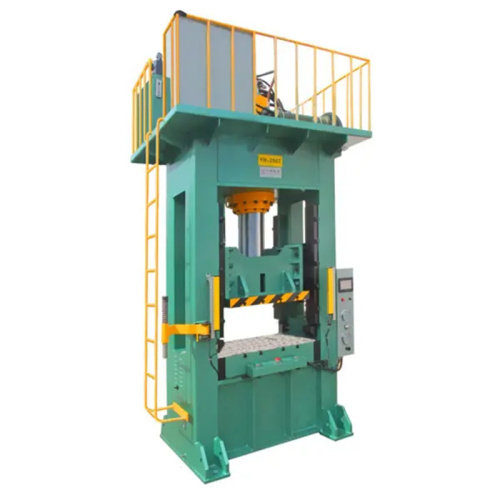
The 40T Hydraulic Press is engineered to deliver dependable power and precision for demanding industrial applications. With a 40-ton pressing capacity, it handles pressing, bending, forming, straig
The secret to faster edge cutting lies in combining the right tools with optimized techniques and precise control. Selecting efficient equipment, reducing friction, and maintaining a smooth workflo
Save valuable time every day with the powerful 40T Press, engineered for reliable performance and efficient operation. Its robust design helps streamline pressing tasks, reduce downtime, and improv
Email to this supplier

September 14, 2026

September 13, 2026
Contact

Send Inquiry
PRODUCT CATEGORIES
Privacy statement: Your privacy is very important to Us. Our company promises not to disclose your personal information to any external company with out your explicit permission.
Fill in more information so that we can get in touch with you faster
Privacy statement: Your privacy is very important to Us. Our company promises not to disclose your personal information to any external company with out your explicit permission.