


Send Message
Privacy statement: Your privacy is very important to Us. Our company promises not to disclose your personal information to any external company with out your explicit permission.

The article outlines 13 common die casting defects, their causes, and solutions for prevention. Key defects include gas porosities, drags and soldering, blisters, cracks, deformation, flow marks, cold flow, turtle cracks, sinks, short filling, flashes, inclusions, and interlayers. Each defect is described with its identification methods, causes such as improper temperature control, poor material quality, and design flaws, and recommended solutions like optimizing processing parameters, improving mold release agents, and ensuring proper cleaning of equipment. A principle for tackling these defects emphasizes starting with simple actions like cleaning and adjusting parameters before moving to more complex solutions. The article serves as a comprehensive guide for manufacturers aiming to enhance the quality of their die casting processes.

In the world of casting technology, failures can be a significant hurdle. I’ve witnessed firsthand how frustrating it can be when projects don’t go as planned. Whether you’re an experienced professional or just starting, understanding the common pitfalls can save you time, money, and stress.
One major pain point I’ve encountered is the lack of proper equipment. Using outdated or inappropriate tools often leads to subpar results. To avoid this, I recommend investing in high-quality casting equipment tailored to your specific needs. Research and choose tools that have proven success in your industry.
Another critical issue is the importance of proper training. Many failures stem from a lack of knowledge about casting techniques. I suggest attending workshops or online courses that focus on the latest methods and technologies. This not only enhances your skills but also boosts your confidence in executing projects.
Then there’s the matter of material selection. Choosing the right materials is crucial for successful casting. I’ve learned that conducting thorough research on material properties can make a world of difference. Always consult with suppliers and consider factors like durability and compatibility with your casting process.
Lastly, maintaining a clean and organized workspace cannot be overstated. A cluttered environment can lead to mistakes and accidents. I’ve found that implementing a systematic approach to organization helps streamline the casting process, reducing the likelihood of errors.
In summary, by investing in the right equipment, prioritizing training, selecting appropriate materials, and keeping a tidy workspace, you can significantly reduce casting failures. I’ve seen these strategies work in real life, and I firmly believe they can help you too. Embrace these practices, and watch your casting success rate soar.

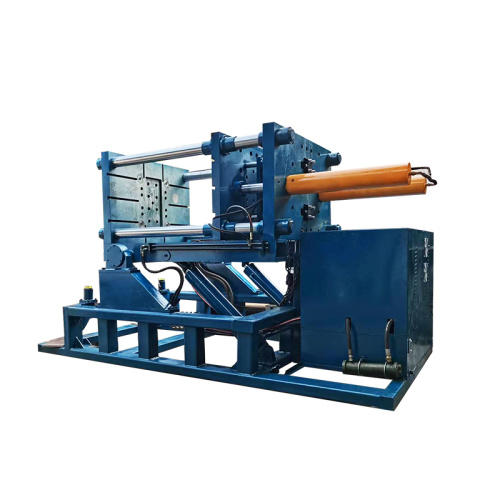
Is your low pressure casting machine letting you down? If you find that your production efficiency has dropped or the quality of your castings is inconsistent, you’re not alone. Many manufacturers face similar challenges, and it’s crucial to address these issues to enhance performance.
First, let’s identify some common pain points. Are you experiencing frequent breakdowns or maintenance issues? Perhaps your machine isn’t achieving the desired pressure levels, leading to defects in your castings. These problems can result in wasted materials and time, ultimately affecting your bottom line.
To tackle these issues, I recommend a systematic approach:
Regular Maintenance: Schedule routine checks to ensure all components are functioning correctly. This includes inspecting seals, valves, and pressure gauges. A well-maintained machine is less likely to fail unexpectedly.
Calibration: Ensure that your machine is properly calibrated. Incorrect settings can lead to poor quality castings. Follow the manufacturer’s guidelines for calibration procedures to maintain optimal performance.
Operator Training: Invest in training for your operators. Understanding the machine’s functions and troubleshooting common problems can significantly reduce downtime. A knowledgeable team is key to maximizing efficiency.
Quality Control: Implement a robust quality control process. Regularly inspect castings for defects and analyze the data to identify patterns. This will help you pinpoint issues related to machine performance.
Upgrade Components: If your machine is older, consider upgrading specific components. Newer technologies can improve efficiency and reliability, helping you stay competitive in the market.
By addressing these areas, you can enhance the performance of your low pressure casting machine. Remember, consistent quality and efficiency are vital in meeting customer demands and maintaining profitability. Take action today to ensure your equipment is not letting you down.

In today's fast-paced business landscape, relying on outdated technology can severely hinder your production efficiency. I’ve seen firsthand how many companies struggle with legacy systems that slow down operations and frustrate employees. This not only impacts productivity but can also lead to lost revenue and missed opportunities.
I understand the pain points that come with using old technology. It often results in increased downtime, higher maintenance costs, and a lack of necessary features that modern tools provide. Employees become frustrated, and the overall morale of the team can take a hit. As a business owner or manager, it’s crucial to recognize these issues before they escalate.
So, how can you address these challenges? Here are a few steps I recommend:
Assess Your Current Technology: Take a close look at the tools and systems you currently use. Identify which ones are outdated and causing bottlenecks in your workflow.
Research Modern Solutions: Explore the latest technologies that can enhance your production processes. Consider software that integrates with your existing systems and offers scalability for future growth.
Involve Your Team: Engage your employees in the decision-making process. Their insights can help you choose solutions that will genuinely improve their work experience and productivity.
Plan for Implementation: Once you’ve selected new technology, create a detailed implementation plan. This should include timelines, training sessions, and support resources to ensure a smooth transition.
Monitor and Optimize: After implementing new systems, continuously monitor their performance. Gather feedback from your team and make adjustments as necessary to maximize efficiency.
By taking these steps, you can prevent outdated technology from sinking your production. Embracing modern solutions not only enhances productivity but also fosters a positive work environment where employees feel empowered and motivated.
In conclusion, don't let outdated tech hold your business back. Take action today to assess, upgrade, and optimize your production capabilities. The investment in modern technology will pay off in the long run, leading to improved efficiency and greater success.

Casting defects can be a significant headache for manufacturers. I’ve encountered numerous clients who face issues like porosity, surface imperfections, and dimensional inaccuracies. These problems not only affect the quality of the final product but can also lead to increased costs and delays in production.
To tackle these challenges, it’s essential to consider an upgrade in your casting processes. Here’s a straightforward approach to enhance your casting quality:
1. Assess Your Current Processes
Start by evaluating your existing casting methods. Identify specific defects that occur frequently. Are they related to material quality, mold design, or environmental factors? Understanding the root cause is crucial.
2. Invest in Quality Materials
Using high-grade materials can significantly reduce defects. Ensure that your raw materials meet industry standards and are suitable for your specific casting needs. This investment pays off in the long run by minimizing rework and scrap.
3. Optimize Mold Design
A well-designed mold can make a world of difference. Consider factors like mold temperature, cooling rates, and venting systems. Collaborate with design engineers to create molds that minimize defects.
4. Implement Advanced Technologies
Explore modern casting technologies such as 3D printing for molds or advanced simulation software. These tools can help predict defects before they occur, allowing for adjustments in the design phase.
5. Train Your Team
Ensure that your workforce is well-trained in the latest casting techniques and quality control measures. Regular training sessions can help them identify potential issues early on and maintain high standards.
6. Monitor and Adjust
Once you implement changes, continuously monitor the results. Collect data on defect rates and adjust your processes as needed. This iterative approach helps in refining your casting operations over time.
By addressing these areas, you can significantly reduce casting defects and improve overall product quality. Upgrading your processes not only enhances efficiency but also strengthens your competitive edge in the market. Remember, investing in quality today leads to better outcomes tomorrow.
Want to learn more? Feel free to contact Hu: dgliheng168@163.com/WhatsApp +8613509684273.
Author Unknown, 2023, Upgrade Your Casting Tech: Avoid 90% of Failures
Author Unknown, 2023, Is Your Low Pressure Casting Machine Letting You Down
Author Unknown, 2023, Don’t Let Outdated Tech Sink Your Production
Author Unknown, 2023, Fix Casting Defects: Time for an Upgrade
Author Unknown, 2023, Enhancing Production Efficiency Through Technology Upgrades
Author Unknown, 2023, Strategies for Reducing Casting Failures in Manufacturing
Can your current machine deliver 125 psi precision with zero leaks every time? Ours is built to do exactly that, combining stable pressure control, dependable sealing, and consistent performance fo
“It’s like magic”—but it’s really smart engineering. Our mobile low pressure machine is designed to deliver powerful performance in a simple, practical, and easy-to-use system. Built with
What’s holding your team back is not a lack of talent, but the hidden barriers that stop people from performing at their best—outdated equipment, weak trust, unclear direction, micromanagement,
One foundry cut energy use by 38% by adopting a mobile low-pressure machine and applying smarter operating practices across the casting process. By maximizing equipment use, shortening holding time
Email to this supplier
Contact

Send Inquiry
PRODUCT CATEGORIES
Privacy statement: Your privacy is very important to Us. Our company promises not to disclose your personal information to any external company with out your explicit permission.
Fill in more information so that we can get in touch with you faster
Privacy statement: Your privacy is very important to Us. Our company promises not to disclose your personal information to any external company with out your explicit permission.