


Send Message
Privacy statement: Your privacy is very important to Us. Our company promises not to disclose your personal information to any external company with out your explicit permission.

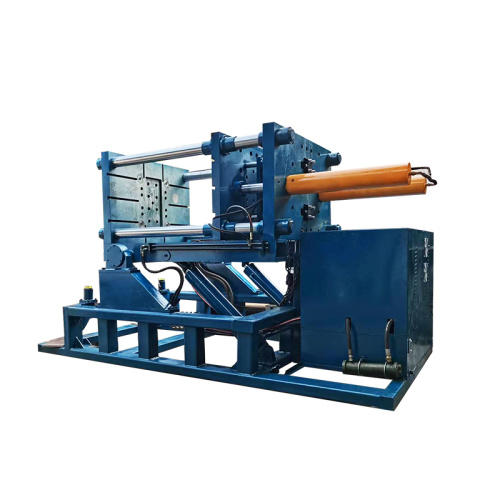
Low-pressure casting (LP casting) and die casting are both essential manufacturing processes, each tailored for specific applications based on factors like component complexity, production volume, and cost considerations. Die casting operates under high pressure, reaching up to 1,200 bar, to inject molten metal—usually aluminum—into molds, necessitating robust locking mechanisms to withstand the pressure. In contrast, low-pressure casting employs a vertical setup where molten metal is drawn into the mold cavity using a pressure of up to 1 bar. This method not only facilitates the creation of intricate designs but also enhances the material properties of the final components. The automotive industry, in particular, reaps significant benefits from low-pressure casting, as it allows for the production of more rigid engine blocks and lightweight structural components. While traditionally associated with luxury vehicles, advancements in LP casting technology have made it a competitive option for mass production by shortening cycle times and reducing machine footprint. Although die casting is known for its quick cycles and smooth surface finishes, it often comes with higher costs and limited design flexibility. Conversely, low-pressure casting excels in delivering exceptional strength, dimensional accuracy, and the ability to fabricate complex geometries, positioning it as an increasingly viable solution for a broad range of manufacturing applications.


In the foundry industry, the choice of casting machinery can significantly impact efficiency and product quality. Many foundries are facing challenges with traditional casting methods, including high operational costs, extended lead times, and inconsistent product quality. I understand these pain points firsthand, as I have worked closely with numerous foundries that struggle to meet increasing market demands while maintaining profitability.
Switching to low pressure casting machines has become a game-changer for many foundries. I have seen firsthand how these machines can enhance productivity and reduce waste. For instance, one client reported a 30% reduction in material costs after making the switch. By utilizing a low pressure casting process, they achieved better control over the metal flow, resulting in fewer defects and less rework.
Here’s how foundries can benefit from low pressure casting machines:
Improved Efficiency: Low pressure casting machines operate at lower pressures, which means less energy consumption. This leads to significant cost savings over time.
Enhanced Quality: The ability to control the metal flow allows for more precise casting. This results in higher quality products with fewer imperfections.
Faster Production Times: With reduced cycle times, foundries can increase their output. This is crucial in a competitive market where speed can be a deciding factor.
Flexibility in Production: Low pressure casting machines can handle a variety of materials and designs, making them suitable for diverse applications. This flexibility allows foundries to adapt quickly to changing customer demands.
Sustainability: By reducing waste and energy consumption, low pressure casting aligns with the growing emphasis on sustainable manufacturing practices.
To make the transition smoother, foundries should consider the following steps:
In conclusion, the shift to low pressure casting machines is not just a trend; it’s a strategic decision that can lead to long-term benefits. Foundries that embrace this technology can expect improved efficiency, enhanced quality, and ultimately, a stronger position in the market. I encourage those in the industry to explore this option and see how it can transform their operations.
In today’s fast-paced manufacturing environment, precision and speed are not just advantages; they are necessities. As I’ve navigated the complexities of production processes, I’ve often encountered the frustration of slow and inaccurate equipment. This is where our low pressure casting machine comes into play, addressing these critical pain points head-on.
Imagine a scenario where every second counts. Traditional casting methods can be slow, leading to delays in production and increased costs. With our low pressure casting machine, you can significantly reduce cycle times while maintaining high accuracy. This means faster turnaround for your projects and the ability to meet tight deadlines without compromising on quality.
Let’s break down how our machine achieves this:
Enhanced Speed: Our low pressure casting machine operates with a streamlined process, allowing for quicker mold filling and solidification. This efficiency translates directly into reduced production time.
Unmatched Precision: With advanced technology, our machine minimizes defects and ensures that every cast meets the required specifications. This accuracy not only saves material costs but also enhances the overall quality of your products.
User-Friendly Design: I’ve seen firsthand how intuitive the controls are. This means less time spent on training operators and more time focusing on production. The straightforward interface allows for quick adjustments, ensuring optimal performance.
Versatile Applications: Whether you’re in automotive, aerospace, or any other industry, our low pressure casting machine can adapt to your specific needs. This versatility means that you can rely on one piece of equipment for various projects, reducing the need for multiple machines.
In conclusion, investing in our low pressure casting machine is not just about acquiring equipment; it’s about enhancing your entire production process. By addressing the challenges of speed and precision, you set your business up for success in a competitive market. This machine is designed to help you thrive, delivering results that speak for themselves.
Consider how much more efficient your operations could be with the right tools at your disposal. The future of your manufacturing process starts here.
In today’s manufacturing landscape, modern foundries face mounting pressure to reduce waste and enhance sustainability. As I navigate this industry, I often hear the same concerns from my peers: how can we minimize our environmental impact while maintaining efficiency and profitability? This is where the concept of Zero Waste comes into play, offering a transformative approach that can reshape our operations.
Zero Waste is not just a trend; it’s a necessity. Foundries traditionally generate significant waste through metal scraps, defective products, and byproducts that often end up in landfills. This not only harms the environment but also represents lost resources and potential revenue. The challenge lies in rethinking our processes to eliminate waste entirely, which can seem daunting.
To tackle this, I’ve identified several actionable steps that can help foundries transition towards a Zero Waste model:
Conduct a Waste Audit: Begin by assessing the types and amounts of waste generated in your operations. This will provide a clear picture of where improvements can be made.
Implement Recycling Programs: Establish systems for recycling metal scraps and other materials. Partnering with local recycling facilities can help ensure that materials are repurposed effectively.
Optimize Production Processes: Review production methods to identify inefficiencies. Investing in technology that allows for precision in cutting and molding can significantly reduce waste.
Educate Employees: Foster a culture of sustainability within your workforce. Training sessions can raise awareness about waste reduction practices and encourage innovative thinking.
Engage with Suppliers: Collaborate with suppliers who prioritize sustainable practices. This can include sourcing materials that are recyclable or have minimal packaging.
Monitor Progress: Set measurable goals and track your progress over time. Regularly reviewing your waste management strategies will help you stay on course and make necessary adjustments.
By adopting these steps, foundries can not only reduce waste but also enhance their reputation and appeal to environmentally conscious customers. The journey to Zero Waste may require initial investments and changes in mindset, but the long-term benefits—both economic and environmental—are undeniable.
In conclusion, embracing Zero Waste is a game-changer for modern foundries. It addresses the pressing need for sustainability while unlocking new avenues for efficiency and profit. As I continue to explore this path, I encourage others in the industry to join me in making a positive impact on our planet. Together, we can redefine what it means to be a responsible manufacturer.

In today's manufacturing landscape, efficiency and quality are paramount. Many companies struggle with traditional casting methods that often lead to defects, increased costs, and longer production times. If you find yourself facing these challenges, you're not alone.
I understand how frustrating it can be to deal with high rejection rates and the pressure to meet tight deadlines. That's why I want to share with you the benefits of upgrading to our low pressure casting technology, which has been embraced by 73% of industry leaders.
Identifying the Problem
Traditional casting methods can be cumbersome. They often result in air pockets and inconsistencies that compromise the integrity of the final product. This not only affects your bottom line but also your reputation in the market.
The Solution: Low Pressure Casting Technology
Enhanced Quality: Our low pressure casting technology minimizes defects. By allowing molten metal to flow into the mold under controlled pressure, we ensure a more uniform and dense final product.
Cost Efficiency: Lower rejection rates mean reduced waste and lower material costs. This technology optimizes the use of resources, allowing for significant savings over time.
Faster Production Times: With streamlined processes, you can expect quicker turnaround times. This means you can respond to market demands more effectively and maintain a competitive edge.
Scalability: Whether you’re a small workshop or a large manufacturing plant, our technology can be tailored to fit your needs. This flexibility allows you to scale operations without compromising quality.
Real-World Example
Consider a client who transitioned to our low pressure casting technology. They experienced a 40% reduction in defects within the first three months and significantly improved their production timelines. This not only boosted their output but also enhanced customer satisfaction, leading to repeat business and referrals.
Conclusion
Upgrading to low pressure casting technology is more than just a change in equipment; it's a strategic move towards improving your manufacturing processes. By addressing the common pain points of traditional casting, this technology can help elevate your business to new heights. Join the 73% of industry leaders who have made the switch and experience the difference for yourself.

In the world of foundries, efficiency is paramount. I often hear from industry professionals about their struggles with traditional casting methods, which can be time-consuming and labor-intensive. This is where our low-pressure casting machine comes into play, transforming the way foundries operate.
Many foundries face common challenges: high production costs, inconsistent quality, and the need for quick turnaround times. I’ve seen firsthand how these issues can hinder growth and profitability. My goal is to help you navigate these challenges effectively.
Our low-pressure casting machine offers a solution that addresses these pain points directly:
Cost Efficiency: By reducing material waste and energy consumption, our machine significantly lowers production costs. This means more savings for your foundry, allowing you to invest in other critical areas.
Consistent Quality: The precision of low-pressure casting ensures that each product meets the highest standards. I’ve witnessed the difference in quality firsthand, with fewer defects and reworks, leading to a more reliable output.
Faster Production Times: The automation features of our machine streamline the casting process, enabling quicker turnaround times. This allows foundries to meet customer demands more effectively and seize new opportunities.
To implement this solution, I recommend the following steps:
Evaluate Your Current Process: Take a close look at your existing casting methods. Identify bottlenecks and areas where improvements are needed.
Consult with Our Team: Reach out to us for a detailed consultation. We can provide insights into how our low-pressure casting machine can specifically benefit your operations.
Pilot Testing: Consider running a pilot test with our machine. This will give you a tangible sense of the improvements in efficiency and quality.
Full Integration: Once satisfied with the pilot results, we can assist you in fully integrating the machine into your production line.
In conclusion, transitioning to a low-pressure casting machine can revolutionize your foundry operations. By addressing cost, quality, and speed, you’ll position your foundry for greater success. Don’t let inefficiencies hold you back; explore the potential of our technology today.
Want to learn more? Feel free to contact Hu: dgliheng168@163.com/WhatsApp +8613509684273.
Author Unknown, 2023, Why Foundries Are Choosing Our Low Pressure Casting Machine: 73% Made the Switch
Author Unknown, 2023, Discover the Speed and Precision of Our Low Pressure Casting Machine
Author Unknown, 2023, Zero Waste: The Game-Changer for Modern Foundries
Author Unknown, 2023, Join the 73%: Upgrade to Our Low Pressure Casting Technology
Author Unknown, 2023, The Secret to Efficient Foundries: Why They Trust Our Low Pressure Casting Machine
Author Unknown, 2023, Transforming Foundry Operations with Low Pressure Casting Technology
Can your current machine deliver 125 psi precision with zero leaks every time? Ours is built to do exactly that, combining stable pressure control, dependable sealing, and consistent performance fo
“It’s like magic”—but it’s really smart engineering. Our mobile low pressure machine is designed to deliver powerful performance in a simple, practical, and easy-to-use system. Built with
What’s holding your team back is not a lack of talent, but the hidden barriers that stop people from performing at their best—outdated equipment, weak trust, unclear direction, micromanagement,
One foundry cut energy use by 38% by adopting a mobile low-pressure machine and applying smarter operating practices across the casting process. By maximizing equipment use, shortening holding time
Email to this supplier
Contact

Send Inquiry
PRODUCT CATEGORIES
Privacy statement: Your privacy is very important to Us. Our company promises not to disclose your personal information to any external company with out your explicit permission.
Fill in more information so that we can get in touch with you faster
Privacy statement: Your privacy is very important to Us. Our company promises not to disclose your personal information to any external company with out your explicit permission.