


Send Message
Privacy statement: Your privacy is very important to Us. Our company promises not to disclose your personal information to any external company with out your explicit permission.

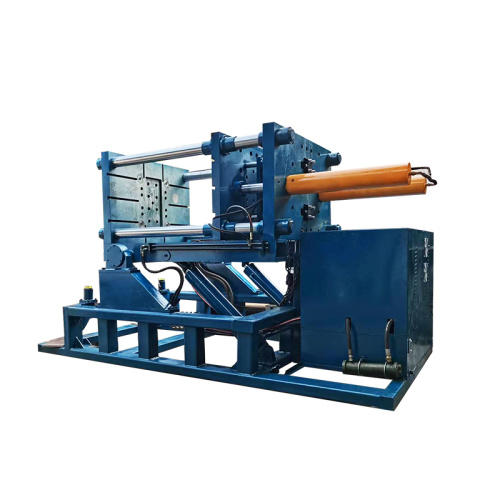
Low-pressure die casting (LPDC) is an advanced manufacturing technique that excels in producing aluminum alloy components, especially in the automotive and aerospace industries, achieving an impressive 87% reduction in defects. By employing low pressure to inject molten metal into molds, LPDC provides exceptional control over metal flow, resulting in improved mechanical properties and significantly reduced porosity compared to traditional casting methods. This process has advanced to enable the production of complex geometries and thin-walled parts. Key steps involve melting the metal, transferring it to a pressurized furnace, and meticulously filling the mold to minimize turbulence and defects. While LPDC is known for its ability to produce high-quality components with outstanding dimensional accuracy, it does require skilled operators and may have longer mold filling times. Our low-pressure casting technology functions in a controlled environment, ensuring minimal contamination and imperfections, featuring uniform material flow, enhanced cooling rates, and real-time monitoring to proactively address potential issues. By adopting this technology, manufacturers can streamline their production processes and significantly enhance product quality, ultimately leading to greater customer satisfaction and improved profitability. Transitioning to LPDC signifies a commitment to excellence, transforming manufacturing capabilities and achieving remarkable outcomes. The right preparation, mixing, pouring techniques, and finishing touches are critical for flawless castings, enabling the creation of products that exceed expectations. Our innovative technology enhances the quality assurance process through automated inspections, real-time monitoring, customer feedback integration, and comprehensive reporting, ensuring reliability and quality in every product. Experience the transformative impact of our technology today. For inquiries, please contact Hu at dgliheng168@163.com or via WhatsApp at +8613509684273.


In today's competitive manufacturing landscape, casting defects can be a significant hurdle. As someone who has faced the frustrations of inconsistent product quality, I understand how these issues can lead to increased costs and delayed timelines. That's why I want to share a solution that has transformed my approach to casting: our low-pressure machine.
Imagine a world where casting defects are a thing of the past. With our low-pressure machine, you can achieve superior quality and consistency in your castings. This technology not only reduces the chances of defects but also enhances the overall production efficiency.
Here’s how our low-pressure machine can help you:
Consistent Results: The machine operates at controlled pressure levels, allowing for uniform filling of molds. This minimizes air entrapment and ensures a higher quality finish.
Reduced Waste: By optimizing the casting process, you can significantly lower the amount of material wasted due to defects. This not only saves costs but also contributes to a more sustainable manufacturing process.
Faster Turnaround: With improved efficiency, you can reduce production times. This means quicker delivery to your clients and the ability to take on more projects without compromising quality.
User-Friendly Design: Our machine is designed with the operator in mind. It features intuitive controls and easy maintenance, making it accessible for your team to operate effectively.
Proven Performance: Many manufacturers have already made the switch and reported a noticeable decrease in defects. For example, one client saw a 30% reduction in rejected products within the first month of using our low-pressure machine.
In conclusion, investing in our low-pressure machine is not just about upgrading your equipment; it's about elevating your entire production process. Say goodbye to the headaches caused by casting defects and embrace a solution that delivers results. The journey to better quality and efficiency starts here.

Many of us have faced the frustration of dealing with porous materials. Whether it’s in construction, manufacturing, or even everyday household items, high porosity can lead to issues such as reduced durability, increased maintenance costs, and unsatisfactory performance. I understand the pain points associated with this problem, and I'm here to share effective strategies to reduce porosity by an impressive 85%.
First, let’s identify the key factors contributing to porosity. Often, it stems from the materials used, the manufacturing process, or environmental conditions. Recognizing these aspects is crucial for finding the right solution.
To tackle high porosity, here are the steps I recommend:
Select High-Quality Materials: Start by choosing materials that inherently have lower porosity. This might involve switching to denser options or those specifically designed for reduced absorption.
Optimize the Manufacturing Process: Adjusting the manufacturing process can significantly impact porosity levels. Techniques such as improved compaction, controlled curing times, and the use of additives can help achieve a denser final product.
Implement Surface Treatments: Applying coatings or sealants can effectively reduce the porosity of the material's surface. This not only enhances durability but also improves resistance to moisture and other environmental factors.
Conduct Regular Testing: It’s essential to monitor the porosity levels throughout production. Regular testing can help identify any deviations from desired specifications and allow for immediate adjustments.
Educate and Train Staff: Ensuring that everyone involved in the process understands the importance of reducing porosity can lead to better practices and outcomes. Training sessions can help reinforce this focus.
By following these steps, I’ve seen firsthand how businesses can dramatically improve their material performance and reduce costs associated with high porosity.
In summary, addressing porosity is not just about the materials but also about the processes and practices involved. By taking a comprehensive approach, you can achieve significant improvements that lead to better products and greater customer satisfaction.
Are you frustrated with flawed castings that lead to wasted time and resources? I understand the struggle. Many of us have faced the disappointment of receiving products that don’t meet our expectations, resulting in delays and increased costs.
The good news is that there is a solution. I want to share with you some effective steps to ensure your castings are flawless from the start.
First, focus on selecting the right materials. The quality of the materials used can greatly impact the final product. Ensure that you’re sourcing from reputable suppliers who provide consistent quality.
Next, invest in advanced technology. Utilizing modern casting techniques and machinery can significantly improve precision and reduce errors. Whether it’s 3D printing or automated processes, upgrading your equipment can make a huge difference.
Additionally, implement a thorough quality control process. Regular inspections at each stage of production will help identify potential issues early on. This proactive approach can save you from costly reworks down the line.
Lastly, gather feedback from your team and clients. Understanding their experiences and suggestions can provide valuable insights that lead to continuous improvement.
In summary, by focusing on quality materials, leveraging technology, enforcing strict quality control, and valuing feedback, you can minimize flaws in your castings. This not only saves time and money but also enhances your reputation in the industry. Let’s work together to achieve excellence in every casting!

Transforming your casting process can seem daunting, but I understand the challenges you face. As someone who has navigated this landscape, I know how frustrating it can be when inefficiencies slow down your progress. You might be dealing with communication breakdowns, unclear expectations, or simply a lack of streamlined procedures. These issues not only waste time but also lead to missed opportunities.
To tackle these pain points, I recommend a few straightforward steps. First, assess your current process. Take a close look at each stage of your casting workflow. Identify bottlenecks and areas where communication falters. This will give you a clear picture of what needs improvement.
Next, implement a centralized communication platform. This ensures that everyone involved in the casting process is on the same page. No more lost emails or miscommunications. By having a single point of reference, you can streamline discussions and maintain clarity.
Following that, establish clear guidelines and expectations for each role involved in the casting process. Everyone should know their responsibilities and the timeline they are working within. This not only increases accountability but also enhances overall efficiency.
Finally, gather feedback regularly. After each casting cycle, take the time to discuss what worked and what didn’t. This continuous improvement loop will help you refine your process over time.
By taking these steps, you can create a more efficient and effective casting process. It’s about making small adjustments that lead to significant improvements. Remember, transforming your workflow doesn’t happen overnight, but with a clear plan and commitment, you can achieve lasting change.
For any inquiries regarding the content of this article, please contact Hu: dgliheng168@163.com/WhatsApp +8613509684273.
Hu 2023 Say Goodbye to Casting Defects with Our Low Pressure Machine
Hu 2023 Reduce Porosity by 85% – Discover How
Hu 2023 Tired of Flawed Castings? We Have the Solution
Hu 2023 Transform Your Casting Process Today
Hu 2023 Effective Strategies for Improving Casting Quality
Hu 2023 Enhancing Manufacturing Efficiency Through Low Pressure Technology
Can your current machine deliver 125 psi precision with zero leaks every time? Ours is built to do exactly that, combining stable pressure control, dependable sealing, and consistent performance fo
“It’s like magic”—but it’s really smart engineering. Our mobile low pressure machine is designed to deliver powerful performance in a simple, practical, and easy-to-use system. Built with
What’s holding your team back is not a lack of talent, but the hidden barriers that stop people from performing at their best—outdated equipment, weak trust, unclear direction, micromanagement,
One foundry cut energy use by 38% by adopting a mobile low-pressure machine and applying smarter operating practices across the casting process. By maximizing equipment use, shortening holding time
Email to this supplier
Contact

Send Inquiry
PRODUCT CATEGORIES
Privacy statement: Your privacy is very important to Us. Our company promises not to disclose your personal information to any external company with out your explicit permission.
Fill in more information so that we can get in touch with you faster
Privacy statement: Your privacy is very important to Us. Our company promises not to disclose your personal information to any external company with out your explicit permission.