

Send Message
Privacy statement: Your privacy is very important to Us. Our company promises not to disclose your personal information to any external company with out your explicit permission.

Save valuable time every day with the powerful 40T Press, engineered for reliable performance and efficient operation. Its robust design helps streamline pressing tasks, reduce downtime, and improve overall productivity, making it a practical solution for demanding industrial applications. With consistent results and dependable performance, the 40T Press enables businesses to complete more work in less time while maintaining high-quality standards.


Long pressing jobs can slow down a workshop, especially when operators rely on manual tools, repeated adjustments, or equipment that does not match the task. A 40T press gives me a practical way to handle demanding forming, bending, straightening, and bearing work with steady force.
When I plan the work before pressing, I spend less time correcting setup problems. I check the material, choose suitable tooling, align the workpiece, and confirm that the press capacity fits the job. This simple routine can help reduce repeated handling and keep the work area more organized.
A 40T hydraulic press may support tasks such as:
The time saved depends on the material, tooling, operator experience, and workpiece size. A press does not remove every manual step, but it can make force-heavy work easier to control than a hand tool or improvised setup.
I also pay attention to safe operation. The frame, bed, pins, tooling, and hydraulic system should be checked before use. The workpiece needs stable support, and hands should stay away from the pressing area. Operators should follow the equipment manual and use suitable protective equipment.
For example, when a repair shop replaces several worn bushings, a 40T press can provide controlled pressure for removal and installation. The operator still needs to inspect each part and align the tooling, yet the process may involve fewer repeated adjustments than manual methods.
A better workflow often looks like this:
Choosing a 40T press is not only about force capacity. I also consider the available workspace, operating method, maintenance needs, bed design, and the type of work performed each day. A suitable press can help make workshop tasks more consistent while reducing strain on the operator.
For shops that handle regular repair or fabrication work, a 40T hydraulic press can be a useful part of the workflow. With proper setup and safe use, it may help reduce delays and make demanding pressing jobs easier to manage.

When production slows down, the problem is not always the operator or the material. A press that lacks stable force, clear controls, or a suitable work area can create delays, uneven results, and extra setup time.
A reliable 40T press gives me a practical option for jobs that need controlled pressing force without moving to a much larger machine. I can use it for tasks such as forming, bending, straightening, pressing bearings, and removing or installing fitted parts, as long as the material and tooling stay within the machine’s rated limits.
The value comes from steady daily use, not from a number on a product page.
Before I choose a 40T press, I review the work it must handle.
I check:
A 40T rating does not mean every job should run at the maximum force. The actual load depends on the material, contact area, tool shape, and pressing method. Keeping a working margin can help reduce stress on the frame, cylinder, tooling, and workpiece.
For example, a repair shop may use the press to remove a seized bearing from a steel housing. The shop still needs to check the bearing diameter, support points, shaft condition, and alignment before applying force. The press supplies the pressure, but correct setup controls the quality of the result.
I get better output when each job follows the same basic process.
Inspect the workpiece
I look for cracks, burrs, uneven surfaces, and damaged edges. A workpiece with hidden damage may shift under pressure.
Select the correct tooling
The tool should fit the job and sit squarely against the workpiece. Improvised blocks or poorly matched accessories can increase the risk of slipping.
Center the load
I place the workpiece under the ram and keep the force path as straight as possible. Off-center loading may affect the frame, tooling, and final result.
Set the working height
I adjust the table or support position before pressing. A shorter, controlled stroke is often easier to manage than using excess movement.
Apply force gradually
I watch the workpiece, tooling, and gauge while pressure rises. If the material moves in an unexpected way, I stop and review the setup.
Release pressure with control
I lower pressure smoothly and remove the workpiece only after the load has been released.
This routine helps reduce repeated setup mistakes. It also makes it easier to train new operators because the work can be explained through clear steps.
A 40T press can fit well in a maintenance area, fabrication shop, automotive service bay, or small production line. Its usefulness depends on the range of work, the available tooling, and how often the machine is needed.
A maintenance team may use it for:
A fabrication team may use it for repeat jobs that need the same force and setup. In that case, I can mark common table positions, prepare standard tooling, and record suitable pressure settings for approved materials. These small process controls can reduce setup variation without making the workflow difficult.
A press should be inspected as part of normal shop work. I check the hydraulic system for leaks, review hoses and fittings, inspect the ram and frame, and keep the working surface free from loose debris.
I also pay attention to changes in operation:
These signs do not always identify the exact fault, so I stop the machine and follow the service instructions before continuing. Repairs should be handled by a qualified technician when the issue involves the hydraulic circuit, structural parts, or safety controls.
Safe operation starts with the setup. I use suitable eye protection, keep hands away from the pressing area, and make sure the workpiece is supported on stable surfaces. Other people should stay clear of the load path.
The machine should be installed on a firm, level base with enough space for loading, unloading, inspection, and maintenance. The operator should be able to read the controls and gauge without reaching across the workpiece.
I do not use a press for a job when the material, tooling, or machine condition is uncertain. A controlled stop is better than forcing a setup that does not look stable.
When I compare 40T presses, I look beyond the rated force. Product information should cover the working range, stroke, table adjustment, pressure display, cylinder movement, frame construction, power requirements, included accessories, and service support.
The right choice depends on the work I plan to do. A compact design may suit a repair area with limited floor space. A larger working table may be more useful for wider parts. A manual hydraulic model may fit occasional maintenance work, while a powered system may be more suitable for repeated production tasks.
I also confirm whether the listed capacity applies to the complete machine and whether additional tooling is required for my application.
A dependable 40T press can help make pressing work more controlled and repeatable. The best results come from matching the machine to the task, using suitable tooling, training operators, and following a regular inspection routine. Productivity improves when the press supports a clear process rather than asking the operator to compensate for poor setup or unclear specifications.

A 40T press can help reduce the time spent on demanding shop tasks, such as removing bearings, straightening metal parts, forming components, and fitting bushings. When a job depends on manual force, the work may take longer and place more strain on tools and operators.
I look for a press that matches the work, available space, material size, and daily workload. A 40-ton capacity may suit repair shops, fabrication areas, farm equipment service, and general maintenance work. The real output depends on the press design, hydraulic system, setup, material, and operator technique.
A typical 40T press may support tasks such as:
A repair shop may use a 40T hydraulic press to remove a seized bearing from a trailer hub. Instead of relying on repeated hammering, the operator can position the hub on the bed, align the pressing tools, and apply controlled force. The work still requires the correct support blocks and a check of the part condition, but the process can be easier to manage.
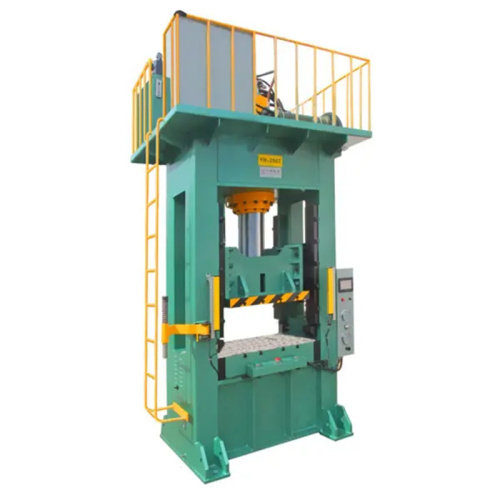
The press bed should allow enough working height for the parts being serviced. Adjustable bed positions can help when the operator needs to change the distance between the ram and the workpiece. I also check the frame structure, cylinder travel, pressure gauge, hydraulic controls, and return system before selecting a machine.
A practical workflow looks like this:
Inspect the workpiece for cracks, distortion, or loose sections.
Select pressing plates, adapters, or support blocks that fit the job.
Place the part at the center of the bed.
Keep the ram, tool, and workpiece aligned.
Apply pressure slowly while watching for movement.
Stop the operation if the part shifts, bends in an unexpected way, or produces unusual noise.
Release pressure gradually and inspect the result.
Good alignment matters as much as press capacity. A 40T press does not make an unsafe setup acceptable. Small contact areas, uneven supports, or damaged parts can create risks during pressing. Operators should use suitable protective equipment, keep hands away from pinch points, and follow the machine manual and workplace safety procedures.
Capacity also needs a practical check. A 40T rating describes the maximum force under the stated operating conditions. It does not mean every material, shape, or task should be pressed at that level. Some parts need less force, a wider support area, or a different tool arrangement. When I review a press, I compare the rated force with the largest parts handled in the shop and the amount of clearance needed around them.
The right 40T press can make repeated repair work more controlled and reduce the effort required for heavy pressing tasks. It may fit a shop that needs more force than a small bench press can provide but does not require a larger industrial system.
Before purchase, check the working width, bed height, ram stroke, gauge design, hydraulic control, frame dimensions, power source, maintenance needs, and available service support. A clear match between the press and the actual work helps reduce setup problems and supports steady day-to-day production.

When a workshop handles bending, forming, pressing, or part removal by hand, production can slow down quickly. Operators may spend extra time setting up each job, applying uneven force, or checking parts that do not meet the required shape.
A 40-ton press can give the work more control. It provides strong pressing force in a format that suits many repair shops, fabrication areas, maintenance teams, and small production lines. The right result depends on the machine design, material, tooling, and working method—not on press capacity alone.
I look at a 40-ton press through three practical questions:
Match the press to the job
A 40-ton hydraulic press may be used for tasks such as:
A workshop repairing agricultural equipment may use the press to remove seized pins or straighten bent brackets. An automotive repair team may use it for bushings, bearings, and suspension components. A fabrication shop may use it for repeated forming work when the material size remains within the machine’s rated range.
These examples do not mean every 40-ton press can handle every task. Material thickness, part size, tooling, stroke length, and working height all affect the result.
Use force with better control
Manual tools can work for small jobs, but they may place more strain on the operator and create uneven pressure. A hydraulic press applies force through a controlled movement, helping the operator keep the workpiece in position during the task.
When I assess a press, I check:
Rated pressing force
A 40-ton rating indicates the maximum designed pressing force under the manufacturer’s stated conditions. It should not be treated as a target for every operation.
Cylinder stroke
The stroke affects how far the ram can move. A short stroke may suit compact repair tasks, while deeper forming work may need more travel.
Working width and height
The frame must provide enough space for the part, tooling, and operator access.
Pressure control
A gauge or adjustable hydraulic system can help the operator monitor the applied force instead of relying only on feel.
Frame construction
The frame should remain stable under load. Check the material, weld quality, support layout, and manufacturer’s load guidance.
Tool compatibility
Plates, V-blocks, punches, dies, and bearing adapters should fit the press and match the job.
Build a repeatable work process
A press can save handling time when the setup is planned before the ram moves.
I use a simple process:
This method helps reduce avoidable adjustments. It also gives operators a clear way to check each job.
For repeated work, a fixed tooling setup can make the process easier to manage. A workshop forming the same bracket, for example, may use a marked position on the bed and a dedicated die. The operator still needs to check each part, since material thickness and surface condition can vary.
Support safer daily operation
Press work involves stored force. A stable floor, suitable guarding, and proper operator training should be part of the work area.
The operator should wear suitable eye protection and avoid loose clothing near moving parts. The press should be checked for hydraulic leaks, damaged hoses, loose fasteners, and worn tooling. The manufacturer’s instructions should guide inspection intervals and load limits.
A pressure gauge can show the force applied, but it does not replace correct tooling or proper alignment. If a part begins to shift, the operator should release pressure and reset the setup rather than trying to hold it in place by hand.
Choose capacity with working needs in mind
A 40-ton press may suit a shop that handles medium-duty forming and repair tasks. A smaller press may be easier to install and move, while a larger machine may be needed for thicker material, larger parts, or higher production volume.
I recommend recording the jobs the team performs over a typical work period:
This record gives a more useful basis for machine selection than capacity alone. It can also show whether the main delay comes from pressing time, part handling, tooling changes, or inspection.
A press cannot solve every production issue by itself. Good results come from matching the machine to the job, preparing the tooling, and giving the operator a clear working method.
With suitable setup and regular checks, 40-ton press power can help a workshop handle forming, repair, and assembly tasks with less manual strain and more consistent control. The best choice is the press that fits the parts, tools, workspace, and daily workload.

When a press spends more time being adjusted than doing useful work, production slows down. Operators wait for the right tooling, repeat alignment checks, and handle parts that need several attempts before they are ready.
A 40T press can support a more steady workflow for repair shops, fabrication teams, maintenance departments, and small production lines. The value does not come from pressure alone. It comes from matching the press, tooling, material, and work method.
I look at the process through four practical questions:
A clear answer to these questions helps prevent wasted movement and avoidable rework.
A 40T press may be used for tasks such as:
The force rating is only one part of the decision. The working width, daylight, stroke length, frame design, bed height, and tooling options also affect the result.
For example, a press with enough force but limited working space may not suit a tall assembly. A press with a wide bed may help with larger brackets but still need suitable blocks or dies for safe support.
I recommend listing the actual parts before choosing accessories. Measure their width, height, contact points, and material thickness. This simple record gives the operator a better starting point than relying on force capacity alone.
A press becomes easier to use when the setup follows the same pattern for each job.
Check for cracks, sharp edges, loose components, and uneven surfaces. A damaged part can move when pressure is applied. Remove dirt and rust from contact areas when the job requires accurate alignment.
Use plates, blocks, V-blocks, dies, or fixtures that match the shape of the part. The support should hold the load in a stable position rather than concentrating force on a weak edge.
A bearing removal job is a useful example. The support should carry the housing while the press tool pushes on the bearing or shaft. Pressing against the wrong surface can damage the housing even when the press is working within its rated capacity.
Place the workpiece close to the centerline of the ram. An off-center load may create uneven force across the frame and tooling. The operator should stop and reset the part if it shifts during pressing.
A controlled approach gives the operator time to watch the part, tooling, and supports. If the material does not move as expected, release the pressure and check the setup instead of adding force without inspection.
For repeat work, note the tooling position, bed height, support spacing, and basic press sequence. A short setup sheet can reduce repeated adjustments between operators.
This method is simple, yet it changes the workday. Less time goes into guessing, and more time goes into controlled pressing.
Many delays come from moving parts back and forth. A suitable workbench, nearby tooling rack, and clear area around the press can shorten each job without changing the press itself.
I prefer to place frequently used items within easy reach:
The layout should leave enough room for the operator to position the part without twisting or reaching across the frame. Heavy parts may need a lifting aid or a second person, depending on their weight and shape.
A small fabrication shop, for example, may use the same 40T press for brackets, bushings, and shaft work. If every job requires searching for separate tools, the machine sits idle between cycles. A labeled tooling area can make the workflow more consistent.
The same press may handle different materials, but the tooling should reflect the job.
Flat plates can support broad surfaces. V-blocks can help with shafts and round parts. Punches can apply force to a specific area during bearing or bushing work. Forming dies can help create repeatable bends when several parts share the same shape.
Tooling should be inspected for wear, cracks, deformation, and poor fit. A damaged tool may not transfer force evenly. It can also affect the finish or shape of the part.
When a custom tool is needed, start with the contact area. The tool must fit the part without creating a sharp, unstable point of contact. The press operator should also confirm that the tool can withstand the planned load.
Pressing stores and releases high force. A stable setup and proper protective equipment are part of the production process, not separate tasks.
Before pressing, confirm that:
Do not use loose blocks, damaged plates, or improvised supports that can split or move under pressure. Keep people away from the sides of the work area when a part may shift.
The operator should follow the press manufacturer’s instructions and the safety rules used at the facility. Training matters, especially when several people share one machine.
Maintenance does not need to interrupt production when it is planned around regular use.
A basic care routine may include:
A slow return, uneven pressure, or visible leak deserves attention. Small changes can affect pressing quality and operator safety. Keeping a service record also helps identify repeated problems.
The correct hydraulic fluid, lubrication method, and inspection interval depend on the press design. I would always use the manufacturer’s maintenance guidance instead of applying a general schedule to every machine.
A 40T press works best when each job has a clear start and finish point.
A simple job card can include:
This record helps a new operator understand the process. It also gives the supervisor a way to compare rework, setup delays, and completed jobs without relying on memory.
For repair work, the inspection point may be the fit between a bearing and housing. For forming work, it may be the bend angle or part width. A clear inspection point keeps the press from becoming a machine that only applies force without confirming the result.
A 40T rating does not mean every part should be pressed at that level. The needed force depends on the material, contact area, friction, part condition, tooling, and pressing method.
Use the lowest practical force that completes the task under a stable setup. If the job needs more force than the press or tooling can safely provide, stop and select a different process or machine.
The goal is not to push harder. The goal is to create a controlled cycle that the operator can repeat.
When the press is selected for the actual workload, the tooling is prepared before the job starts, and each part is supported correctly, pressing can become a steady part of daily production. A 40T press can help reduce manual strain, improve workflow control, and handle a wide range of maintenance and fabrication tasks without adding unnecessary complexity.
For any inquiries regarding the content of this article, please contact Hu: dgliheng168@163.com/WhatsApp +8613509684273.
References
International Organization for Standardization 2010 Safety of machinery General principles for design Risk assessment and risk reduction
Occupational Safety and Health Administration 2024 Machine Guarding Safety Requirements for Mechanical Power Presses
Health and Safety Executive 2023 Safe Use of Hydraulic Presses in Workshop Operations
The American Society of Mechanical Engineers 2022 Safety Standards for Hydraulic and Mechanical Presses
European Committee for Standardization 2021 Safety of Machinery Risk Assessment and Protective Measures
National Institute for Occupational Safety and Health 2023 Preventing Workplace Injuries During Material Handling and Pressing Operations
Meet 40T, a fast, precise, and reliable solution built to perform when it matters most. Designed for consistent operation and dependable results, 40T combines speed, accuracy, and stability to help
Upgrade Your Shop with 40T Power and experience dependable performance built for demanding work. Designed to deliver impressive strength, consistent results, and reliable operation, 40T technology
The 40T Hydraulic Press is built for demanding industrial pressing applications, delivering powerful force, dependable operation, and precise control. Its robust construction supports consistent pe
Say goodbye to frustrating jams and experience smoother, more reliable performance with 40T. Designed to help keep operations running efficiently, 40T delivers dependable results when you need them
Email to this supplier

September 22, 2026

September 21, 2026
Contact

Send Inquiry
PRODUCT CATEGORIES
Privacy statement: Your privacy is very important to Us. Our company promises not to disclose your personal information to any external company with out your explicit permission.
Fill in more information so that we can get in touch with you faster
Privacy statement: Your privacy is very important to Us. Our company promises not to disclose your personal information to any external company with out your explicit permission.