

Send Message
Privacy statement: Your privacy is very important to Us. Our company promises not to disclose your personal information to any external company with out your explicit permission.

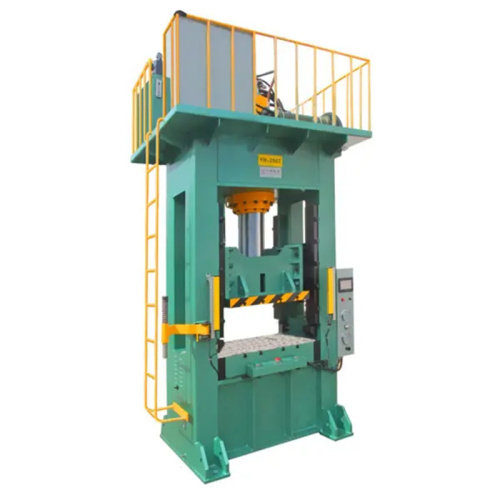
The 40T Hydraulic Press could be a game changer for workshops and industrial operations that require reliable, high-pressure performance. Built to deliver up to 40 tons of consistent force, it supports a wide range of applications, including pressing, bending, shaping, assembling, straightening, and removing stubborn components. Its robust construction promotes durability, while controlled hydraulic operation helps improve precision, efficiency, and workplace safety. By reducing manual effort and handling demanding tasks with greater consistency, this versatile machine can streamline production and maintenance processes. For businesses seeking dependable power and enhanced productivity, a 40T hydraulic press offers a practical and cost-effective solution.

When a workshop handles stubborn bearings, bent brackets, bushings, or metal parts that resist hand tools, a small press may not provide enough force. The work can become slow, uneven, and tiring.
A 40T hydraulic press gives me more working capacity without requiring a large industrial production line. It suits repair shops, fabrication areas, farm workshops, and maintenance teams that need controlled pressing force for regular tasks.
The press applies up to 40 tons of hydraulic force, depending on its design, pump, cylinder, and operating conditions. That capacity can support tasks such as:
The result depends on the material, part shape, tooling, and press setup. A 40T rating does not mean every part should be pressed with the full force.
I often see operators spend too much time heating, hammering, or forcing a part into position. These methods may damage the component or create a safety problem.
A hydraulic press changes the process. The operator places the part on the bed, aligns the ram, and applies pressure through the hydraulic system. The force builds in a controlled way, giving the part more time to release or move.
That control helps with work that needs steady pressure rather than sudden impact. It also makes the task easier to repeat across similar repairs.
A repair technician may need to remove a seized bearing from a tractor component. A hammer can damage the shaft, while an undersized press may stall before the bearing moves.
With a 40T press, the technician can support the component on the bed, position a suitable adapter behind the bearing, and bring the ram into line with the shaft. Pressure is applied gradually while the operator watches for movement, shifting parts, or unusual sounds.
The press does not remove the need for judgment. Correct support and alignment still matter. A high-capacity machine cannot make an unsafe setup safe.
When I compare hydraulic presses, I focus on practical details rather than the tonnage alone.
A rigid frame helps keep the ram and workpiece aligned. It also reduces unwanted movement during pressing. Look for strong uprights, a firm base, and a bed that can support the intended load.
Different parts require different working heights. An adjustable bed gives me more room for tall assemblies and better control for smaller components.
Check how the bed is raised and secured. Pins, supports, and locking points should be suitable for the rated load.
A wide working area makes it easier to place adapters, plates, and irregular parts. It also gives the operator a better view of the pressing point.
The pump should allow smooth pressure application. A system that jumps or releases pressure suddenly can make alignment harder.
A pressure gauge can help the operator monitor force during the job. The reading should be treated as a guide and checked against the equipment instructions.
A reliable return mechanism saves time between pressing cycles. It should bring the ram back in a controlled way without creating unnecessary movement around the work area.
The press frame provides force, but the tooling transfers that force to the part. Plates, adapters, V-blocks, and support fixtures need to match the job.
Using random blocks or damaged accessories may lead to uneven loading. I prefer tools with a known load rating and a shape that supports the part properly.
A safe pressing routine starts before the pump handle moves.
I inspect the frame, hydraulic lines, ram, gauge, bed supports, and pins.
I clean the work area and remove oil, loose tools, and debris.
I identify the part that should move and the part that must remain supported.
I select plates, adapters, or blocks that spread the load across strong contact points.
I place the workpiece in the center of the bed and keep the ram aligned with the pressing line.
I apply pressure slowly while watching the part, the supports, and the ram.
I stop if the part tilts, bends in an unexpected way, slips, or produces a sharp cracking sound.
I release pressure gradually and remove the part only after the ram and workpiece are stable.
This routine takes little extra time, yet it can prevent damage to the machine and the component.
Some parts should not be pressed without checking the material and shape. Cast components, thin plates, hardened parts, springs, and assemblies with stored tension can react suddenly.
A part may look solid but have a weak section near a hole, weld, or corner. Supporting that area incorrectly can cause bending or cracking.
I also avoid placing hands near the ram, adapters, or contact points during operation. Long tools or remote handling methods can create more distance between the operator and the load.
Personal protective equipment should match the job. Eye protection, suitable gloves for handling parts, and work footwear are common choices, while loose clothing should stay away from moving components.
A manual hydraulic pump can work well for repair tasks that need controlled force and moderate cycle frequency. It usually gives the operator direct feedback through the handle and pressure gauge.
A powered hydraulic system may suit workshops with repeated pressing cycles. It can reduce hand effort, yet it also requires more attention to controls, maintenance, and electrical or hydraulic connections.
I choose based on the work pattern rather than choosing the largest system available. A manual unit may be practical for occasional bearing removal. A powered model may be more suitable when the same operation takes place throughout the day.
A hydraulic press needs regular checks. I inspect the following items:
The oil type and service interval should follow the equipment manual. Overloading the press, using damaged tooling, or ignoring a small leak can lead to larger repair costs.
Keeping the bed clean also helps maintain accurate positioning. Metal chips and oil can cause a workpiece to shift when pressure rises.
A 40T hydraulic press offers useful capacity for many repair and fabrication tasks, but size should match the work area and the parts being handled.
I check:
A press that fits the job is easier to use than one chosen only for its force rating. The operator should have enough room to load parts, position supports, and observe the pressing point.
I judge a hydraulic press by how well it supports repeatable work. The key questions are simple:
Can I position the part without struggling?
Can the bed hold the load securely?
Can I apply pressure at a steady rate?
Can I inspect the ram and hydraulic system without removing major parts?
Can I find compatible accessories and service support?
A 40T hydraulic press is useful when the frame, hydraulic system, tooling, and work method function together. The tonnage provides capacity, while alignment and support determine how that capacity is used. For workshops that need steady force for repair, forming, and maintenance, this type of press can become a dependable part of the work area.

A 40T hydraulic press can change the way I handle heavy workshop jobs, but its value depends on the work I do, the space I have, and the tools I use with it.
When I remove a seized bearing with a small press, the frame may flex, the pump may feel slow, and the job can take longer than expected. A 40-ton unit offers more working capacity for tasks such as pressing bushings, straightening steel parts, removing pins, and forming metal. It does not make every job easy, and it does not replace correct setup.
The useful question is not “Is 40 tons enough?”
I ask, “Will this press match my parts, tooling, and daily workload?”
A 40T hydraulic press is suited to many repair and fabrication tasks:
For example, a vehicle repair shop may use the press to remove a seized control-arm bushing. A fabrication shop may use it to bend a steel bracket with a custom die. A farm equipment repair area may use it to push out a pivot pin that cannot be removed with hand tools.
The result depends on the part. A badly rusted component may still need heat, penetrating oil, or cutting before it can move. More force is not always the right answer.
The hydraulic cylinder may be rated for 40 tons, but the frame, bed, pins, welds, and tooling must also handle the load.
I check these points before choosing a machine:
A narrow press may produce enough force but leave little room for a wide part. A press with limited vertical clearance may not fit a tall assembly. Bed height also affects the way I position shafts, housings, and support blocks.
The machine needs to fit the work, not just display a large number on the nameplate.
A 40T press may use a hand pump, air-assisted hydraulic pump, or electric hydraulic power unit.
A hand pump can suit occasional repair work. It gives me direct control and does not require electrical power. The trade-off is slower operation on larger jobs.
An air-assisted model can reduce pumping effort when compressed air is available. I still need to check the required air pressure and flow, since a small compressor may not keep up during repeated cycles.
An electric unit can support regular shop use, but it may require more installation work and maintenance. The control system should allow smooth pressure application and release. Sudden movement makes part alignment harder and may increase risk.
I prefer a clear gauge placed where I can read it without standing in the line of the workpiece.
The press frame is only part of the setup. Good tooling helps distribute force across the part.
Useful accessories can include:
I avoid pressing directly against thin edges or unsupported castings. A bearing cup, for example, needs a driver that contacts the correct outer edge during removal. Pressing on the wrong surface can damage the housing or deform the bearing.
Custom tooling can improve results, but it must match the load. A homemade adapter made from unknown steel may bend or crack under pressure. I use supports with a known load rating and keep the contact points aligned with the cylinder.
Stored energy can remain in the frame, part, and tooling while pressure is applied. I inspect the setup before pumping:
I also wear eye protection and use suitable protective equipment for the material and task. I do not rely on a press to force apart a setup that looks unstable.
For a workshop that often handles bearings, bushings, pins, and metal forming, a 40T press can reduce dependence on improvised methods. It may save floor space compared with a larger industrial machine while offering more capacity than a basic 10T or 20T model.
A shop that mainly repairs small parts may not use the full rating. In that case, a smaller press could be easier to move and maintain. A shop working on heavy machinery may need a wider frame, longer cylinder travel, or a higher-capacity model.
I would review one week of actual jobs before buying. I would record the part sizes, force needs, working height, and tooling used. That list gives me a better guide than tonnage alone.
A 40T hydraulic press can become a useful center of a repair or fabrication area when its frame, hydraulic system, tooling, and workspace match the jobs. It is not a shortcut around careful alignment. The strongest results come from choosing the right capacity, setting up each part securely, and using controlled pressure instead of relying on force alone.

A small workshop often faces the same problem: many pressing jobs, limited floor space, and a budget that does not support a large production line.
A 40T hydraulic press can offer a practical middle ground. It provides strong pressing force for many repair, forming, bending, and assembly tasks while taking up less space than larger industrial equipment. The results depend on the material, tooling, operator skill, and work volume, so the press should be selected around the actual job rather than the tonnage alone.
I have seen small repair shops use a 40T press for removing and installing bearings, straightening metal parts, shaping brackets, and handling stubborn mechanical components. These jobs may look simple, yet manual tools often require more time and physical effort. A hydraulic press gives the operator controlled force and a more stable working process.
A 40T press may suit a workshop that needs to:
The press does not replace every machine. It may not be suitable for large production runs, oversized parts, or jobs that require automatic feeding and repeatable cycle control. A clear understanding of daily work helps prevent buying equipment that is too large, too small, or poorly matched to the workshop.
The frame design is an important part of the selection process. A rigid frame helps keep the workpiece stable when force is applied. I look at the working width, throat depth, bed height, and adjustment range before checking the price. A press with enough room for the parts I handle is more useful than one with a higher force rating but limited access.
The hydraulic system also affects daily operation. A hand-operated pump can work well for occasional repair jobs. An air-assisted or powered hydraulic system may reduce pumping effort when the press is used often. The choice depends on the available power source, work frequency, and desired control.
Pressure control deserves attention as well. A built-in gauge can help the operator monitor the applied force and repeat a known process. This does not guarantee identical results for every material, since thickness, hardness, alignment, and tooling also affect the outcome. Still, pressure feedback makes the work easier to manage than relying only on physical effort.
Before purchase, I suggest checking these points:
Tooling can change the value of the press. A basic frame may perform only a limited range of tasks until it is paired with the right accessories. V-blocks can support round parts. Flat plates can help distribute force. Forming dies can shape material with better control. Improvised tools may slip, bend, or break under load, so they should not be used without checking their strength and fit.
Safety remains part of the operating cost. The workpiece needs proper alignment before pressure is applied. Operators should keep hands away from pinch points, inspect hoses and fittings, and wear suitable eye and hand protection. The area around the press should remain clear. A hydraulic press can store a large amount of force, even during a short task.
One small machinery repair shop used a 40T press for bearing removal and frame straightening. The owner had previously relied on a hammer, pullers, and repeated heating for some jobs. The new workflow did not remove every manual step, yet it helped him handle common repairs with less strain and fewer delays. He still used a larger machine for oversized components, which showed that the 40T press worked best as a support tool rather than a replacement for all equipment.
The financial value of a hydraulic press comes from repeated use. If the machine helps reduce outsourced pressing work, shorten repair time, or protect parts from rough handling, it may support a better return over its service life. The result varies from one business to another. A workshop with only a few pressing jobs each month may prefer a basic model. A busy repair center may need powered hydraulics, stronger tooling, and easier access.
A 40T hydraulic press can be a sensible choice for businesses that need reliable force without moving into a large industrial setup. It offers useful capacity for many repair and fabrication tasks, provided the frame, hydraulic system, tooling, and safety features match the work.
The best purchase is not always the press with the highest tonnage. It is the one that fits the parts, space, working habits, and service needs of the workshop.

Many workshop owners reach a point where a small press no longer handles the work comfortably. A 10-ton or 20-ton unit may suit light repairs, yet stubborn bearings, bent brackets, bushings, shafts, and thick plate can demand more force. Using a press at its limit also creates practical problems: slow progress, uneven movement, damaged parts, and extra setup time.
A 40-ton hydraulic press gives me a wider working range without moving into the size and cost of much larger industrial equipment. It can support repair, forming, assembly, and maintenance tasks across automotive, agricultural, fabrication, and general machine shops.
The rated force is only part of the decision. I also look at the frame, cylinder stroke, working width, bed height, pump style, controls, and safety features.
A 40-ton press can handle jobs that often challenge smaller machines.
Typical examples include:
In a truck repair bay, a technician may need to remove a rusted pin from a suspension part. A smaller press may reach its force limit before the pin moves. A 40-ton model gives the operator more working room and reduces the need to use impact tools or improvised methods.
The press still needs the right tooling. A higher rating does not make an unsafe fixture suitable. The workpiece must sit evenly on the bed, and the pressing force should travel through the center of the part.
A 40-ton press sits between light shop equipment and larger production machines.
A 10-ton press may be easy to move, but its capacity can limit repair options. A 100-ton press may offer more force than a small maintenance shop uses, while taking up more floor space and requiring a stronger foundation.
I often see the 40-ton size selected by businesses that need one main press for several tasks. A fabrication shop can use it for bending and straightening. An auto repair shop can use it for bearings and bushings. A farm equipment service team can use it for pins and joints.
This does not mean every shop needs 40 tons. If the work mostly involves small bearings or light brackets, a smaller press may be a better fit. The machine should match the work schedule, part size, and available space.
Hydraulic pressure gives the operator control over force and movement. That matters when a part needs steady pressure instead of a sudden impact.
With a hand-pump model, I can build pressure gradually and stop when the part begins to move. A powered hydraulic system can reduce manual effort when the press is used often throughout the day. Some machines include a two-speed pump, which moves the ram quickly during approach and shifts to slower movement under load.
This control helps with jobs such as:
Pressure should not be confused with force. The cylinder size, hydraulic pressure, and machine design work together to produce the rated tonnage. A gauge can help the operator monitor the process, yet the gauge reading must be matched to the press specifications.
A 40-ton cylinder cannot make up for a weak frame.
When I compare hydraulic presses, I check the thickness of the upright columns, the bed supports, the welds, the ram alignment, and the way the base is built. The frame should resist bending while the load is applied. A frame that flexes can affect accuracy and place stress on the part.
The bed height also changes how useful the machine feels. A bed with several adjustment positions can accept short and tall workpieces. A narrow bed may limit large brackets or long sections of tubing. A wide bed gives more support, but it also takes more floor space.
The best choice depends on the parts handled every week, not only on the number printed on the product page.
Force does not solve every setup problem. The ram needs enough stroke to reach the part, and the opening needs enough height for the tooling.
Before selecting a press, I measure:
A press may be rated at 40 tons yet feel limited if the working area is too small. For example, a shop that repairs long agricultural components may need more daylight and bed width than a small automotive workshop.
Hydraulic pressing stores a large amount of force. Parts can crack, shift, or release suddenly when pressure is applied.
I look for a guarded work area, stable feet, a pressure gauge, a relief system, clear controls, and a bed that locks securely at each height. The operator should wear suitable eye protection and keep hands away from the load path.
I also avoid using loose blocks, damaged adapters, or mismatched pressing tools. A purpose-made support gives the load a clearer path and lowers the chance of a part slipping.
The rated capacity should be treated as a working limit, not a target for every job. If a part does not move under normal pressure, I stop and check alignment, corrosion, support, and tooling. Applying more force without checking the setup can damage both the part and the press.
A 40-ton hydraulic press does not need complex daily service, yet it benefits from regular checks.
I inspect the hydraulic hose, fittings, ram, frame, pins, bed supports, and gauge. Leaks should be addressed before they spread across the machine or reduce pressure. The hydraulic oil should follow the manufacturer’s specification. The ram should remain clean, and exposed surfaces may need light protection in damp workshops.
Operators should also watch for:
These signs do not always mean a major repair is needed, but they should not be ignored.
I use a simple selection process:
List the jobs.
Write down the parts pressed during a normal month. Include their size, material, and resistance.
Estimate the force.
Use supplier data, service manuals, or guidance from a qualified technician. Do not guess from part size alone.
Check the working area.
Measure the bed, opening, stroke, and available floor space.
Choose the hydraulic system.
A hand pump may suit occasional work. A powered pump can reduce effort for frequent pressing.
Review the tooling.
Adapters, plates, V-blocks, and supports often decide whether the press is useful on the shop floor.
Confirm the support and service plan.
The machine should have clear specifications, replacement parts, and instructions for hydraulic maintenance.
A 40-ton hydraulic press makes sense when a workshop needs more capacity for repair and forming work but does not require a large production press. Its value comes from the match between force, frame strength, working space, tooling, and operator habits.
I would not choose one only because the tonnage looks impressive. I would choose it when the machine fits the parts on the bench, the work area on the floor, and the level of control the operator needs. That approach usually leads to a press that supports daily work instead of becoming equipment that sits unused.
We has extensive experience in Industry Field. Contact us for professional advice:Hu: dgliheng168@163.com/WhatsApp +8613509684273.
References
Hydraulic Institute (2023) Hydraulic Press Systems and Fluid Power Fundamentals
Occupational Safety and Health Administration (2022) Safe Operation of Hydraulic Presses in Workshop Environments
American Society of Mechanical Engineers (2021) Design and Safety Principles for Mechanical Press Equipment
John R Walker (2020) Practical Hydraulic Equipment Maintenance and Troubleshooting
Michael T Greene (2019) Workshop Pressing Techniques for Bearings Bushings and Metal Components
International Organization for Standardization (2018) Industrial Machinery Safety Requirements for Hydraulic Equipment
Meet 40T, a fast, precise, and reliable solution built to perform when it matters most. Designed for consistent operation and dependable results, 40T combines speed, accuracy, and stability to help
Upgrade Your Shop with 40T Power and experience dependable performance built for demanding work. Designed to deliver impressive strength, consistent results, and reliable operation, 40T technology
The 40T Hydraulic Press is built for demanding industrial pressing applications, delivering powerful force, dependable operation, and precise control. Its robust construction supports consistent pe
Say goodbye to frustrating jams and experience smoother, more reliable performance with 40T. Designed to help keep operations running efficiently, 40T delivers dependable results when you need them
Email to this supplier

September 22, 2026

September 21, 2026
Contact

Send Inquiry
PRODUCT CATEGORIES
Privacy statement: Your privacy is very important to Us. Our company promises not to disclose your personal information to any external company with out your explicit permission.
Fill in more information so that we can get in touch with you faster
Privacy statement: Your privacy is very important to Us. Our company promises not to disclose your personal information to any external company with out your explicit permission.